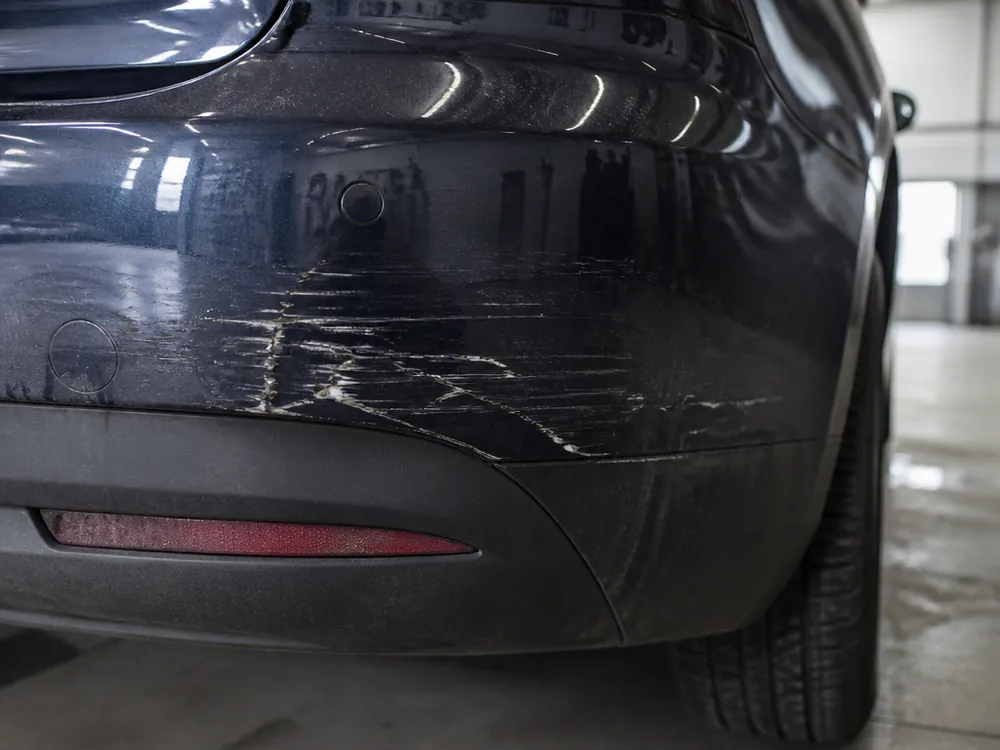
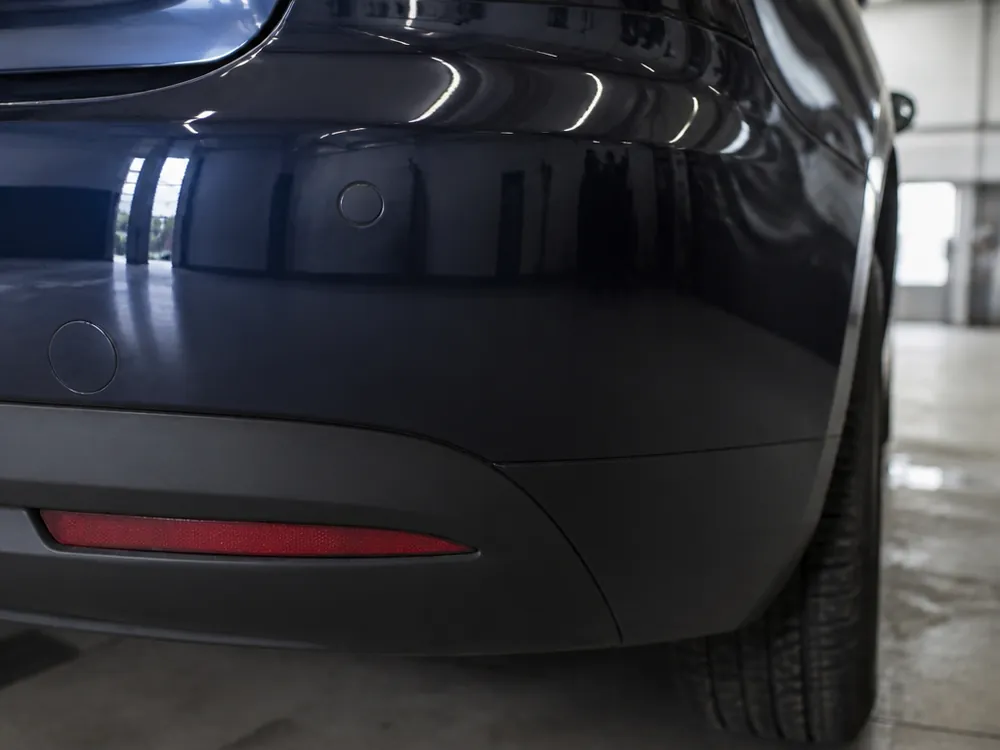
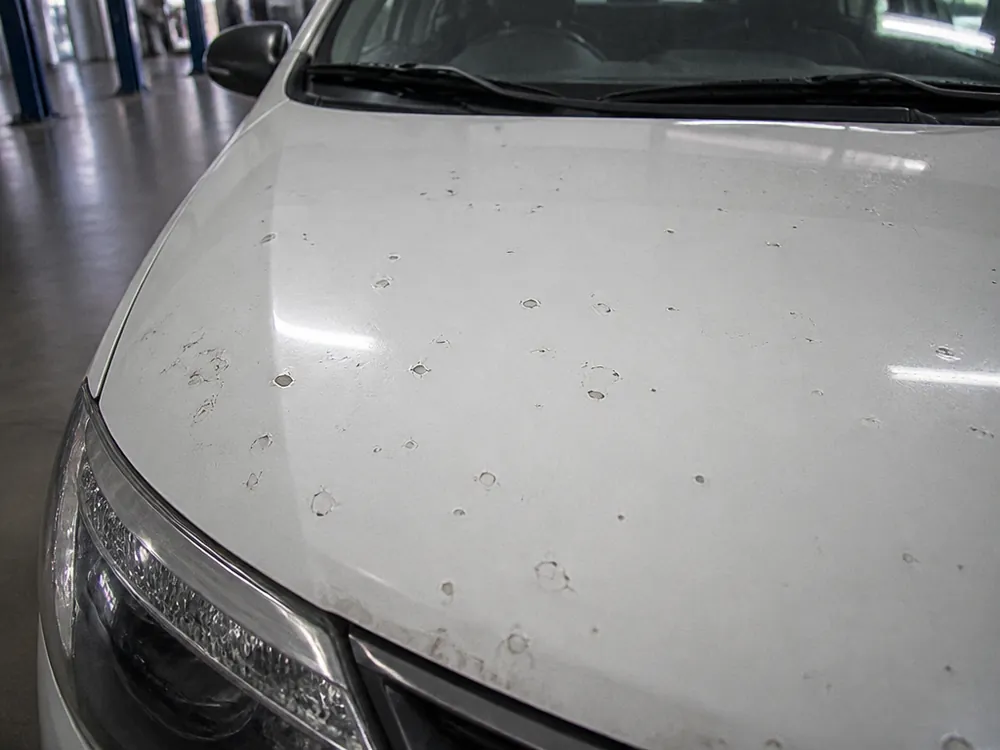
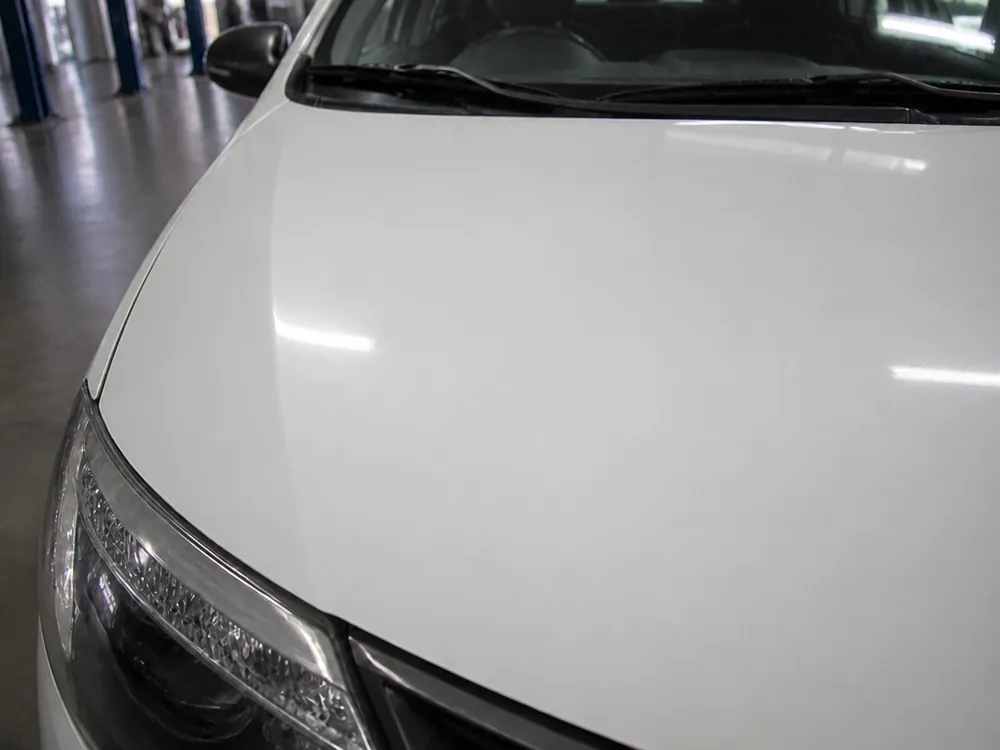
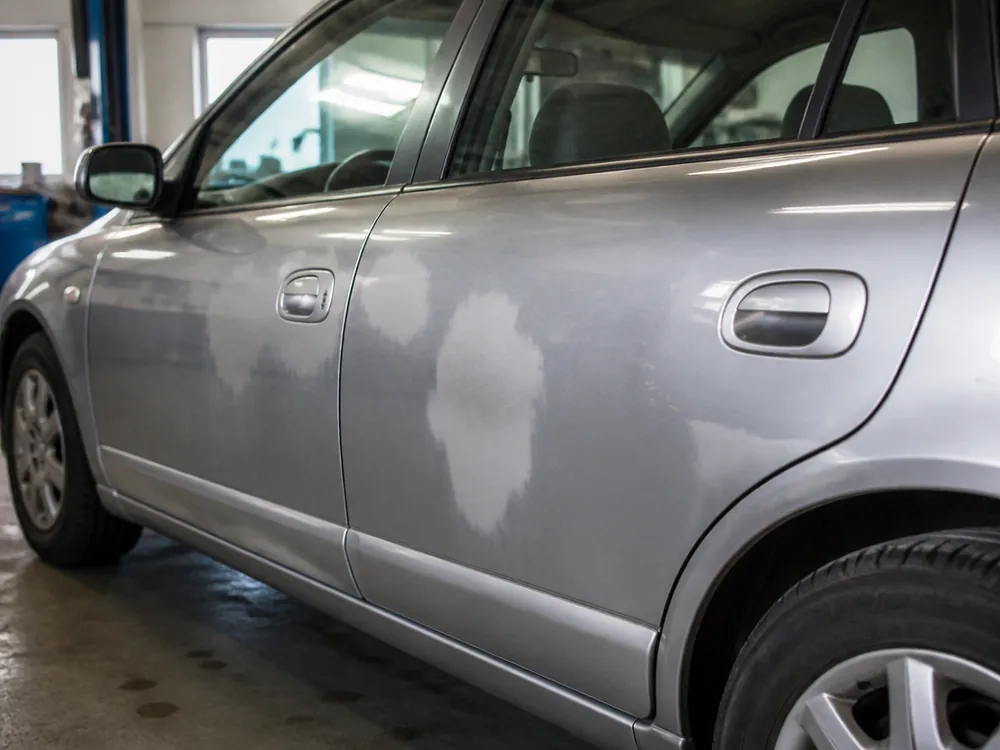
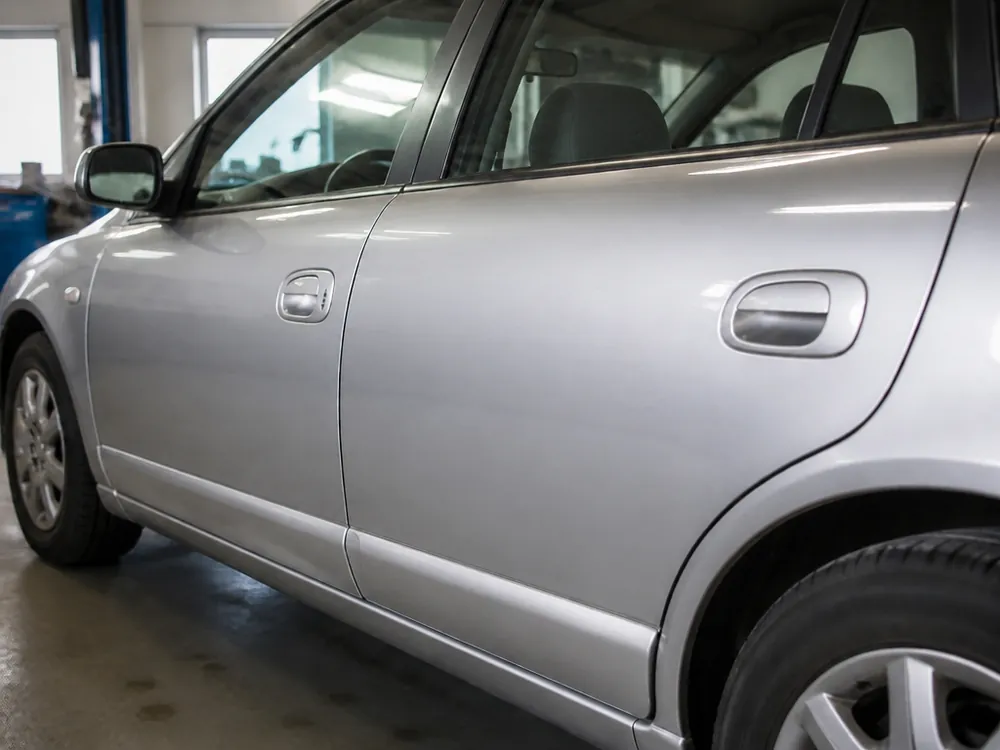
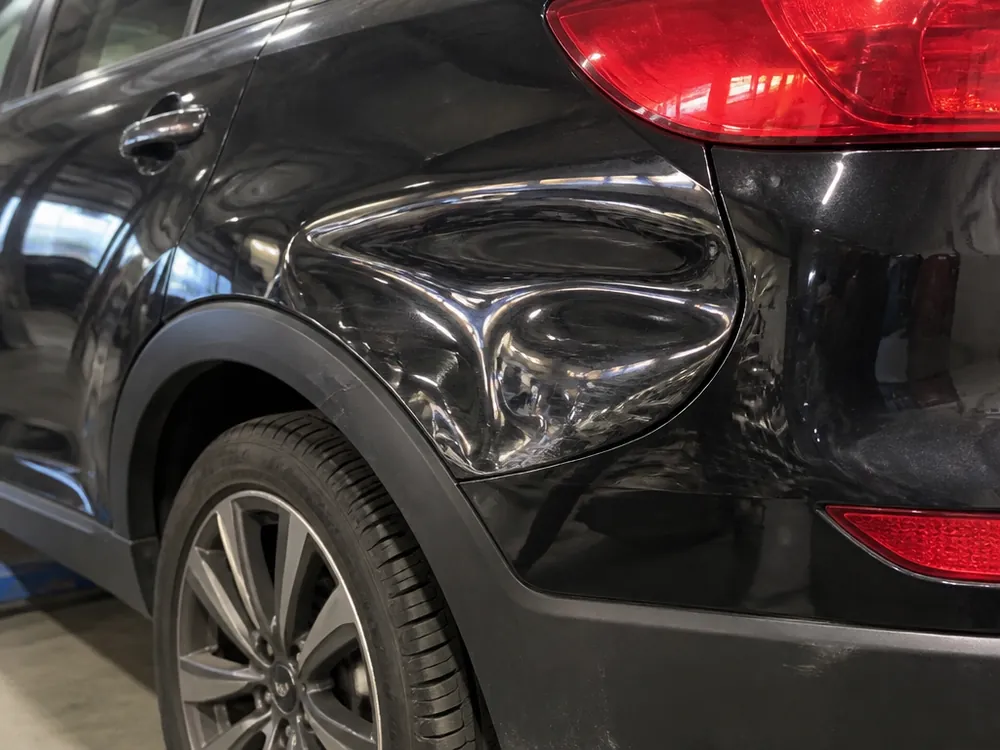
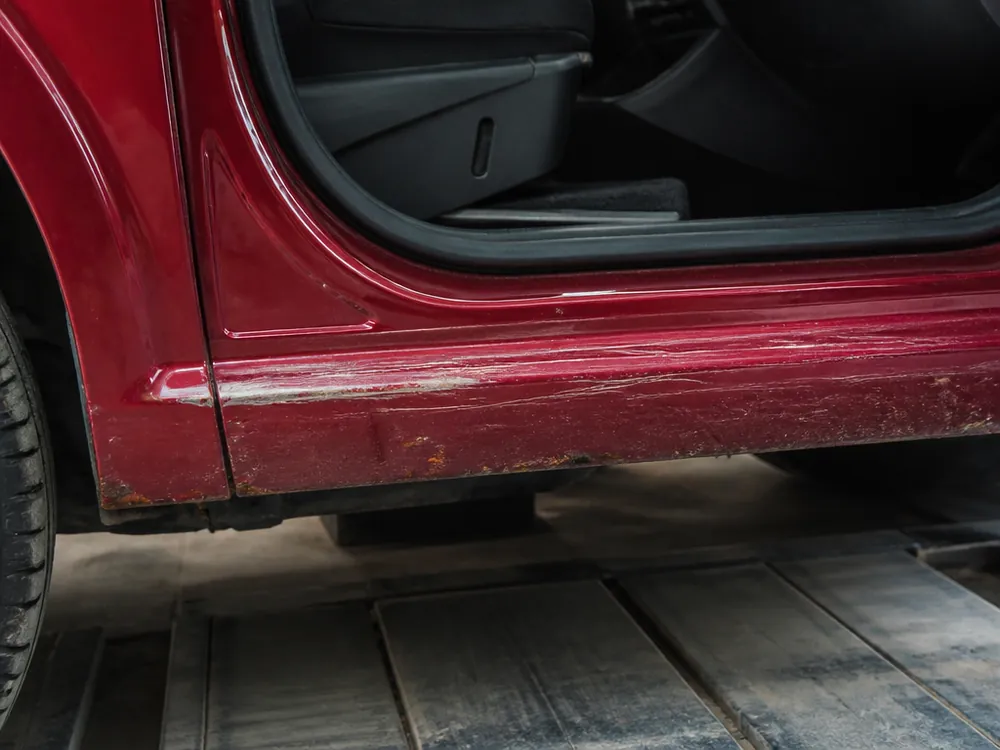
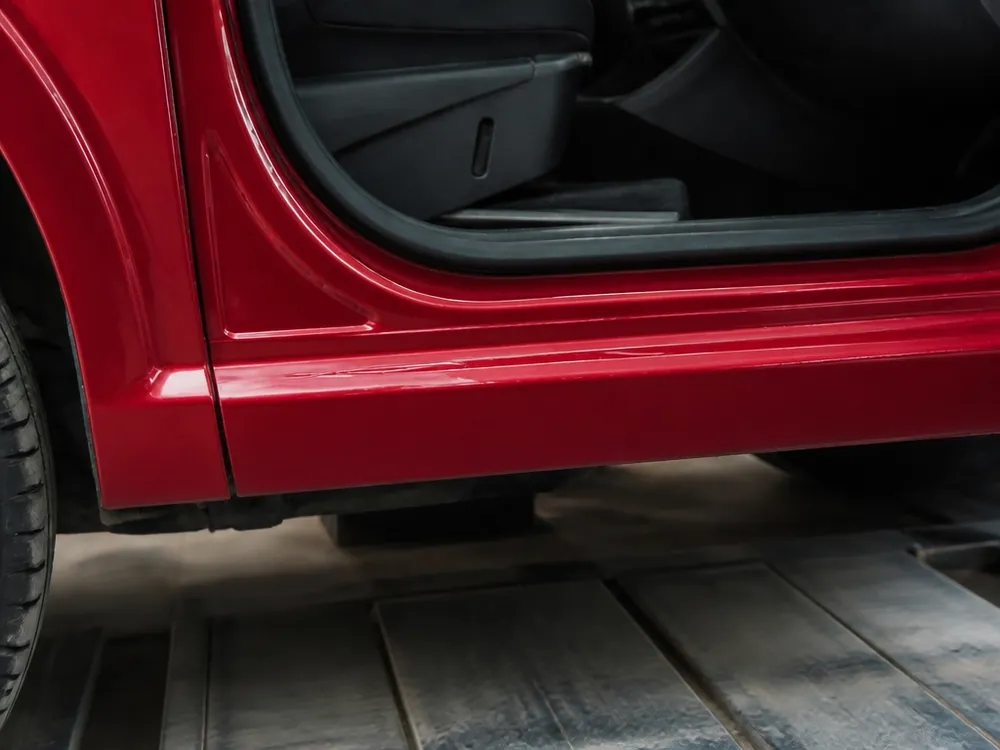
An owner comes in with a chip or dulled clear coat and doesn't know whether to polish the panel or paint it. During the inspection we assess the depth of the damage and tell you straight which option will give results and which will just be a waste of money.
During the inspection we look at the depth of the damage: a chip down to metal already requires prep and painting, while a dull clear coat that's only surface-deep can often be removed by polishing. We put the panel under directional light and run a fingernail along the edge — if it catches on the edge, it means not only the clear coat but also the base coat is penetrated. We check dullness differently: a drop of water on the cloudy area brings back the gloss — that means the top layer is still alive, not the base. A chip down to metal is dangerous not in itself, but because corrosion starts blooming under the edge — and then straightening and anti-corrosion treatment get added to the job, so putting off such damage costs more than fixing it right away. If you're unsure whether your car needs painting in Almaty or just polishing, the technician at the inspection will show you the boundary of the damage and explain the choice.
Local Painting or the Whole Part
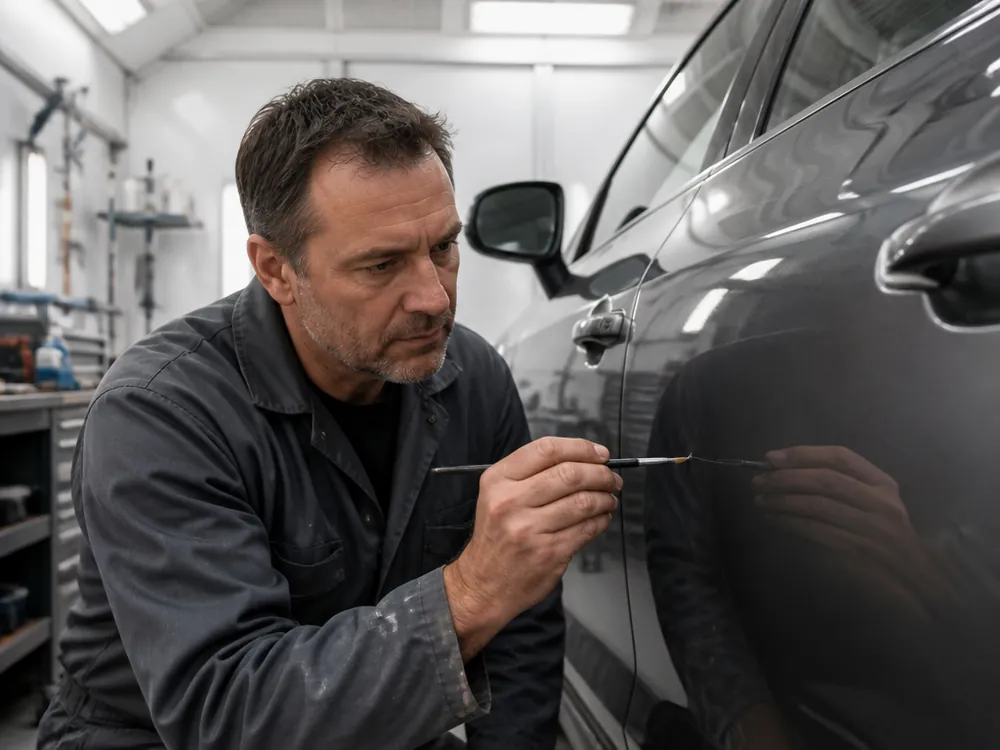
We do local repair when the damage is spotty and doesn't affect the edge of the part, but if there are many chips or they're along the edge, we treat the whole part — otherwise the blend will show over time. For spot repair we take an area no bigger than a palm, match the color on a test card, and take the boundary into a flat area, away from ribs and joints with neighboring body panels. This option saves time but requires the shade to be even across the entire panel — on a faded body the spot stands out, and then it's more honest to treat the whole thing. Color matching on a test card matters more here than the application technique itself: if the shade doesn't match, no amount of care will hide the boundary. Local repair saves time but requires an even color across the whole part — on a faded body, spot work stands out as a patch.
What to Do If the Part Was Already Painted and Has Body Filler
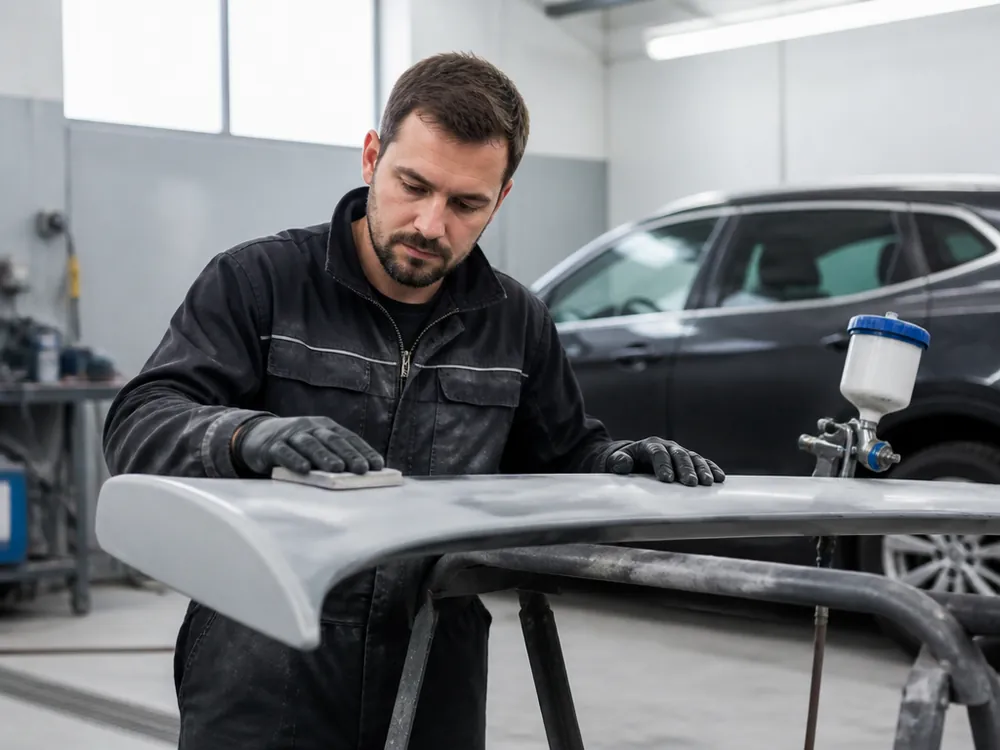
Before work we measure the old layers and body filler with a thickness gauge: if the layer is loose or too thick, we strip it down to metal — otherwise the new coating will bubble up along with the old. The device reads through the coating to the base and shows microns across the entire panel, not just one point — this way you can see the boundaries of previous repairs and places where filler was applied again. A loose layer under new primer absorbs moisture, reacts to temperature, and swells the clear coat from the inside within a few months, so we don't preserve old filler — we remove it completely. A thickness gauge shows not only thickness but also a map of repairs — it reveals where the panel was filled again, and that hints at where exactly the old layer will behave unpredictably.
How We Match Color and Eliminate the Blend
The main fear before painting is that the new part will differ in color from the rest of the body. We show what goes into hitting the right tone and why a factory paint code alone isn't enough for that.
Paint Code, Spectrophotometer, and a Test Spray on a Sample
We match color in three steps: by the paint code, then with a spectrophotometer on the actual body, and always with a test spray on a sample that we check in daylight before applying the coating to the part. The code gives the factory pigment recipe, but over the years the body fades and gets micro-scratches, so the device reads the actual paint from the panel itself, not from the catalog. Based on the measurement we prepare a test spray on a metal plate and place it next to the repair area. We look at it in daylight from different angles — metallic flops, and a booth lamp won't show that. The test spray is what decides: it shows the needed correction to the recipe for this specific car, and we adjust the proportions until they match. This approach to tone matching is the foundation of why our body painting leaves no noticeable spots on panels. Without this step, even the correct code on a faded body gives a noticeable difference.
Why the Blend Shows and How We Eliminate It
The blend shows when the new layer goes on an unprepared edge or the tone is matched without a test spray, so we take the boundary under a rubber seal or the edge of the part and check the result in daylight. The edge under the seal doesn't contact the outside environment and isn't noticeable, and the old paint doesn't show through a year later. Next we even out the gloss depth: if the clear coat on the repair area is thinner than on the neighboring panel, even an exact color match reads as a patch. That's why we clear-coat not just the spot but the entire blend area with a smooth fade-out. In our practice, it's usually the gloss that differs, not the color — in the sun that's more noticeable than a difference in tone. We check the result outside, not just in the booth, and only then hand over the car.
Can You Repaint a Car in a Different Color
You can repaint a car in a different color, but that's a full body painting with disassembly: we paint not only the exterior panels but also the door jambs so that no old coating remains when the door is open. A color change is the most labor-intensive body job because the factory tone hides in cavities, under seals, and on the ends of parts. We remove the doors, hood, trunk, take off the seals and moldings — otherwise the original paint will show the first time you open the hood. We separately treat the sills, niches, and inner edges where the spray gun can't reach during normal work. This scope requires more time in the booth and careful masking of the interior and wiring. If the disassembly is incomplete, the savings backfire when the car reveals the old tone in the most noticeable places.
What Painting with Disassembly Means and How the Work Goes in the Booth
"Painting with disassembly" sounds like marketing until you see the list of parts removed and the reason for each operation. We break down the stages of work and show which operations we perform on parts.
Why Remove Handles, Moldings, and Headlights
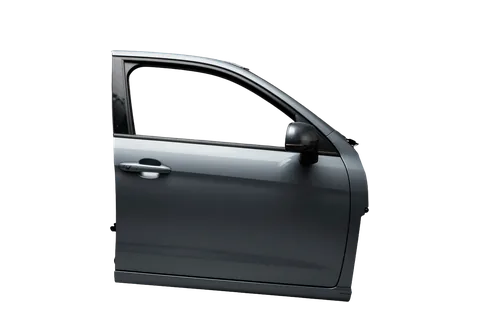
Before working on a door, we remove the handles, moldings, and lights so the edge of the part goes under the seal — that way, a year later, old paint won't show from under the weatherstrip. The removed elements free up the edge around the entire perimeter: the technician brings the primer and base coat up to the seal line instead of stopping the layer at the very edge. The ends and inner cavities of the door get the same three coats of clear as the face. Disassembly takes time, but it's what separates a coating that lasts from one that peels at the edge: painting "up to the seal" means leaving an unpainted edge where moisture and road chemicals get in. In my opinion, skimping on disassembly makes no sense — redoing the edge costs more than carefully removed handles.
Primer, base coat, and three coats of clear
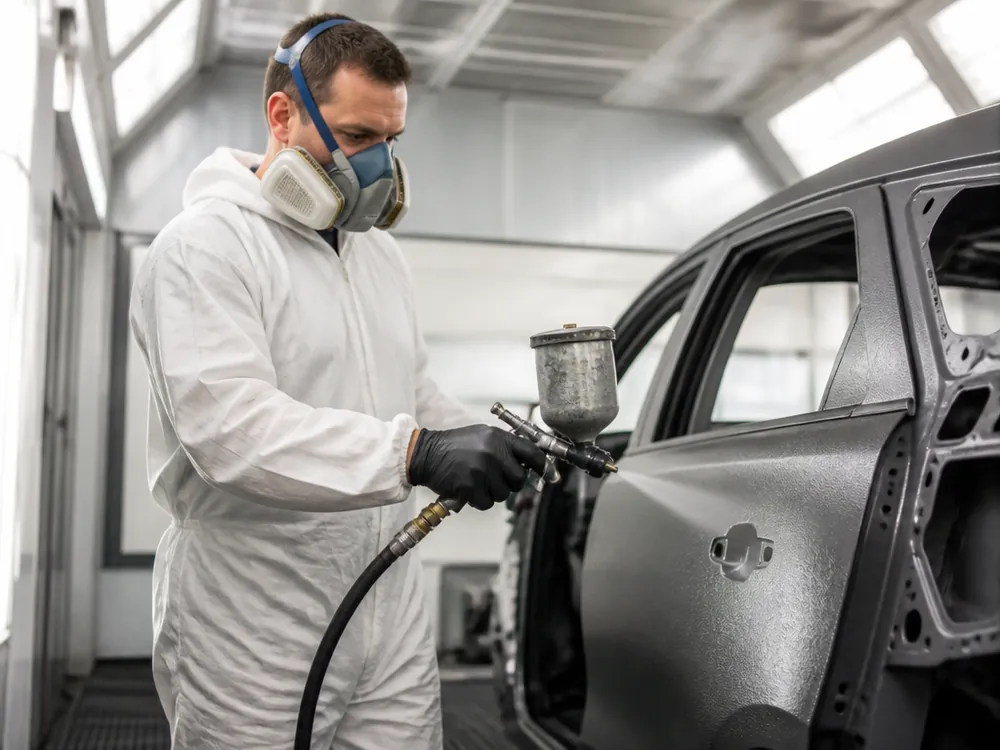
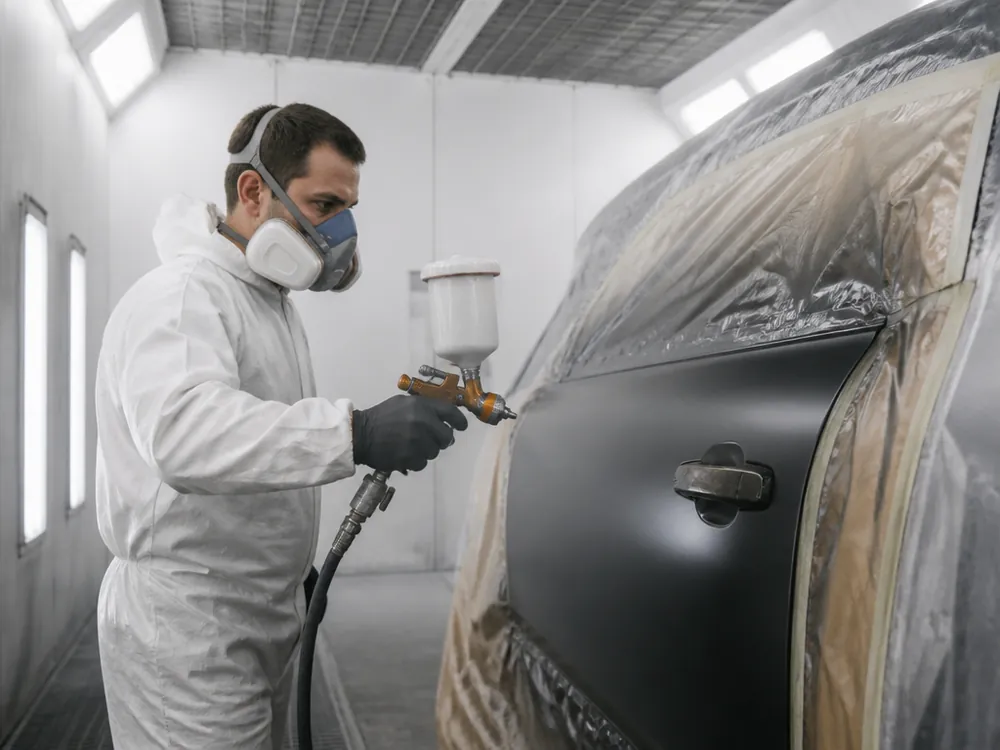
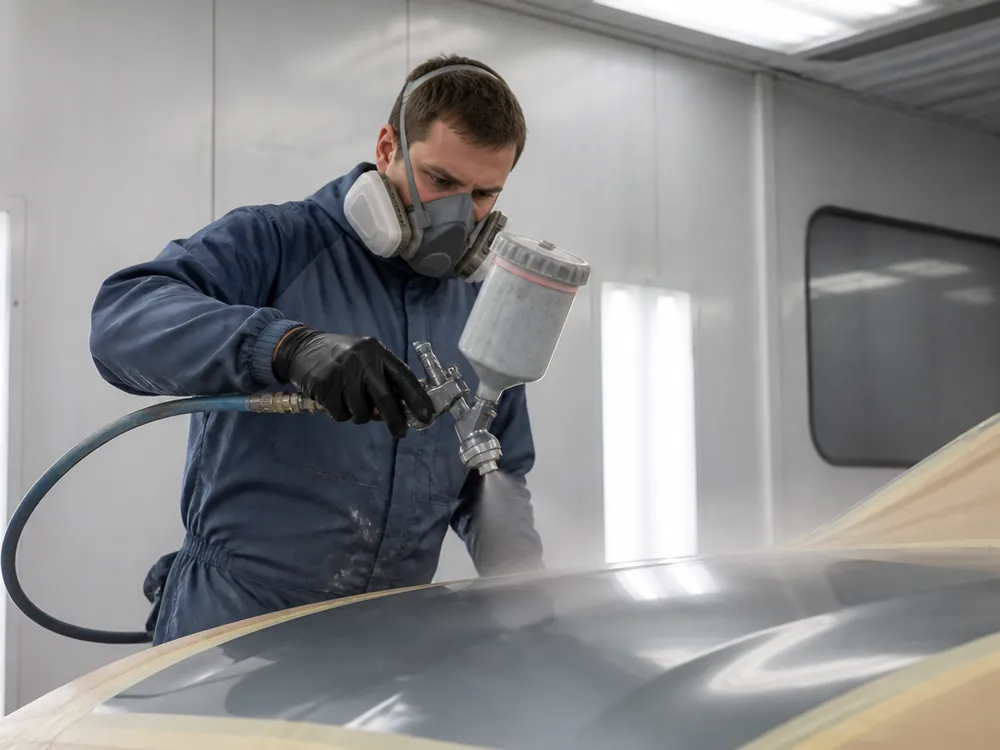
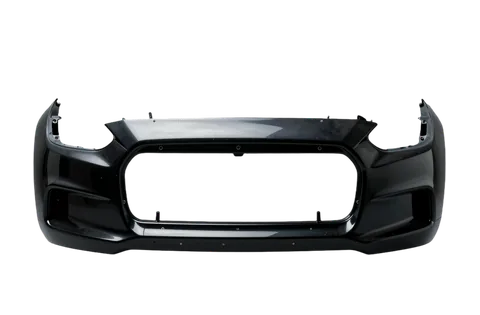
We cover the bumper and other parts with primer, base coat, and three coats of clear — more coats give a deeper gloss and protection from chips on the highway. The primer levels the microprofile and holds adhesion, the base coat gives the color by code or spray-out, and the clear seals the system and takes the hits from stones. Each coat of clear cures separately, with intercoat drying according to the material's technical sheet. The total film of three coats absorbs small impacts better: a stone that on a single coat would go straight to the base and leave a dot gets caught in the top layer here. On bumpers this is especially noticeable — the part is the first to take sand and gravel from the road. The coating gains hardness in the booth, and pressure washing won't distort it.
What part-specific work we do
types of part work and their purpose| Work | What we do | When it's chosen |
|---|
| Bumper painting | primer, base coat, three coats of clear, crack repair | chips, cracks, parking lot scuffs |
|---|
| Fender painting | prep, rustproofing, blending | dent or corrosion along the edge |
|---|
| Door painting | disassembly of handles and moldings, edge under the seal | scratches, traces of previous repair |
|---|
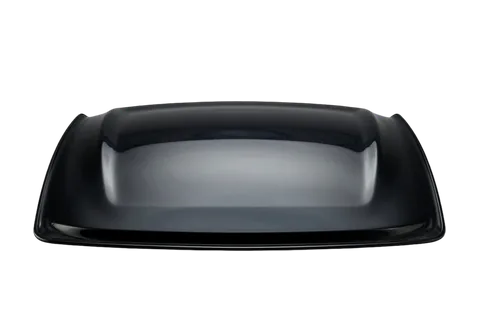
| Hood painting | removal of old layers, painting | rock chips, faded clear coat |
|---|
| Roof painting | prep of a large area, painting in the booth | fading, corrosion along the drip rail |
|---|
| Rocker panel painting | anti-gravel coating, rustproofing, painting | sandblasting from wheels, corrosion |
|---|
| Spot painting | point repair with blending | single chip without a hard edge |
|---|
| Raptor liner painting | protective textured coating | off-roader, chip protection |
|---|
Timelines, drying, and care after painting
Timelines and care determine when the car gets back on the road. We show how long car painting takes, why you can't go straight to the car wash afterward, and how long the coating takes to gain hardness.
How long painting takes
The service advisor gives the exact timeline for your car in a written estimate after inspection, because it depends on disassembly, prep, and drying. The part spends hours in the paint booth, but most of the time goes into removing handles and moldings, leveling, and priming. The car is received by the service advisor and he manages the work order through to handover. 9,000+ cars have gone through the shop in 12 years, and experience shows that the bodies that last longest are the ones where previous repair is found under the old paint. The timeline depends not on the size of the part but on the prep: if old repair or corrosion is found, straightening and rustproofing are added, and that's honestly shown in the written estimate before work begins. That's why we always write the estimate in advance — it shows you exactly what's extending the timeline.
Why we dry at 60 °C
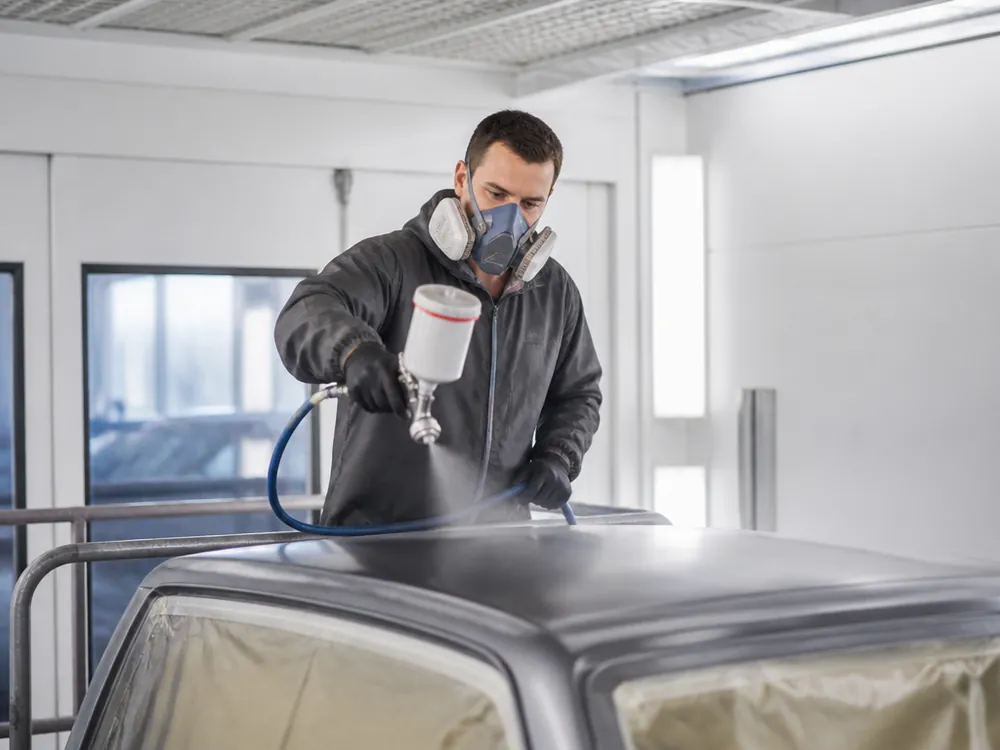
We keep the booth at 60 °C according to the paint's technical sheet, not by eye: at that drying temperature the coating gains hardness and pressure washing won't distort it. We cover the bumper with primer, base coat, and three coats of clear — more coats give a deeper gloss and protection from chips on the highway. We set the temperature for the specific material: different base coats and clears have their own curing curve, and there's no universal setting for all. Overheating makes the clear brittle, underheating leaves it soft — in both cases the coating loses durability prematurely. In practice, this means the part doesn't "mature" outside for weeks after the booth: it comes out with working hardness, and we can safely hand the car back to the client.
When you can wash the car after painting
Fresh coating doesn't reach final hardness right after handover, so for the first few weeks it's best to avoid aggressive pressure washing and stiff brushes. Full curing of the clear happens gradually, and during this period the edges and corners of parts are most vulnerable. Even fully cured clear doesn't like a directed jet close to the edge: pressurized water finds micro-gaps at the seals, and that's where the coating starts to peel first. Keep the nozzle at a distance, don't blast the seam between the door and fender, and ask for a gentle setting at the touchless wash. If after washing you notice cloudiness or orange peel on the fresh part, bring it in for inspection — diagnostics for a warranty case are free with us.
24-month warranty and what to do if you find a defect
A warranty only works when it's written down and it's clear what it covers. We explain what we record in the documents at handover and how we handle it if the client finds a defect.
What we record in the work order
We give a 24-month warranty on our work and record the term and conditions in the work order and the completion certificate at handover, so the commitment is on paper, not just words. The document lists the specific parts — bumper, fender, door, or hood — the type of work, and the handover date. The work order is managed by the service advisor from intake to handover, so the repair history isn't lost between shifts. Our own technician in the body area is responsible for both prep and application, so the person accountable for the result is known by name. A work order with a warranty is useful for both the client and the shop: it shows exactly what work was done, so in a disputed case you don't have to reconstruct the repair history from memory.
What the warranty covers and what it doesn't
The warranty covers the work performed and the parts installed, but not accidents after repair, third-party interference, natural wear of consumables, or a part the client supplied themselves. Twenty-four months is the same term as for body repair, rustproofing, protective film, and ceramic coating, so all body treatment falls within one warranty period. The conditions don't change from case to case: they're written in advance and are the same for spot restoration and for a whole part. We specifically address consumables — if the wear of the paint layer is caused not by our work but by the environment, the case is considered separately. The warranty boundary is where our work ends: if the part was supplied by the client, we're responsible for the coating application but not for how the material underneath behaves.
Found a defect after painting
If a customer finds a defect after the work, we first diagnose it as a warranty case free of charge, and based on the result we decide whether polishing is enough or a repaint is needed. We look at the nature of the damage: a lacquer run or orange peel on a fresh coat can be removed with polishing in a single pass, while peeling or clouding of the base coat requires stripping the layer and applying it again. Before handover the car goes through a test drive, but a minor defect can also show up later — at a pressure car wash or after the first chips on the highway. Not every visible defect is a warranty case: orange peel from mechanical damage sustained during use is different from a factory defect in the work, and the diagnosis is needed precisely to separate one from the other.
Car painting key points
We've gathered the key points about body painting in one place: from choosing between polishing and painting to the warranty terms. Below is a short summary that we rely on when planning work.
- Depth of damage decides everything: a chip down to the metal requires paintwork, while a clouded top layer of lacquer can often be removed by polishing without painting.
- Color comes together in three steps: the paint code, a spectrophotometer reading, and a spray-out on a test card that is checked in daylight.
- Disassembly of the part is not an extra step: removed handles and moldings let the edge tuck under the seal, and the old coating doesn't show through a year later.
- Timing depends on prep: it adds up from disassembly, leveling and drying, not from the area of an individual part.
- Warranty rests on documents: the term and conditions are recorded in the work order and the acceptance report, and its boundary lies where the service's work ends.