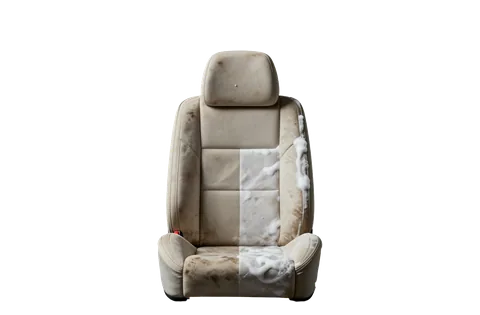
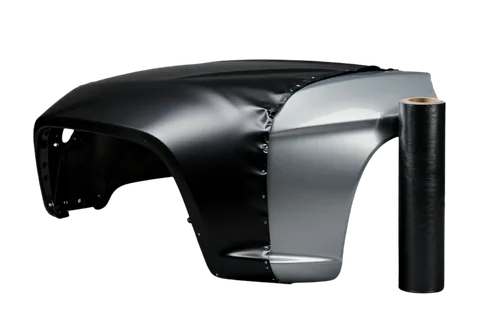
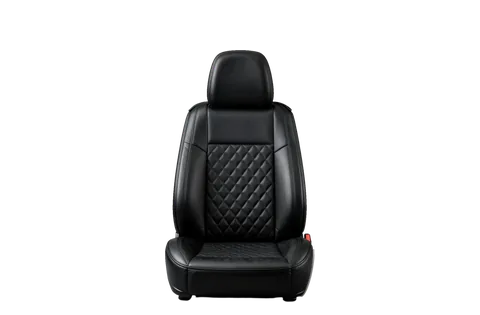
Interiors age differently: sometimes a deep clean is enough, and sometimes the upholstery already needs reupholstery. We break down three levels of intervention and the signs that tell you which one to choose.
Signs that it's time for restoration
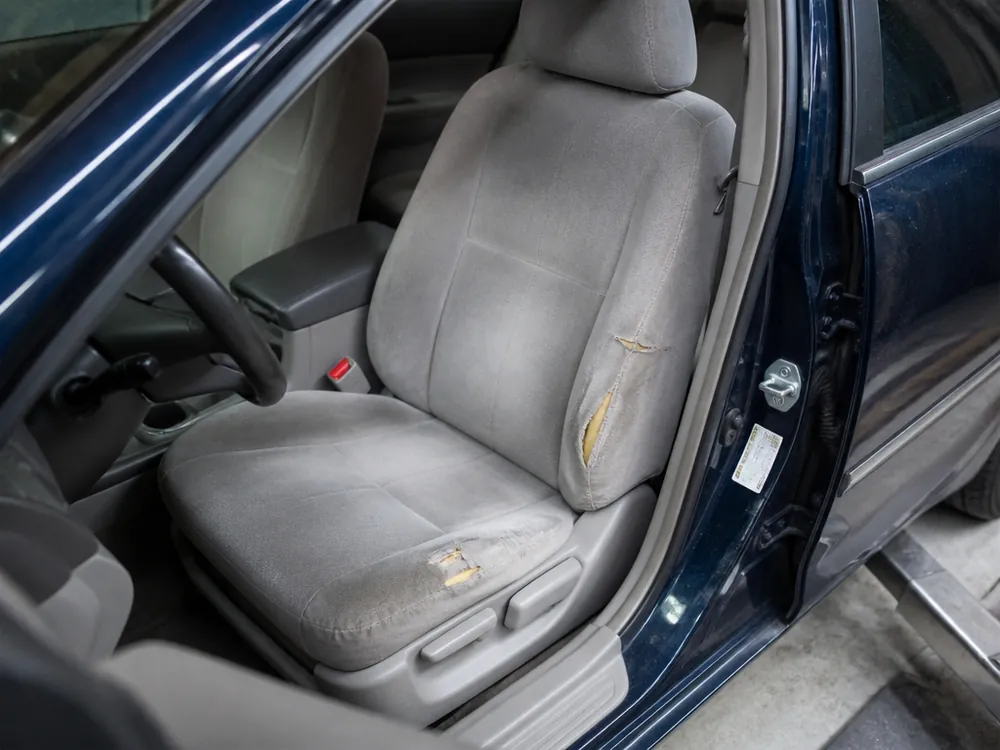
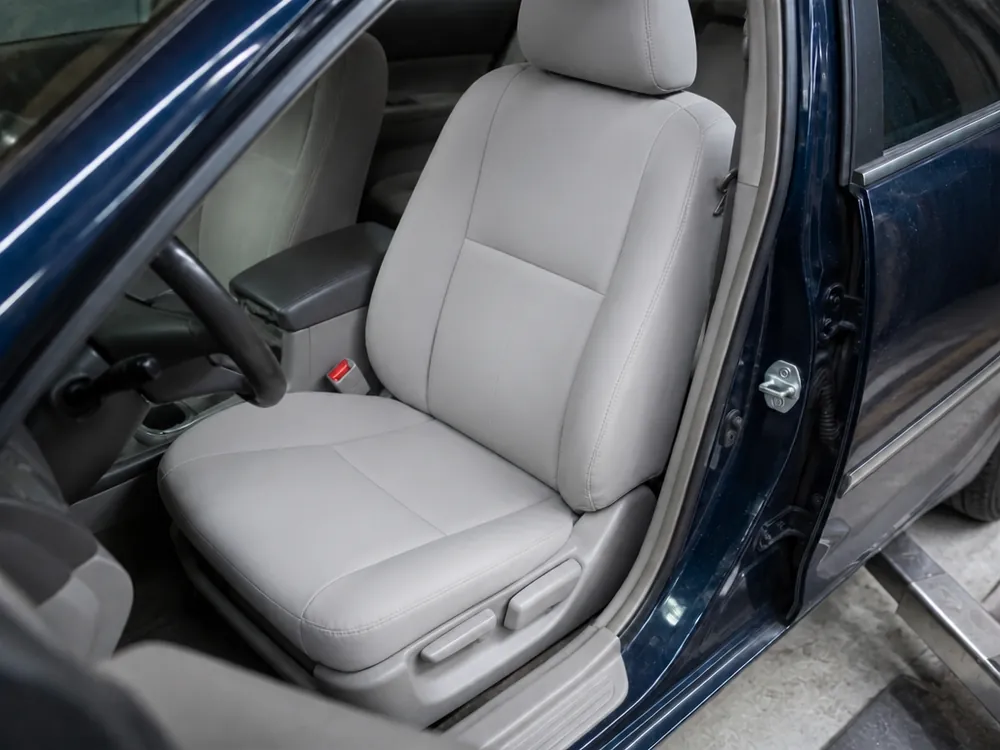
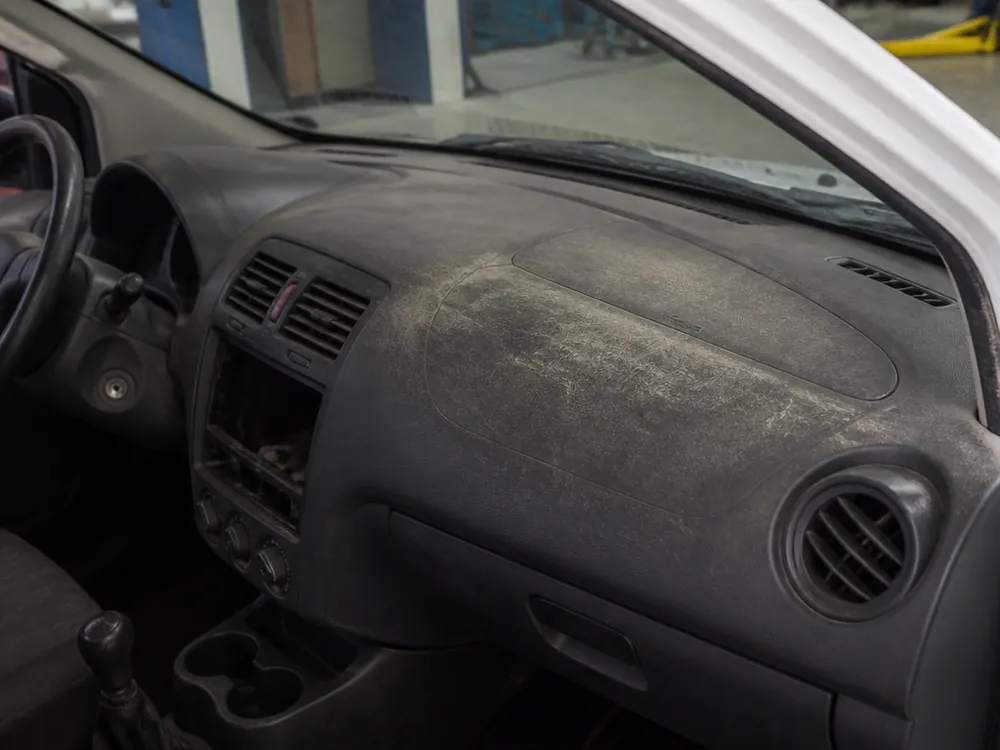
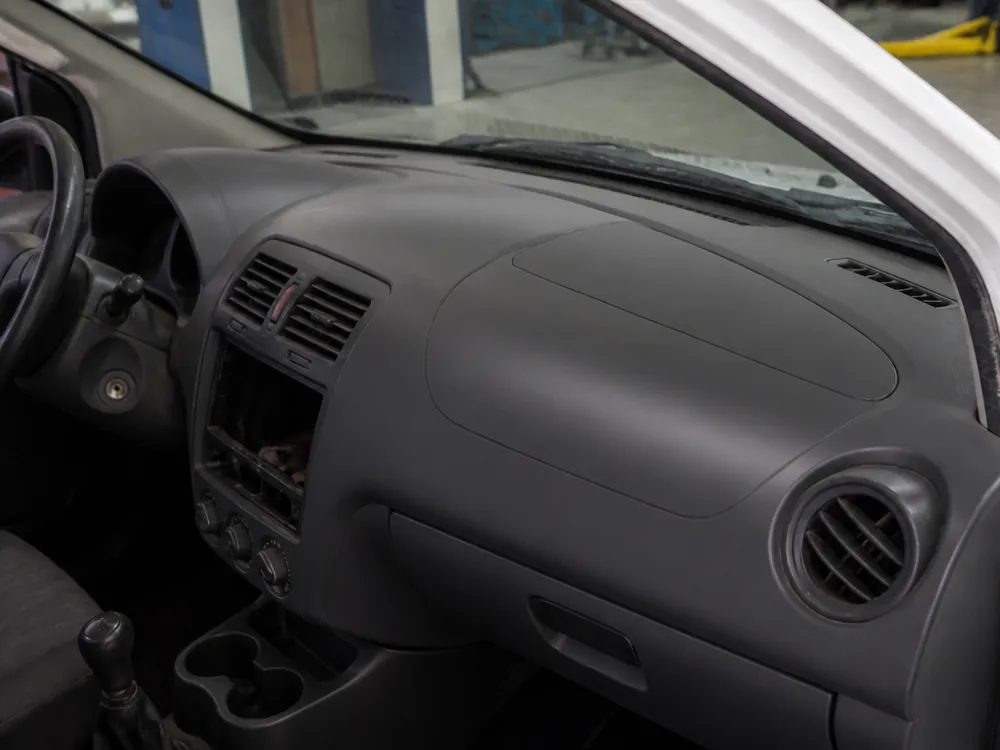
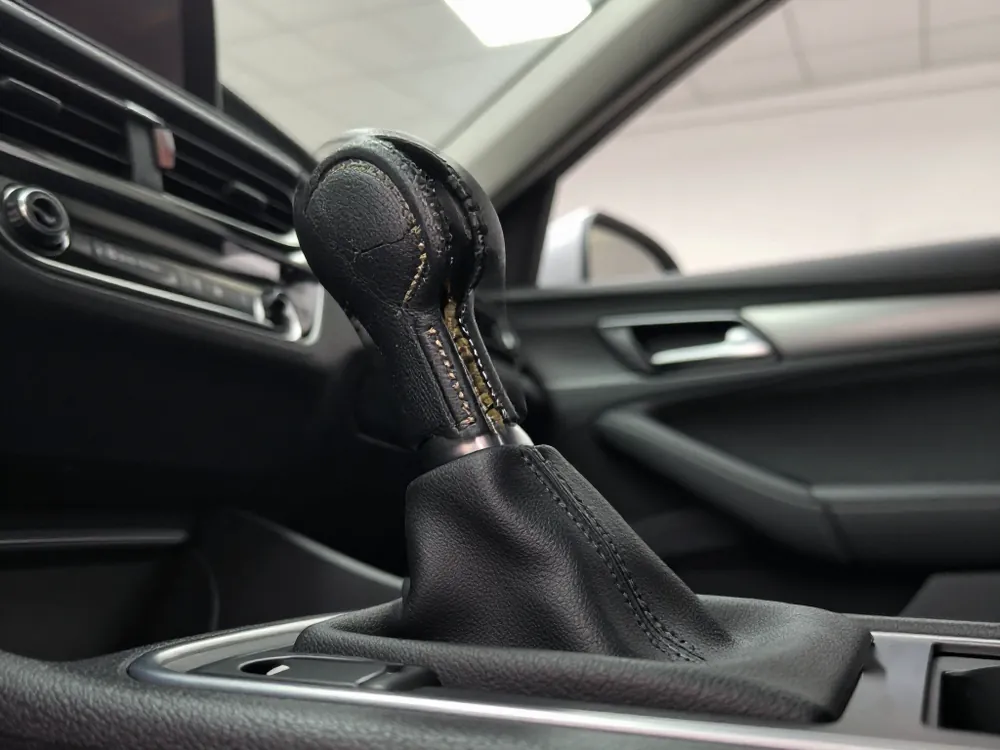
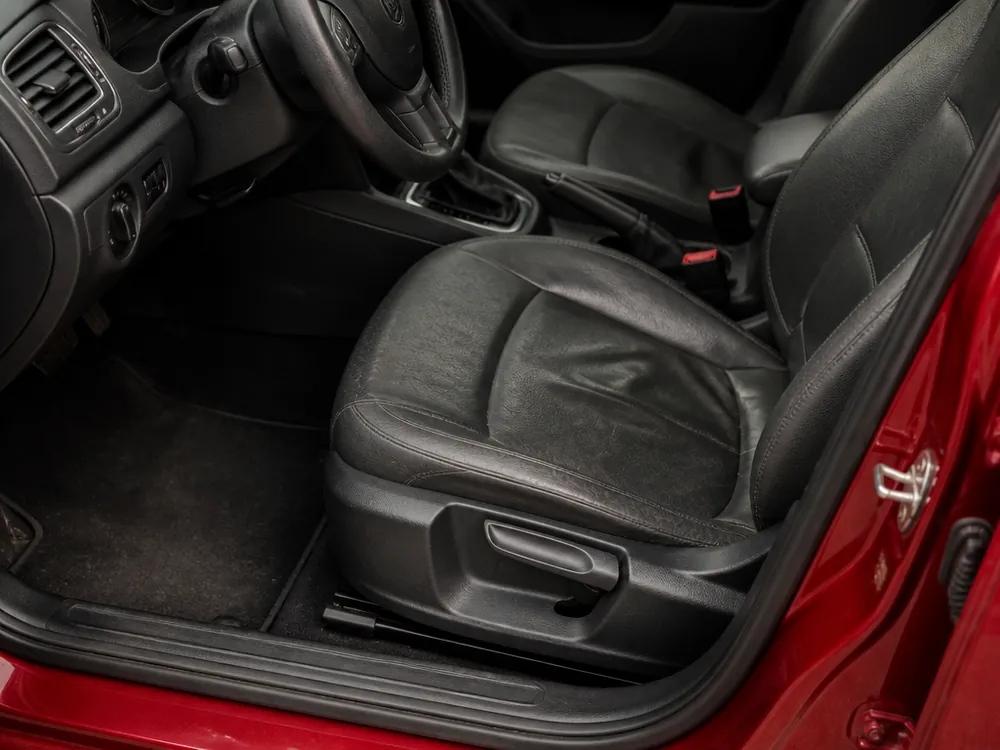
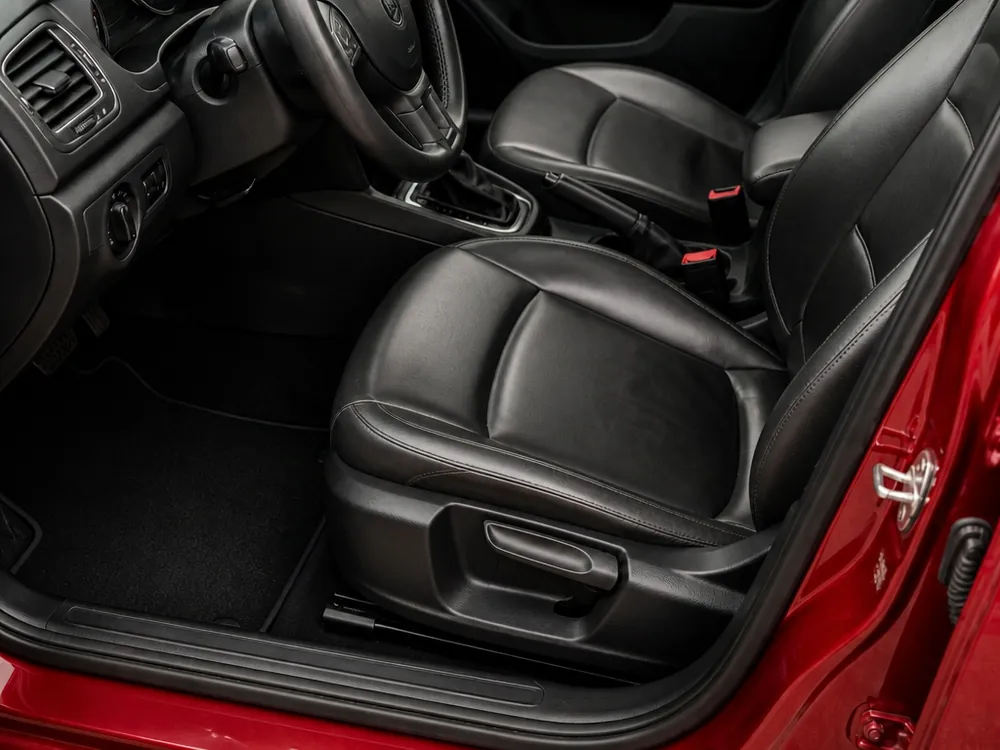
We look at steering wheel wear, dashboard cracks, creases on the seat bolsters, and seams coming apart — these are the first signs that cleaning is no longer enough. Dashboard restoration is needed when a network of cracks appears on the plastic and creases form near the windshield, and steering wheel reupholstery — when the wrap is worn down to the base and shines at the "ten and two" positions. Covers hide the defect but don't remove the cause: underneath, the fabric keeps wearing, and cracks on the front panel grow from the heat. Almaty summers with their day-night temperature swings speed this up — the plastic expands and contracts, and the tear spreads along the edge. During the inspection we show where the upholstery still holds and where it's already rippling, and we offer the scope based on the actual condition, not the size of the damage. In such cases, work starts with an honest assessment: some parts can be saved locally. If you need car interior restoration, Almaty sets its own conditions for materials and timelines, and we select them for the specific car.
Can you restore just one part
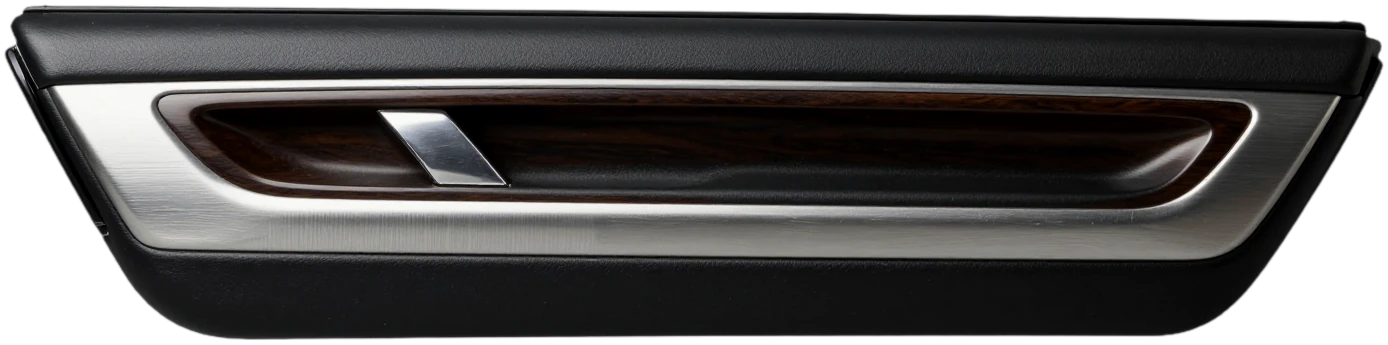
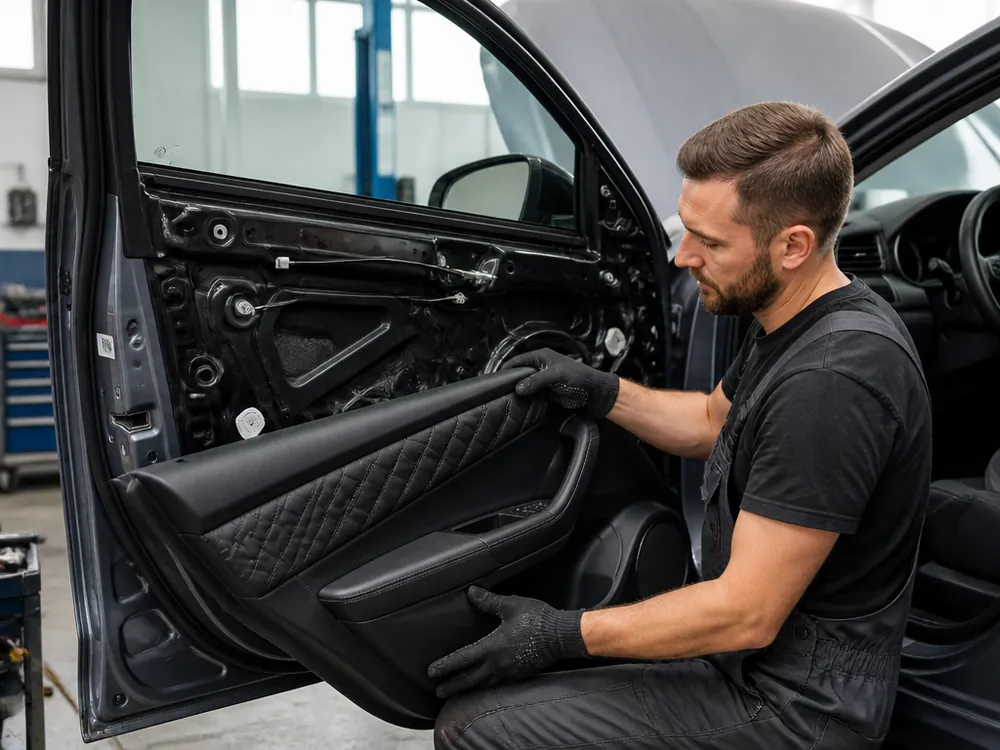
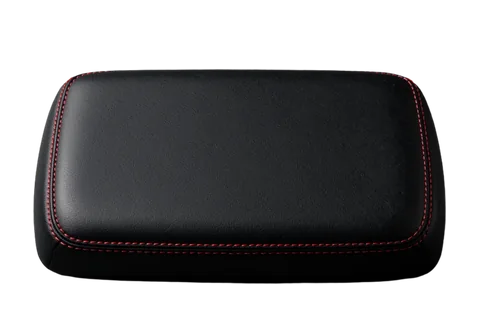
Yes, we also take on individual elements — a single door card, steering wheel, or dashboard — without full interior reupholstery. Door card replacement takes less time than a full job, and it's ordered when the other cards are intact but the driver's armrest is already worn. Local work makes sense when the rest of the upholstery is in good condition; if the material has faded unevenly, the new part will stand out in tone — we warn about this during the inspection and match the color using a sample from another card. Restoring the front panel separately from the seats also makes sense: the driver sees the cracks every day, while the seat upholstery may still be strong. Our job is not to push the full scope but to honestly say where there will be a result and where the defect will reappear in six months.
How car interior restoration is done
We show the path from inspection to pickup and explain how leather is restored without replacing the upholstery and why the seam is the main indicator of work quality.
Repairing a cut or burn without reupholstery
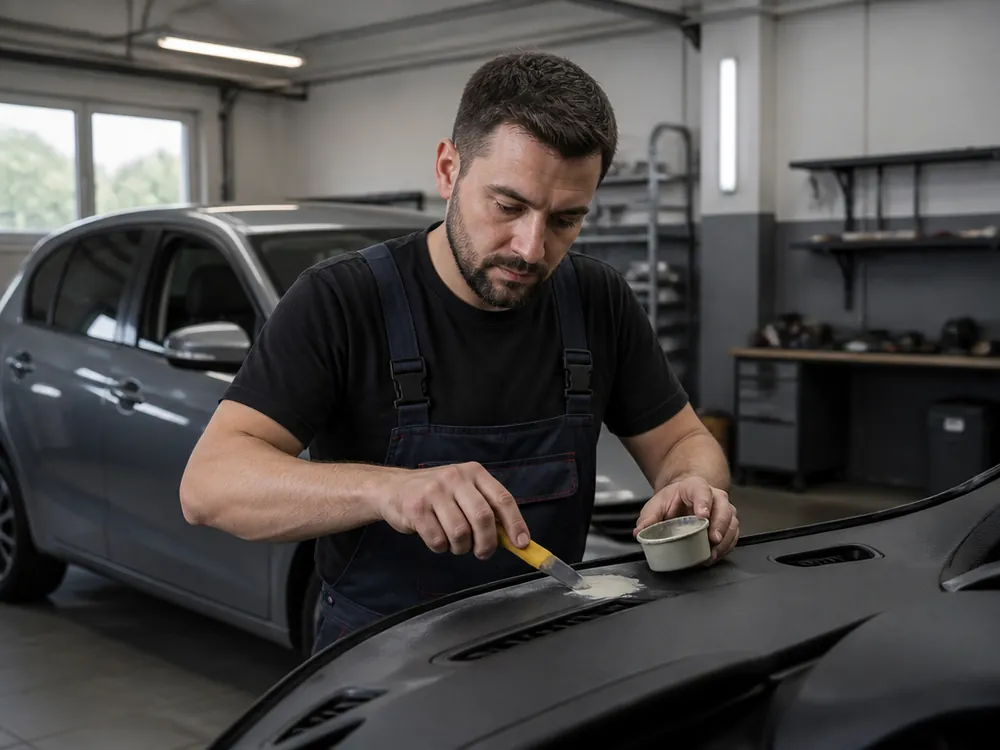
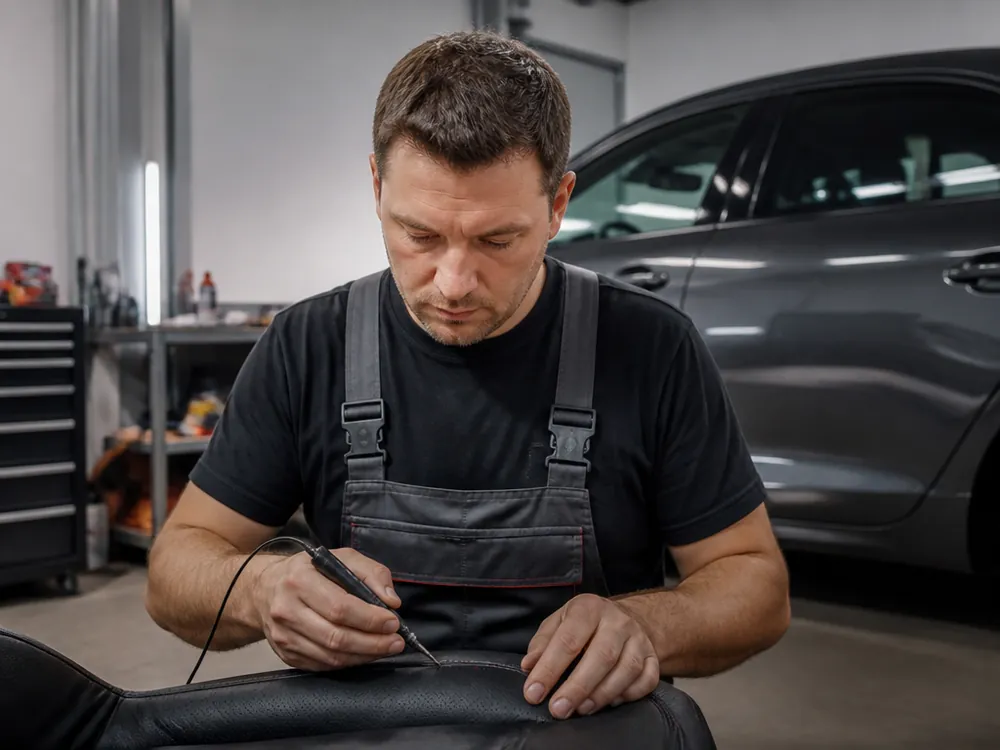
We repair cuts and burns with liquid leather in 3 layers with intermediate drying with a heat gun, without replacing the upholstery. First, the technician removes the frayed edges around the defect, degreases the area, and matches the shade using a sample from the adjacent panel — on faded leather, the color is matched by eye, not by catalog number. Liquid leather is applied in layers, each dried with a heat gun so the compound sets and doesn't run. Between layers, the texture is pressed with a matrix to match the original leather pattern; otherwise, the patch will look like a smooth spot. Three layers give a thickness that doesn't sink under a finger; a regular single-layer paint job eventually sags at the defect. That's why we check the area with a fingernail — if you feel a dip, we add a layer until it's fully level. On a small cut, the whole procedure is done while the client waits — the technician gives the exact time after inspecting the defect.
Steering wheel and headliner reupholstery and seam control
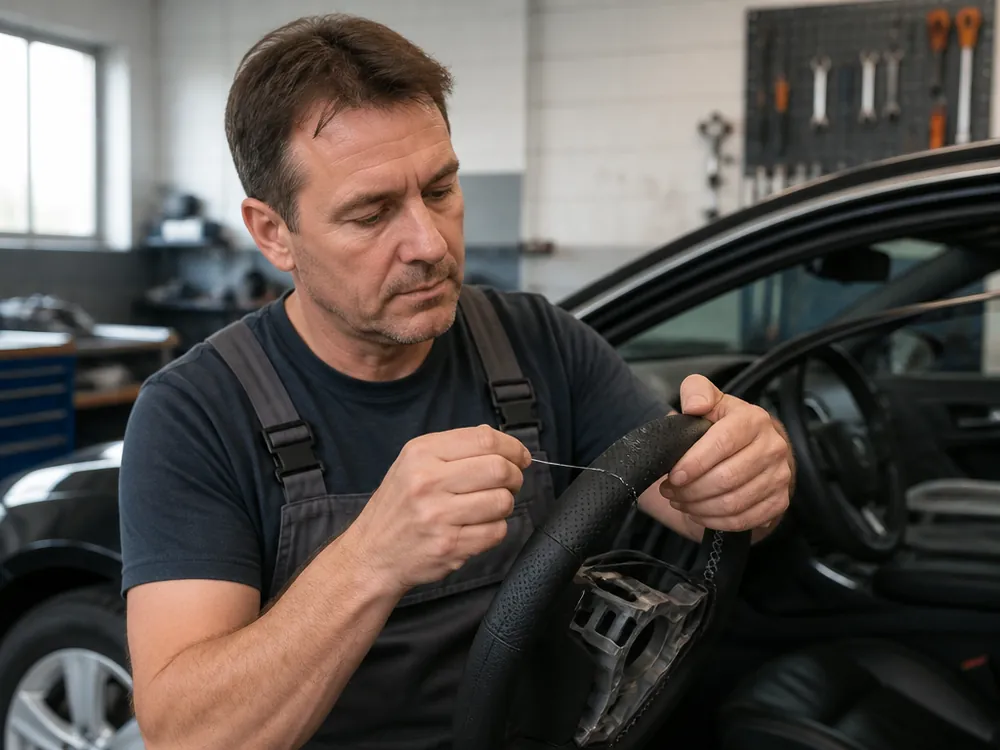
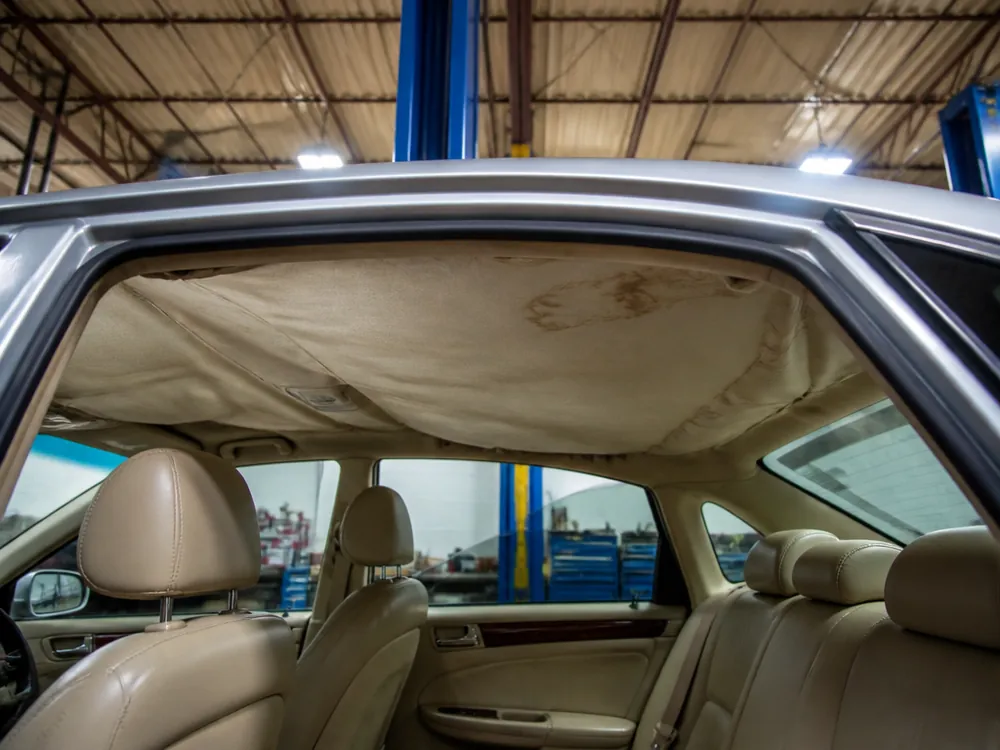
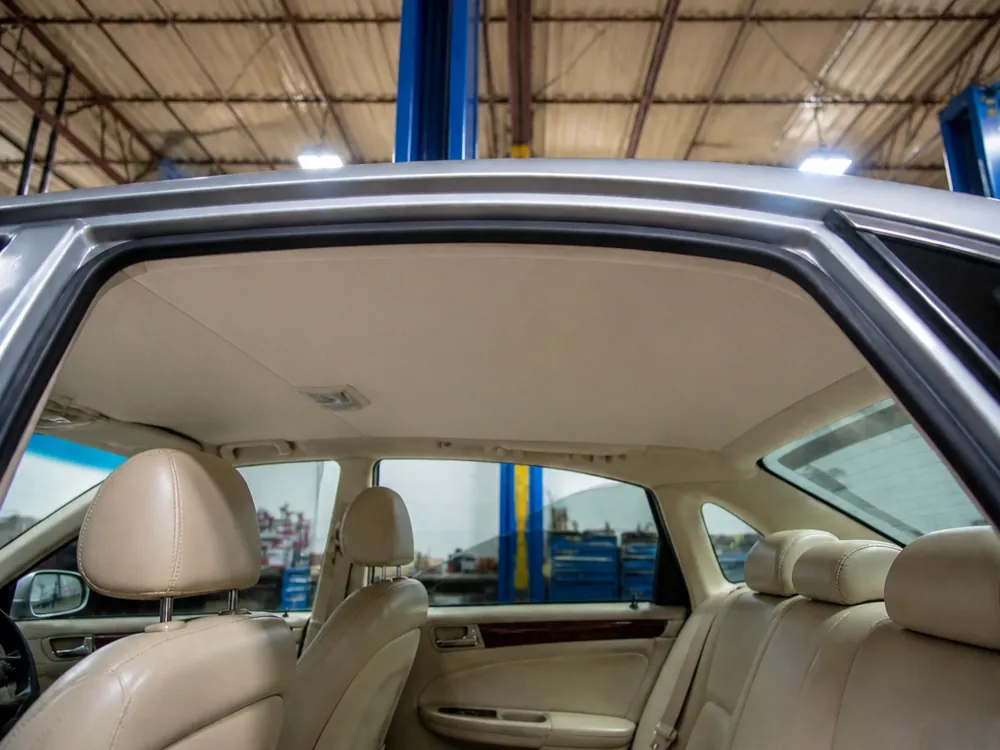
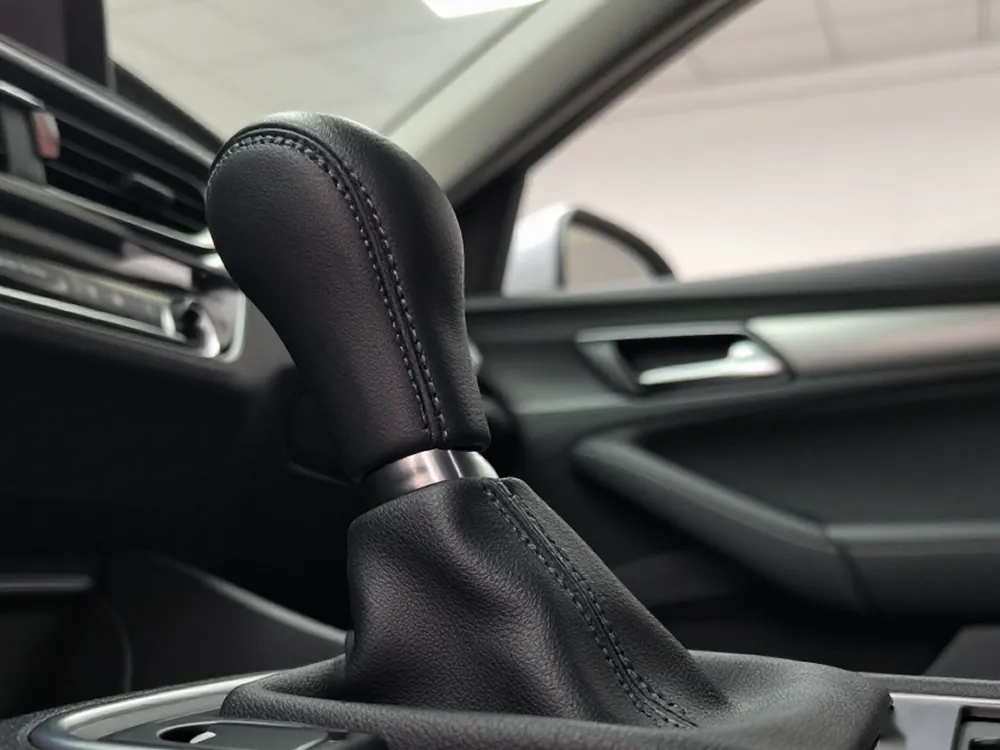
After we reupholster the headliner and steering wheel, we pull the seam by hand and check it in side light — any crease or gap gets fixed right away, and we don't hand back a car with a wave in it. On the steering wheel we check how it sits on the spokes and that the stitching is symmetrical to the center: even a slight skew shows when you're holding the rim. We inspect the headliner around the perimeter and around the grab handles — that's where the fabric is stretched the hardest, and it's at the handles that a wave most often appears after the first fitting. The seam is checked in side light because under overhead lighting a small wave isn't visible, and it only shows up later in the sun inside the cabin. If the material has shrunk unevenly, we redo the upholstery before handover, not after the owner points it out. The factory look comes down to three things: an even seam, a consistent stitch length, and the grain direction matching the original part.
What restoration with disassembly includes
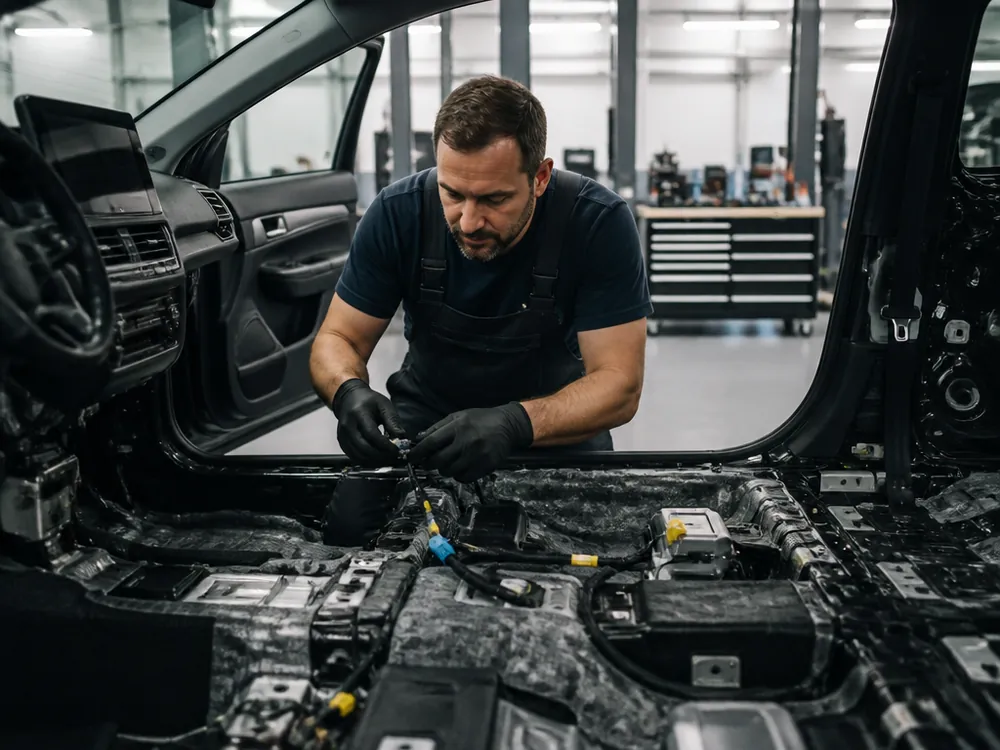
Restoration with disassembly means removing the interior parts, cleaning and degreasing, restoring or reupholstering, then reassembly and a wet clean. The work covers the dashboard, seats, door trim, steering wheel and headliner — each part is removed separately and put back after restoration. We disassemble not for the sake of extra work but to reach the edges of the upholstery and the seams: without removing the part, the restoration doesn't hold as well — you can't tuck the edge under the panel or glue it along its full length. That's also why we turn around a full reupholstery with detailing in two days — we're not waiting on parts from outside, the whole cycle happens in-house. At reassembly we check the fasteners and how the panels sit, and before handover the car goes on a test drive: a stray squeak or a trim piece that didn't seat tightly shows up on the first bump.
Timelines and warranty for car interior restoration
Timelines and warranty are what people usually compare shops by. Below we give concrete numbers and limits: which work the car interior restoration warranty covers and which it doesn't.
How long a full reupholstery with detailing takes
A full interior reupholstery with detailing takes us two days, not a week. We can hold that timeline because we're not waiting on parts from outside: the upholstery, headliner and steering wheel are done in-house, and the detailing of the seats and the whole interior is scheduled into the same timeline. If the client brings their own materials, the timeline depends on when they arrive at the shop — in that case the two days count from the moment the material is with us. In our experience, most interiors come in before a sale, when the look needs to come back fast — and the two-day cycle handles that without rushing at the expense of the seams. Plan to drop the car off in the morning: the service advisor has time to do the inspection, agree on the scope and start the work the same day instead of pushing the start to the next day.
What the 12-month warranty covers
warranty limits for interior work| Covers | Does not cover |
|---|
| Work performed on the reupholstery | An accident after the repair |
|---|
| Parts installed | Interference by third parties |
|---|
| Seams and stitching on our work | Normal wear of consumables |
|---|
| Repairing cuts with liquid leather | A part brought in by the client |
|---|
| Free diagnosis of a warranty case | — |
|---|
What counts as a warranty case on a seam
If a seam comes apart on our work, we resew it under warranty at no charge. Before reupholstering the headliner and steering wheel, the technician pulls the seam by hand and checks it in side light — any crease or gap gets fixed right away, and we don't hand back a car with a wave in it. The warranty does not cover an accident after the repair, interference by third parties, normal wear of consumables, or a part brought in by the client: if the material is yours, we'll look into complaints about how it behaves, but the resewing follows the terms of the work order. Diagnosis of a warranty case is free — first we find the cause, then we decide whether it's a paid repair or ours. An honest limit matters more than a long term on paper: the client sees up front what we're responsible for and what we're not.
What happens to the electronics after car interior restoration
Disassembling the interior scares owners mostly because of the electronics: it seems like after the seats and trim come off, the seat heating will stop working or an airbag error will light up. Here's how we check these components.
Checking heating and ventilation after reassembly
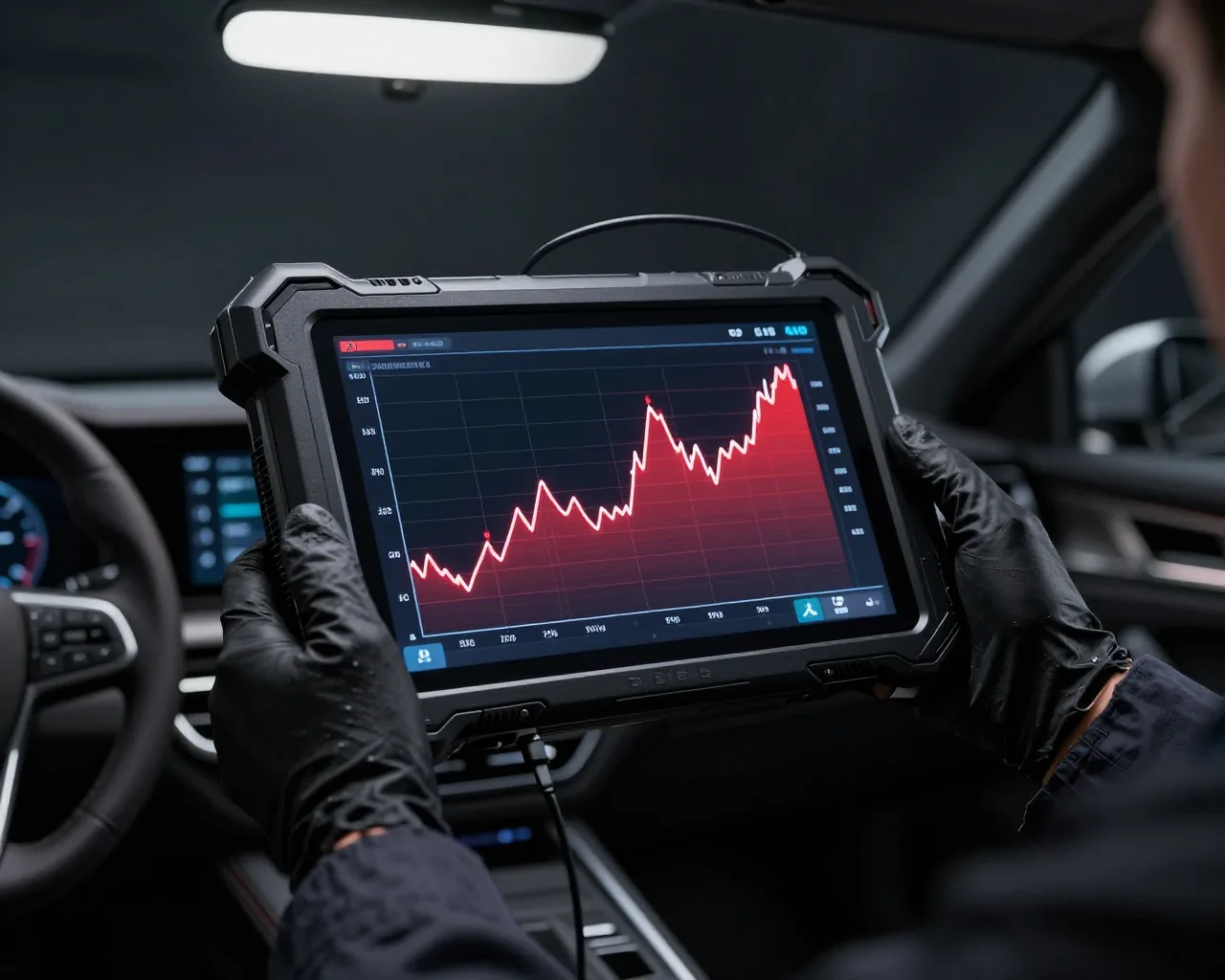
Once the interior is reassembled, we check the seat heating and ventilation with dealer scanners for 40+ makes — the same ones we use for engine and electrical diagnostics. First the technician tests the connectors that were unplugged when the trim came off, then hooks up the scanner and reads the comfort module: it shows the resistance of the heating elements, the operation of the blower fans and the fault codes for each seat. We repeat the check before detailing and again after it — moisture and cleaning solution must not get into the connector. Electronics are checked with a scanner, not by eye, because a break in the heating circuit isn't always obvious right away: the element heats weaker, and the error only shows up in winter, when you really need the seat. We test the heating elements and blower motors on each seat separately — that way you can see which one lost contact when the trim came off.
What happens to the airbags
Airbags are not touched during reupholstery: we don't open the modules or touch the squibs, and we remove the trim so as not to disturb the wiring and harnesses. Before handover, the service advisor takes the car on a test drive and makes sure there's no SRS warning light on the dash and the connectors under the seats are clicked in until they lock. The test drive is there to catch an assembly error on the move — a strange sound in the seat or a wrongly connected plug only shows up while driving; standing still, the car sits level and quiet. Every connector that was unplugged during disassembly is marked by the technician and returned to its place — that way we rule out swapped plugs under the seats. If the SRS light comes on after the reupholstery, don't put off the visit: the scanner will pinpoint the specific sensor or connector in a couple of minutes.
Materials and care after car interior restoration in Almaty
The heat and UV in the southern capital speed up upholstery wear: genuine hide stiffens, fabric fades, seams come apart. Here's which material holds up better, whether you can bring your own, and how to care for the interior after the work.
Leather, synthetic leather or Alcantara in the heat
comparing upholstery materials for heat and care| Material | Behavior in heat | Care specifics |
|---|
| Genuine leather | Softer to the touch, stretches, darkens in the sun | Nourishing cream as it dries out |
|---|
| Synthetic leather | Holds color more steadily, stretches less | Wipe with a soft cloth, no alcohol |
|---|
| Alcantara | Pleasant to the touch, collects dust | Dry brush cleaning, doesn't like moisture |
|---|
| Liquid leather | Fills the cut, doesn't sink under your finger | Polish after it's fully dry |
|---|
Can I bring my own materials
We accept customer materials for upholstery — OEM, aftermarket, or your own, the customer decides. The service advisor inspects the fabric or cloth before work starts and tells you whether it will suit a specific part: thin knit won't stretch over a steering wheel without wrinkles, and dense cloth will need warming before fitting. The warranty on the work still applies, but it doesn't cover the material you bring yourself — worth keeping in mind if the fabric or upholstery comes from outside. In our experience, buying on the side saves time but adds the risk of a shade mismatch with the rest of the trim, so it's best to hold the sample against the neighboring part in daylight before cutting. If the shade is questionable, the technician will show it in side light — that way the difference shows up before the part is cut.
Caring for the interior after restoration
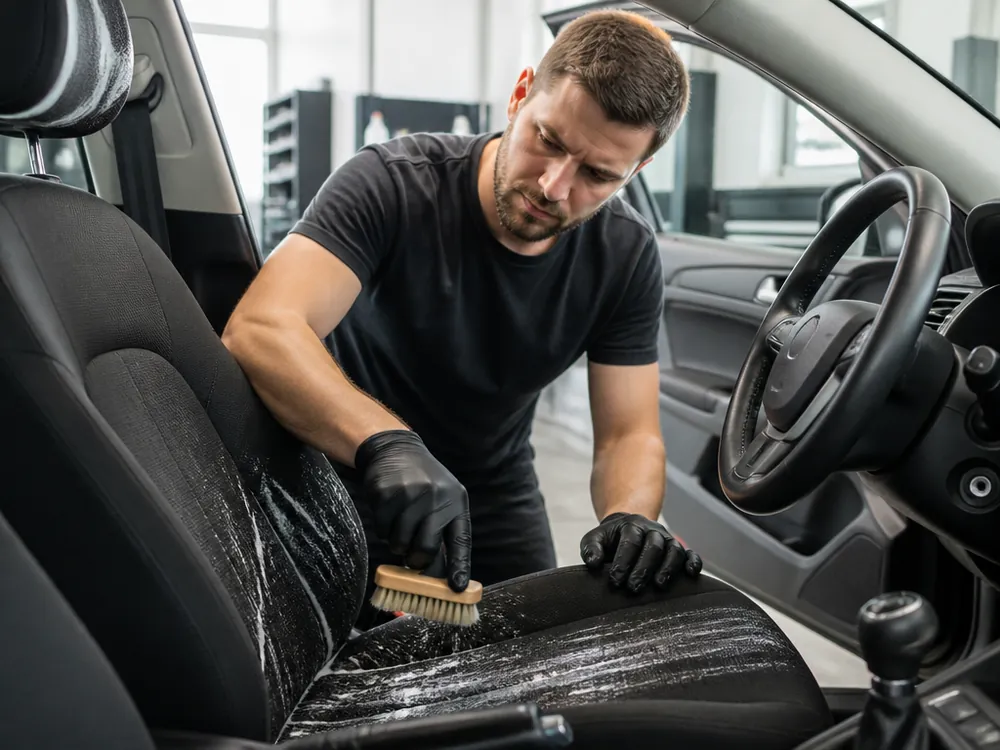
Car interior restoration doesn't end when you pick up the car — how long the result lasts depends on care. A re-trimmed steering wheel and upholstery just need a wipe with a soft cloth, and don't leave the car in direct sun for long. The shine on a steering wheel comes from skin oil and sweat, not the material — regular gentle cleaning removes it before it soaks into the seam. Our shop has been working in Almaty for twelve years, and based on our technicians' experience, the trim lasts longer for those who park in the shade and once a month go over the panel with a slightly damp microfiber cloth without harsh chemicals. A full interior detailing after re-trimming only needs doing as it gets dirty, and liquid leather on the dashboard shouldn't be scrubbed with a brush — three coats hold the color, but an abrasive takes off the top layer.
Interior restoration: repair or full re-trim
Interior restoration is a decision based on the condition of the parts, not the mileage: sometimes a local repair is enough, and sometimes a full re-trim is needed.
- Scope of work: judge by the depth of the damage — a cut or burn is treated with liquid leather, while worn and sagging covering needs a re-trim with disassembly.
- Timing: a full re-trim with detailing fits into two days — materials and hardware are in stock and don't wait on delivery.
- Quality control: the seam on the headliner and steering wheel is checked by hand and in side light — any wave is fixed before handover, not after the owner points it out.
- Warranty: interior restoration comes with a 12-month warranty; the term and conditions are recorded in the work order and the handover report.
- Care: restored leather and eco-leather need gentle products without alcohol or abrasives, otherwise the finish loses color faster.