Electricals rarely fail all at once. First come the small glitches: lights dim, the starter turns sluggishly, a warning light blinks on the dashboard. These signs already tell you which system to look at.
Battery Drains Overnight
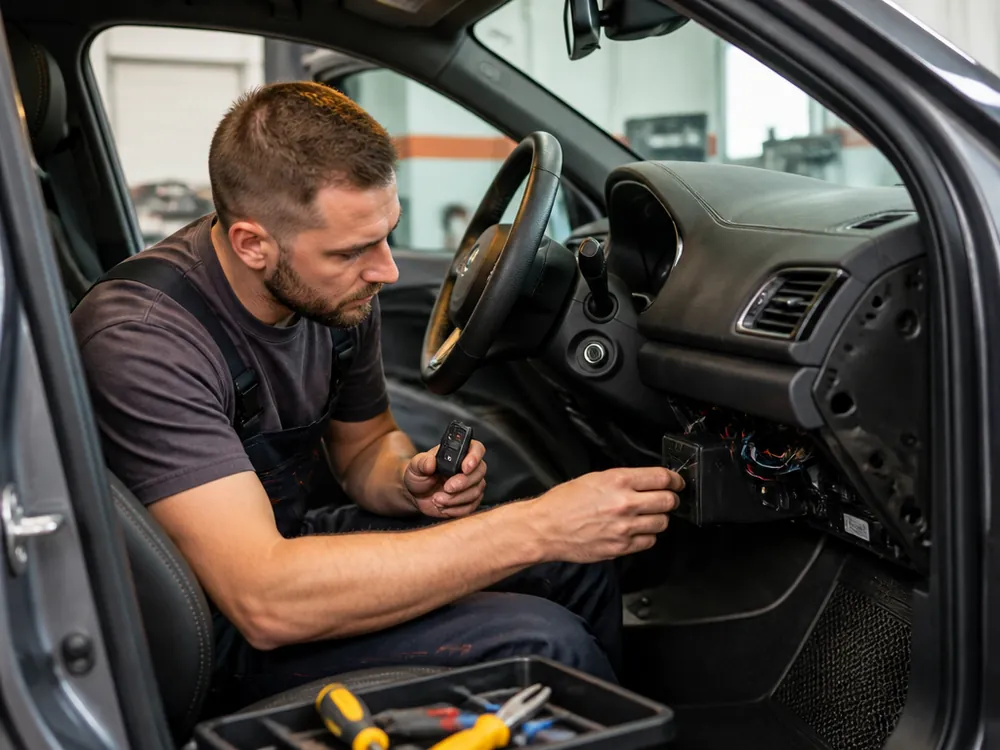
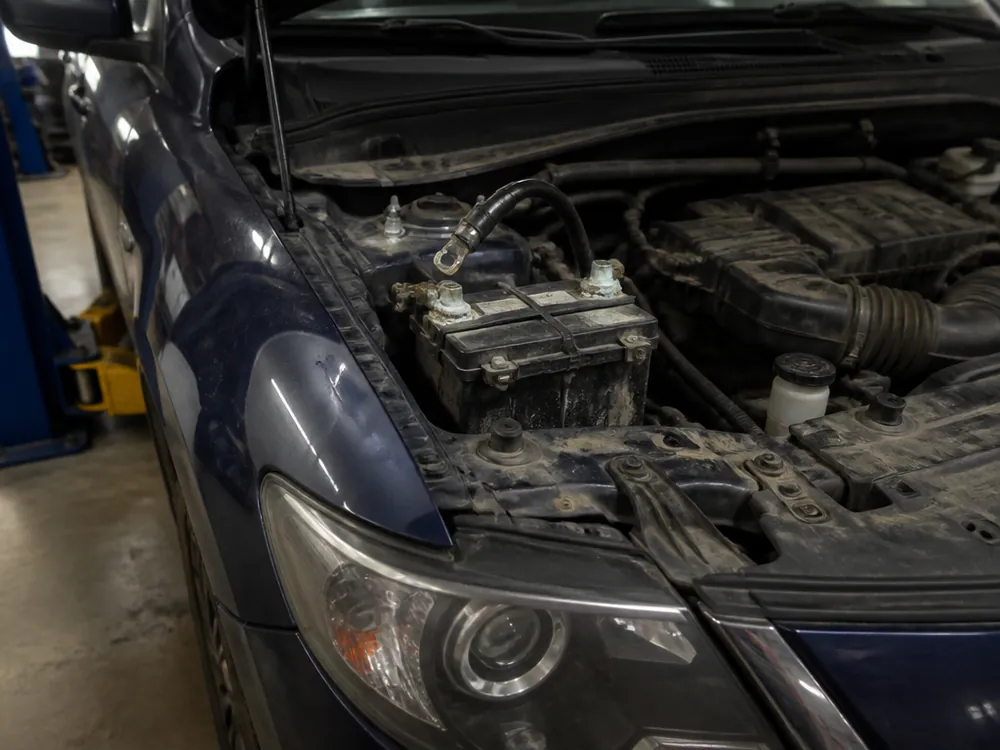
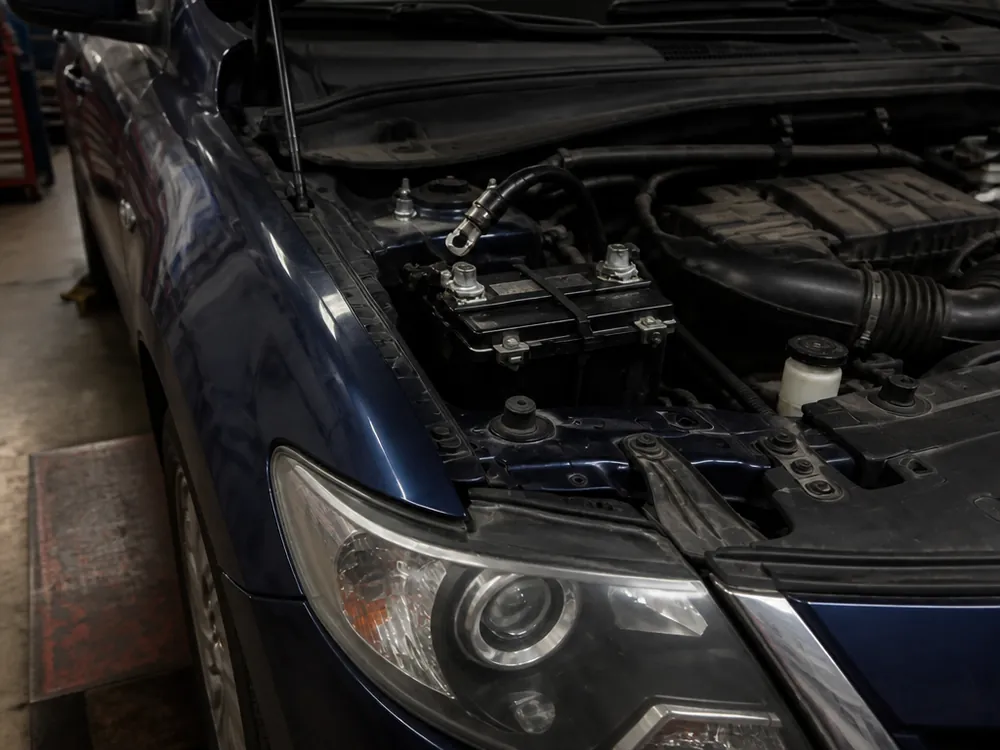
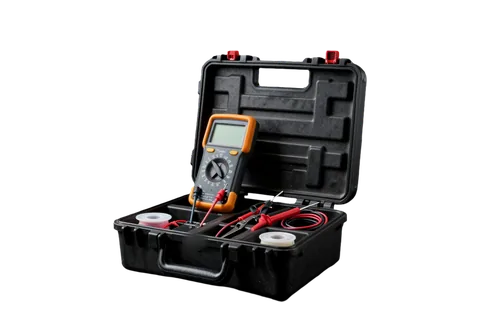
If a healthy battery drains while parked, it's almost always a current leak: some circuit doesn't go to sleep after the ignition is off. The source can be an aftermarket alarm, a dash cam wired directly, a stuck relay or a corroded connector through which current leaks to ground. An auto electrician in Almaty finds the leak by measuring parasitic draw with a multimeter and disconnecting circuits one by one until the readings drop to normal. The job takes patience: some modules don't go to sleep right away, and a measurement on a car that was just shut off will show a false picture. We come to the car with tools and a multimeter, so the leak can often be found on site. Before calling, it helps to recall what was installed on the car in recent months — that noticeably shortens the search. If the drain appeared after winter or a long park, we also check the battery itself: an old battery loses charge with no leak at all.
What Not to Do Before Diagnostics
- A higher-rated fuse: it doesn't fix the short, it shifts the load onto the wires, and the harness insulation starts to melt.
- Driving with the charging light on: the car runs on the battery's reserve, and a deep discharge shortens its life and can leave you stranded mid-road.
- Repeated jump starts: if the engine won't start after a few tries, further attempts only drain the battery and overheat the starter.
- Twisted wires and electrical tape: a temporary connection corrodes and later causes intermittent faults that take longer to find than the original break.
- Clearing errors for no reason: wiping the module's memory doesn't fix the fault but erases the clues that would have helped in the search.
How an auto electrician's work begins
Good electrical repair is two-thirds finding the cause. Replacing a part without checking the circuit often changes nothing: the symptom stays, and the owner pays for a perfectly good component.
Scanner and circuit checks together
Our auto electrical diagnostics has two parts: computer and hands-on. First we hook up a scanner — the shop has dealer-level scanners for 40+ makes, so we see not only generic codes but the parameters of specific modules, how they talk to each other, and live sensor readings. The scanner tells us which module noticed the fault and when. Then the multimeter comes out: we check power, ground and the signal wire of the circuit the module flagged. Only that combination gives you a cause, not a guess. After that we show you the list of work and parts and quote the price before repair starts, so the decision is yours. If the fault is intermittent and only shows up while driving, we ask you to describe when it happens: in the rain, when cold, over bumps.
Why an error code is not a diagnosis yet
An error code tells you one thing only: the control module didn't get a normal signal. It has no idea why. A crankshaft sensor error can mean the sensor itself, a chafed wire to it, a corroded connector or a bad engine ground. That's why we replace a sensor only after checking its power, ground and signal wire: on a healthy circuit and a confirmed failure. This order saves you from the classic situation where the owner buys a new part and the error comes back the next day. The opposite happens too: several different errors in different modules caused by one common issue, like a weak ground contact. Tracking that down takes less time than replacing three sensors in a row. We hand back the old parts after replacement so you can see exactly what was changed.
What we check first
- Battery voltage: we measure it with the engine off and at rpm to see the condition of the battery and charging right away.
- Grounds and terminals: a corroded ground causes the strangest faults, from flickering gauges to false errors in several modules.
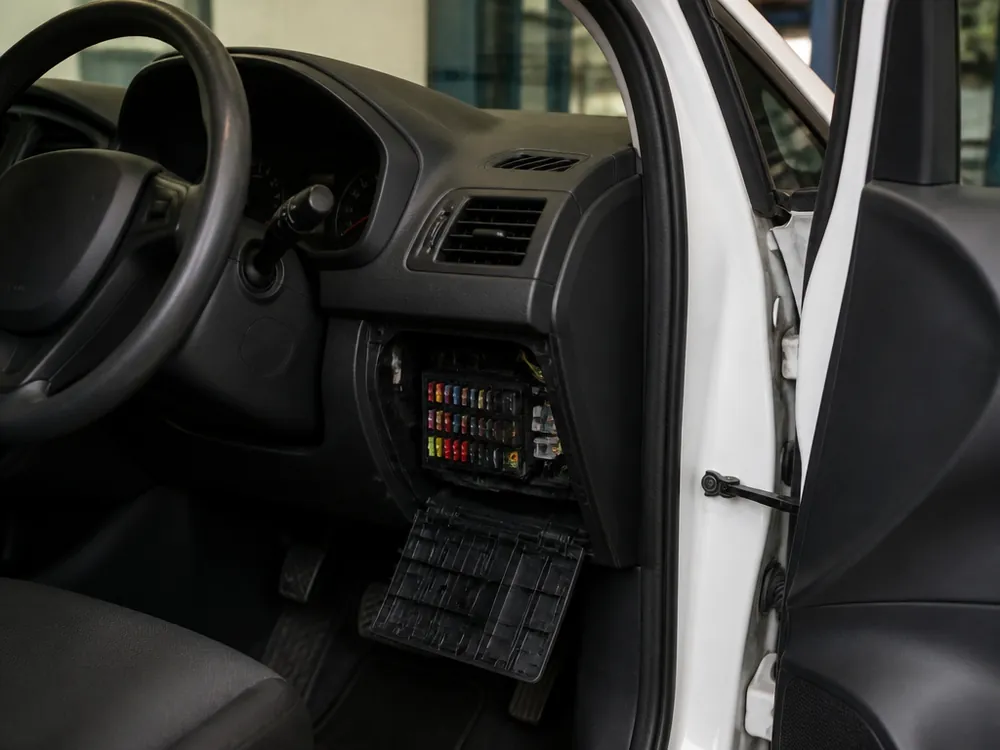
- Fuses and relays: we check not only whether the element is intact but also the contact in the socket, which loosens over time.
- Connectors on the problem circuit: we look for green corrosion, burnt contacts and traces of water, especially under the hood and by the sills.
- Signs of previous work: twisted splices, taps and extra wires often point to the source of the fault faster than a scanner.
Alternator, starter and battery in one circuit
The three power and starting components work as a team, so one failing is easily mistaken for another breaking down. Measurements, not swapping parts one by one, are what sort it out.
Alternator or battery
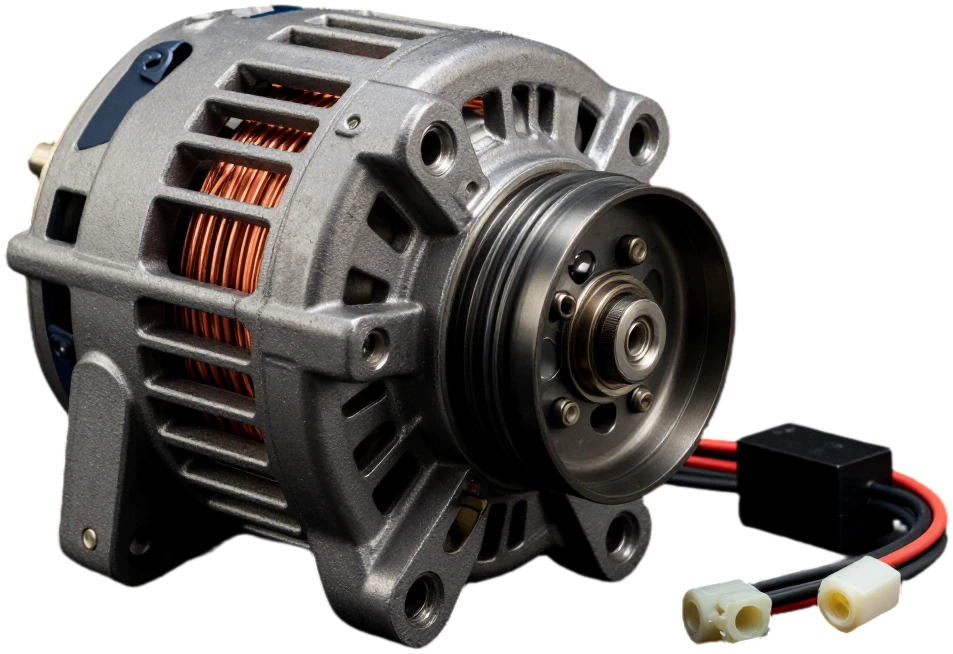
Two voltage readings tell a weak battery apart from a faulty alternator: with the engine off and with it running. If the battery rests low but voltage rises to normal at rpm, the alternator is most likely fine and the battery is at the end of its life. If voltage barely rises with the engine running or jumps when you switch on the lights and heater, the problem is in the alternator: brushes, voltage regulator, diode bridge or belt. The order of repair matters too. A new battery on a car with a sick alternator will drain again quickly, and a healthy alternator won't save a battery with a shorted cell. So we check both first and only then decide what to replace. A belt squeal when cold is worth mentioning to the technician too: a slipping belt undercharges, and the battery gradually runs in a constant state of undercharge.
Starter, relay and ground
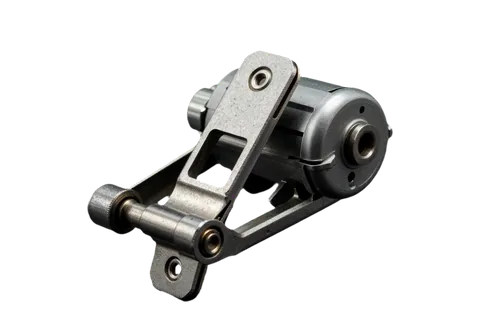
When the starter clicks but doesn't crank, the cause is often not the starter itself but the solenoid, the terminals or the engine ground. A corroded battery terminal gives the same symptoms as a worn unit: enough voltage for a click, not enough for rotation. We start by measuring voltage drop during cranking — it shows where current is lost: in the wires, the contacts or inside the starter. If the unit is at fault, we remove and strip it: check the solenoid, the drive gear, the brushes and the commutator. After repair we test starting under load and at idle, re-torque the connections and check they're secure. Slow cranking in winter doesn't always mean the starter: thick oil and a weak battery in freezing weather give the same picture, and the measurements show it.
Repair the unit or replace it
signs for repairing vs. replacing power components| Component | When we repair | When we replace |
|---|
| Alternator | Worn brushes, regulator, bearing | Burnt winding, cracked housing |
|---|
| Starter | Solenoid, drive gear, brushes | Damaged armature or housing |
|---|
| Battery | Corroded terminals, undercharging | Lost capacity, shorted cell |
|---|
| Relays and fuses | Loose contact in the socket | Burnt element, stuck relay |
|---|
| Alternator belt | Lost tension | Cracks, separation, squeal after tensioning |
|---|
Wiring, sensors and control modules
Wires and connectors age quietly. Insulation cracks, contacts corrode, and the fault shows up in one circuit, then another, leaving the owner confused.
Where wiring gets damaged most often
- The boot between body and door: wires flex every time the door opens, and over time the strands break, so the window regulator, lock or mirror stops working.
- Connectors under the hood: moisture, dirt and temperature swings corrode contacts, especially on sensors and lights mounted low.
- Places of aftermarket installation: taps for an alarm, dash cam or stereo without soldering heat up over time and cause intermittent faults.
- Harnesses after an accident and body repair: wires may have been pinched, torn or sloppily reassembled when body parts were replaced.
- Grounds on the body and engine: rust under a ground bolt worsens contact and causes errors in several systems at once.
How we restore a harness
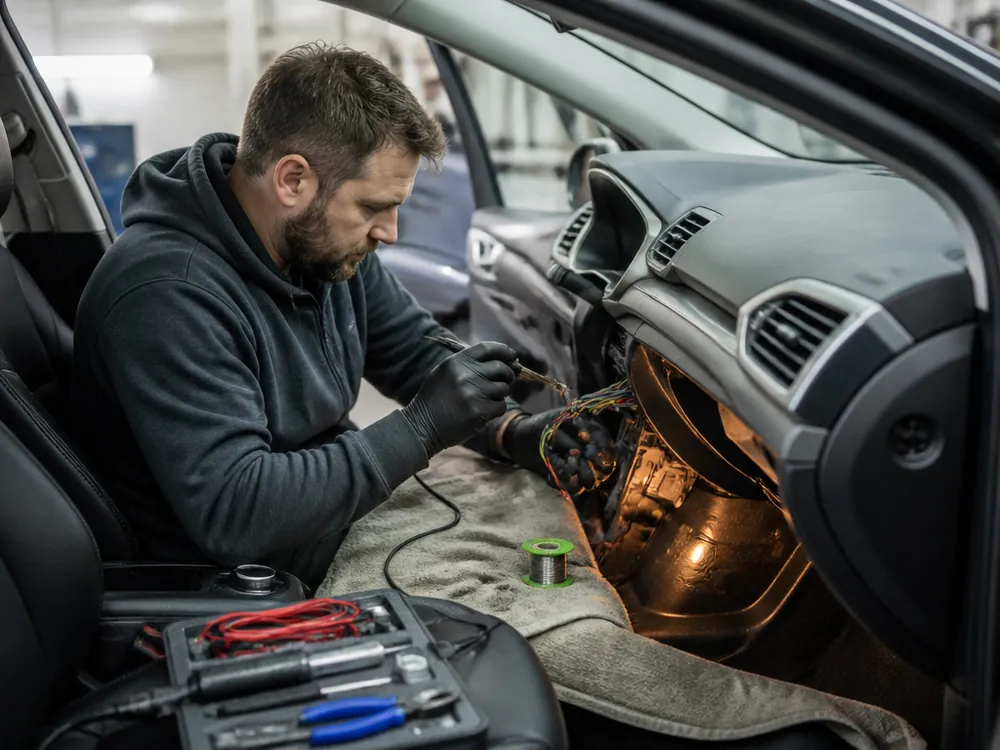
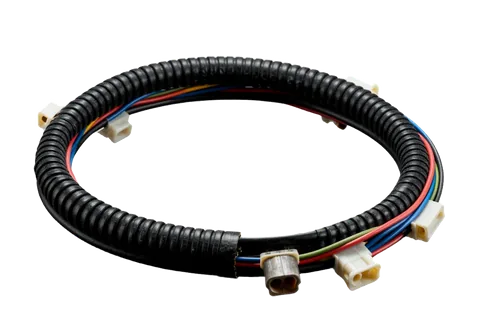
We try to keep car electrical repair local: find the damaged section and restore it rather than replace the whole harness. We locate the break by continuity testing against the diagram, open the loom only where needed, and keep the factory wiring layout without extra taps. Damaged strands are replaced with wire of the same gauge, joints are soldered and sealed with heat shrink, then the harness goes back into its conduit or braid and is secured in the factory mounts. A twist under tape looks faster, but it corrodes over time and loses contact again, so we don't use it. If the harness is damaged along its whole length or the insulation is crumbling from age, we tell you honestly that a local repair won't work and offer to replace the section. After the work we test the circuit under load and show you the result.
Sensors and control modules
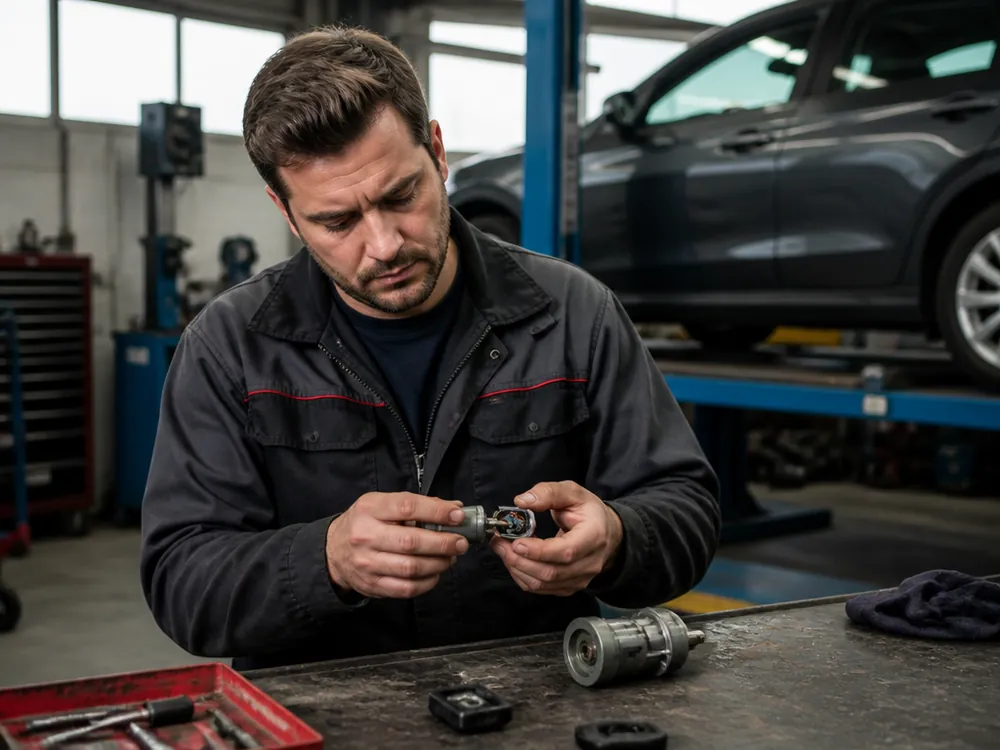
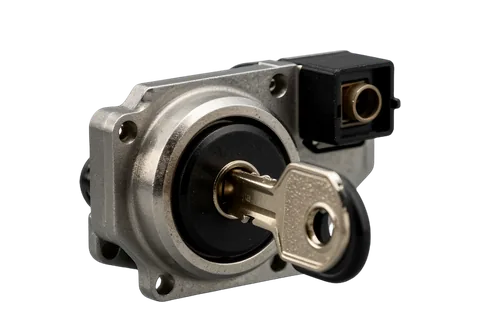
We replace a sensor or control module only when testing the circuit confirms the part itself is faulty. ABS, crankshaft position, or mass airflow sensors often fail not from wear but from a corroded connector and damaged wire, and they keep working after the circuit is repaired. If the part does need replacing, you choose the option: OEM, aftermarket, or your own part. Control modules need extra care: before replacing, we check power and grounds, otherwise the new module can fail for the same reason. The immobilizer and interconnected modules often need to be configured after replacement, otherwise the car won't start or will throw communication errors. This work is done by a specialist in electrical and electronic systems, and after the repair a scanner confirms the system is back to normal and there are no errors in the module memory.
Aftermarket Equipment Without Harming the Factory Electrical System
An alarm, camera, or dash cam adds load and new connections to the car. The quality of the install determines whether glitches and a dead battery while parked show up a month later.
How We Connect Equipment to the Factory Wiring
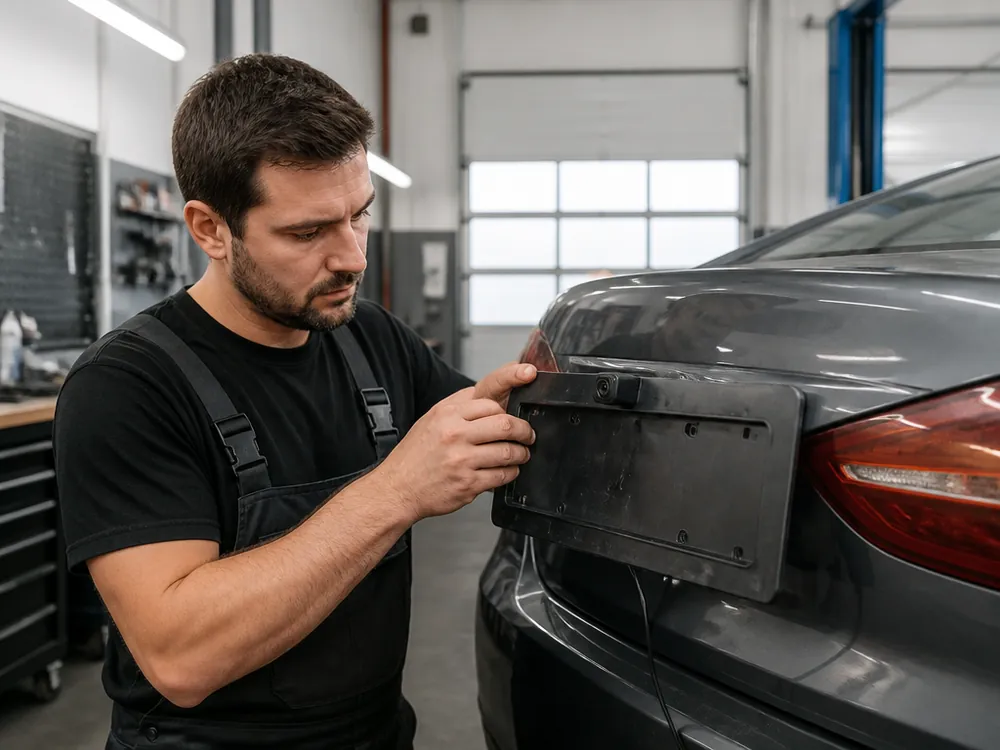
An auto electrician in Almaty who installs equipment is also responsible for making sure the factory electrics work as before after the install. We connect remote-start alarms, cameras, parking sensors, and dash cams to the factory wiring according to the specific car's diagram: we pick the right power points, put a separate fuse on each device, and solder and insulate every connection. We route the wires under the trim and secure them so they don't rub through or rattle. Installing an alarm with engine immobilizer and sensors takes 6–8 hours, and rushing here does harm. After installation we measure the parasitic draw: the new device must not drain the battery while the car is parked. If the car already has someone else's equipment, we check its wiring first — old splices are often the cause of future problems.
What to Check After the Install
- Parasitic draw: ask whether it was measured after installation — it's the main sign the equipment won't drain the battery.
- Camera and parking sensors: we calibrate the camera's viewing angle against the markings and check the sensor zones so there are no blind spots or false beeps.
- Factory functions: check the lights, power windows, central locking, and gauges — after a proper install everything works as before.
- Wiring under the trim: wires don't hang loose, don't get in the way of the pedals, and aren't pinched by panels, and the connectors are secured.
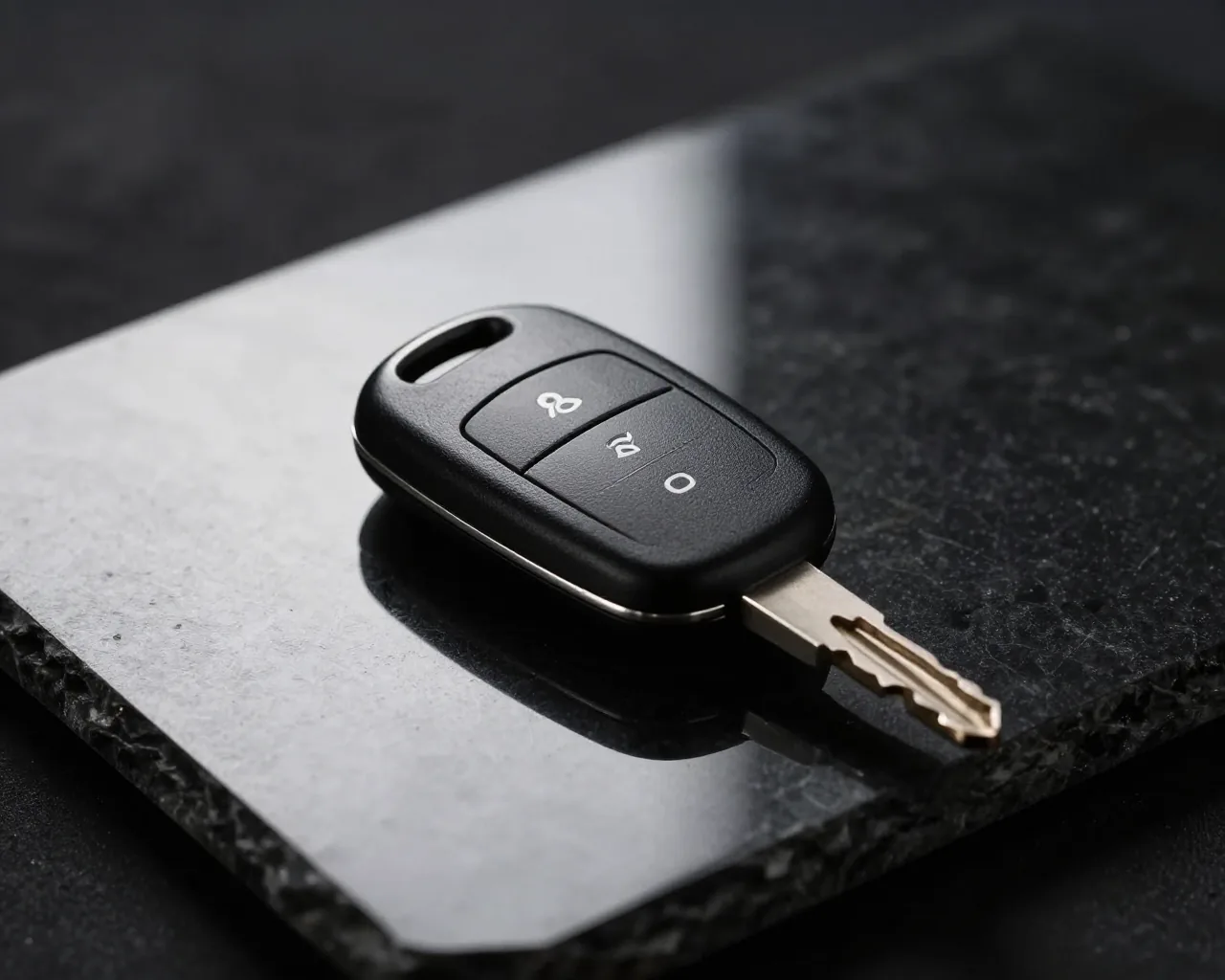
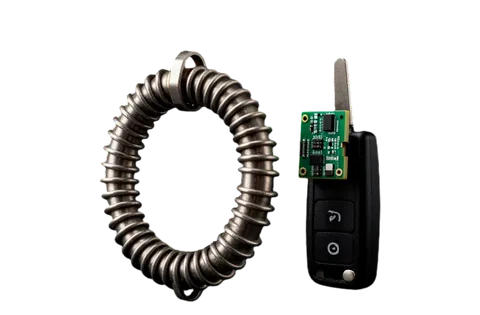
- Key fob and remote start: make sure the security, engine immobilizer, and start work on the first press and with the doors closed.
Warranty on Electrical Work and What It Doesn't Cover
We give a 12-month warranty on electrical repairs and equipment installation. The term and conditions are written into the work order and the completion certificate when you pick up the car, and diagnostics for a warranty case are free. The warranty covers the work performed and the parts we installed. It doesn't cover the consequences of an accident after the repair, tampering by third parties, normal wear of consumables, or a part the customer brought in. In practice this means a simple rule: if someone else connected anything to the same circuit after our install, it becomes hard to be responsible for the result. So if something fails, come to us right away instead of looking for the cause elsewhere. Keep the work order until the term ends — with it, a warranty case is resolved quickly and without arguments. We're open daily from 09:00 to 20:00, by appointment with no waiting in line.
What to check before an auto electrician visit
A car's electrical system warns you about problems in advance, and a small fault found in time costs far less than a major breakdown. Below is the main thing to remember before a visit to the shop and after a repair.
- Symptoms: dim headlights, a sluggish starter, a charge warning light, and a fuse that keeps blowing point to the system where the fault is.
- Dead by morning: a healthy battery drains while parked because of a current leak, which is found by measuring the parasitic draw.
- Error and cause: a code in the module memory shows the circuit with the fault, so a part is replaced only after checking power, ground, and the wire.
- Power and starting: the alternator, starter, and battery are checked together, otherwise a new unit will quickly repeat the old one's fate.
- Equipment install: a proper connection means soldering, separate fuses, and measuring the parasitic draw after installation.