An AC system rarely fails suddenly. First, cooling efficiency drops, and the driver notices the air from the vents isn't the same. Let's break down the early signals and the cost of delay.
Can you drive with a non-working AC
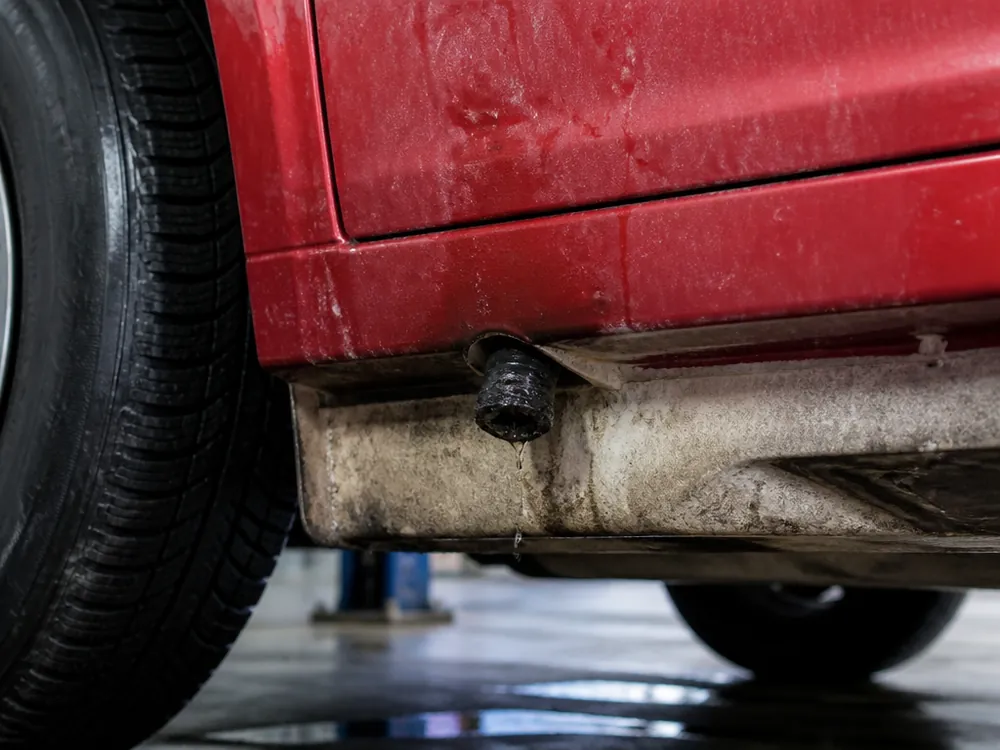
You can drive, but a faulty AC is not just heat in the cabin: without oil circulation, the compressor and seals gradually lose their service life, and condensate in the evaporator causes odor. The refrigerant carries lubricant through the circuit, so in an empty system the compressor's friction parts remain unprotected. Moisture stagnation in the evaporator and a clogged drain add musty air in the cabin that is then hard to get rid of. If the system is empty and the compressor is accidentally turned on, it runs dry — so before repair, it's better not to press the A/C button to avoid replacing the unit because of one trip. On models with an electromagnetic clutch, its slipping accelerates wear even before the first service visit. In this case, car AC repair in Almaty starts with a leak and pressure check, not a top-off.
Why the AC still cools poorly after a refill
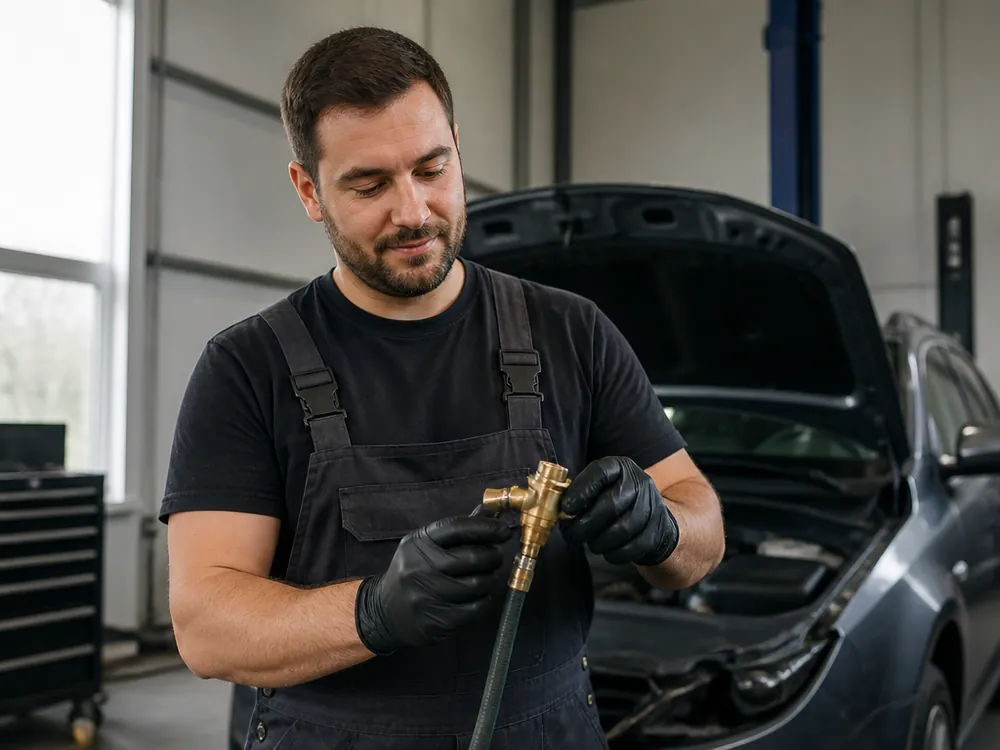
In our experience, after a refill without leak detection, the cause is almost always the same — the refrigerant has leaked again through a loose connection, and pressure dropped within weeks. R134a refrigerant is not consumed on its own: it escapes through a cracked O-ring, a worn service valve (Schrader), or a microcrack in a line. A nitrogen or vacuum leak test shows exactly where it's leaking before refrigerant is added to the circuit. A top-off without this check means paying for the same job twice: first for the gas, then for repairing the unit. We first find where it's leaking, then refill — otherwise a return is inevitable, and a second visit will cost more than the first diagnostic. In practice, the most common leak point is the service port after a careless station connection, and it can only be found by pressure testing.
How leaks are found and why you can't just top off
We explain the difference between a refill, a top-off, and restoring the circuit, and why we don't refill a system until we're sure it holds pressure.
How a refill differs from a top-off and restoration
- R134a refrigerant refill: a full cycle with system vacuuming and charging refrigerant strictly to spec — only then does the circuit work properly.
- Top-off: adding refrigerant without finding the cause of the leak — pressure rises temporarily, but the refrigerant escapes again through the same spot.
- Car AC restoration: fixing the fault that caused refrigerant loss, followed by a leak check and refill to spec.
- When a top-off is appropriate: only as a temporary measure on the road to reach a service center, not as a way to solve the problem for the season.
- Owner's benefit: a leak found once is cheaper than three refrigerant top-offs, because refrigerant isn't wasted and doesn't lead to component wear.
How we find leaks with nitrogen and vacuum
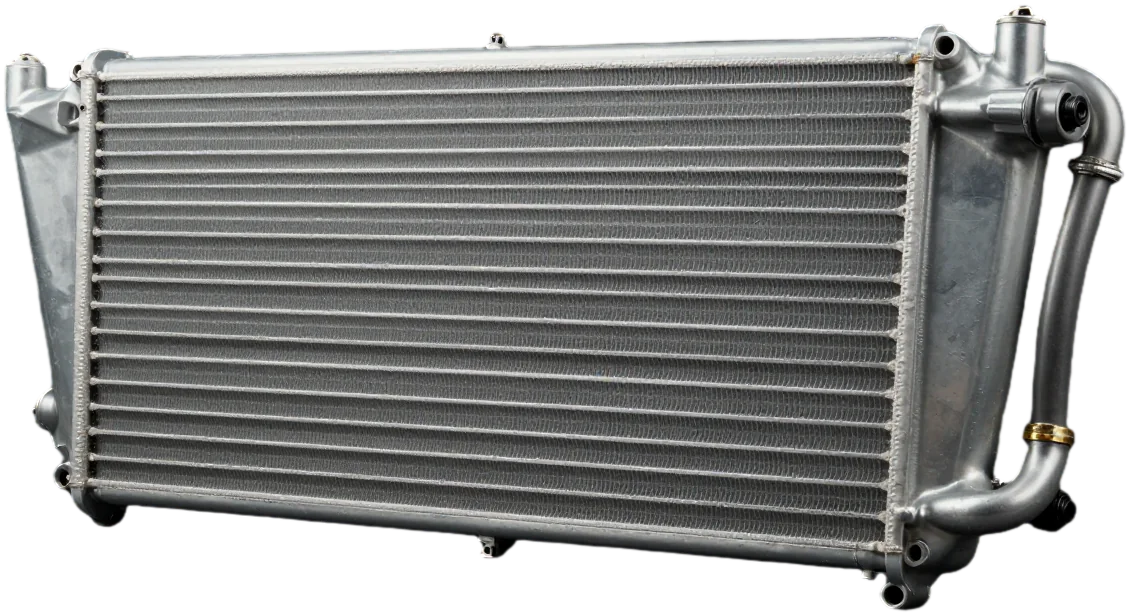
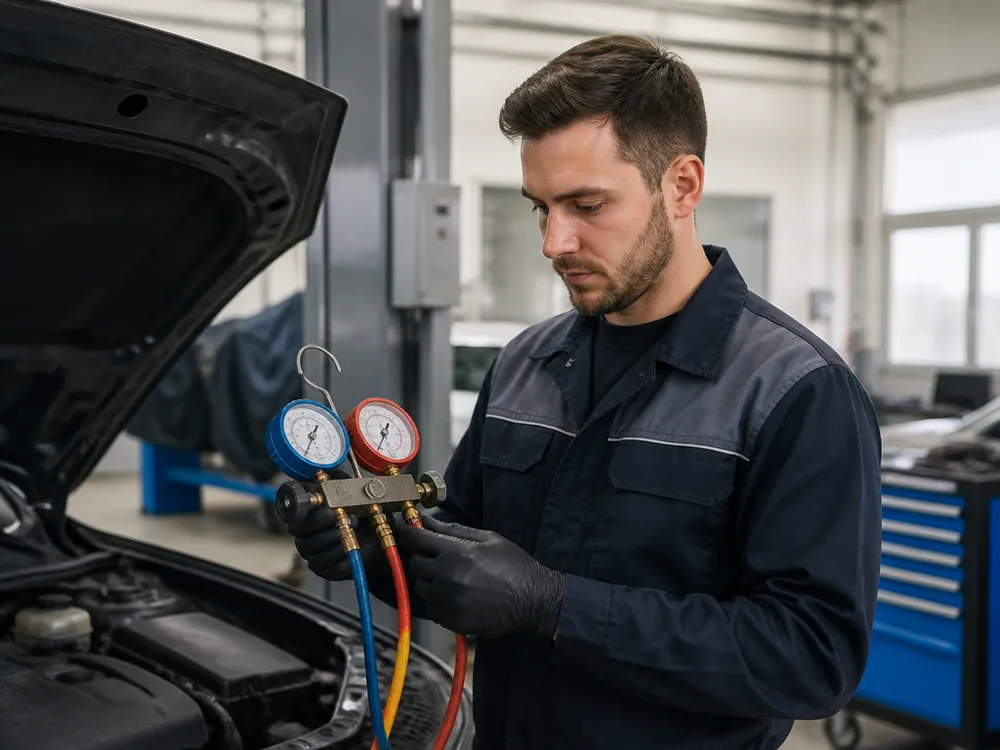
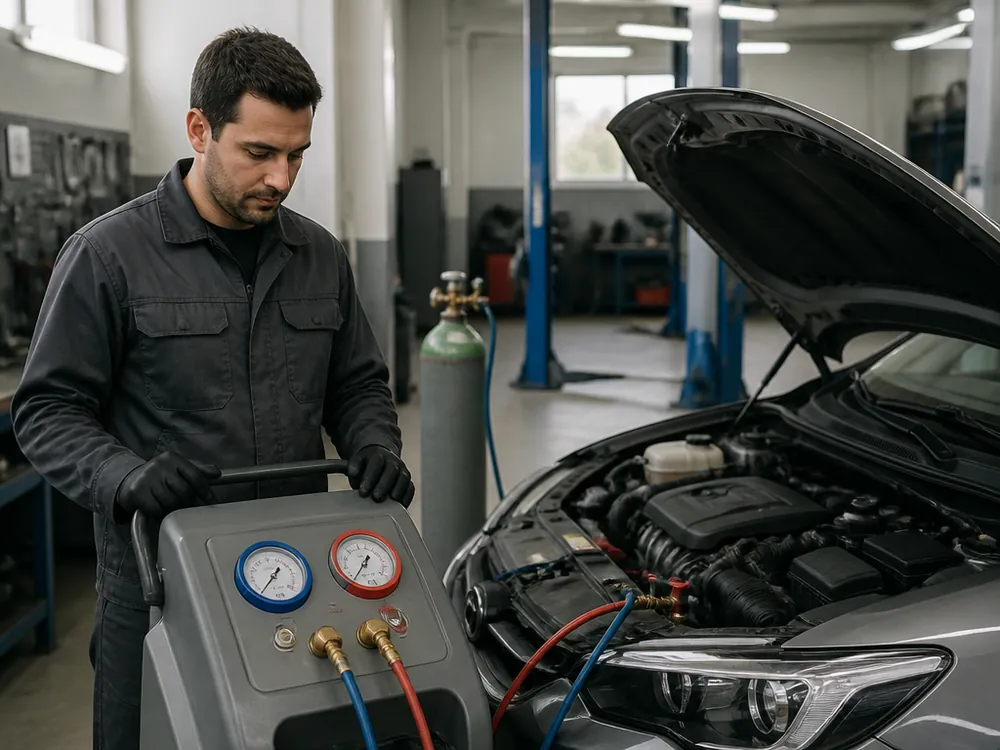
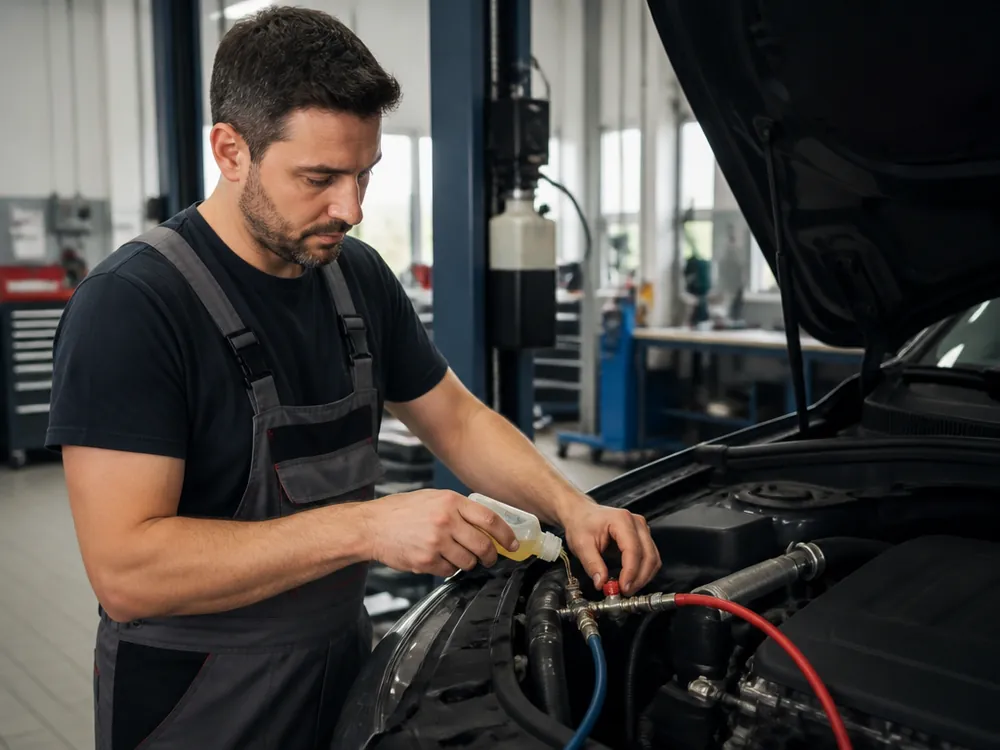
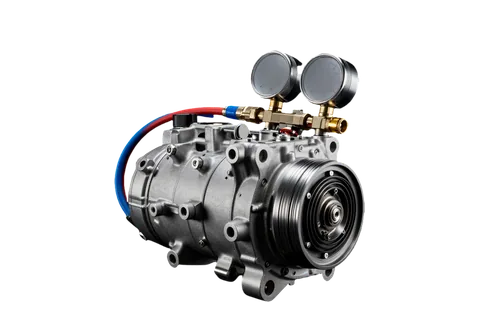
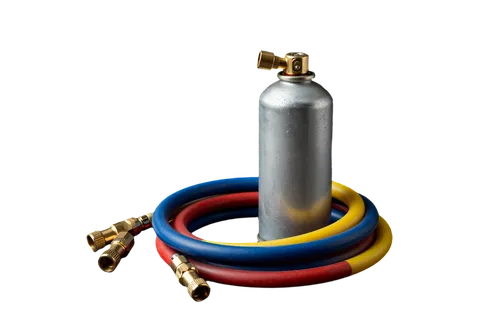
We hold the system under nitrogen for 30 minutes, then vacuum for another 30 minutes — a leak is visible immediately, not a month after our work. We apply pressure through a manifold gauge set and simultaneously check the circuit with a leak detector: this finds both microcracks in the radiator and loose connections at O-rings. A vacuum pump removes air and moisture to working vacuum, after which the system is ready to accept the specified amount of R134a. The procedure takes about an hour but eliminates a repeat visit with the same complaint. Without vacuuming, moisture remains in the circuit, and the compressor starts grinding within one season — that's why vacuuming is not optional for us but a mandatory step. We agree on diagnostics and a written estimate before starting work, and we take photos at key stages. Car AC refill is performed only after the circuit has confirmed it is leak-free.
What happens to the compressor without vacuuming
Moisture and air in the circuit turn the oil into an abrasive emulsion, and the compressor wears out many times faster — even to the point of seizing. Compressor oil loses its lubricating properties, moisture vapor acts as an abrasive when it expands, and wear particles settle in the tubes and the axial channel. Next comes metal shavings in the circuit, a clogged receiver-drier, and a pressure drop at the outlet. The clutch suffers separately: it engages more often because the system doesn't reach operating pressure, and the bearing heats up more than usual. Saving on vacuum almost always comes back as a compressor replacement — it's the most expensive part in the system. That's why we vacuum the circuit for half an hour and only then fill the refrigerant: this order protects the clutch and bearing from premature wear.
Compressor repair and component replacement protocol
The compressor is the most expensive component of the system, and there are more myths around it than anything else. We show when it can be rebuilt, when it must be replaced, and what must always be done along with the replacement.
Rebuild the compressor or replace it
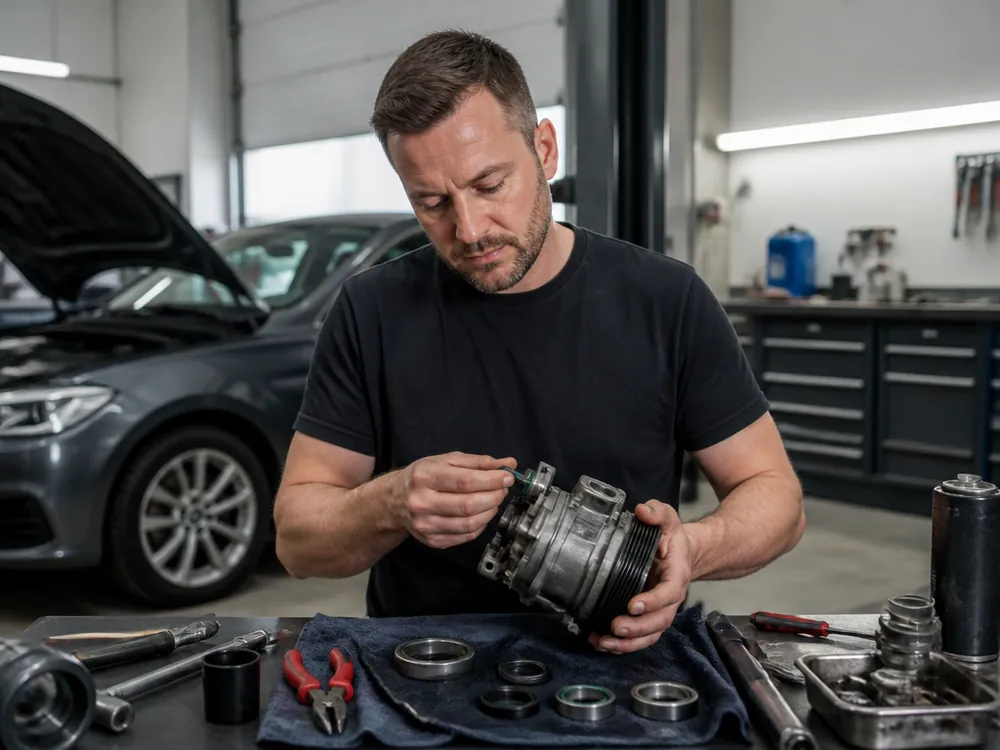
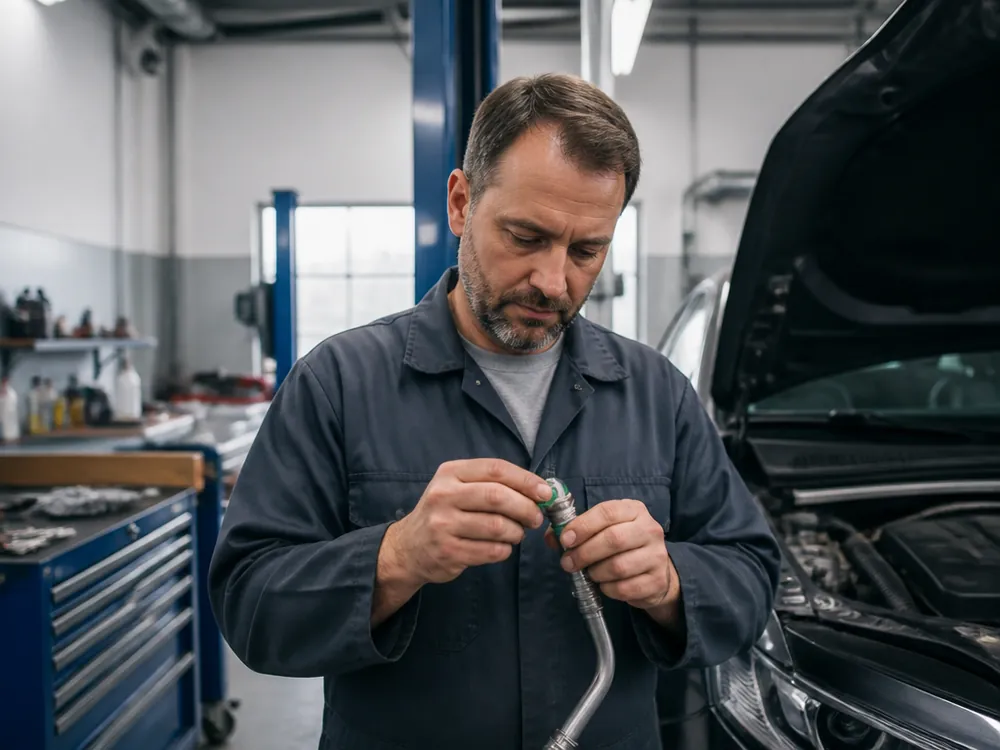
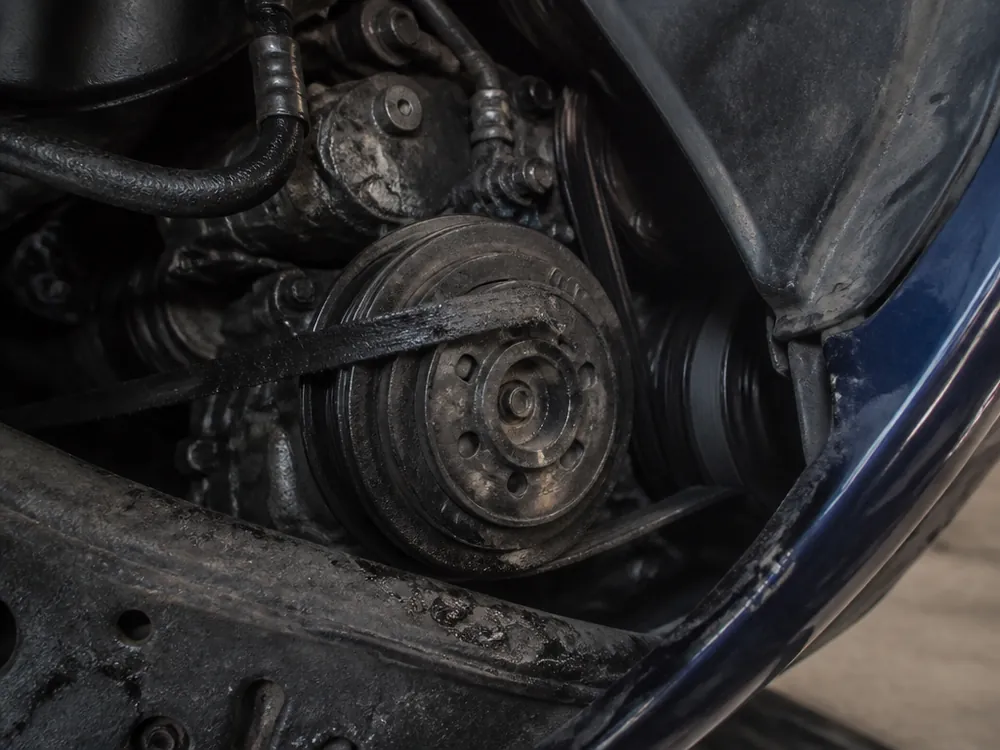
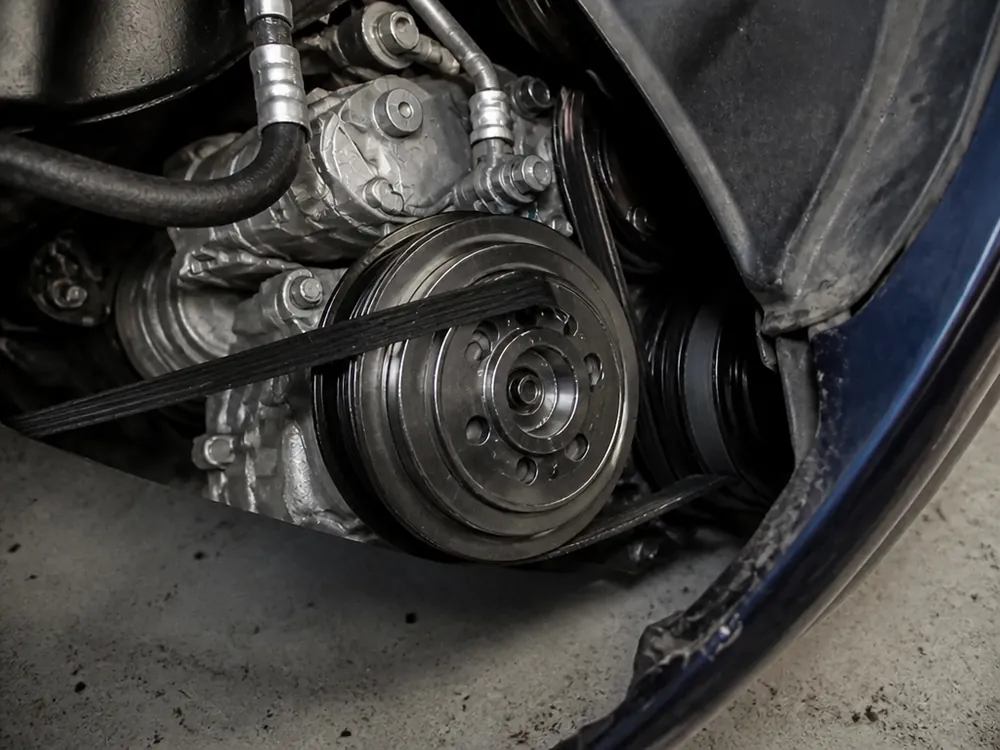
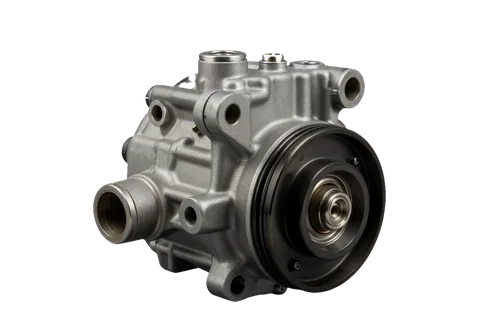
For us, rebuilding a compressor with clutch and bearing replacement costs less than replacing the unit and is done without sending it to another city — but only if the housing and piston group are intact. First we disassemble the unit and inspect its condition: clutch wear, bearing play, piston group wear. If there are scores on the cylinder wall or a crack in the housing, rebuilding makes no sense — there's nothing to restore. If there have already been metal shavings inside, rebuilding won't help — they will stay in the circuit and kill the unit again, so we make the decision after disassembly and inspection. Car AC repair in such cases isn't just about one part: the technician shows the worn parts on site and explains which component failed. On models with a non-serviceable housing, rebuilding is impossible in principle — only unit replacement, and we say so before work begins, not after.
Why flushing, receiver-drier, and expansion valve are needed after compressor replacement
- AC system flushing: washes metal shavings and wear products from the old unit out of the tubes and radiators before installing the new compressor.
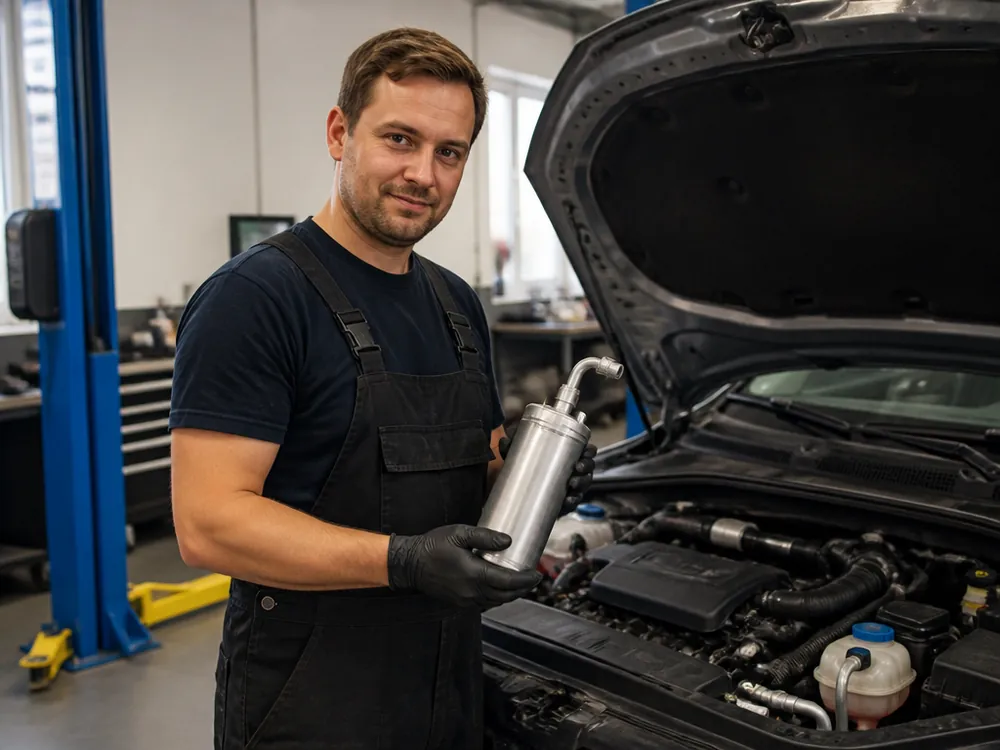
- Receiver-drier replacement: the old drier has already absorbed moisture and dirt, while a new one holds them and keeps them from moving further through the circuit.
- Expansion valve replacement: a clogged expansion valve distorts pressure and prevents the system from reaching operating mode even with a working compressor.
- Leak check: after assembly, we hold the circuit under pressure to make sure the job is finished, not postponed.
How to tell it's time to replace the expansion valve
If the pressures on the high and low sides don't match the norm, and the compressor and charge are fine, a clogged or stuck expansion valve is almost always to blame. We check on a manifold gauge stand: compare readings with the table values for the specific car model and watch how the valve reacts to mode changes. A working valve smoothly meters refrigerant; a clogged one holds pressure or drops on the low side. The expansion valve gets clogged by compressor wear products, so it's replaced based on pressure measurements on the stand, not on mileage. Before replacing, make sure the cause is actually the valve and not a leak or a weak compressor — otherwise the new part won't change anything. Also, the valve is sensitive to moisture in the circuit: without proper vacuuming, a new expansion valve clogs faster than the old one.
Circuit flushing and smell from the vents
Two different jobs that are often confused: technical flushing of the circuit to remove metal shavings and old oil, and hygienic treatment of the evaporator to remove odor. We explain when each is needed.
Where the smell comes from and whether antibacterial treatment helps
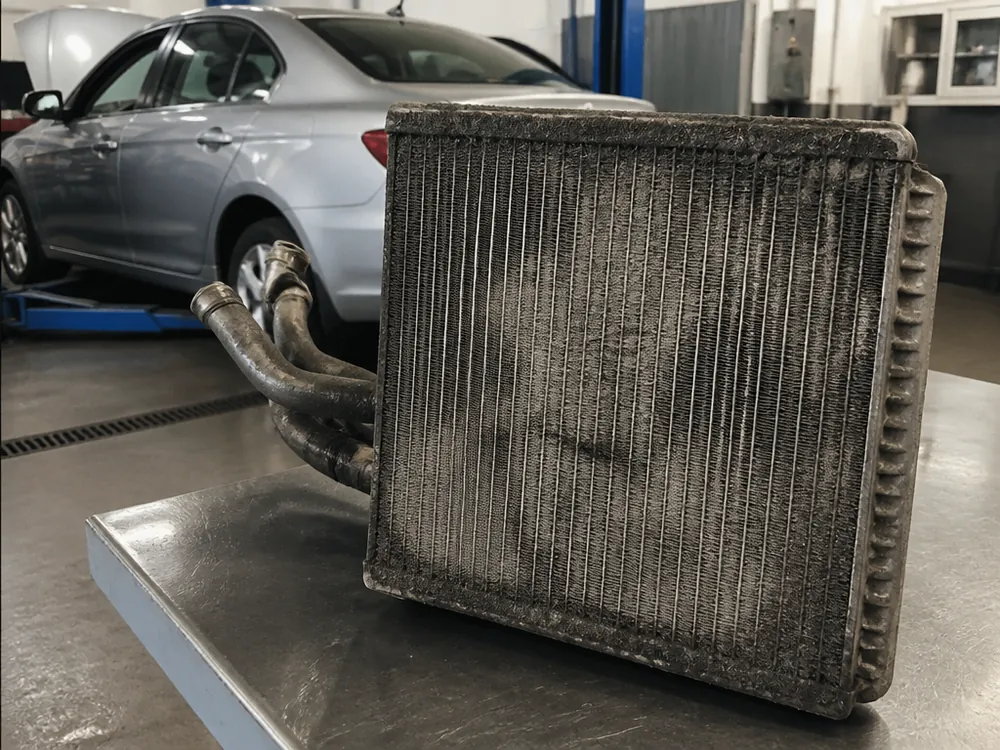
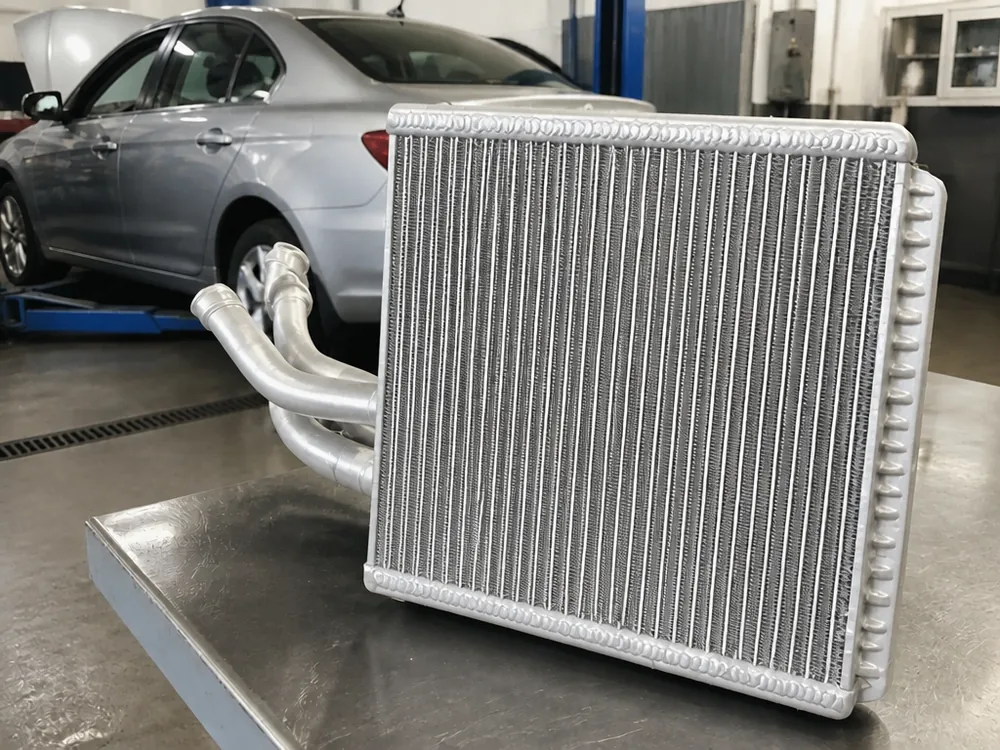
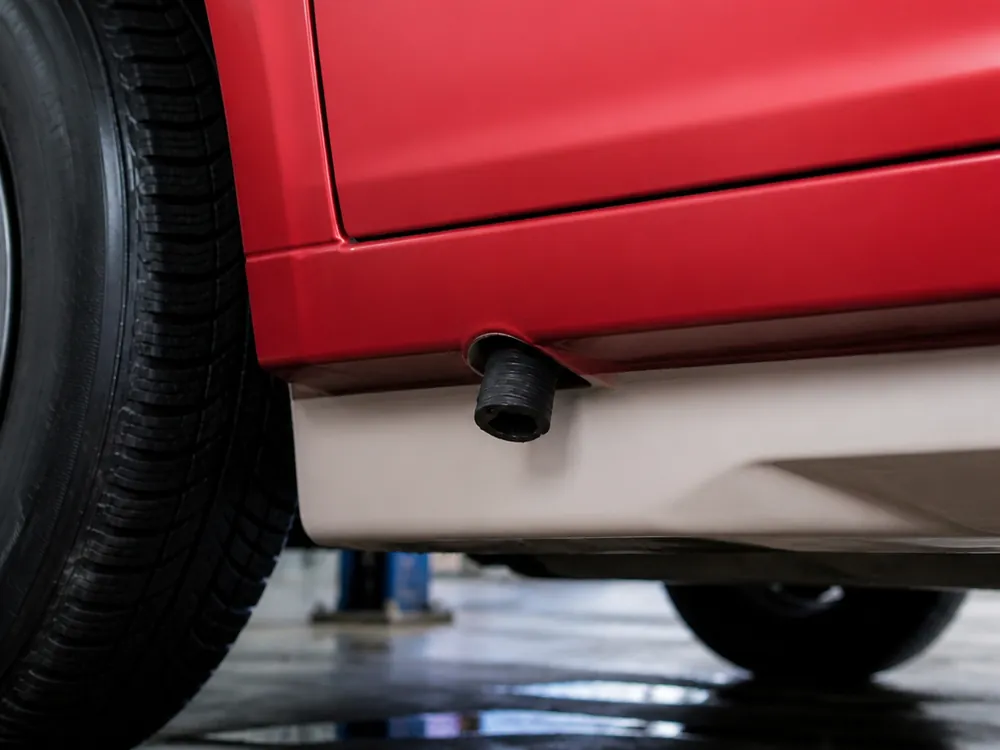
The musty smell from the vents comes from the evaporator, where condensate and buildup accumulate, and antibacterial treatment removes the cause rather than masking it with a fragrance. The evaporator sits in the climate unit housing and is constantly wet: cooled air passes through it, moisture settles on the fins, and bacteria and mold multiply on the buildup in the warm environment. The drain removes condensate under the car, and as long as the tube is clear, the housing dries out. A clogged drain brings the smell back into the cabin: moisture stays inside, the hygienic treatment lasts a couple of weeks and then fades. That's why we do this job together with drain cleaning — otherwise the result doesn't last. If the smell returns a month later, look for a clog in the drain instead of buying another can.
How circuit flushing differs from antibacterial treatment
comparison of the two jobs by task and reason| Parameter | Circuit flushing | Antibacterial treatment |
|---|
| Task | Remove metal shavings and old oil | Remove buildup and odor from the evaporator |
|---|
| When needed | After compressor replacement | When there's a musty smell from the vents |
|---|
| What it affects | Tubes, condenser, expansion valve | Evaporator housing and drain |
|---|
| Reason for visit | System repair | Appearance of odor |
|---|
Warranty, customer-supplied parts, and what to do if it stops cooling again
A warranty only works when its terms are clear before work begins, not after. We show which cases are covered for 12 months, which exceptions apply, and what to do if the problem comes back.
What the 12-month warranty covers and what it doesn't
- Term and conditions: 12 months for AC restoration; the term and conditions are recorded in the work order and the vehicle release form.
- What it covers: the work performed and the parts we installed — compressor, receiver-drier, expansion valve, pressure sensor.
- What it doesn't cover: an accident after the visit, third-party interference, normal wear of consumables, and a part brought by the customer.
- Why this way: the exceptions are standard for the industry, and it's fairer to know them in advance — that way there are no disputes.
Can I bring my own parts and refrigerant
You can bring your own parts: OEM, aftermarket, or a customer-supplied part — the customer chooses, but the warranty doesn't apply to a part you bring. When a customer brings a compressor, we still perform circuit flushing and receiver-drier replacement — otherwise the new unit will fail within a season, and that won't be a warranty case. The same logic applies to refrigerant: we work with r134a refrigerant according to protocol — we hold the system under nitrogen for 30 minutes and vacuum for half an hour. We accept your consumables, but we're only responsible for the quality of their installation, not for how the part itself behaves in the system. So before buying a unit on the side, ask the service advisor which parameters are critical for your specific model.
What to do if it stops cooling again after the work
- Bring the car in: diagnostics for a warranty case are free, and the service advisor opens a work order and follows it through until the issue is fixed.
- We find the cause first: we separate a warranty case from an external one — a snapped belt, an accident, or work done by another shop.
- That decides who pays: when the failure is tied to our work or a part we installed, we fix it free of charge; if the cause is external, we agree on an estimate in advance.
- Note the symptom: write down at what temperature and at what RPM the cold stopped — it speeds up the leak search.
Timing, how to get the service, and care after repair
We break down how long the work takes, when a visit to the customer is possible, and how to care for the system after repair so the AC runs the whole season without repeat visits.
How long the repair takes
With us, diagnostics, parts replacement, and recharge all fit into one shift, and if needed we rebuild the compressor on site without sending it to another city. AC diagnostics starts with a pressure test: we hold the system under nitrogen for 30 minutes, then vacuum it for half an hour to remove air and moisture. After that, the service advisor agrees a written estimate with you, and only then does the work begin. Rebuilding the unit, replacing the expansion valve or receiver-drier goes in parallel with checking the other parts, so the whole cycle doesn't stretch over several visits. The timeline depends not on the "difficulty of the brand" but on whether the needed parts are in stock — so it's best to book and sort out the parts in advance, before coming to the shop.
Mobile repair and urgent call-out
- Urgent call-out: the technician comes with diagnostics and minor repair on site — checks pressure, looks for the leak, tightens connections.
- Mobile repair: complex work with refrigerant recharge is done by arrangement, if the conditions on site allow connecting the equipment.
- Call-out limits: if the units need to be taken apart or the compressor rebuilt, the car is brought to the shop at 129 Makataeva — there are 6 lifts and a stand for a full check.
- What to mention when booking: the make, model, and symptom — so the technician knows in advance whether a call-out is enough or a lift is needed.
How to care for the AC after repair
- Turn it on in winter: 10–15 minutes once a month so the oil circulates through the circuit and the O-rings don't dry out.
- Don't leave it in the sun with the vents closed: an overheated cabin puts more load on the system than driving in the heat with the vents open.
- Clean the condenser: dust and poplar fluff on the radiator reduce heat transfer, and the unit runs overloaded.
- Check before the season: an inspection and pressure test before the summer heat cost less than a rebuild after it.
- Watch for odd noises: a squeak or whine when you turn it on is a reason to come in for a check while the part can still be restored rather than replaced.
Car AC repair key points
Here's the key thing to keep in mind for a car owner with a non-working AC: from the first signs of trouble to the warranty terms on the work performed.
- Warm air and weak airflow: that's a reason for diagnostics, not a recharge — first find the cause, then recharge.
- Leak search: the system is held under nitrogen for 30 minutes and vacuumed for half an hour, not checked "by eye" on pressure.
- After a compressor replacement: flushing the circuit, a new receiver-drier, and an expansion valve are mandatory, otherwise metal debris kills the fresh unit within a season.
- Flushing and antibacterial treatment: these are two different jobs — the first restores cooling capacity, the second removes the smell from the vents.
- Warranty: it works when its term and conditions are written into the work order before the work starts, not promised verbally.