 Author
9years
experience
experience
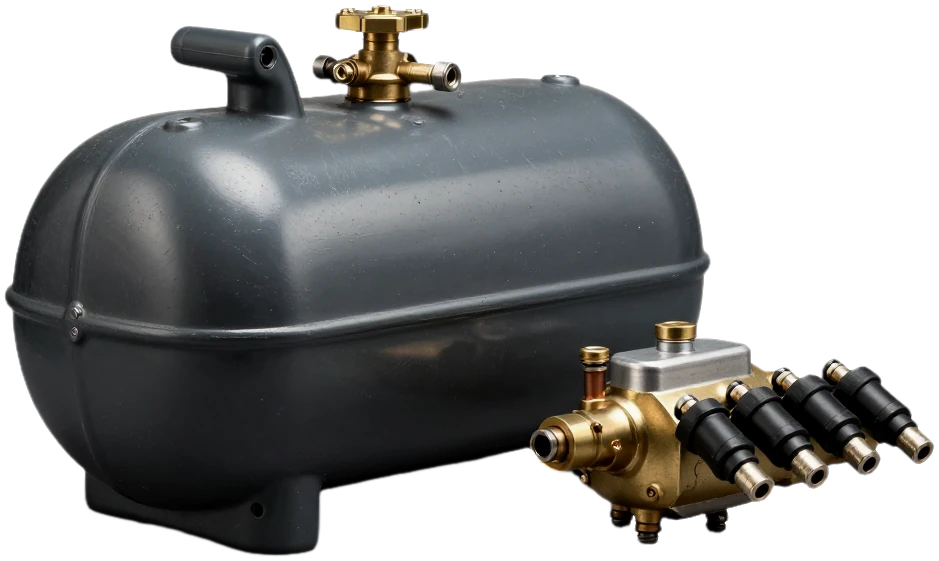
We perform diagnostics, repair and tuning of gas cylinder equipment of all generations. We fix gas leaks, repair reducers and injectors, within 1 day we return the car to service. We provide a warranty of 12 months and are always in touch.
Works on maintenance and repair of gas cylinder equipment
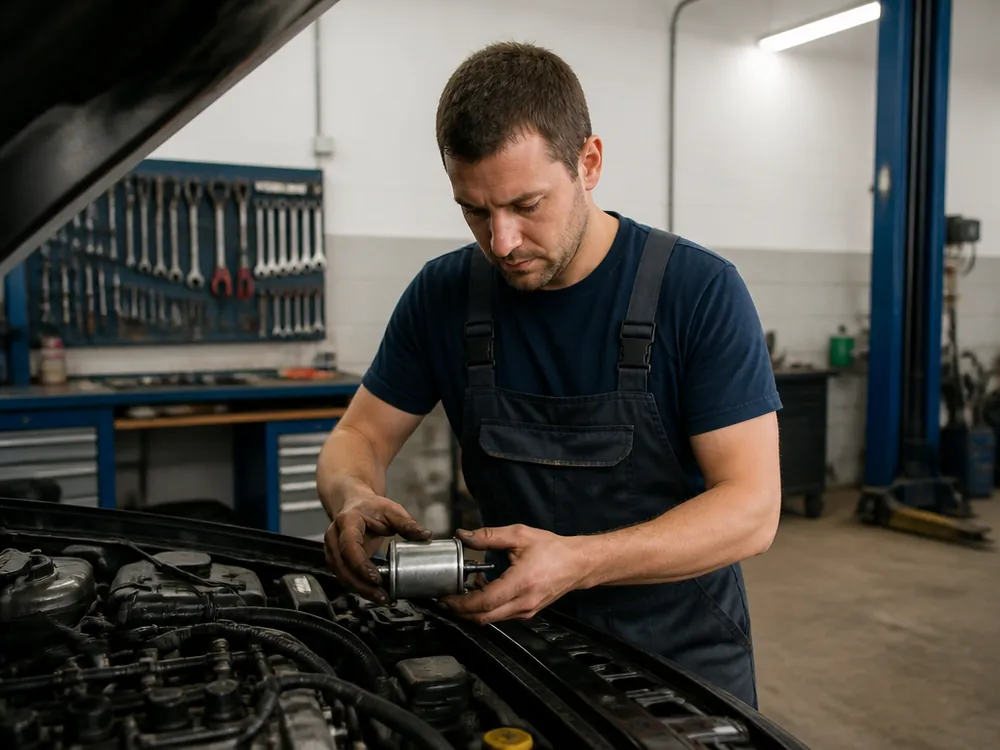
We replace the fine gas filter. We remove contaminants so that the injectors and reducer operate smoothly.
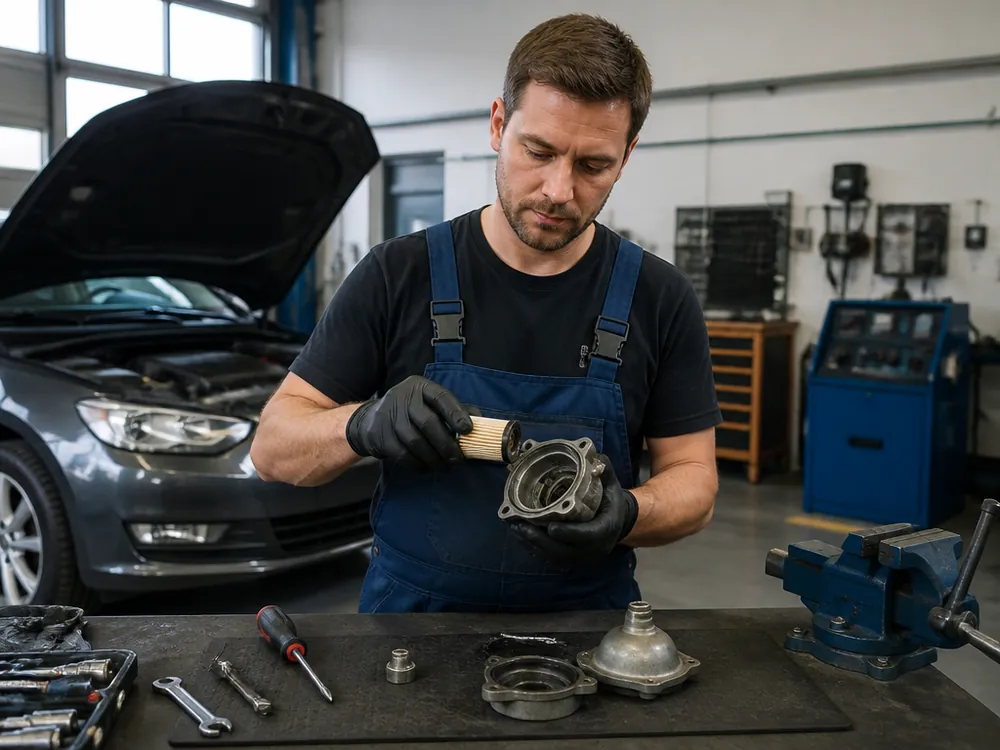
We replace the filter element inside the gas reducer. The reducer holds pressure again and does not get clogged.
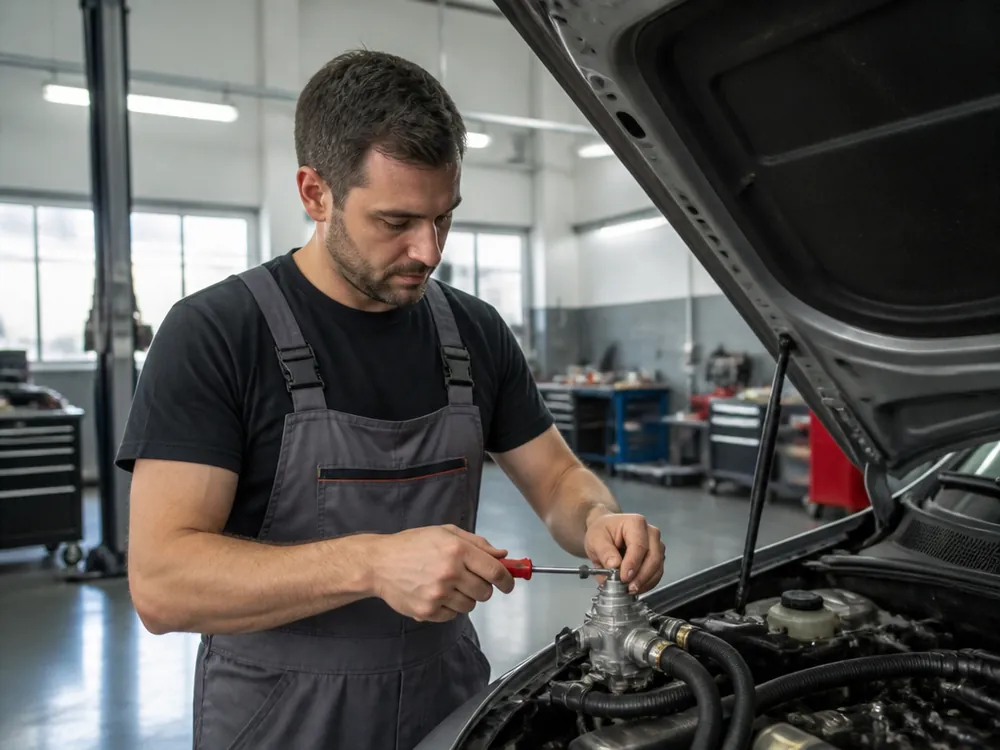
We adjust the idle speed on gas. The engine runs steadily, without dips or excess consumption.
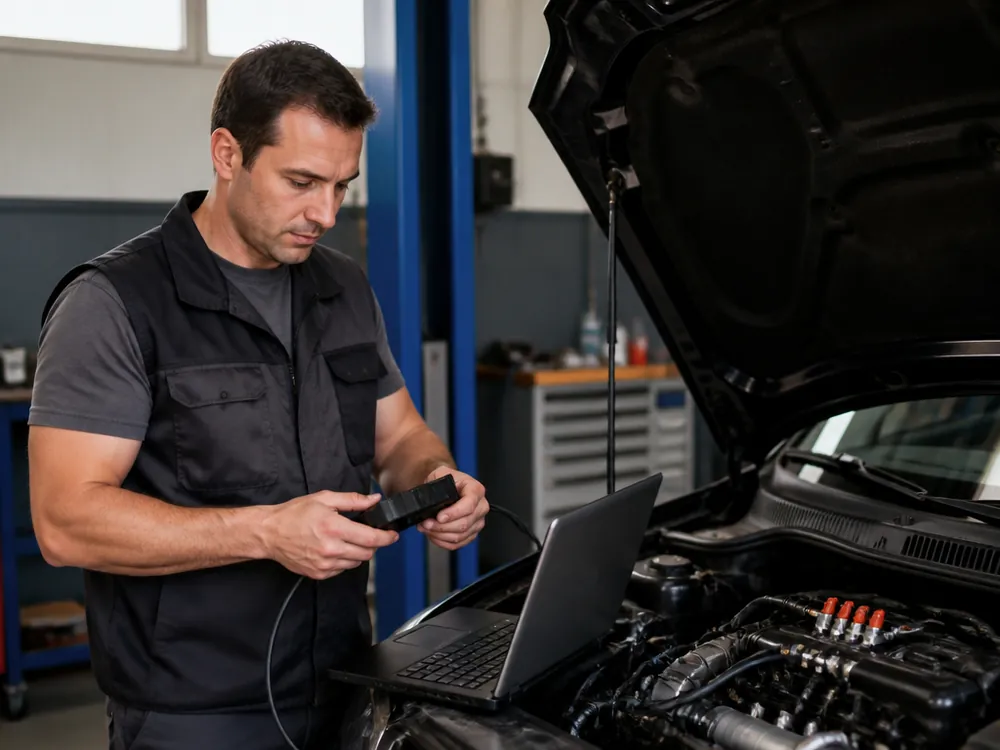
We adjust the gas injectors on a test bench or by parameters. We achieve smooth operation and the correct mixture.
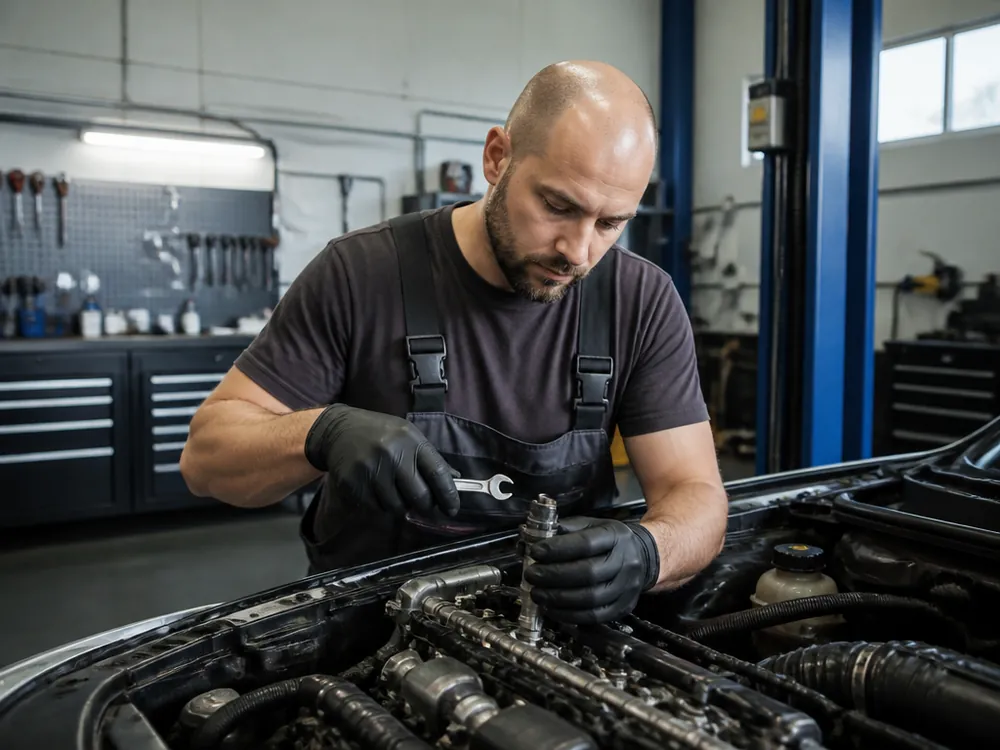
We replace one faulty gas injector. We eliminate misfires and restore gas supply.
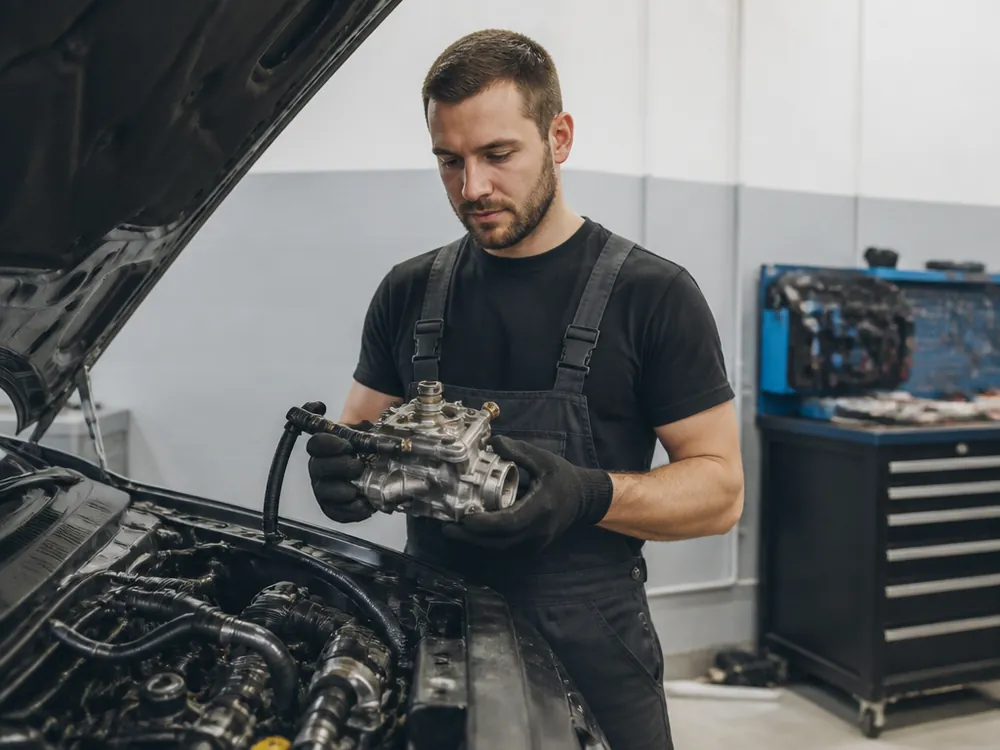
We remove the old reducer and install a new one. We check the tightness and pressure stability in the system.
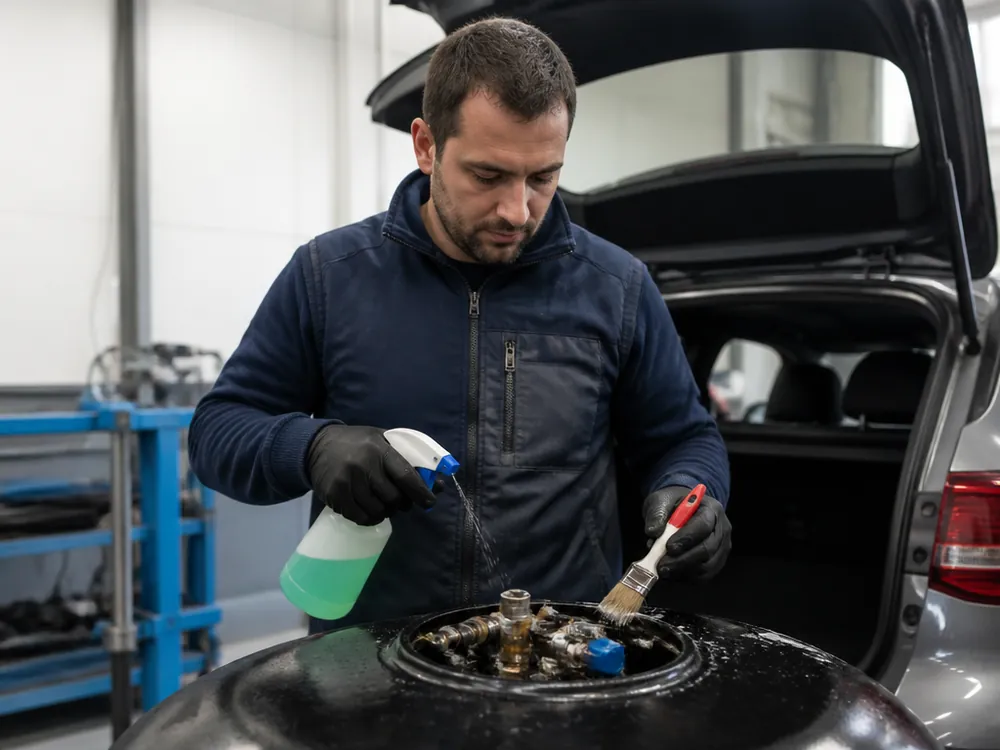
We replace the multivalve on the cylinder and check the tightness of the connections. Safe operation of the gas system.

Choose the parameters — we'll show a price and time estimate. We'll confirm the exact quote after diagnostics and send the result to WhatsApp.
Labor. Parts and materials depend on make and availability, OEM or aftermarket.
Calculation details go into the message · reply in 5 minutes
Full list of works on gas cylinder equipment: from diagnostics to complex tuning. Prices include labor, but exclude the cost of parts.
| Service | Duration | Warranty | Price |
|---|---|---|---|
| Diagnostics of the LPG system (leak check, scanner check, visual inspection) | 30–60 min | 12 mo | from 5,000 ₸ |
| Replacement of the gas filter (fine filter) | 30 min | 12 mo | from 3,000 ₸ |
| Replacement of the reducer filter element | 1 hour | 12 mo | from 4,500 ₸ |
| Diagnostics and repair of the vaporizer reducer | 1–2 hours | 12 mo | from 7,000 ₸ |
| Idle speed adjustment on LPG | 1 hour | 12 mo | from 5,000 ₸ |
| Adjustment of gas injectors | 1–2 hours | 12 mo | from 6,000 ₸ |
| Replacement of a gas injector (one piece) | 1 hour | 12 mo | from 4,000 ₸ |
| Replacement of the gas reducer (remove/install) | 2–3 hours | 12 mo | from 10,000 ₸ |
| Replacement of the multivalve on the cylinder (with leak check) | 1–2 hours | 12 mo | from 6,500 ₸ |
| Replacement of the filling unit (FU) | 1 hour | 12 mo | from 4,500 ₸ |
| Replacement of gas lines (copper tube/hose) | 2–3 hours | 12 mo | from 8,000 ₸ |
| Check and replacement of the safety valve on the cylinder | 1–2 hours | 12 mo | from 6,000 ₸ |
| Computer calibration of LPG (gas map adjustment, synchronization with injector) | 1–2 hours | 12 mo | from 10,000 ₸ |
| Installation of injector emulator (for diesel engines) | 2–3 hours | 12 mo | from 12,000 ₸ |
| Installation of gas equipment (turnkey, 4 cylinders, universal kit) | from 1 day | 12 mo | from 180,000 ₸ |
| Installation of LPG on 6 cylinders (turnkey) | 1–2 days | 12 mo | from 220,000 ₸ |
| Installation of LPG on 8 cylinders (turnkey) | 1–2 days | 12 mo | from 280,000 ₸ |
| Reinstallation of LPG from another vehicle (with adaptation) | from 1 day | 12 mo | from 60,000 ₸ |
| Removal of LPG (removal of all equipment) | 3–4 hours | 12 mo | from 15,000 ₸ |
| On-site LPG diagnostics (Almaty, within the city) | 1–2 hours | 12 mo | from 10,000 ₸ |
| Emergency LPG repair (on-site visit, leak elimination, same day) | 2–4 hours | 12 mo | from 15,000 ₸ |
The exact cost depends on the engine type, installation complexity and equipment brand. Warranty on works – 12 months. When ordering LPG installation – free chassis diagnostics as a gift. Warranty periods — see the page «Warranty»
Every promise — backed by a number or a document: work order, photos, removed parts.
warranty on labor — the term is stated in the work order.
After replacing the filter and reducer, we run the LPG on a pressure bench and gas analyzer. We adjust the mixture composition so that consumption does not increase.
We rebuild the reducer with replacement of membranes and valves, not just turn the screw. Idle speed fluctuations and gas smell under the hood disappear.
We replace the multivalve and pressure test the cylinder with nitrogen at 16 bar. We show the manometer: no leaks, the level sensor works.
We give a year for adjustment and injector operation: if a dip or increased consumption appears again, we will reconfigure for free.
We perform turnkey installation of gas cylinder equipment — with the selection of a kit, adjustment and paperwork.

You leave a request, we clarify the vehicle parameters and select the optimal LPG kit for your budget. We schedule you at a convenient time, in the garage we will conduct an inspection and check the engine's serviceability.
request on WhatsApp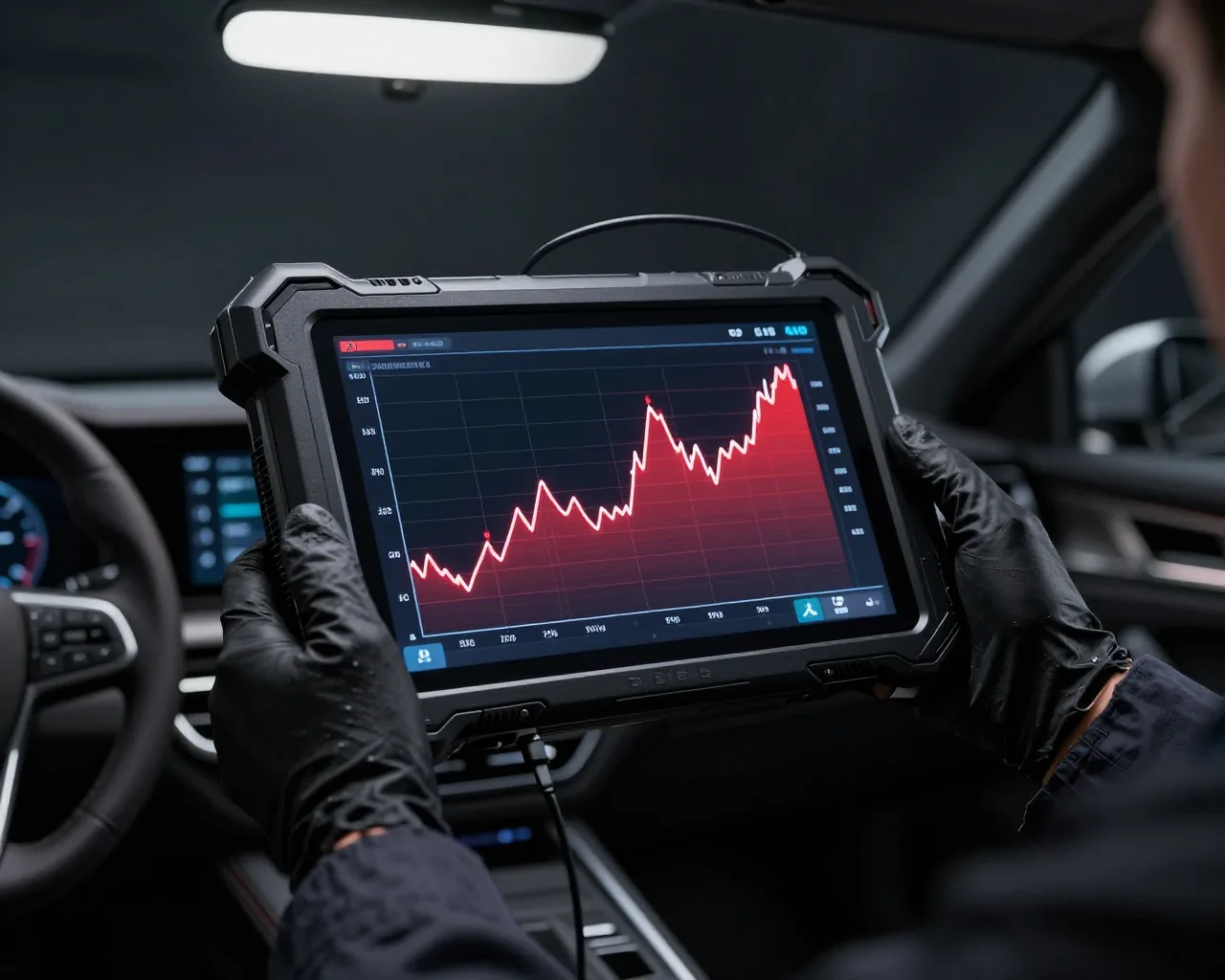
The master explains which LPG is suitable for your car and agrees on the installation details.
inspection and diagnosticsWe degrease the mounting points, remove the protection and prepare the site for equipment installation.
estimate before work starts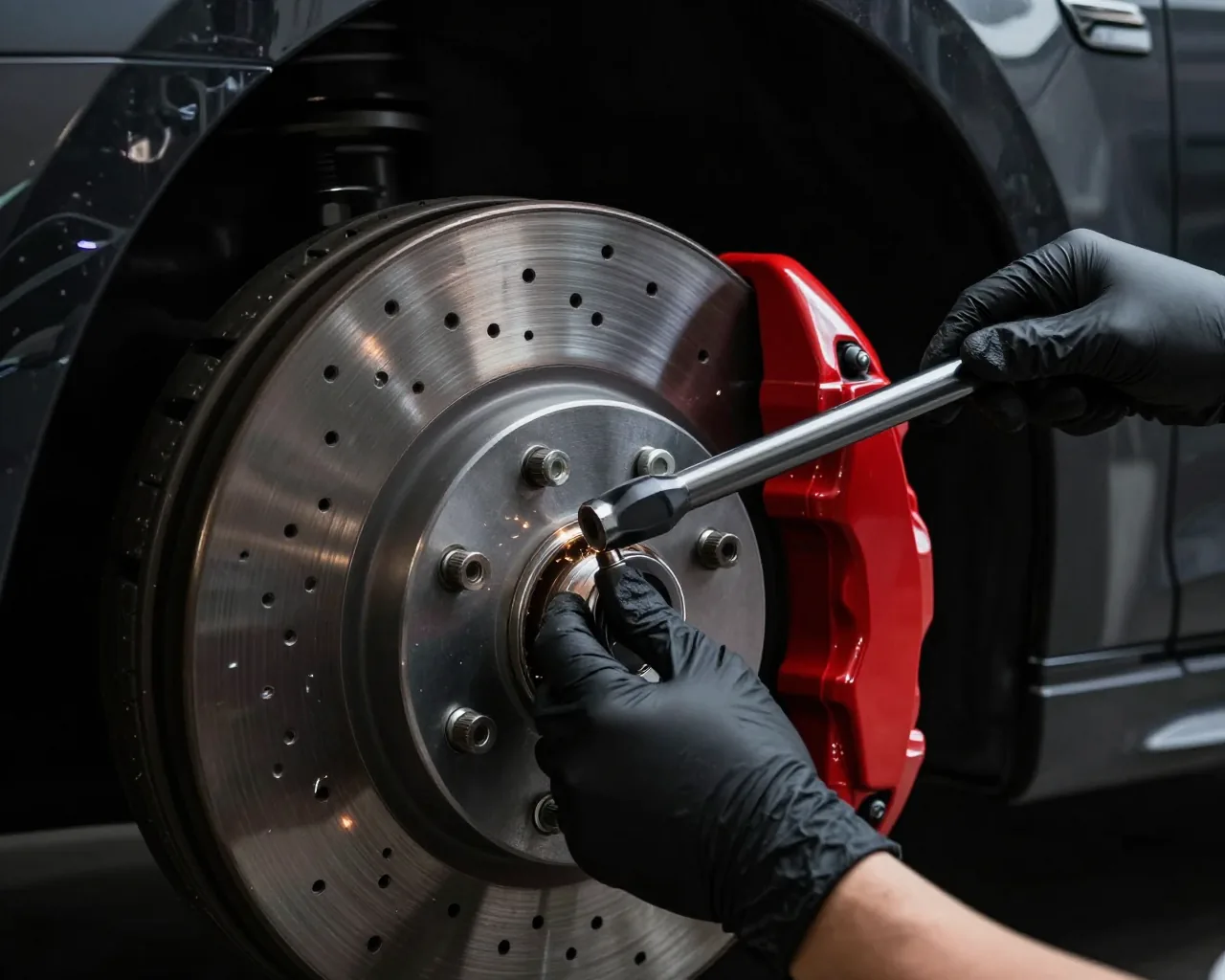
We install the reducer, injectors, cylinder and lines, carefully laying the communications.
work to factory procedureWe connect the LPG to the fuel system, check the tightness of all connections and fasteners.
result check
We adjust the electronics on a PC, calibrate the mixture and check operation in different modes. We conduct a test drive, prepare documents for the traffic police and hand over the car with a warranty.
warranty in the work orderWalk-ins welcome. By appointment — no queue.
LPG installation team. 7–25 years of experience.
Author
LPG system diagnostic and repair technician
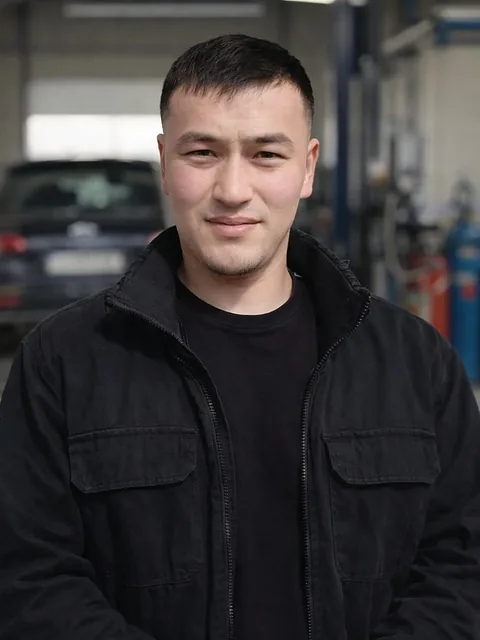
LPG system installer

LPG system service technician
Write to WhatsApp with the make, year and what's bothering you. We'll tell you the cause, a price estimate and pick a time for your visit.
 available daily 09:00–20:00
CARGID
Car service in Almaty. We reply on WhatsApp and by phone.
CARGID in Almaty installs, repairs and maintains LPG equipment on passenger cars and Gazelles. First diagnostics and a written estimate, then the work. We rebuild the reducer in 3 hours, replace the multivalve with nitrogen pressure testing of the cylinder at 16 bar, and tune the mixture on a pressure bench and gas analyzer. Warranty on LPG work is 12 months, and we record it in the work order.
Gas equipment is not a set-and-forget thing: the reducer, injectors and filters wear out, and fuel consumption depends on tuning. Let's break down what to choose during installation and what needs attention later.
The fourth scheme supplies gas through injectors into the intake manifold and runs on propane; the fifth supplies it directly into the cylinders, more often on methane and powerful engines. A 4th-level kit includes gas injectors, a reducer-vaporizer, an electronic control unit and a multivalve on the cylinder; the mixture is prepared in the intake, so the engine keeps its usual power when switching to gasoline. The fifth option supplies methane under high pressure into the combustion chamber and requires more complex electronics and cylinders rated for 200 bar. In practice, for propane refueling around the city, the fourth level remains a working choice for ease of maintenance and repairability of components. For a city with frequent stops, what matters more is not the scheme itself but correct injection calibration for the specific engine — otherwise even a top-tier kit causes jerking and increased consumption.
We select the kit based on engine volume and type, mileage and refueling stations near home: on RAV4 and Sportage 3 we more often install 4th generation on propane; methane — when mileage is high and there is access to CNG stations. LPG installation begins with measuring the engine bay: on crossovers the cylinder hides in the spare wheel well, on sedans behind the backrest, and this affects usable trunk volume. Dealer scanners for 40+ brands allow us to read the stock fuel map and select injectors by flow rate, not by eye. Around the city, propane is more convenient due to the dense network of stations; methane is more cost-effective on highways with regular long trips. Dynamics are lost not from gas but from a lean or rich mixture — therefore after installation, calibration on a scanner for the specific brand is mandatory, not a universal firmware.
A driver comes to the service not with a part name but with a feeling: gas smell, car jerking, increased consumption. Let's break down common symptoms and what's behind them.
A gas smell under the hood is a reason not to drive but to immediately check for leaks: most often the culprits are line connections, reducer diaphragms or multivalve seals. Gas finds a way out where a clamp on the high-pressure line has loosened, where the reducer diaphragm rubber has cracked, or where the multivalve seal has lost elasticity. You can't catch a leak by ear — you need a gas analyzer and pressure testing. Driving with a gas smell is not allowed — it's safer to call a tow truck, and that's what we do when a car is brought in with such a complaint. On site, we pressure-test the system with nitrogen and show the gauge: if the needle holds pressure, there's no leak; if it drops, we look for the specific connection. We start diagnostics of LPG tightness in Almaty with pressure testing, not with random replacement of components. People come to us for LPG in Almaty for tightness diagnostics and tuning when a gas smell appears or consumption increases.
Floating idle and increased consumption usually have two causes — a clogged reducer filter or worn diaphragms, less often misadjusted gas injector calibration. The filter clogs faster on uncleaned gas from stations where the mixture has a lot of condensate and resins; the elastic elements of the reducer harden over time and stop holding pressure — hence the pressure in the reducer "floats" and RPM fluctuates during warm-up. With dealer scanners for 40+ brands, we check fuel trims and gas unit parameters to avoid replacing unnecessary parts. If you just turn the idle screw, the symptom will return in a week. We rebuild the reducer with a repair kit in 3 hours — replacing elastic elements and valves — and recalibrate the injectors on the scanner.
Below are the jobs people come to us for most often: from a filter change in one visit to a reducer rebuild and multivalve installation with cylinder pressure testing.
| Job | What we do | How long it takes |
|---|---|---|
| Gas filter | Install a new fine filter element, check for leaks | In one visit |
| Reducer element | Replace the filter element, check the pressure | In one visit |
| Reducer rebuild | Install diaphragms and valves, don't touch the adjusting screw | About 3 hours |
| Gas injector | Install a new one, calibrate with the scanner | Based on diagnostics |
| Multivalve | Replace the unit, pressure-test the tank with nitrogen at 16 bar | Based on diagnostics |
| Filler valve | Replace the filling device, check for leaks | Based on diagnostics |
| Idle | Adjust idle, check the mixture with a gas analyzer | In one visit |
We recommend changing the gas filter based on mileage and fuel quality, and rebuilding the reducer when idle starts to fluctuate or you smell gas — usually this happens less often. We plan LPG system repairs based on the actual condition of the components, not an average schedule. The filter interval depends on where the car is fueled: at some stations the element clogs faster, at others slower. The procedure itself takes just a few hours, and rebuilding the unit with a repair kit takes 3 hours: we install diaphragms and valves rather than just turning the adjusting screw. The service advisor records the mileage and date on the work order so the next due date isn't guessed. Don't put off the rebuild: worn diaphragms let gas into the vacuum system, and then intake cleaning gets added to the job.
On Gazelle, the equipment works under high load and high mileage, so the filter and reducer wear out faster than on passenger cars. A commercial vehicle carries cargo daily, and the unit heats up more in these conditions — diaphragms lose elasticity sooner and the mixture drifts from spec. On Gazelle we check not only the filter but also the condition of the reducer and multivalve, and after the procedure we run the equipment on a pressure test bench and gas analyzer. At check-in, the service advisor immediately asks about mileage and operating mode to set a real service interval rather than a passenger-car average. Commercial vehicles can't be left unattended for long — downtime from repairs costs more than a scheduled filter change, so for Gazelle we offer an appointment without waiting in a convenient time slot.
LPG system repair doesn't end with replacing a part — it ends with a check: pressure, leak-tightness, mixture composition. We show you what we test with and what data the owner sees before the car is handed over.
After replacing the filter and reducer, we run the equipment on a pressure test bench and gas analyzer and adjust the mixture so fuel consumption doesn't increase. The bench shows the working pressure in the reducer, and the gas analyzer shows CO and CH in the exhaust at idle and under load. Using these two readings, we set the sensitivity screw and check the gas injectors: injection time must match gasoline mode. We perform bench adjustment in Almaty after replacing the filter and reducer — we run several modes and make sure the mixture holds. Without a gas analyzer, tuning "by ear" gives a lean mixture: the car drives, but the mixture drifts from spec. That's why the car doesn't leave the shop until the mixture is brought back to spec.
When replacing the multivalve, we pressure-test the tank with nitrogen at 16 bar and show the gauge: no leaks, the level sensor works. Before pressure testing, we remove the valve, inspect the seat and threads, install a new multivalve with seals, and only then apply pressure. The gauge needle must stay steady without dropping — if it falls, we look for leaks at the connections with soapy water. We also check the level sensor and the shut-off valve closing, and after releasing pressure we inspect the threads again for scoring. We pressure-test with nitrogen at 16 bar and show the gauge — that's how leak-tightness is confirmed by an instrument. The owner sees the gauge and knows leak-tightness is confirmed by an instrument, not a promise. We record the pressure test result and gauge readings on the work order so we don't revisit this at the next visit.
We take a photo report of the key repair stages, and before handover we do a test drive to make sure the car runs smoothly on gas. We photograph the removed components, new parts, and bench readings — the photos are attached to the work order so the client sees every stage of the job. We show and give the client the old reducer, multivalve, and filter: they show which parts were actually replaced, not just listed in the estimate. During the test drive, the service advisor drives on gas, checks power, idle, and gasoline-gas switching in different modes. The same advisor manages the work order through handover and explains what was done, why that part was chosen, and what to watch for in the first days after repair.
Warranty and working on someone else's installation are the two questions we hear most often before booking. We answer directly: what we cover, what we don't, and how we document the agreements.
We provide a 12-month warranty on LPG system work and record the term and conditions on the work order and the completion certificate when the car is handed over. Coverage applies to reducer rebuild with diaphragm and valve replacement, multivalve replacement with tank pressure testing with nitrogen at 16 bar, gas injector adjustment, and idle adjustment. Warranty diagnostics for such cases is free: the advisor accepts the car, checks the unit on the pressure test bench and gas analyzer, and states the cause — without upsells or unnecessary teardowns. The obligations apply to the work performed and parts installed, but do not cover accidents after repair, third-party interference, normal wear of consumables, or a part supplied by the client — we state these conditions upfront so there are no surprises when you come back.
We repair LPG systems installed at another shop: we start with diagnostics, find the cause and give you a written estimate before any work begins. The service advisor inspects the reducer, multivalve, gas injectors and filler, checks the connections for leaks and reads the scanner data. Then we show you the list of operations in a written estimate, and you decide what we do now and what can wait until your next visit. The warranty on this kind of work covers what we did, not someone else's installation — so the work order lists exactly our operations and the parts we installed. If the cause is a mistake in the previous installation, we show it in a photo report so the decision is clear, and we give the old parts back to you — that way you can see exactly what was replaced.
To sum up: a quick look at what really affects how an LPG system runs and what a car owner should watch for during service and repair.
Price, timeframes, warranty, payment — 10 questions asked most often.
Message us on WhatsApp — a service advisor will reply within 5 minutes.
Ask a questionThe cost of LPG installation in Almaty at our service depends on several factors: engine type (injector or carburetor), number of cylinders, chosen equipment generation (4th or 5th), make and model of the car, as well as installation complexity. On average, a basic installation of 4th generation LPG on a 4-cylinder injector engine will cost from 180,000 tenge, including the cost of equipment and labor. If the engine is V6 or V8, the price can rise to 280,000 tenge. The price is also affected by the need for additional work, for example, installing an external injector or replacing the intake manifold. We prepare the exact estimate after diagnosing your car.
Standard LPG installation on a passenger car takes from 4 to 8 hours. This period includes removal of standard elements, installation of gas equipment, connection to the fuel system, tuning, and leak testing. If the car requires additional work, for example, reinforcing the body for tank mounting or modifying the intake system, the time may increase to 1-2 days. We always try to complete the work on the day of request, but when the service is busy, an appointment for the next day is possible. Before starting work, the technician will state the exact completion time.
Yes, we provide a warranty on LPG installation work for 12 months or 20,000 km of mileage (whichever comes first). The equipment itself is covered by the manufacturer's warranty — from 12 to 24 months depending on the brand (for example, Italian BRC and Lovato kits are given 24 months). The warranty covers all installation defects, leaky connections, failures of sensors and the reducer that occur through no fault of the owner. If problems arise during the warranty period, we fix them free of charge. It is important to undergo scheduled LPG maintenance every 10,000 km to keep the warranty valid.
Yes, an appointment is preferable, since LPG installation requires allocating a technician and a place on the lift. You can make an appointment by phone or via WhatsApp, choosing a convenient time. If there are free slots, we can accept you without an appointment, but in that case there may be a wait if all technicians are busy. It is especially important to book in advance during the season (spring-autumn), when demand is high. When booking, specify the make, model, year of manufacture, and engine type — this will help us prepare the necessary equipment and reduce the visit time.
Technically you can bring your own components, however we do not recommend doing so for several reasons. First, we work with trusted suppliers and provide a warranty on all components we install. If you bring used or non-original equipment, we cannot guarantee its reliability and safety. Second, when installing third-party parts, responsibility for their performance is removed from us. If you still want to install your own kit, we are ready to do the work, but we will warn you that the warranty on the equipment does not apply, only on the installation. We will also check the compatibility of the components with your car.
If you have problems after LPG installation at another service, you can contact us for diagnostics and correction. We will perform a full system check: leak testing, tuning, operation of all sensors, condition of the reducer and injectors. The cost of diagnostics is 5,000 tenge; if repairs are performed with us, it is deducted from the cost of work. If installation errors are identified, we will offer an optimal plan to eliminate them and calculate the cost. Most often, the connection to the cooling system has to be redone or the electronics adjusted. We guarantee the quality of our work and provide a warranty on all corrections.
4th generation LPG is a classic system with distributed gas injection in each cylinder. It is suitable for most injector cars, features an affordable price (kit from 180,000 tenge) and easy maintenance. The 5th generation is more advanced, with liquid-phase gas injection. The 5th generation is recommended for modern engines with direct injection, where the 4th may run intermittently. We offer both options and will help you choose the optimal one for your car and budget. Exact prices are in the price list on this page.
After LPG installation, it is important to follow several rules. First — regularly (every 10,000 km) undergo maintenance: filter replacement, leak testing, tuning. Second — use quality gas, preferably at trusted CNG stations. Third — monitor the condition of the reducer: it requires membrane replacement approximately every 50,000 km. Also, once every 30,000 km it is recommended to flush the injectors. In winter, monitor the cooling system, as the gas reducer is heated by antifreeze — if the coolant level is low, the reducer may freeze, leading to malfunctions. We provide a user guide after installation.
Payment is accepted in cash, by bank card, and by transfer. The cost of LPG installation depends on the type of kit (propane or methane), number of cylinders, and car model; maintenance is calculated according to the schedule — filter replacement, leak testing, and tuning. The technician states the exact amount after inspecting the car and agreeing on the scope of work.
Yes, in Kazakhstan LPG installation is subject to mandatory registration at a specialized center (Public Service Center). After installation, we issue you a full package of documents: equipment certificates, a declaration of conformity, a work completion act, and a copy of our service license. With this package, you apply to the Public Service Center to make changes to the vehicle registration documents. The procedure includes a technical inspection and payment of a state fee (about 5,000 tenge). We advise clients on the timelines and procedure. Without registration, LPG operation is considered illegal and is subject to a fine.
We collect ratings on the website and on maps — we hide nothing.
872 reviews on the website
1 900+ ratings in total
Installed LPG on my 2015 Toyota Camry for 320 thousand. They did everything in two days as promised. The car became noticeably cheaper to run, gas consumption is about 10 liters per hundred. The power barely changed, the tuning was done perfectly. Thanks to the technicians, they explained everything in detail and showed what was installed and where.
I spent a long time choosing where to install LPG on my Volkswagen Passat. At CARGID everything was done quickly, in 2 days, the installation quality is top-notch. They used an Italian kit, tuned for my engine. I've already driven more than 5 thousand km, all good. Gas consumption is almost like gasoline, but I save considerably. I recommend.
I came to install LPG on my Hyundai Tucson. I was very worried there would be a gas smell or engine problems. But the guys did everything neatly, you can't even see that anything was installed. The car became more economical, I fill the tank less often. The service is top-notch, prices are reasonable. Thank you!
I installed LPG on a Chevrolet Niva for hunting and fishing. They installed the tank in the trunk, everything was done solidly, nothing rattles. The tuning was done for my operating conditions, it works reliably off-road. I've already driven 10 thousand, all excellent. The price is 280 thousand, installation took 2 days. The workshop is reliable.
I'm writing in Kazakh. I installed an LPG system on a 2010 Toyota Prado. Everything was done quickly, the quality is good. They installed everything within two days. Gas consumption is noticeably lower compared to petrol. The technicians are knowledgeable and explained everything. Thank you!
They installed LPG on a Kia Sportage. Everything was done properly, you can see the guys know their job. The car runs smoothly, no starting problems. Gas consumption in the city is 11-12 liters, the savings are significant. I'm pleasantly surprised by the attention to detail and the cleanliness in the bay. I'll recommend to friends.
My husband installed LPG on our Renault Duster. I was afraid the car would become slow, but actually everything is fine, we hardly feel any difference. We paid 290 thousand, it took 1 day. The staff are polite, explained everything, gave contacts for refueling. We've already driven 8000 km, everything is great.
I came on a recommendation. Started installing an LPG system on my Mitsubishi L200. Everything was done with quality, a week later I checked the thrust — normal. The savings are obvious, I buy half as much petrol. Installation time is 2 days, as promised. The price is 340 thousand, the money is justified. The specialists know their business.
Installed LPG on a Lexus RX 350. I thought about it for a long time, but the guys convinced me it would be reliable. The result: sure, it's a bit sluggish on gas, but the tuning is spot on. The car drives the same as on gasoline, gas consumption is 14 liters. I paid 380 thousand, it was done in 3 days. Everything is just right, I recommend!
Tap the heart if the review helped.
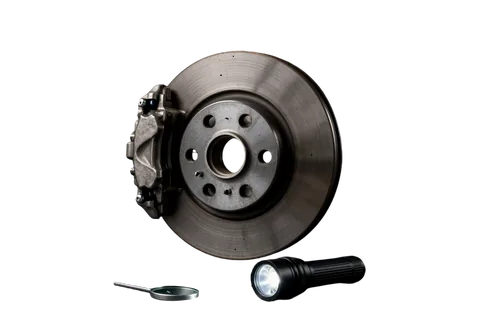
A vehicle inspection is a mandatory procedure for checking the technical condition of a car, which confirms that your vehicle is safe for you and other road users.
Car buyout in Almaty is a service where a specialized company or a private reseller quickly purchases your vehicle.
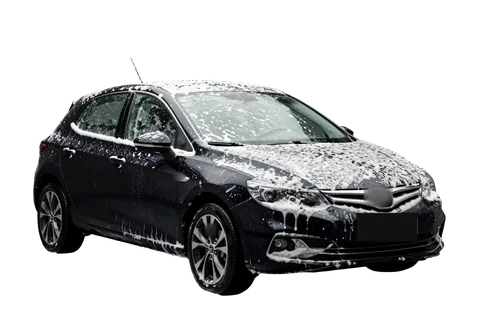
Many drivers in Almaty perceive a car wash as a purely cosmetic procedure: you arrive, wash, and leave.
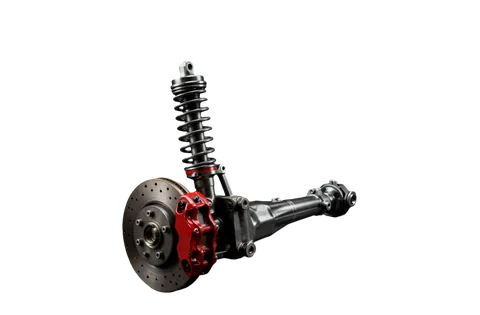
Car repair is a set of works to restore its operability after a breakdown or wear.

A Land Rover service center is a specialized service that handles the maintenance and repair of vehicles from the British brand, including models such as Range Rover, Discovery, and Defender.
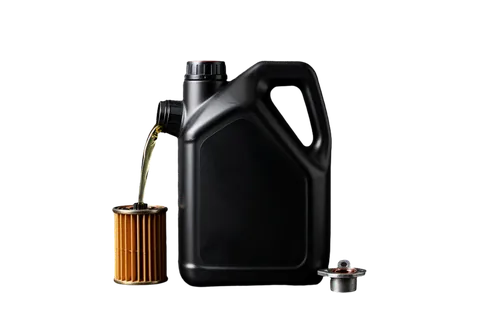
Transmission oil change is a key procedure for maintaining the operability of the gearbox.
Almaty. daily 09:00–20:00. By appointment — no queue.
Choose a platform — your review will be seen by everyone looking for a car service in Almaty. Mention the work order number in the text.
