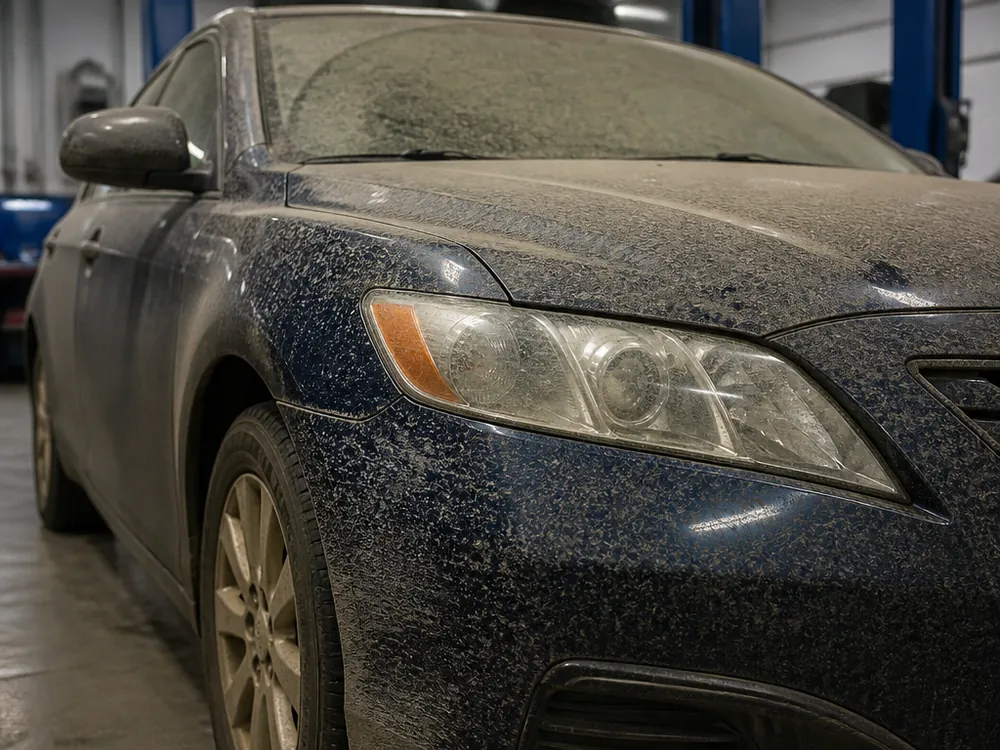
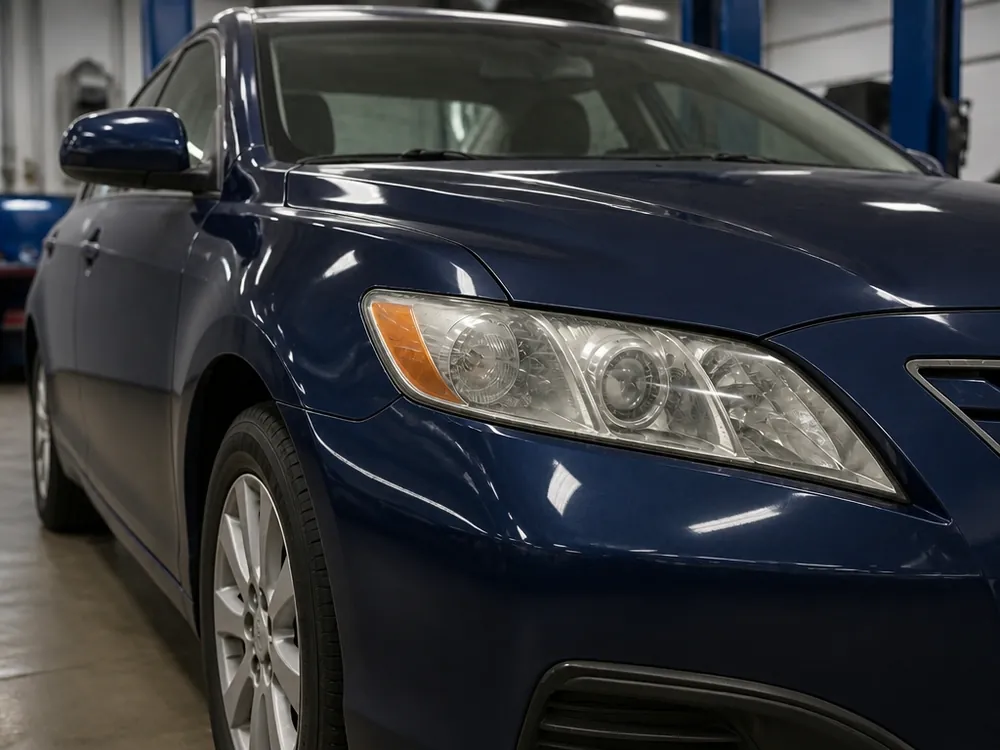
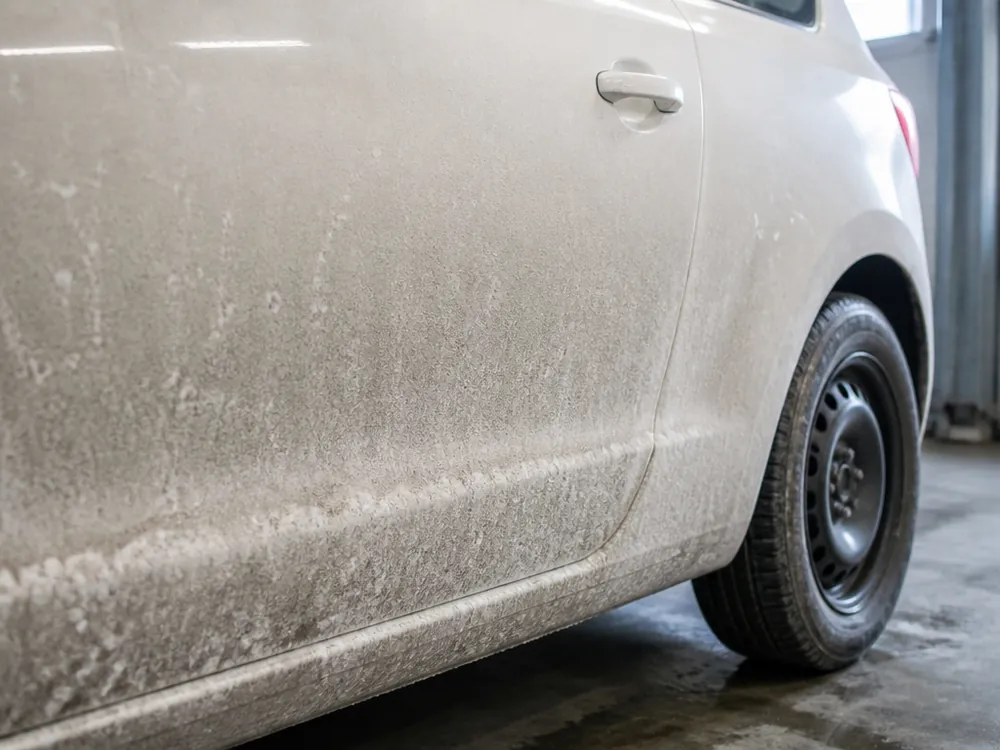
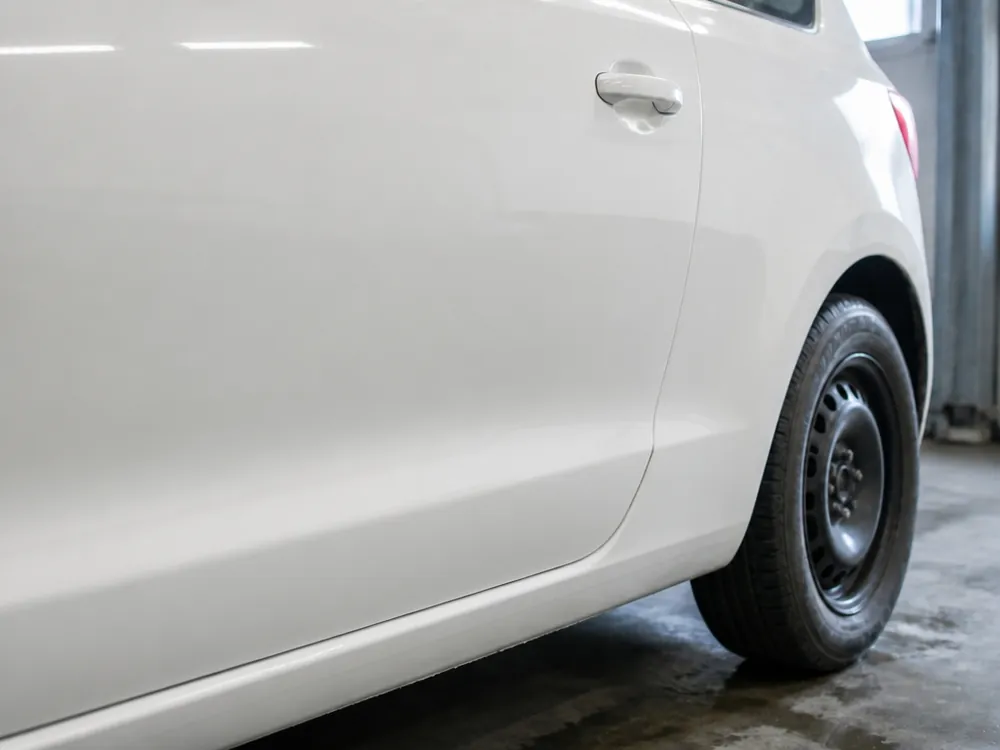
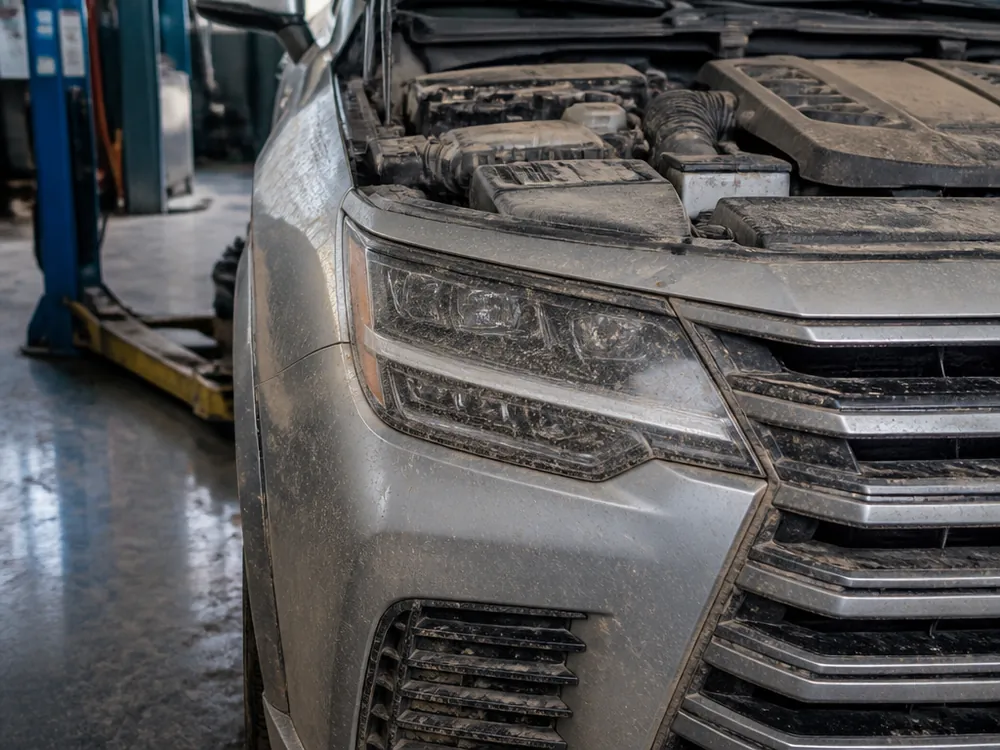
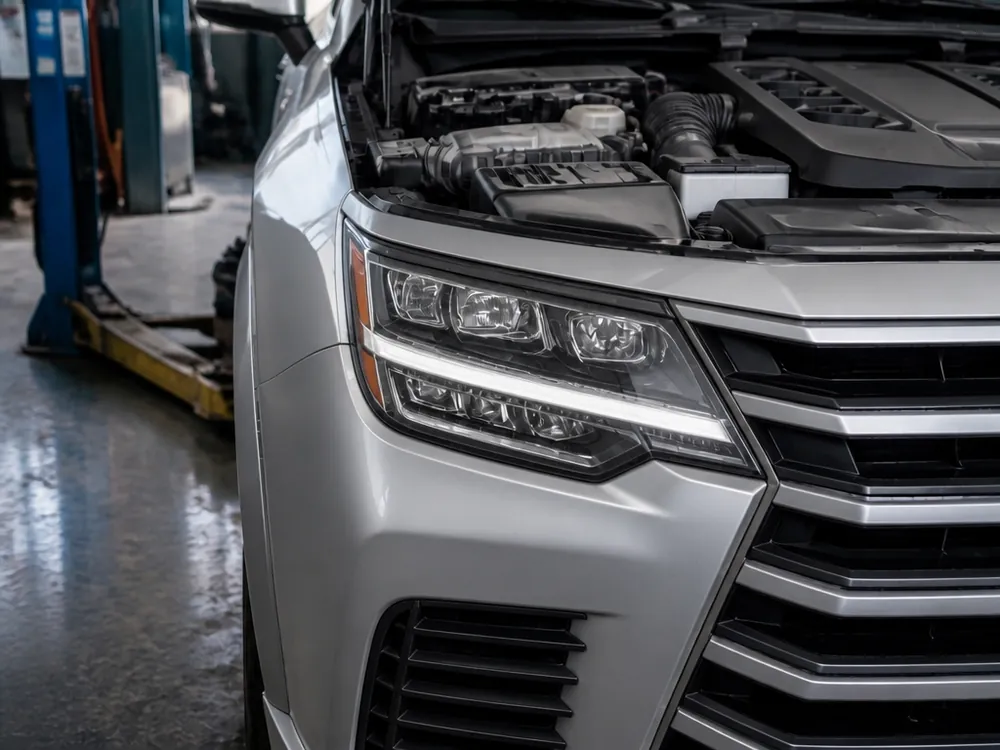
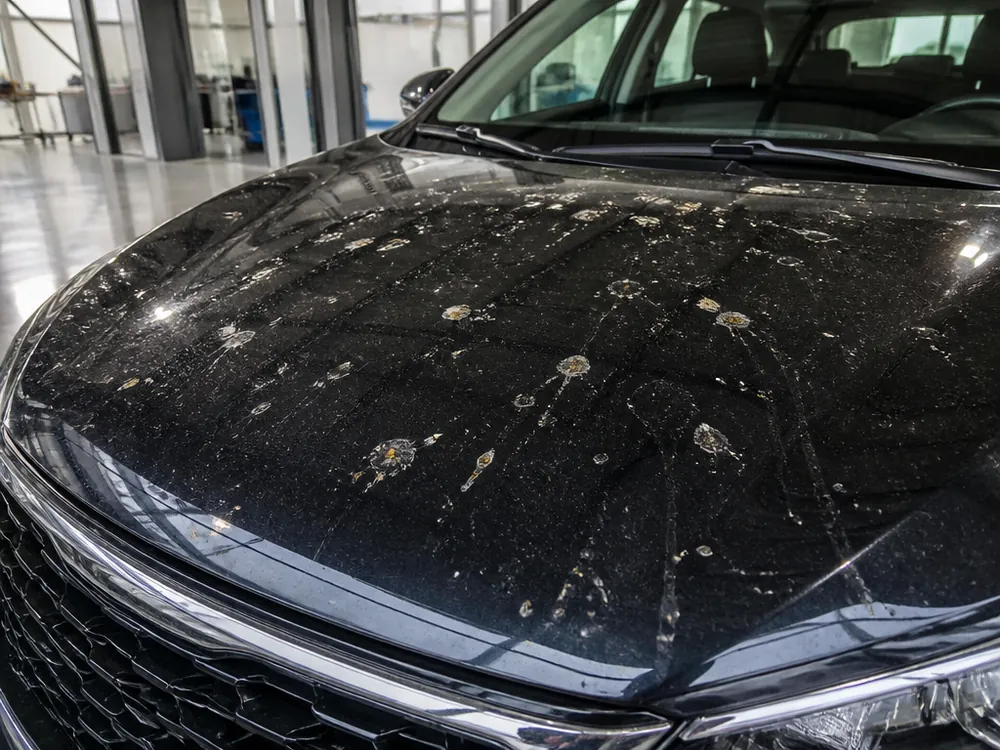
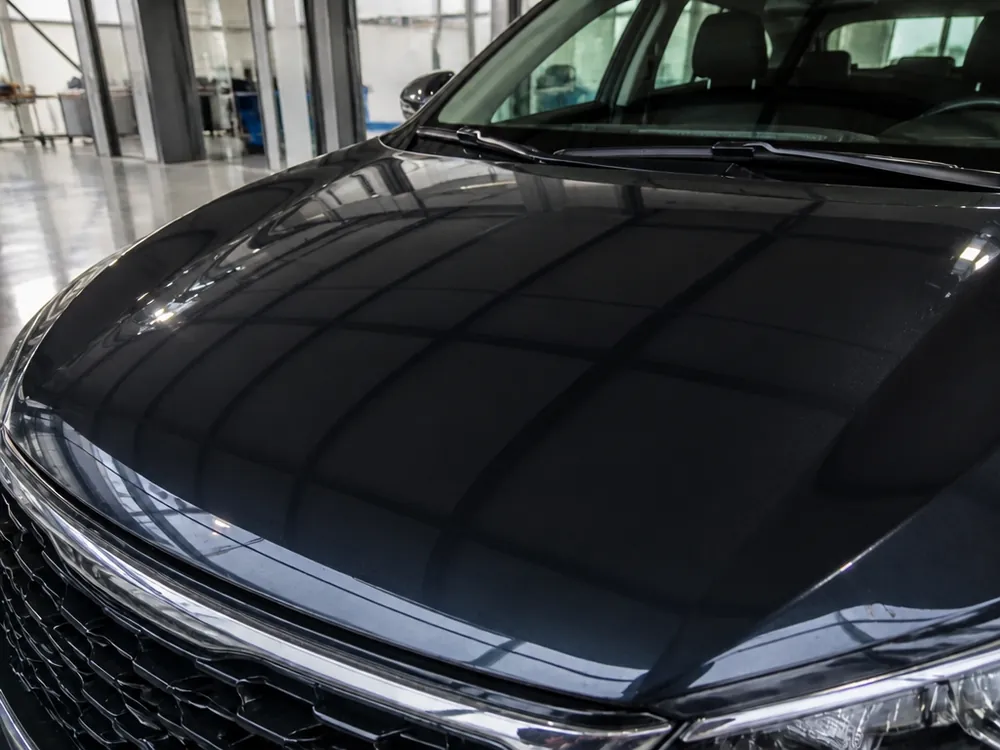
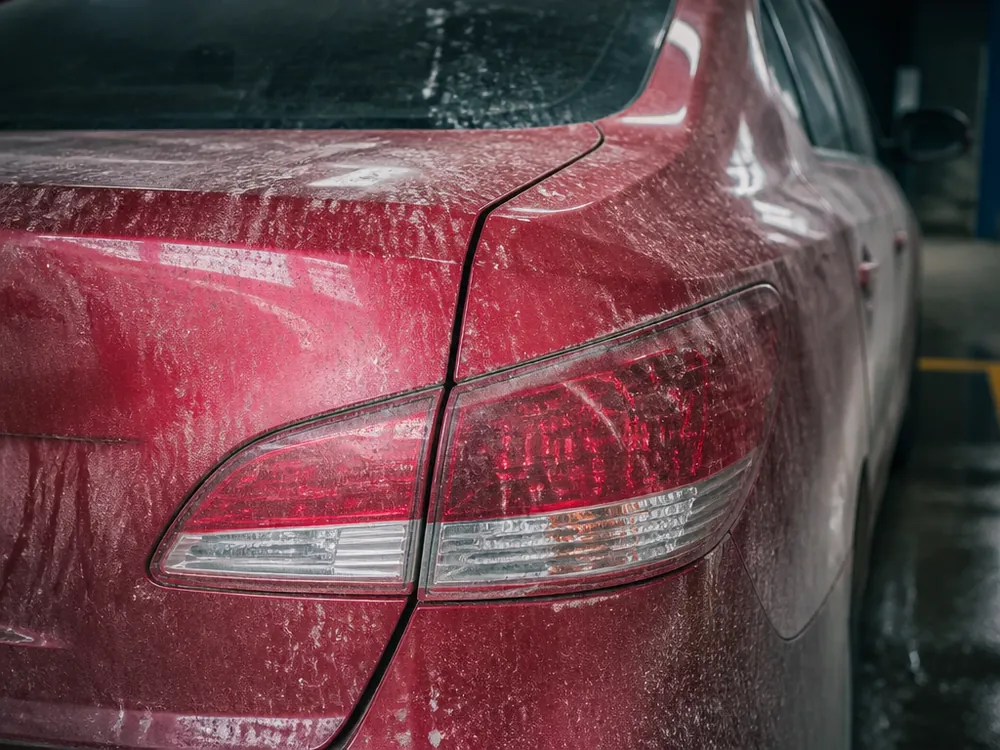
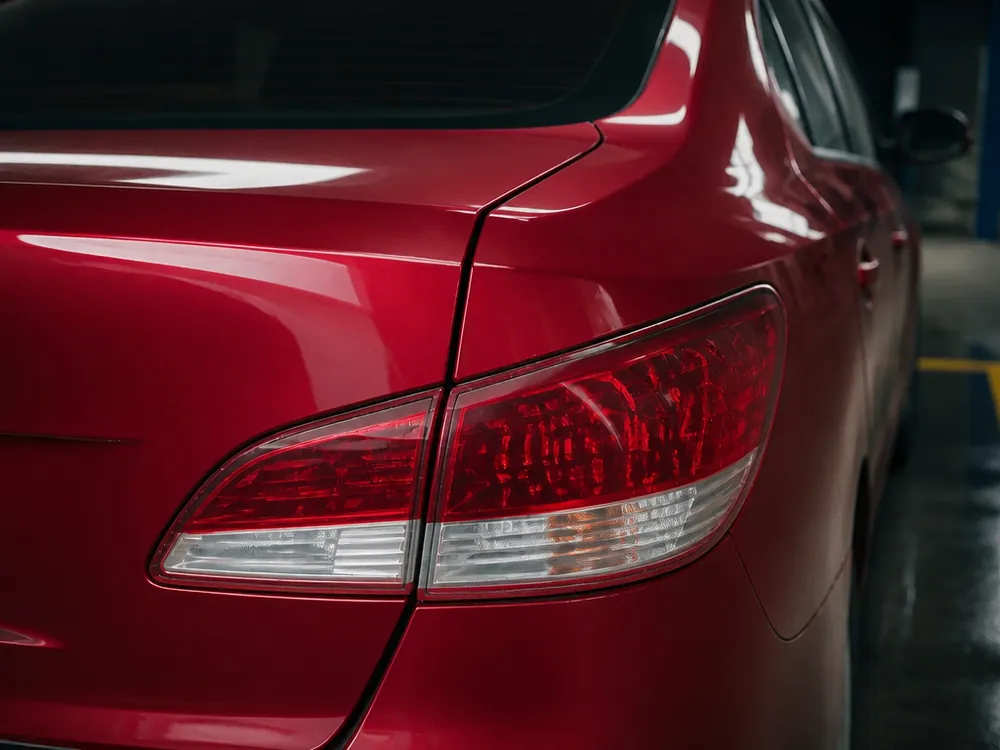
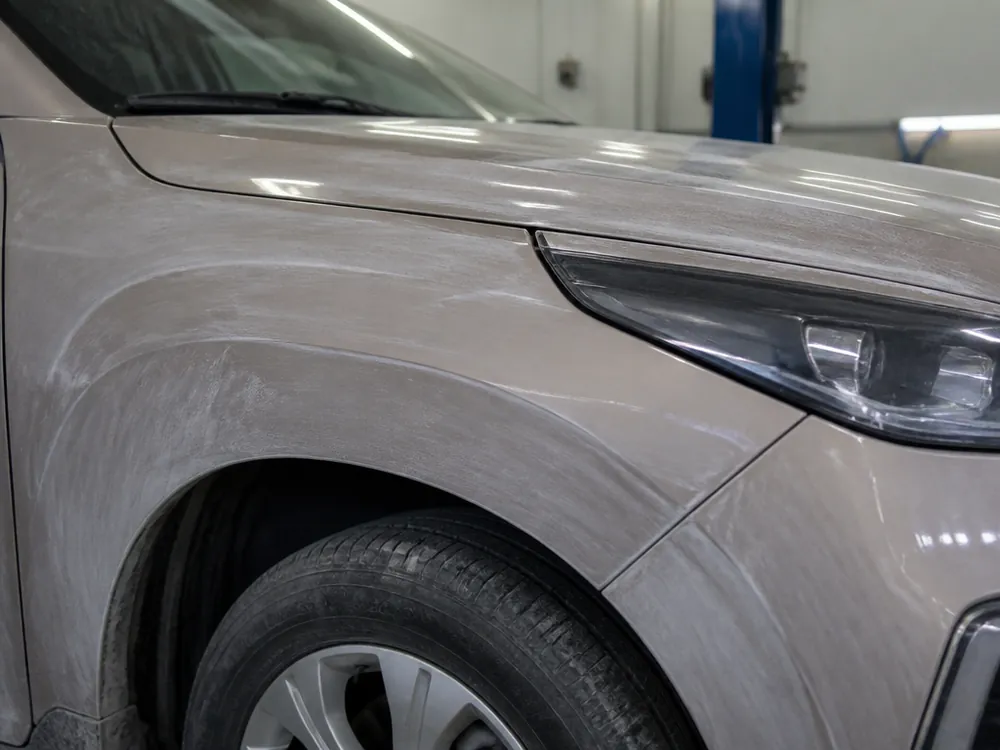
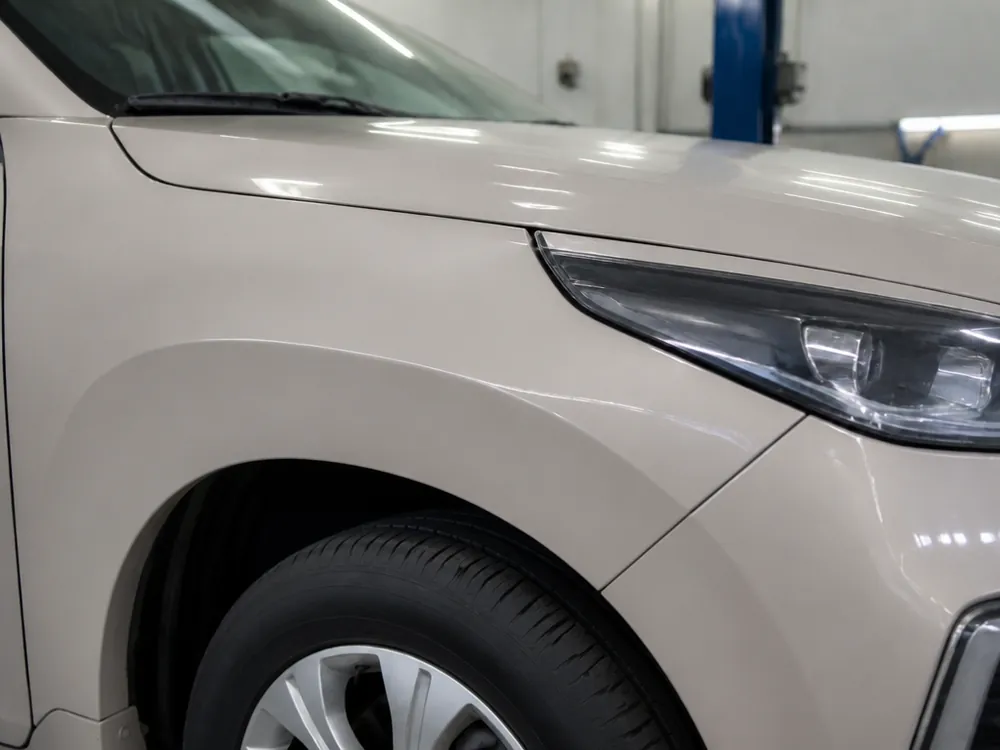
Not every car needs the full program every time, and the right choice saves time, money, and the paintwork, which suffers from extra friction.
How we choose the wash
Our car wash in Almaty starts with a quick inspection of the car. The washer checks how dirty the body, sills, and arches are, whether there is bitumen, resin, cement dust, or droppings that regular shampoo won't remove, and what condition the interior is in. If the owner came for an express wash but the body has ingrained stains, we honestly say the quick program won't remove them and offer a separate removal. If the car is just dusty, there's no point paying for the full package. For SUVs and minivans, we explain why there's more work. We quote the cost and time before starting, and they don't change without the owner's consent. The technician also notes old scratches and chips so there are no disputes later. This approach saves you from unnecessary services and from disappointment after pickup.
Express or full wash
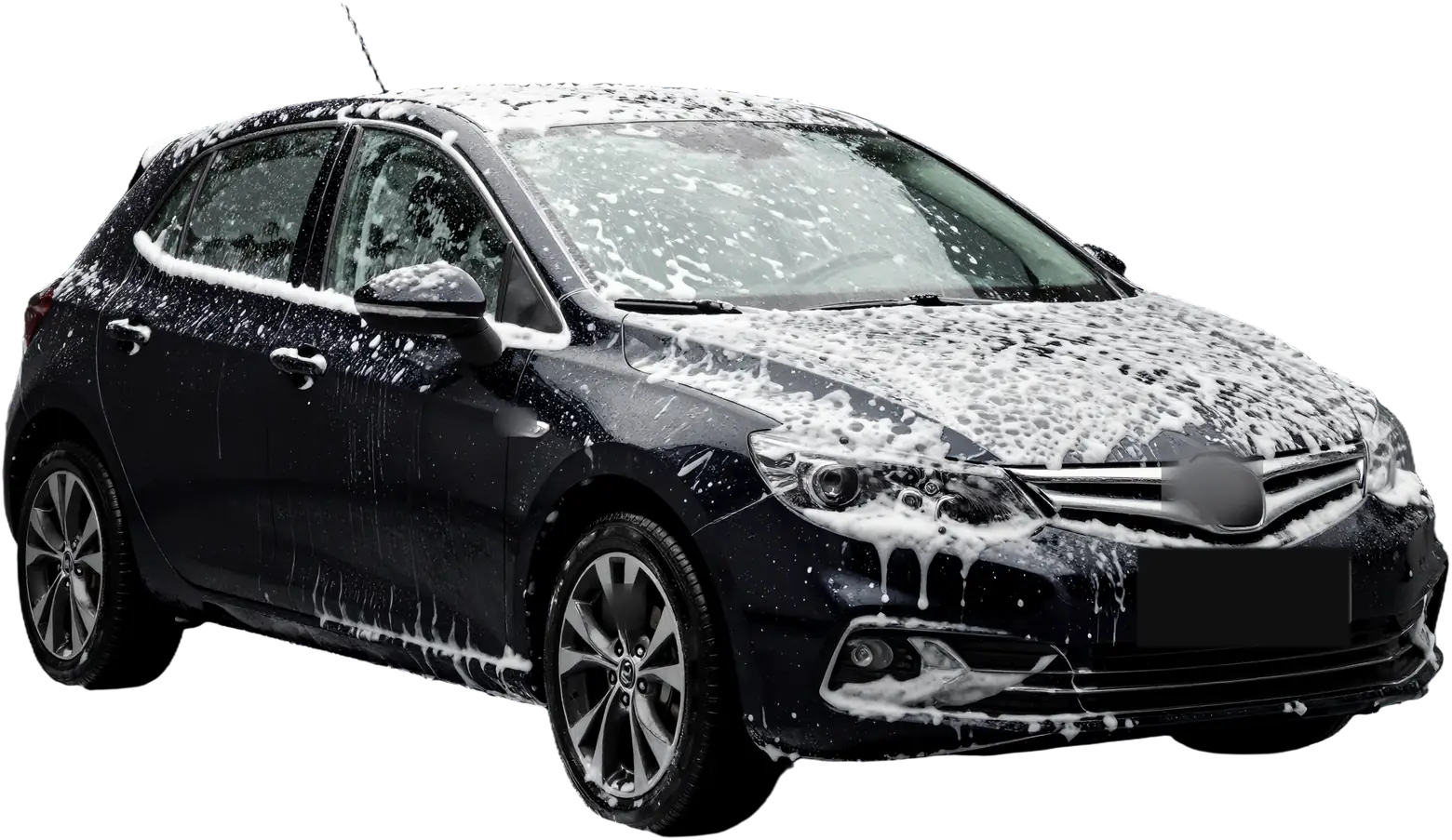
The express program refreshes the body, while the full one removes dirt from seams, sills, arches, and the interior. The express program is handy between full washes, when the car is just covered in city dust: the body is washed, dried, and you can drive on shortly after. Floor mats, the interior, and the sills from the inside are not included. The full package takes longer, but afterward the car is clean both inside and out, and salt and sand don't stay in the door openings and on the edges. A sensible rhythm for most owners is an express wash as needed and a full one every two to three weeks, and more often in winter. If the car sits under trees or next to a construction site, the full package is needed more often, because tree sap and cement work their way into the clear coat over time.
Winter, road chemicals, and the underbody
In winter, the main threat to a car isn't snow but the road chemicals that settle underneath and along the edges of the body and quietly eat away at the metal while the owner only sees a dirty body.
Why road chemicals are dangerous
The road chemicals used to treat roads are salt and chemical compounds that melt ice but, along with the meltwater, end up on the underbody, sills, arches, brake lines, and suspension mounts. Moisture with salt stays there for weeks and speeds up corrosion many times over. Outside, the body may look almost clean, while underneath the rust spots are already spreading. That's why a winter car wash matters more than a summer one: with daily city driving, the car should be washed every one to two weeks, always including the underbody and arches. If the car spends the night in a warm parking garage, the salt works even more actively because it doesn't freeze. The white streaks on the body after it dries are the same road chemical, and you shouldn't rub them with a dry cloth: salt crystals scratch the clear coat like sand.
Underbody and arch washing
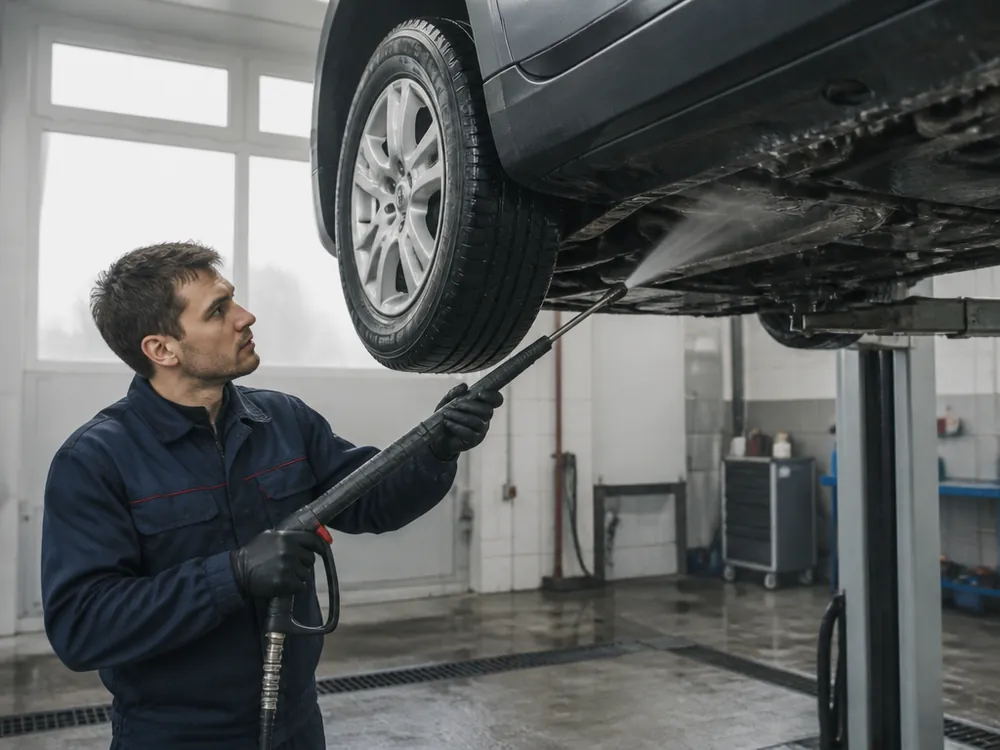
We wash the underbody and wheel arches under pressure on a lift. The car is raised, and the washer runs the jet along the frame rails, the sills from the inside, the suspension mounts, the fuel tank, and the exhaust system, knocking salt and dirt out of the corners and cavities that regular washing doesn't reach. After coming back from off-road, we wash out the sand and clay the same way, which pack into the arches and onto the engine skid plate. At the same time, the condition of the underbody is visible: if the undercoating has peeled in places or rust has appeared, the technician will point these spots out so the owner can take care of the protection in time. It's convenient to combine underbody cleaning with a full body wash, so the car is completely clean. In winter, after such a wash, we blow out the locks and seals so the doors don't freeze shut in the cold.
We remove and wash the fender liners separately
If needed, we remove the fender liners and wash them separately, then put them back. Over time, a thick layer of dirt, sand, and salt builds up behind the plastic fender liner, holding moisture right against the metal of the fender and arch. You can't see it from outside, and the water jet during a regular wash doesn't reach it. This abrasive constantly rubs against the metal as the car moves and vibrates, and this is exactly where fenders start to rot from the inside while the paint outside is still intact. Removing the fender liners takes time, so we recommend this job once a season, especially in spring after winter and in fall before it. We take care of the fender liner fasteners: worn clips are replaced so the plastic doesn't rattle and doesn't rub against the wheel.
Body protection after a car wash
A clean body gets dirty again quickly if the clear coat is exposed to dust and water, and in winter the locks, mirrors, and seams stay wet and freeze overnight.
Protective polish
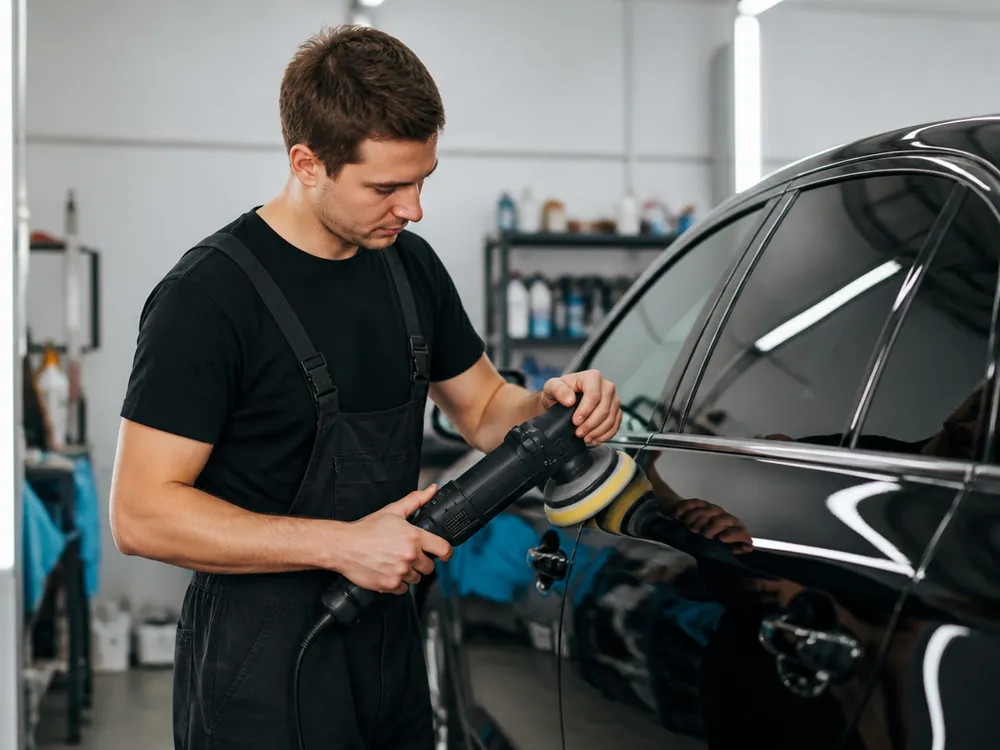
We apply the protective polish, a liquid wax, in a thin layer to a clean, dry body and buff it out. The wax seals the micropores in the clear coat, and dust, road chemicals, and water cling less to the smooth surface: droplets roll off, and dirt washes off more easily at the next wash. This coating lasts about two months, after which it's worth renewing. It's not a replacement for ceramic or film, but it's a simple and inexpensive way to keep the body clean longer and protect the clear coat from the sun and salt between washes. The polish is especially useful before winter and after body polishing, when the clear coat has no protection. Applying it to a dirty or wet car is pointless, so the polish is the last step of the wash, after thorough drying. It also adds shine, especially on dark colors.
How to keep your car clean longer
- Polish: renew the protective layer every couple of months, especially before winter and after body polishing.
- Bird droppings and tree sap: remove them as quickly as possible, they work into the clear coat in the sun within a few days.
- Dry wiping: remove dust with a soft microfiber cloth, not a dry rag or brush, so you don't leave scratches.
- Parking: if possible, don't park under trees with sticky leaves or next to a construction site.
- Floor mats: shake them out more often during the rainy and snowy season so moisture doesn't get under the carpet.
Drying and locks in winter
Drying isn't just for looks. Water droplets drying in the sun leave white salt streaks on the body and glass that then have to be removed separately. Water left in the gaps between panels runs down onto the freshly washed body in dirty streaks. That's why the body is wiped with microfiber, and the mirrors, seams, and moldings are blown out with air. In winter, it's also a matter of getting into the car: water in the lock cylinders and on the door seals freezes overnight, and in the morning the door won't open. Blowing out the locks and wiping the seals after a wash solves this problem. If you wash the car in winter in the evening, it's especially important not to drive off into the cold while still wet, but to let it dry in a warm bay.
Interior and carpets without dampness
The interior gets dirty without you noticing, and improper cleaning leaves behind dampness and odor that are more annoying than the dirt itself before the wash.
Carpets with an extractor
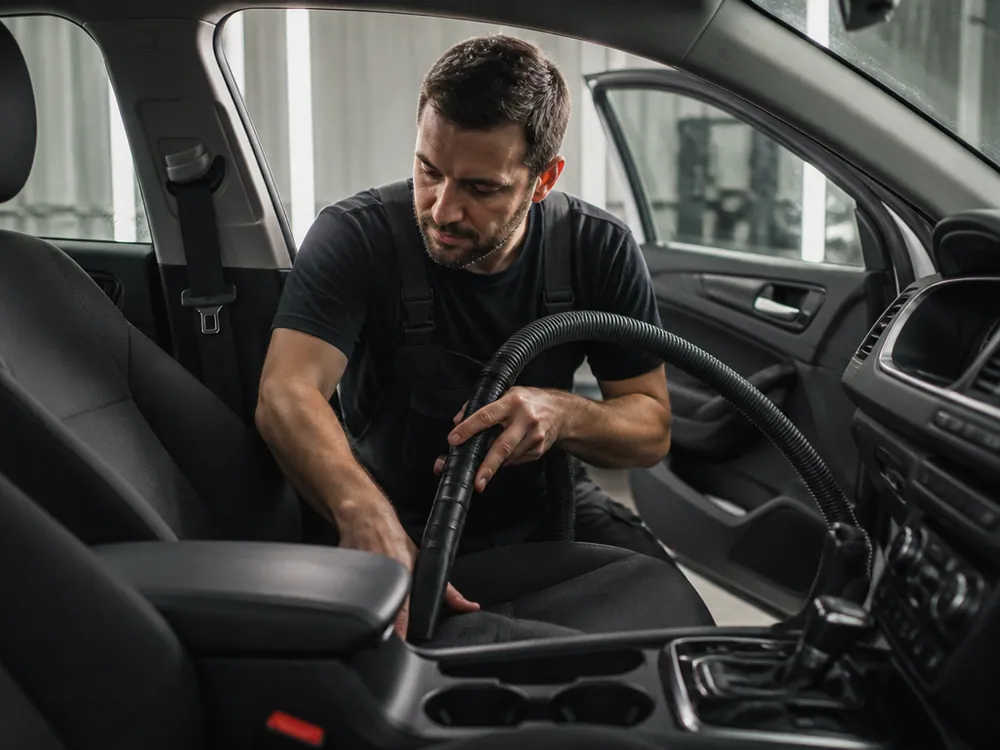
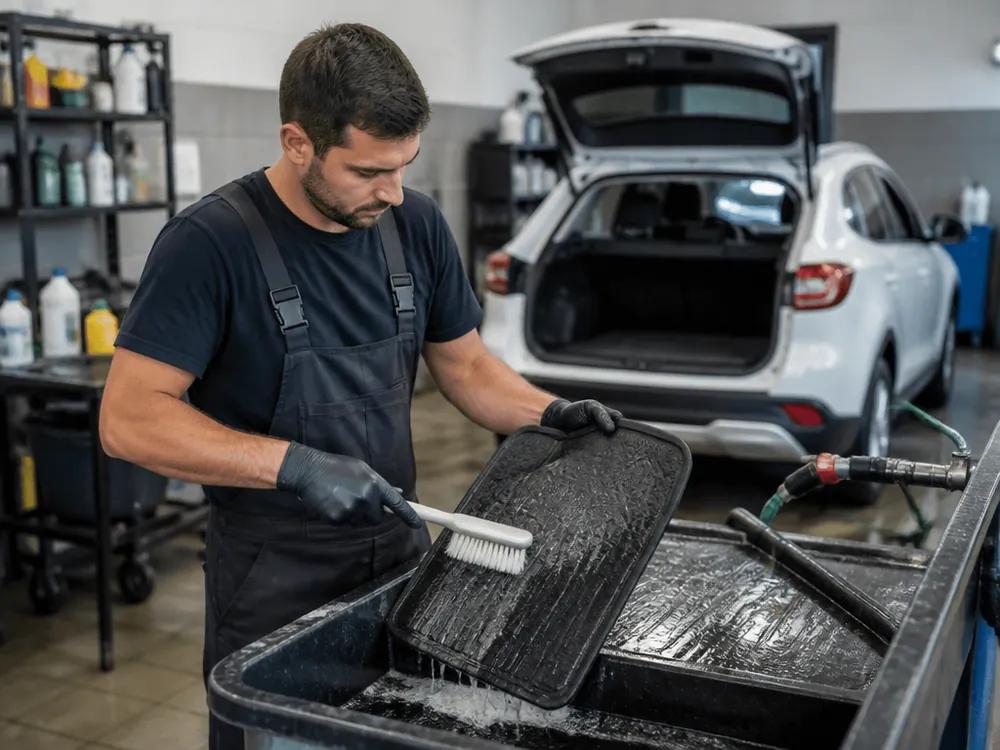
We clean carpets with an extractor: the machine sprays water with cleaning solution under pressure and immediately draws it back out along with the dirt. The pile is washed down to the base but doesn't stay wet, so the carpets don't smell musty and don't deform after drying. If you wash mats with a hose and leave them to dry as is, the water soaks into the backing, the pile mat takes days to dry and starts to smell, and the rubber one leaves puddles underneath. The extractor handles the floor carpet just as well, where sand, salt, and shoe marks build up, especially in winter. We wash rubber mats separately with a brush and shampoo, dry them, and only then put them back in the interior. That way moisture doesn't get under the carpet, where it's almost impossible to dry without removing the seats.
Spot and full interior detailing
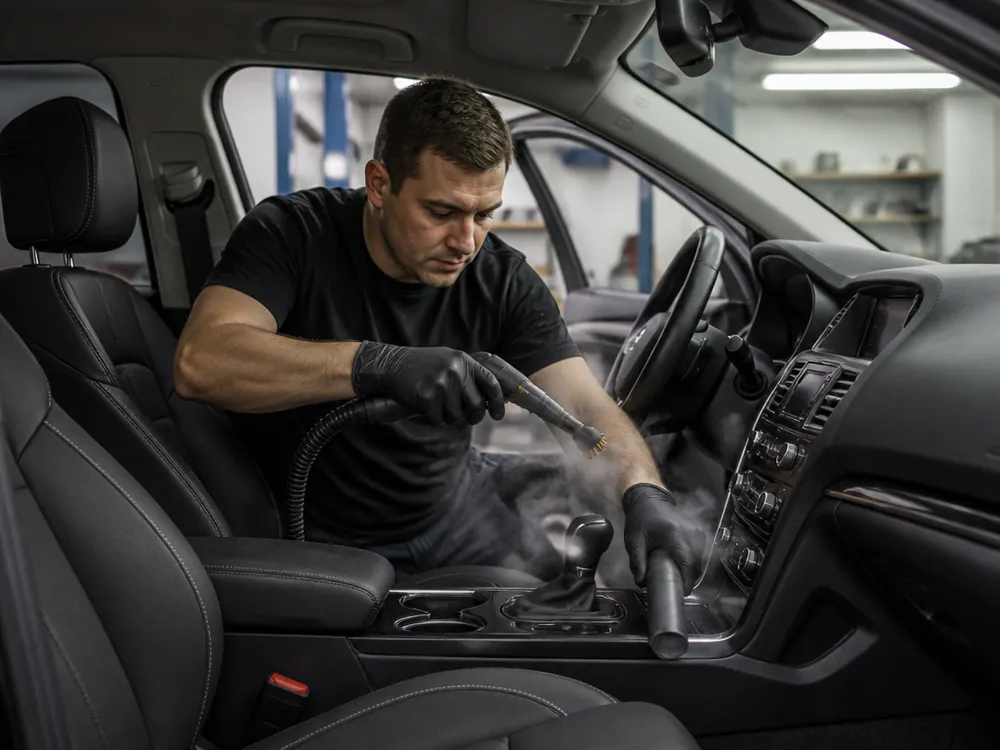
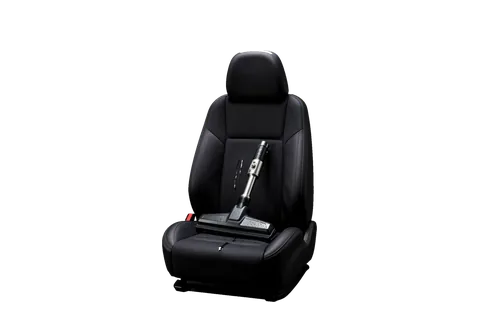
Detailing can be done by zone or for the whole interior. If only one spot is affected, for example coffee spilled on the driver's seat or a stain on the headliner, there's no point in cleaning the whole interior: we treat just that zone. A full detailing is needed when the interior hasn't been cleaned in a long time, someone smoked in the car or pets were transported, or the car is being prepared for sale. We clean fabric seats with dirt extraction using an extractor, and leather ones with gentle products followed by a conditioner so the leather doesn't dry out and crack. The headliner requires care: the fabric there is thin and glued on, and too much water can detach it from the backing. Then we dry the interior before handing the car back. The job time depends on the scope, and we tell you in advance.
Stains you shouldn't experiment with
- Coffee and tea: hot water and soap spread the stain wider, and the sugar in the drink then attracts dirt.
- Chewing gum and wax: don't scrape them off with a knife or the fibers tear — freeze them first or soften them with a special product.
- Ink and marker: alcohol often leaves a halo on fabric upholstery, so it's better to leave such stains to a professional.
- Leather: harsh household products dry out leather and strip the dye, leaving light scuffs on the seat.
- Headliner: scrubbing the headliner with a wet sponge is risky — the fabric comes unglued and sags, and fixing that takes longer.
Engine, Mobile Service and Choosing a Car Wash
Besides the body and interior, there are jobs people remember less often, and one big question: how do you even tell that a wash was done well and not just rushed?
Steam Engine Wash
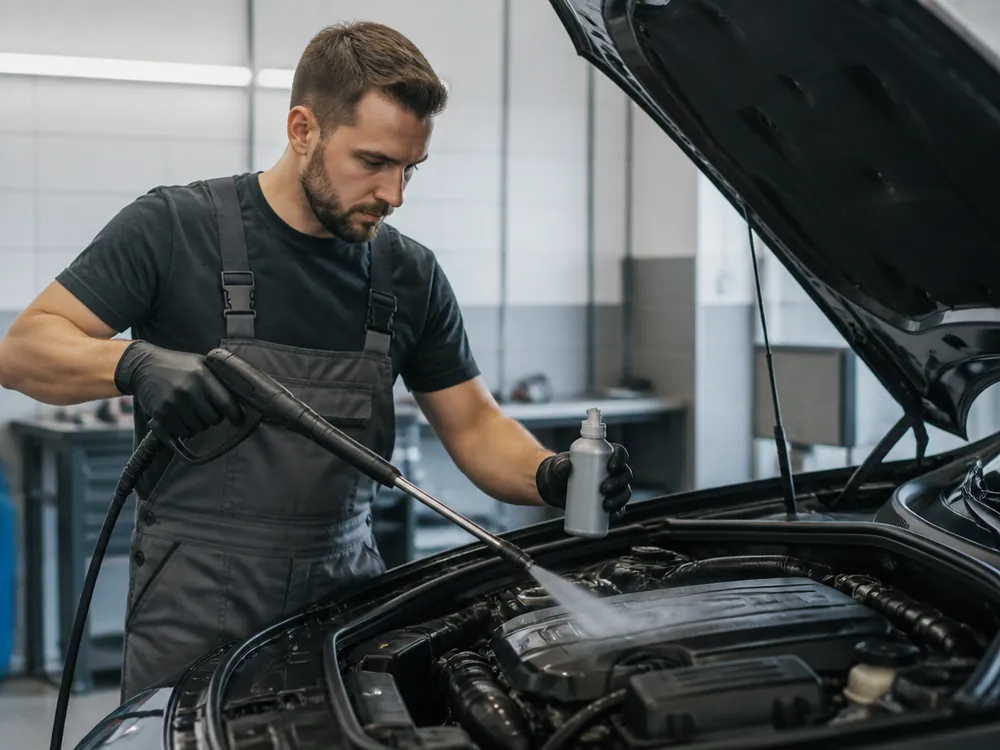
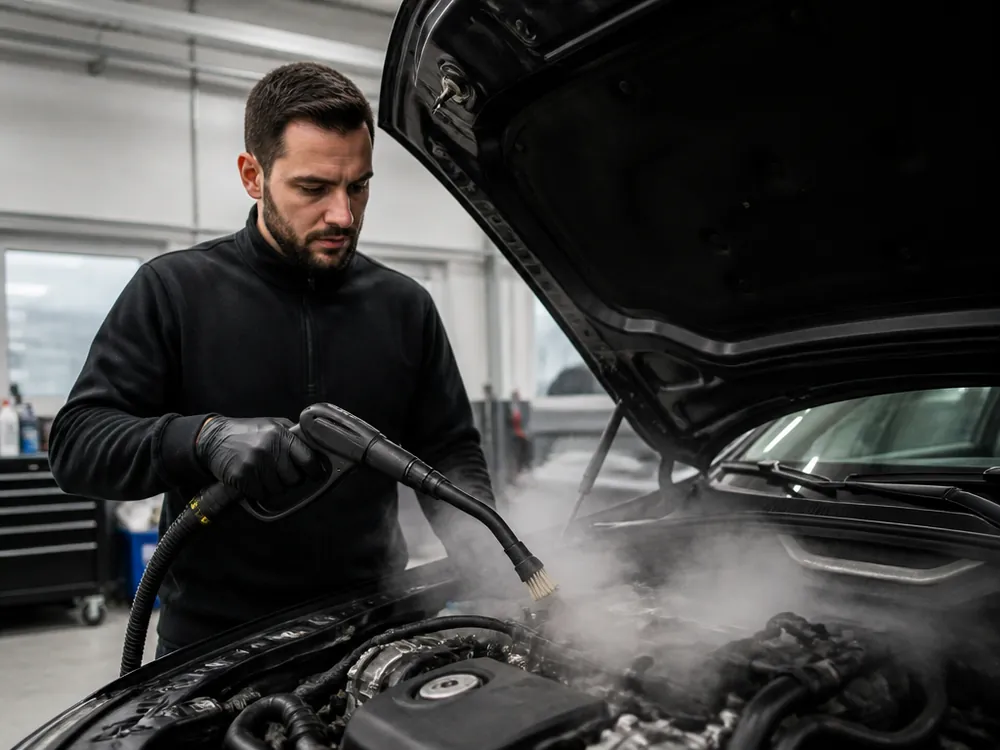
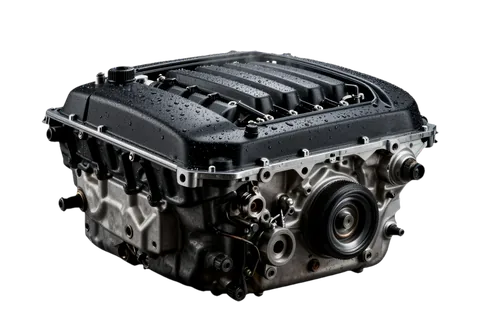
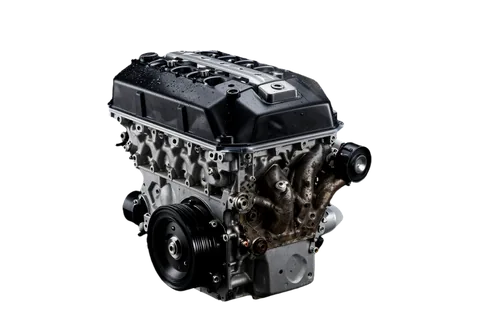
We wash the engine with steam at 150–170 °C, protecting the electrics first. Steam softens the oil film and dust and evaporates quickly, so moisture doesn't linger in connectors and spark plug wells the way it does after a water jet wash. This is gentler on control units, sensors and wiring, and plastic and rubber hoses don't dry out from harsh chemicals. Washing the engine makes sense when you need to find an oil leak, after a repair, before selling the car, or if rodents have moved in under the hood. Afterwards the bay is blown out with air, dried and the engine start is checked. We cover the procedure in detail on the steam engine wash page, but one thing matters here: washing the engine with a regular pressure jet without protecting the electrics is risky.
Mobile Car Wash
If there's no time to drive to a car wash, a washer can come to your home or office with the equipment. That's convenient for busy owners, company cars and vehicles that are awkward to move right now. On site we wash the body and wheels and clean the interior, but you need a suitable spot for water and runoff: a private house yard, an office parking lot with permission, a covered parking garage. We agree on the minimum order and arrival time in advance. Some jobs require a bay and a lift, like washing the underbody and wheel arches or a deep clean with long drying, so it's better to do those indoors. On site the technician also inspects the car and will warn you if they see damage or signs of corrosion worth showing to a body shop or mechanic.
How to Choose a Car Wash
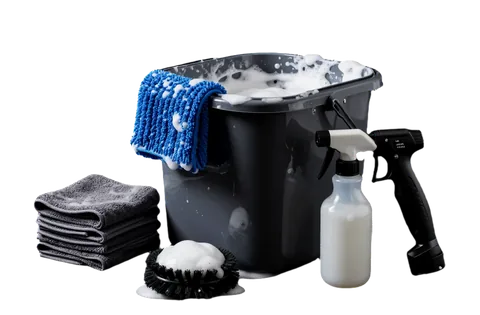
- Pre-wash: a good bay soaks the dirt with foam first and only then touches the body with a sponge, otherwise you get scratches.
- Bay cleanliness: dirty sponges and rags used on every car in a row carry sand and scratch the clear coat.
- Wheels: at pickup the wheels should be clean on the inside too, not just the outside.
- Drying: there should be no streaks on the body and glass, and no water running out of the mirrors and seams.
- Honesty: if you're looking for a car wash nearby, pick one where the price and scope of work are stated before they start.
What to Know About Car Washing
Regular car washing is not just about looks — it protects the body, interior and electrics if you choose the right type of work for the season and the task. Here's the main thing.
- Choice: a quick program is done as needed, a full one every few weeks, and in winter more often and always with the underbody.
- Road chemicals: salt from below and behind the wheel arches eats metal unnoticed, so in winter the underbody and arches are washed regularly.
- Protection: liquid wax after a wash lasts about two months and makes the next body wash easier.
- Interior: mats and upholstery are cleaned with an extractor so no dampness or odor is left behind.
- Engine: the engine is washed with steam while protecting the electrics, then blown out and dried before starting.