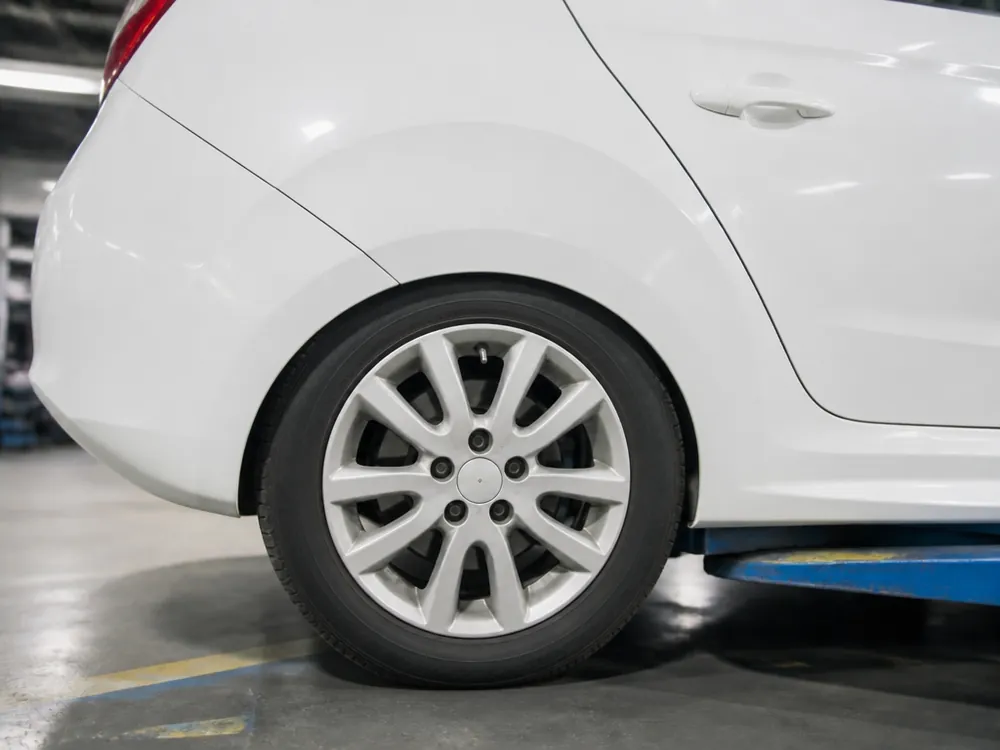
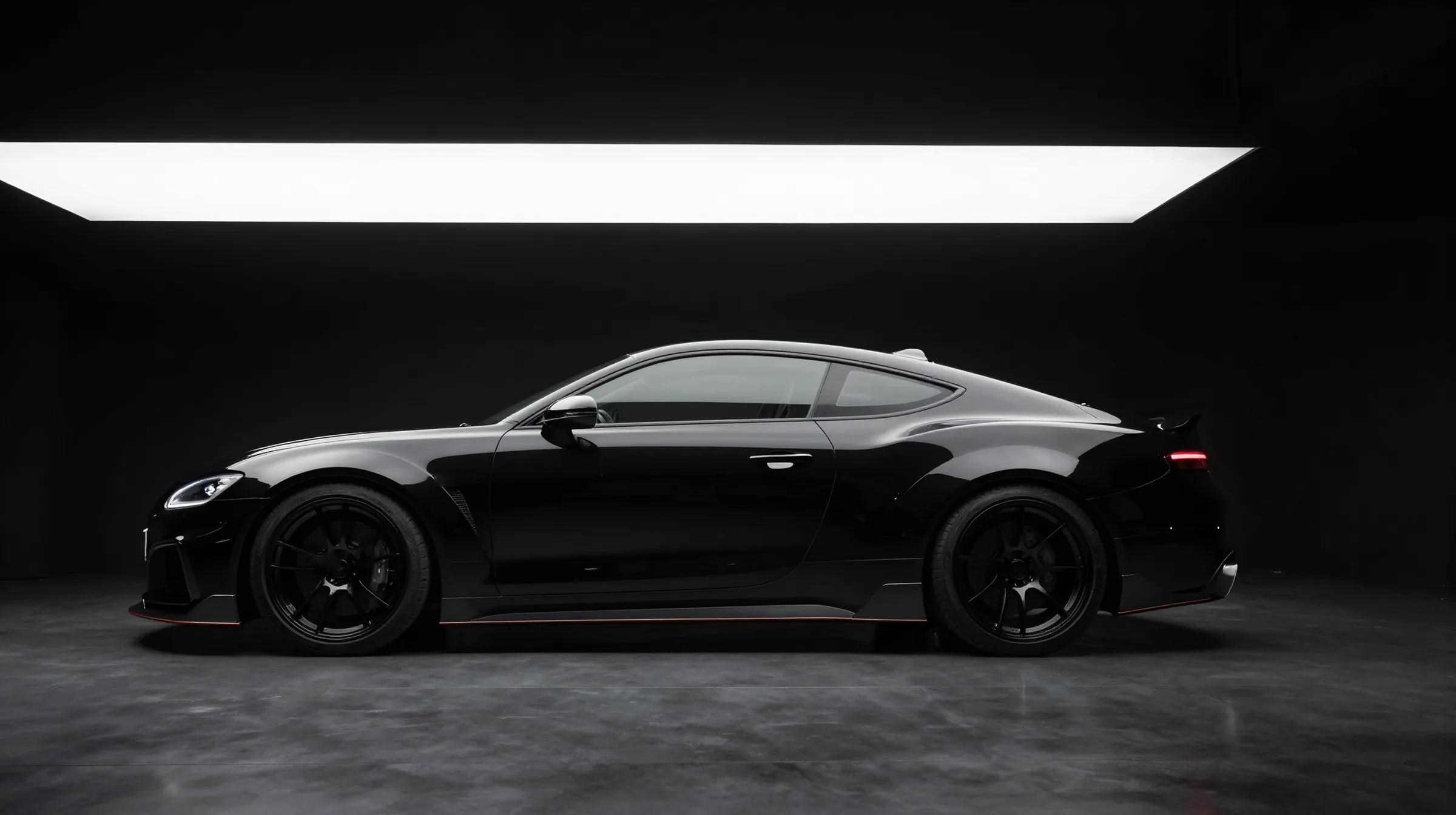
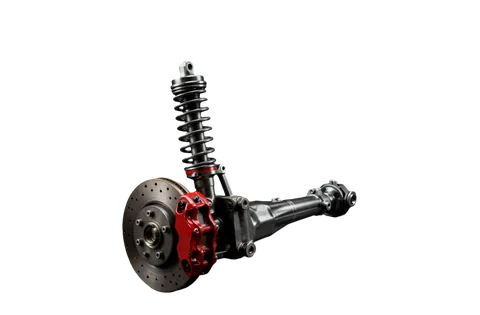
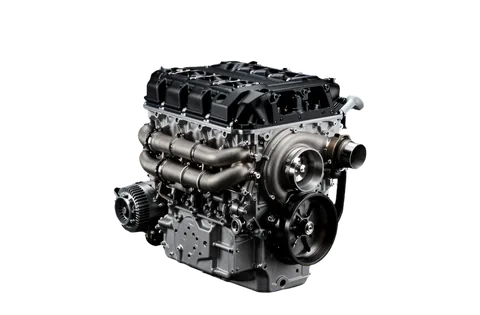
Tuning is not a single service but a set of areas: engine and exhaust, suspension, exterior trim, comfort. We break down what each area includes and where to start when choosing for your task.
What is popular in Almaty and why
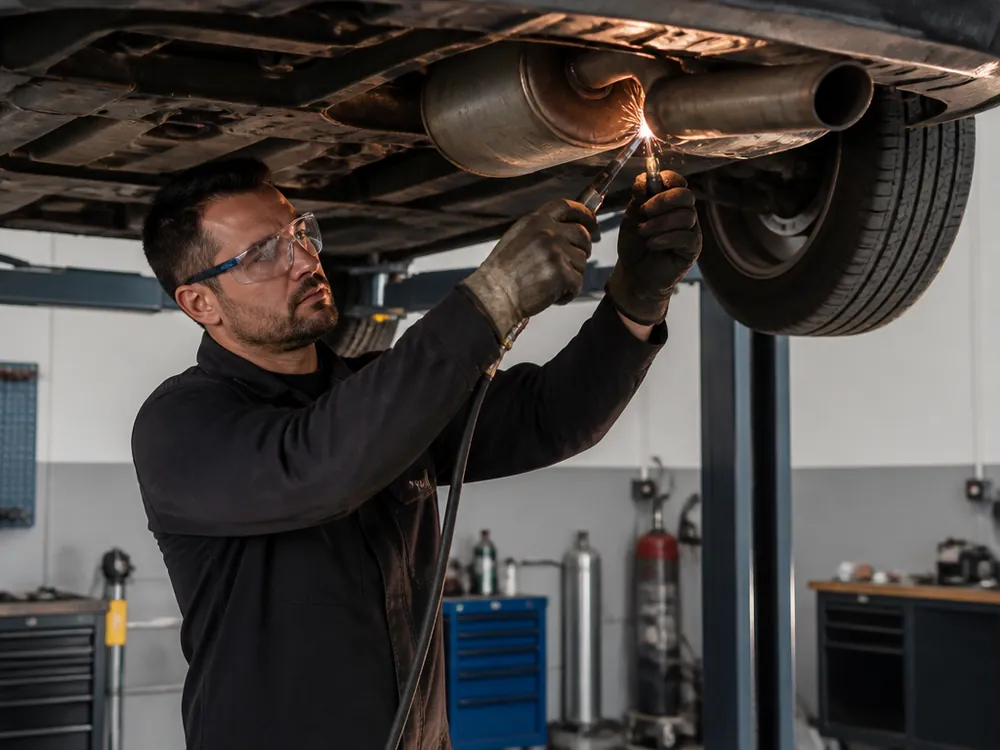
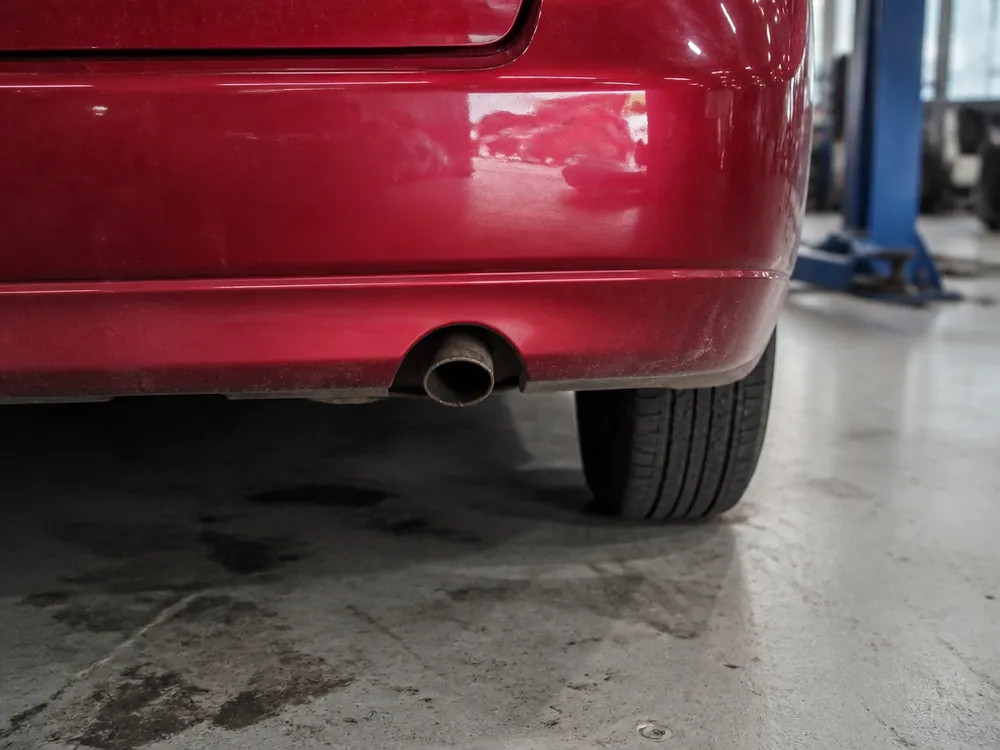
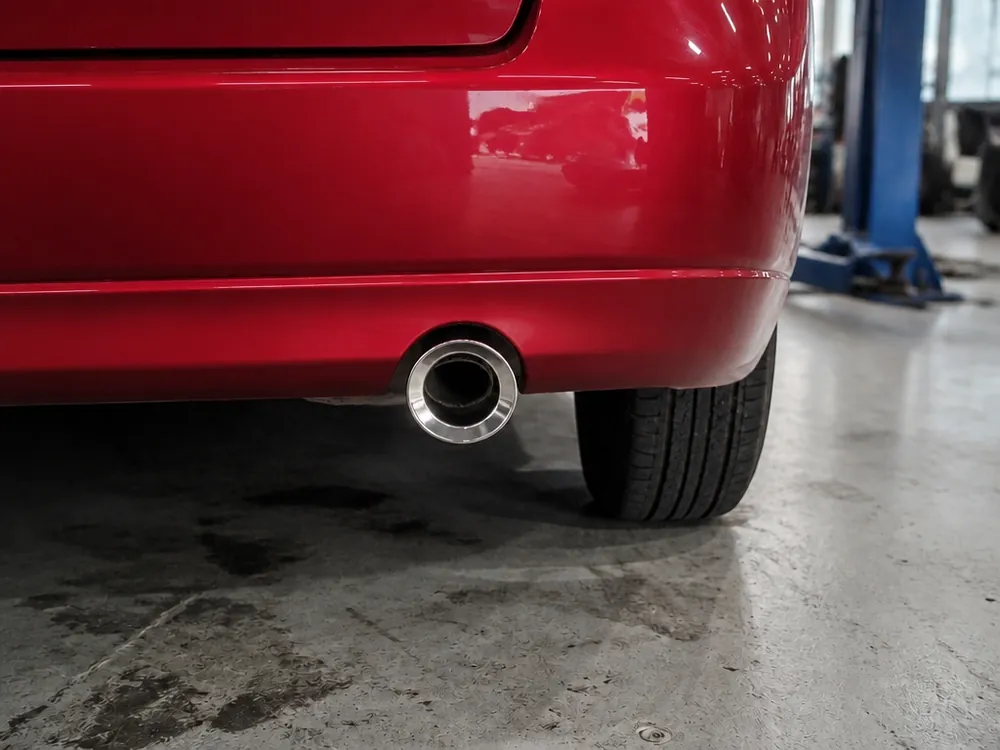
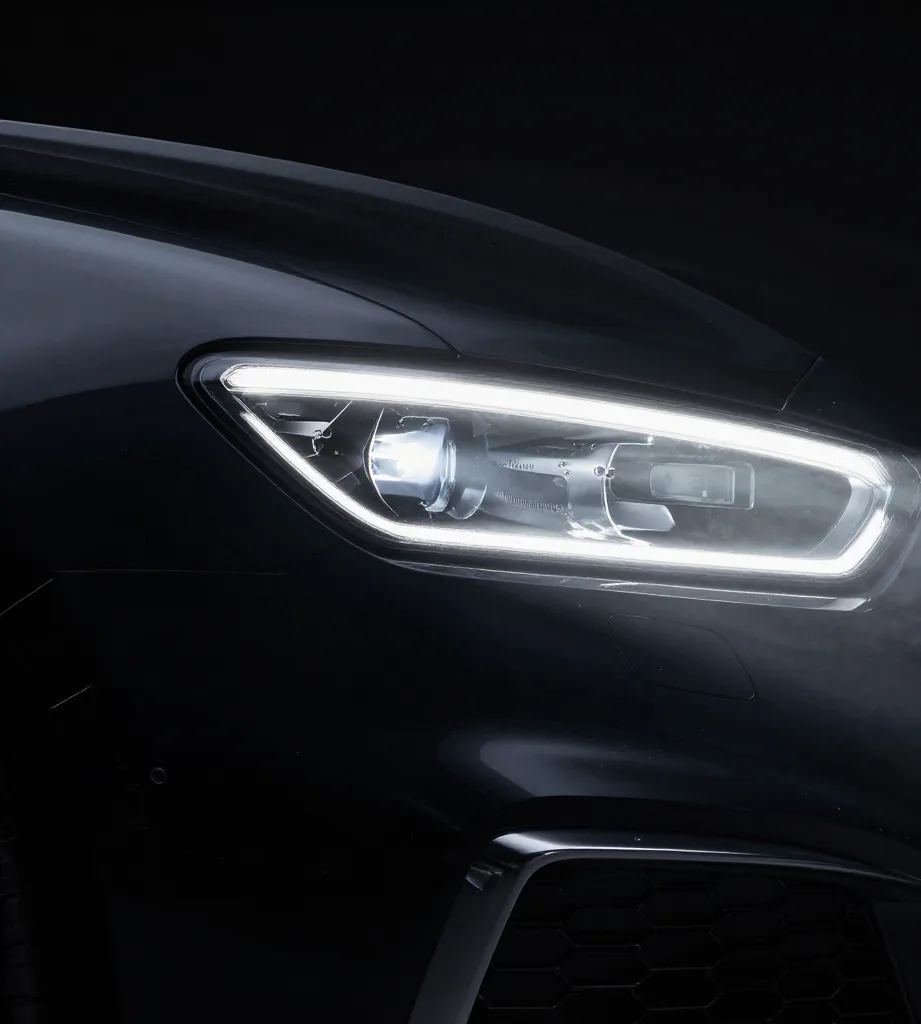
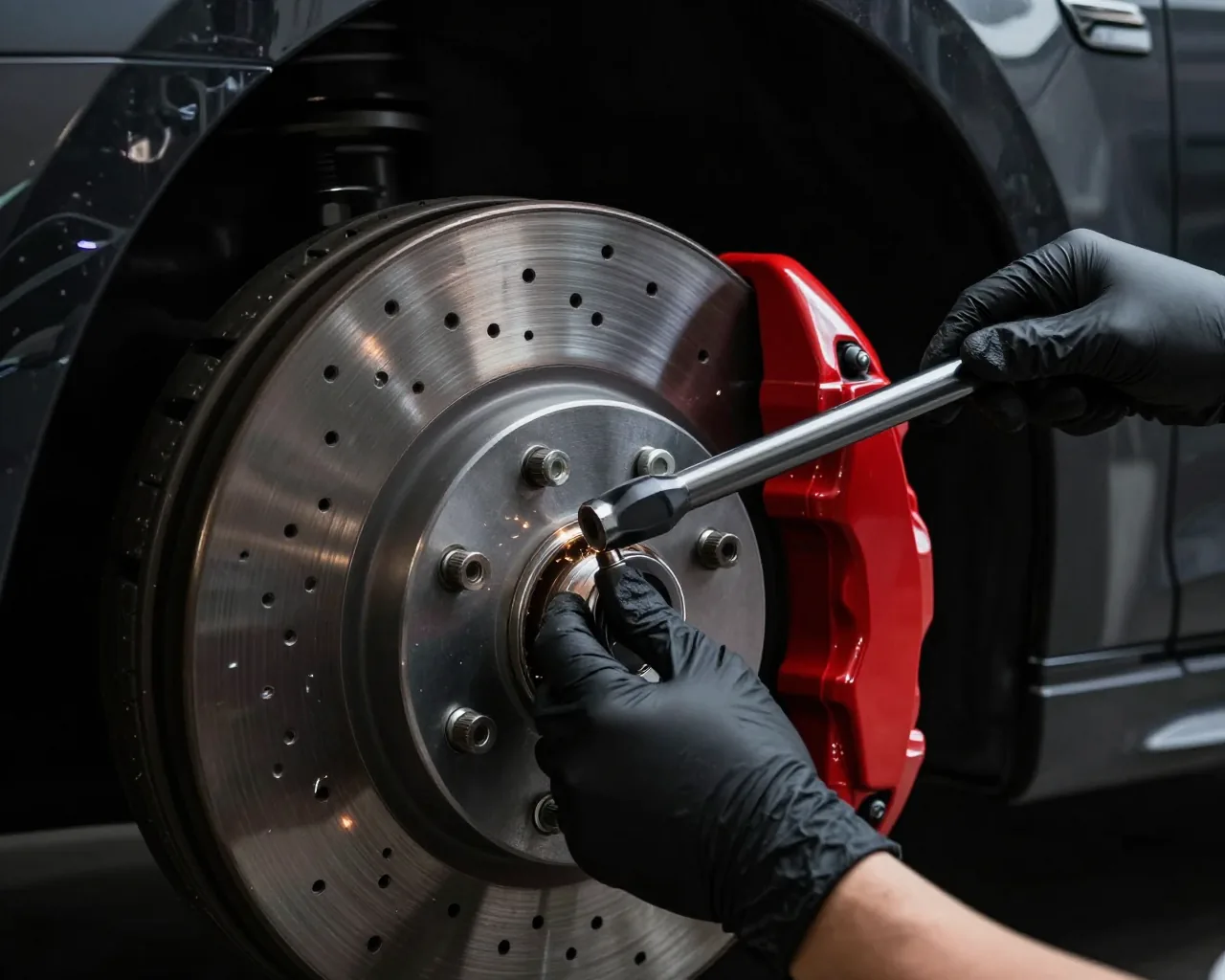
In the city, people most often choose stage 1 chip tuning, straight-through exhaust, and exterior modifications — aerodynamic kits, spoilers, headlight tinting. The demand is explained by city driving: traffic jams and short trips make the gain in low-end torque and suspension comfort more noticeable than peak power at high RPM. Car tuning in Almaty is more often ordered for specific city tasks, not for maximum numbers on the dyno. Owners of Japanese and German cars more often ask for engine and exhaust work, while on newer bodies they go for body kits and lighting. We weld smooth stainless steel exhaust with argon using 2 mm pipe and clean the seams so the straight-through doesn't burn out or rattle at 3000 RPM. We test-fit the body kit on the car and adjust the fasteners, install with sealant and clips — no squeaks or gaps. Small jobs like tinting, a spoiler, or audio can realistically be done as an urgent turnkey package in one day, while major areas require a full cycle with diagnostics and adjustment.
Comparison of areas by task and scope of work
comparison of tuning areas by task and format| Area | Task | What's included | Work format |
|---|
| Chip tuning | Torque gain | ECU flash, stage 1 | Diagnostics and adjustment |
|---|
| Exhaust | Sound and output | Straight-through, header | Argon welding |
|---|
| Turbo and supercharger | Power | Turbo, intercooler, piping | Boost measurement, adjustment |
|---|
| Air suspension | Body lowering | Kit, adjustment | Full cycle |
|---|
| Body kit and spoiler | Appearance | Bumpers, side skirts, fasteners | Fit to body |
|---|
| Headlight tinting | Lighting | Film, paint | Quick job |
|---|
Chip tuning, turbo and supercharger — what actually gives power
The three paths to power differ in price, reliability, and power delivery character. We break down how they differ and when each option is appropriate for a specific task.
What stage 1 chip tuning gives and when it's not needed
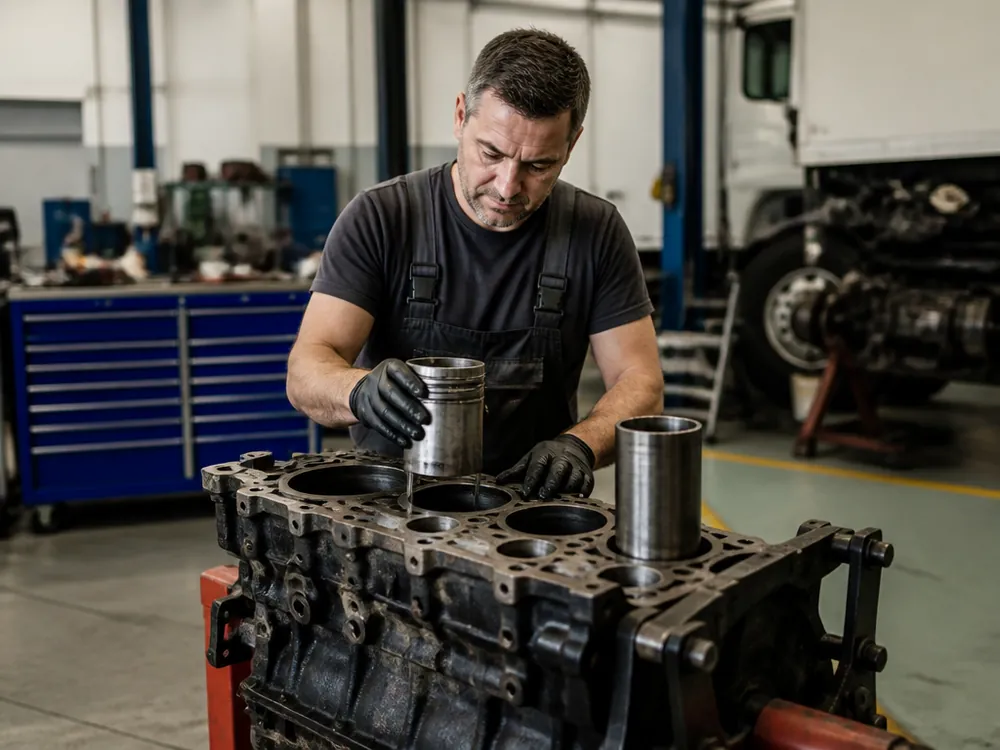
Stage 1 chip tuning is an ECU flash with adjustments to fuel maps and ignition that gives a torque gain without hardware changes. Before work, we perform computer diagnostics of the engine and ECU with dealer scanners: we check fuel trims, sensor readings, error codes in the unit's memory, condition of spark plugs and coils, and overall engine behavior under load. Only after clean diagnostics does the technician flash the ECU and check response under load. Flashing only makes sense on a healthy engine: if diagnostics show wear or errors, repair first, otherwise the modification will accelerate wear. In our practice, refusing stage 1 on a worn unit is not overcaution but a way to preserve its lifespan: forced mode simply finishes off what's already at the limit faster. This approach to car tuning pays off in engine longevity. On a healthy engine, the gain is felt in the mid-range, not at the peak — that's where the car drives in the city.
How a turbo differs from a mechanical supercharger
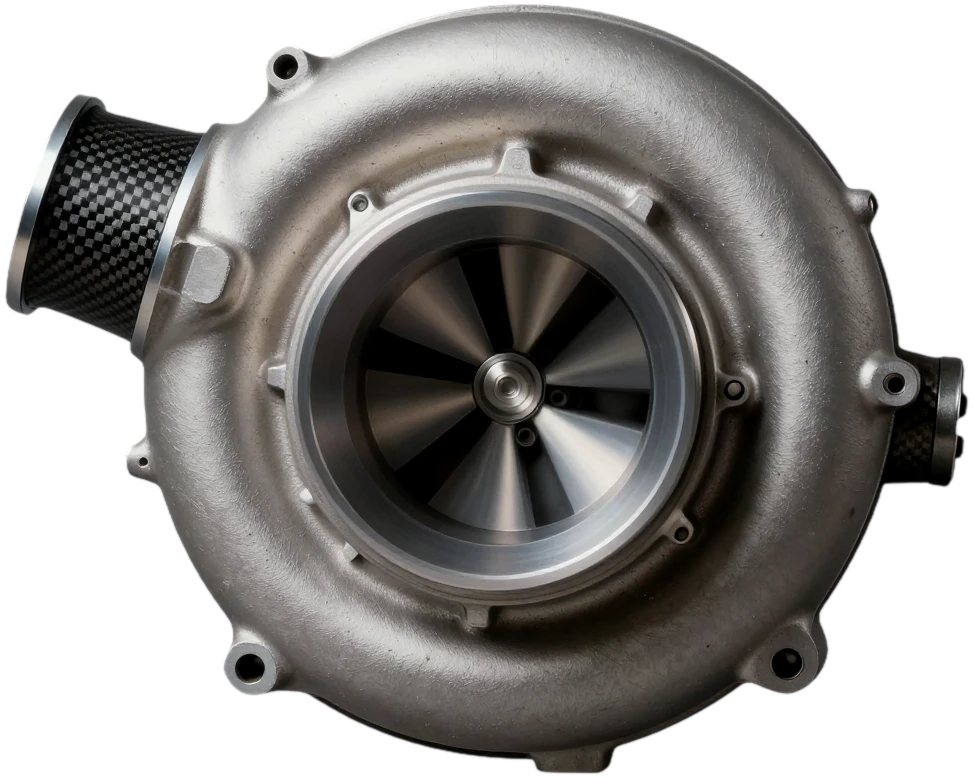
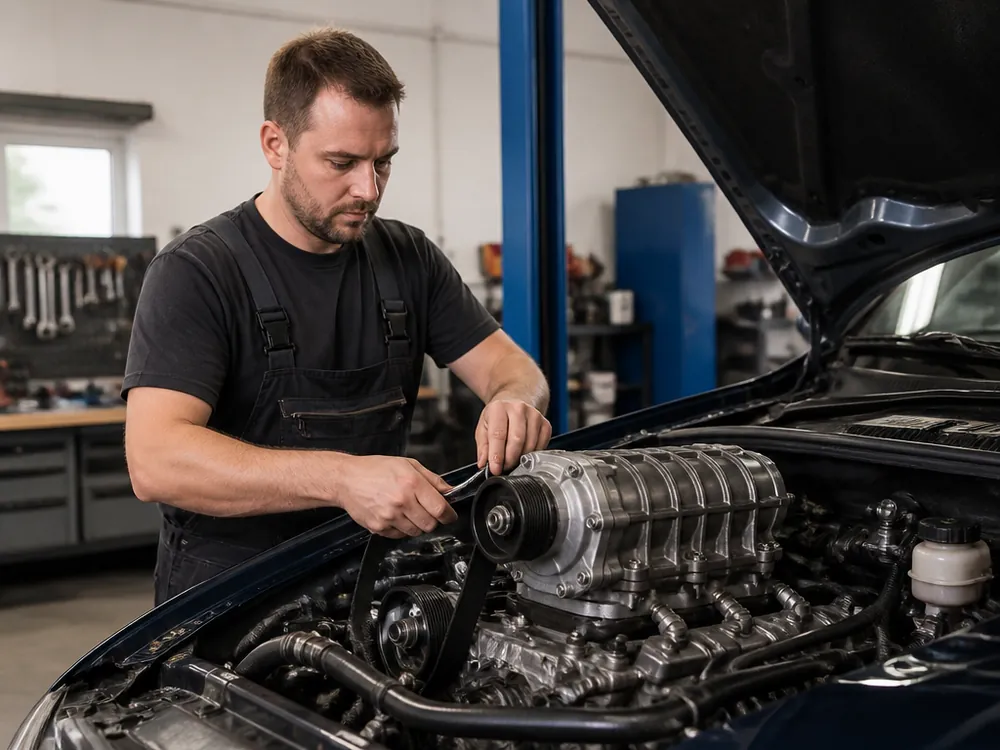
A turbo is spun by exhaust gases and delivers boost with lag, while a mechanical supercharger is belt-driven and pulls from the very bottom without a dip. The turbo works with an intercooler and piping: compressed air passes through the heat exchanger and cools, increasing charge density. The supercharger takes some engine power to drive itself, but response comes immediately with the pedal, without turbo lag. For city driving, a supercharger is often more comfortable due to instant response, while a turbo wins on the highway and for further power increases. On a naturally aspirated engine, a supercharger requires recalibrating fuel maps and knock control — without tuning, the gain risks the piston group. A turbo tolerates under-tuned boost worse: overboost at high RPM quickly damages pistons, so it's always tuned by sensor, not by feel.
How we install a turbo and check boost
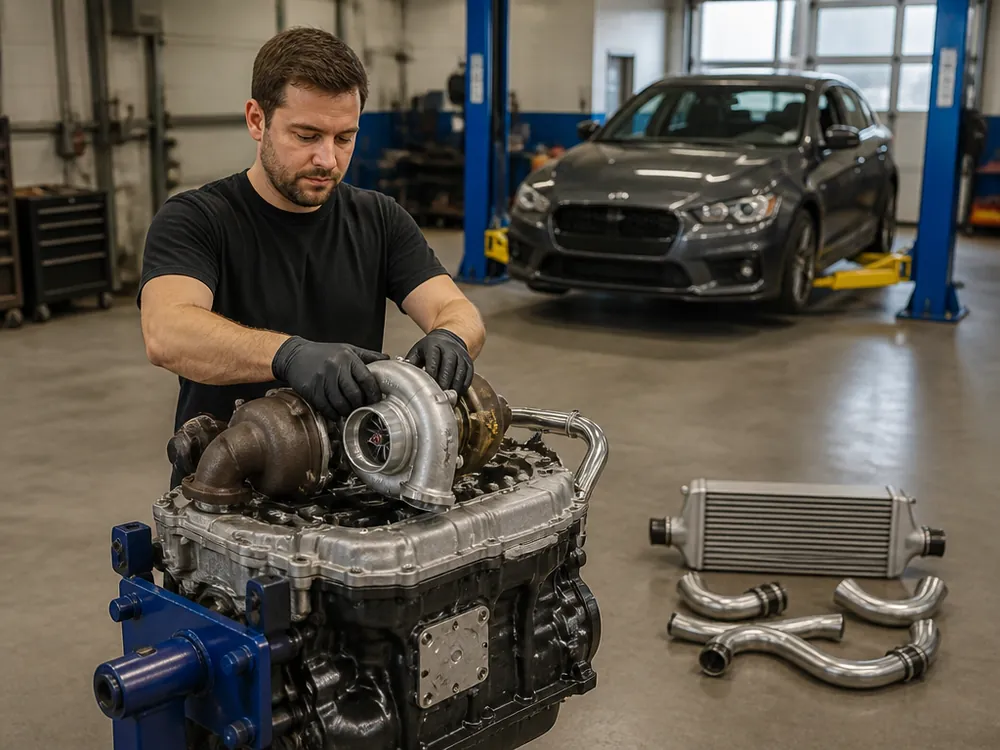
We install the turbo and intercooler, tune by pressure sensor, and check boost at 4000 RPM to avoid dips. We assemble the piping airtight and check joints for leaks — pressure loss at connections eats torque more than it seems. After assembly, we run the engine under load and take pressure sensor readings at different RPM. Boost measurement at specific RPM shows whether the system holds pressure under load, not just at idle — that's where assembly errors show up. We provide a 12-month warranty on turbocharging work, with terms and conditions recorded in the work order. If boost drops at 4000 RPM after installation, we look for a leak in the piping and check intercooler tightness — most often the cause is there, not in the turbo itself.
How car tuning goes from diagnostics to test drive
Every project starts with diagnostics and a written estimate. We show the order of stages, important details in the work, and vehicle checks before handover.
Why diagnostics and a written estimate are needed before work
First we run diagnostics and take measurements with photo documentation, put together a written estimate, and start work only after the client agrees. For the engine and electronics we do computer diagnostics of the control unit and record the parameters before any work — that's the baseline we compare the result against later. The car is received by the service advisor, who manages the work order through to handover, so all changes to the scope of work go through one person instead of getting lost between shifts. At key stages we take a photo report: you can see what was removed, what was installed, and what condition the components were in before the work. The pre-work estimate protects you from surprises along the way: if an additional problem turns up during the job, it's approved first rather than quietly added to the bill. We also start exterior car tuning with diagnostics: we inspect the body, check the mounts and gaps so the body kit and other parts sit straight.
Technical details by type of work
- Exhaust system: we weld the pipe from 2 mm stainless steel with argon, clean the seams — the straight-through exhaust doesn't burn through or rattle at 3000 rpm.
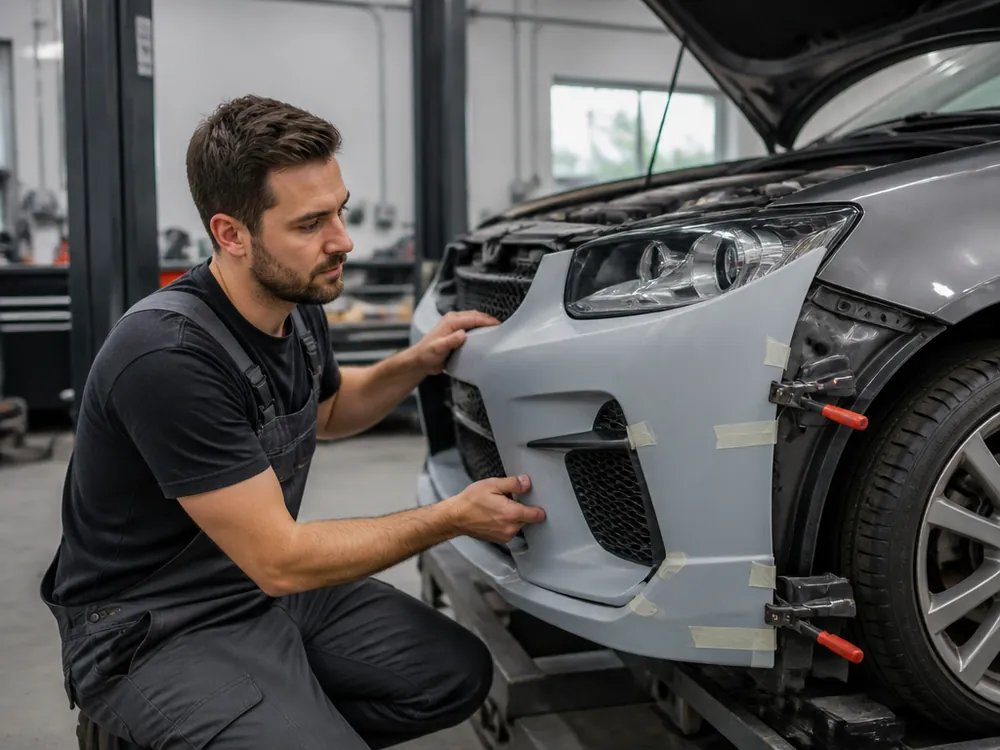
- Body kit: we test-fit the kit on the car, adjust the hardware, mount it on sealant and clips — no squeaks and no gaps along the body.
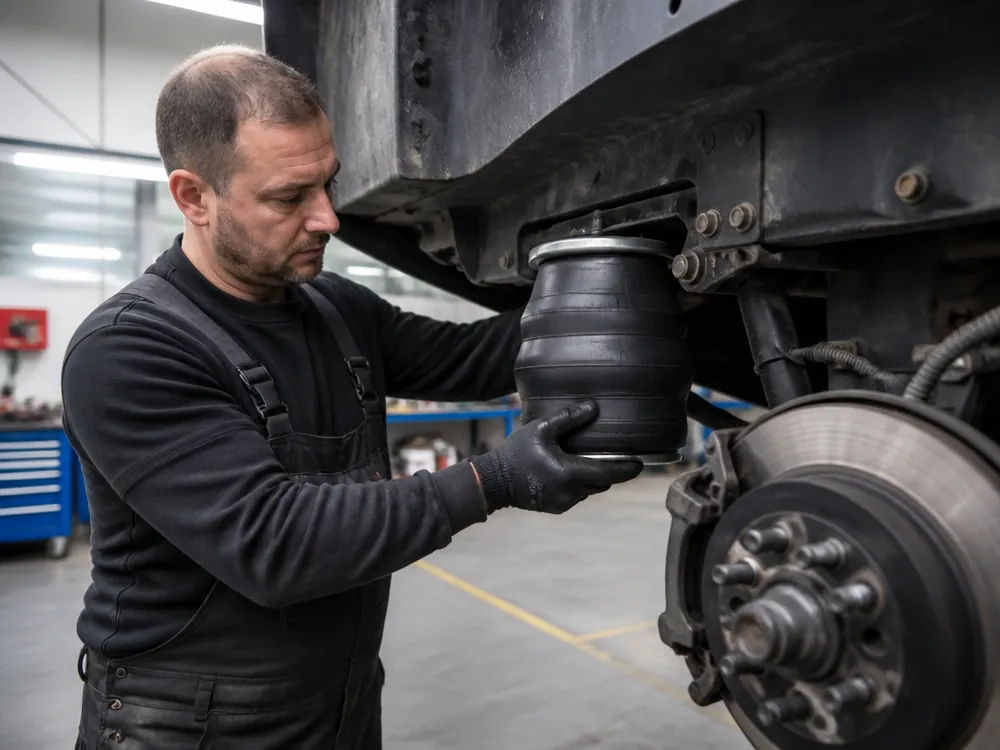
- Air suspension: we install the kit, calibrate the height sensors and pressure-test for leaks so the air springs hold their position.
- Turbocharging: we install the turbo and intercooler, tune by the pressure sensor and check boost at 4000 rpm with no flat spots.
What we check on the test drive before handover
Before handover we do a test drive, run computer tuning after the modifications, calibrate the sensors and check the running gear. On the lift you can see the geometry and mounts, but not how the car behaves under load — so the technician drives it himself and listens to the throttle response, the exhaust note and any unusual sounds at different rpm. After body work and suspension we also run the car on a 3D alignment stand: after installing a body kit, air suspension or replacing components the geometry shifts, and we bring it back within spec. This drive catches what you can't see on the lift — unusual sounds and throttle response — so we don't skip it even on small jobs. If the technician notices a deviation after the test drive, the car goes back on the lift and the cause is fixed before handover. The client gets the car only after its behavior under load is confirmed.
Car tuning timelines, format and booking
Timelines depend on the scope of work, and the format depends on the task: some jobs we finish in a day, others need the shop and tuning. Here's a breakdown of real timelines and how booking works.
How long tuning takes by type of work
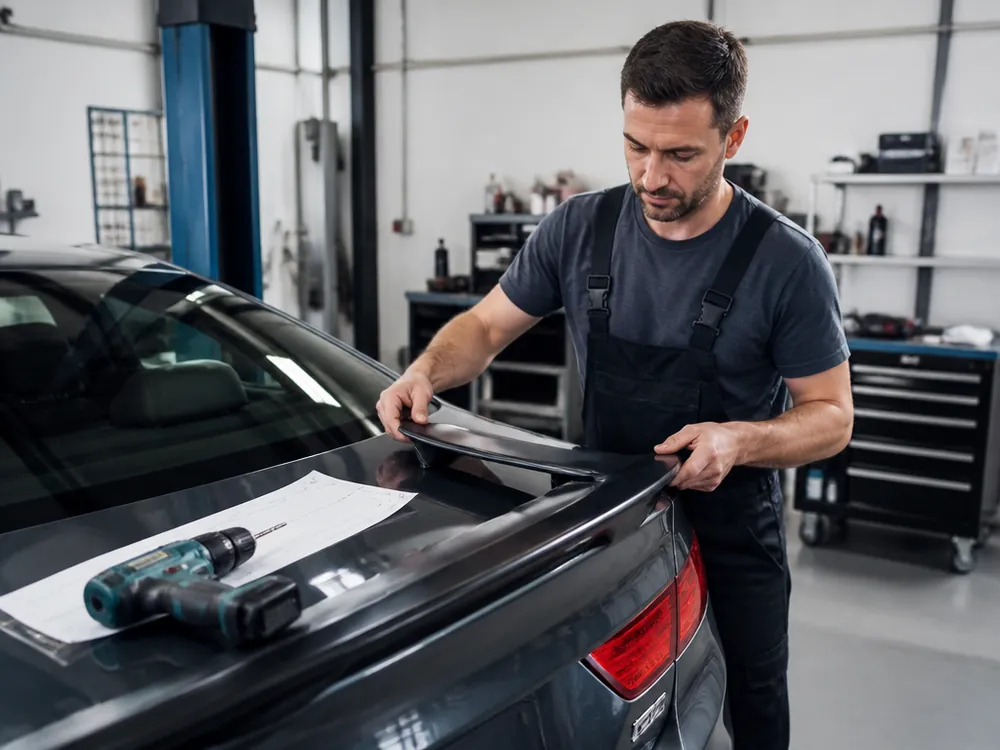
We do urgent turnkey tuning in 1 day on small jobs — headlight tinting, a spoiler, audio, window deflectors. Installing air suspension takes about two days: after installation we pressure-test the circuit for leaks and calibrate ride height by axle. We install a full body kit in a day to a day and a half — test-fitting on the body, adjusting the hardware, mounting on sealant and clips with no gaps or squeaks. Stage 1 chip tuning with ECU flashing we finish the same day if computer engine diagnostics show no errors or mixture deviations. Exhaust work with a "spider" manifold and straight-through muffler means argon welding a 2 mm stainless pipe, cleaning the seams, and it takes a day in total. The timeline depends not only on installation but also on tuning: turbo and air suspension need measurements and calibration, so you shouldn't plan just one day for them.
Mobile service and booking without a queue
We're open daily from 09:00 to 20:00, seven days a week, by appointment — no queue — and we offer a mobile service, installing accessories on site at the client's location. Mobile diagnostics before work includes inspection, measurements and photo documentation — the service advisor uses this data to put together an estimate before work begins. On site we install window deflectors, aftermarket LED bulbs, a spoiler, and do film tinting — things that don't require a lift or a stand. Work on the engine, suspension and tuning is better done in the shop: we have 6 lifts, a paint booth, a 3D alignment stand and dealer scanners for 40+ brands. It's worth booking in advance if you're planning turbo or air suspension — they need a free lift for the whole day. Mobile service is convenient for accessories and small installs, but tuning by pressure sensors and angles is done only at the shop.
Comparing work formats by timeline and location
installation and tuning formats by timeline and location| Work | Format | Approximate timeline | Where we do it |
|---|
| Headlight tinting, deflectors | Urgent, mobile | 1 day | Shop or at the client |
|---|
| Spoiler, rear wing | Urgent | 1 day | Shop or at the client |
|---|
| Full body kit | Standard | 1–1.5 days | Shop |
|---|
| Stage 1 chip tuning | Standard | 1 day | Shop |
|---|
| "Spider" exhaust and straight-through | Standard | 1 day | Shop |
|---|
| Air suspension | With tuning | about 2 days | Shop |
|---|
| Turbocharging with turbo replacement | With tuning | 2 days or more | Shop |
|---|
Warranty, your own parts and the limits of our responsibility
The terms on obligations and parts usually stay out of sight. Here's what we put in the documents, what work we stand behind, and where our scope ends.
What warranty covers tuning and where it's written down
We give 12 months on tuning, and the term and conditions are written into the work order and the completion certificate at handover. Body work, painting and rustproofing come with 24-month obligations, and replacement of consumables like oil and brakes — 6 months. Every order is handled by the service advisor: he manages the work order from intake to handover and answers questions about timelines. At key stages we take a photo report, and we show and give the old parts to the client so it's clear what was replaced. Obligations cover the work performed and the parts installed, and diagnostics for a warranty case is free with us — that settles any dispute over whose defect it is.
Client's own parts and what happens to the warranty
The owner chooses OEM, aftermarket, or brings their own parts — the decision is theirs. The obligations don't cover the part the client brought in: if it fails, the claim isn't against the installation. For installing such parts, the obligations on the work still apply, but we agree upfront what's an installation defect and what's the quality of the part itself. Before work begins, the service advisor records in the work order which components we're installing — ours or the client's — and the same condition goes into the certificate. In our experience, disputed cases are almost always settled by the photo report from the installation stages: you can see how the component sat and what condition it was in before installation. This approach saves both sides time on the review — the dispute is settled by the photos, not by memory.
What the warranty doesn't cover and what happens with the factory warranty
- An accident after the repair: a crash and its consequences aren't a defect in the work performed, so that case isn't covered by our obligations.
- Third-party involvement: if another shop touched the car after us, or the owner got into the unit themselves, responsibility for that unit is void.
- Normal wear of consumables: oil, brake pads, filters and similar parts wear with mileage — that's not a warranty case.
- Customer-supplied part: we don't cover a part the owner brings in; we're only responsible for the quality of its installation.
- Factory warranty: after work on the engine and electronics, the manufacturer's terms are usually restricted, and it's not always possible to combine them with the power gain.
What to Know Before Car Tuning
We've put the essentials in one place so you can decide on upgrading your car without extra spending and without disappointment after the first visit to the shop.
- Diagnostics and estimate first: an upgrade starts with an inspection and measurements, and parts are approved for purchase only after a written calculation of the scope of work.
- A direction that fits the goal: power, lowered suspension, looks or comfort — the set of work and the budget both depend on the goal you choose.
- Different power delivery: a chip tune, a turbo and a supercharger affect engine response and engine life in different ways.
- Workmanship decides durability: TIG welding of the exhaust, boost measurement, test-fitting the body kit to the body and calibrating the air suspension determine how long the result lasts.
- Warranty in writing: the terms and conditions for the installed units and for customer-supplied parts are recorded in the work order before the start.