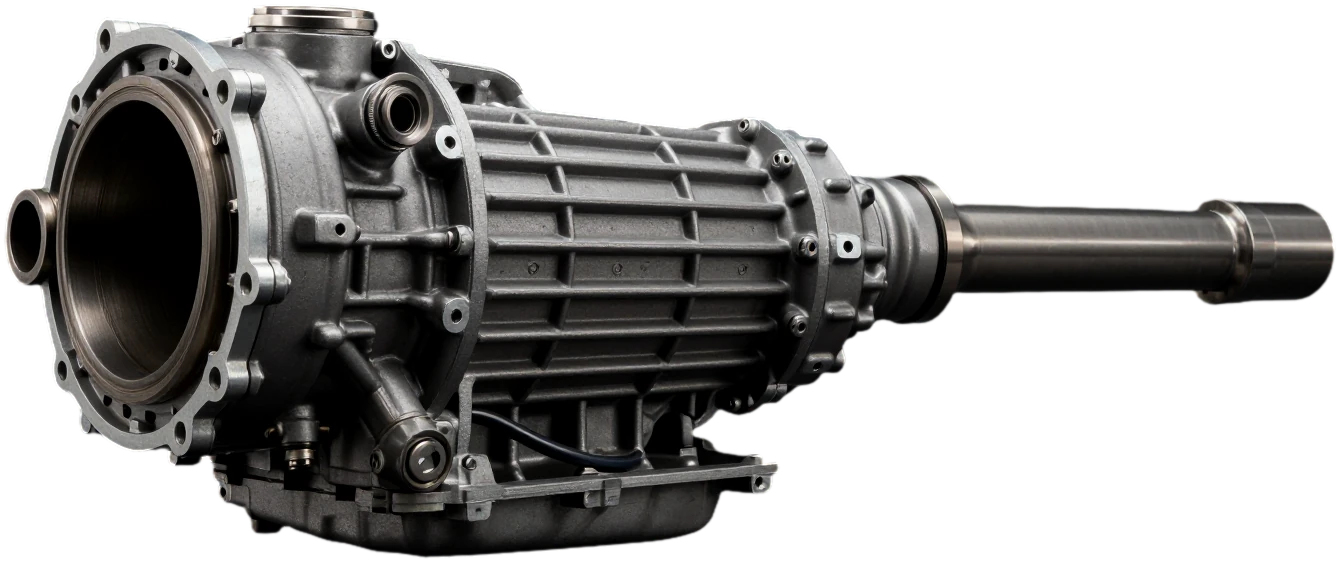
A transmission rarely fails out of nowhere: first come the warning signs that are easy to brush off as "probably nothing." Here's which symptom points to which component and what we actually check during an inspection.
What We Actually Check During Automatic Transmission Diagnostics
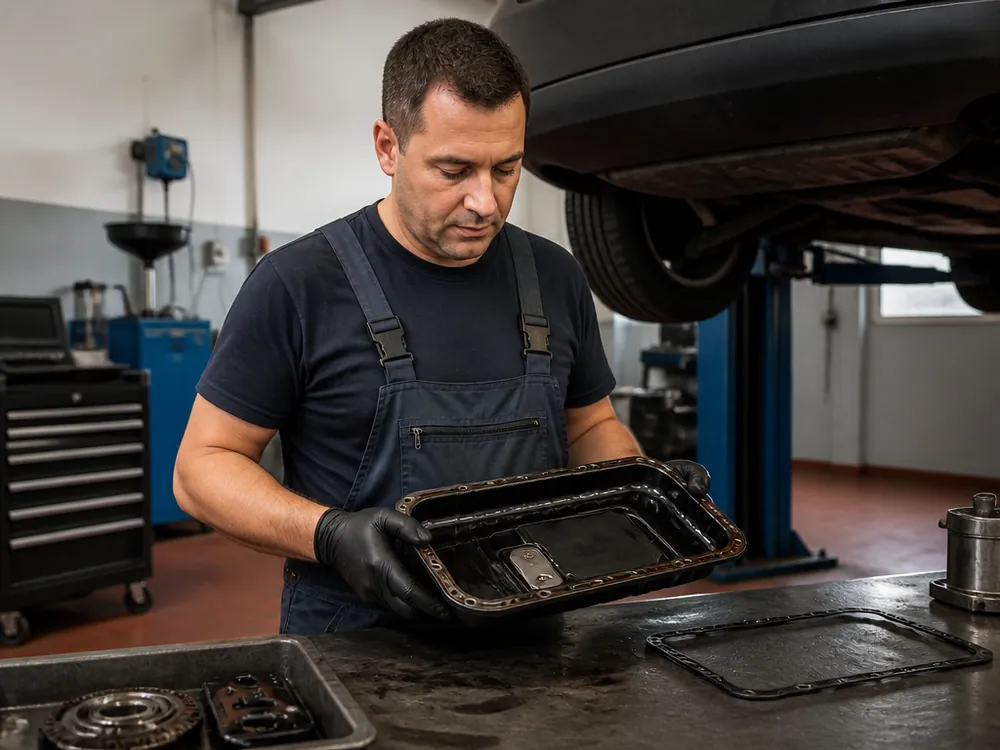
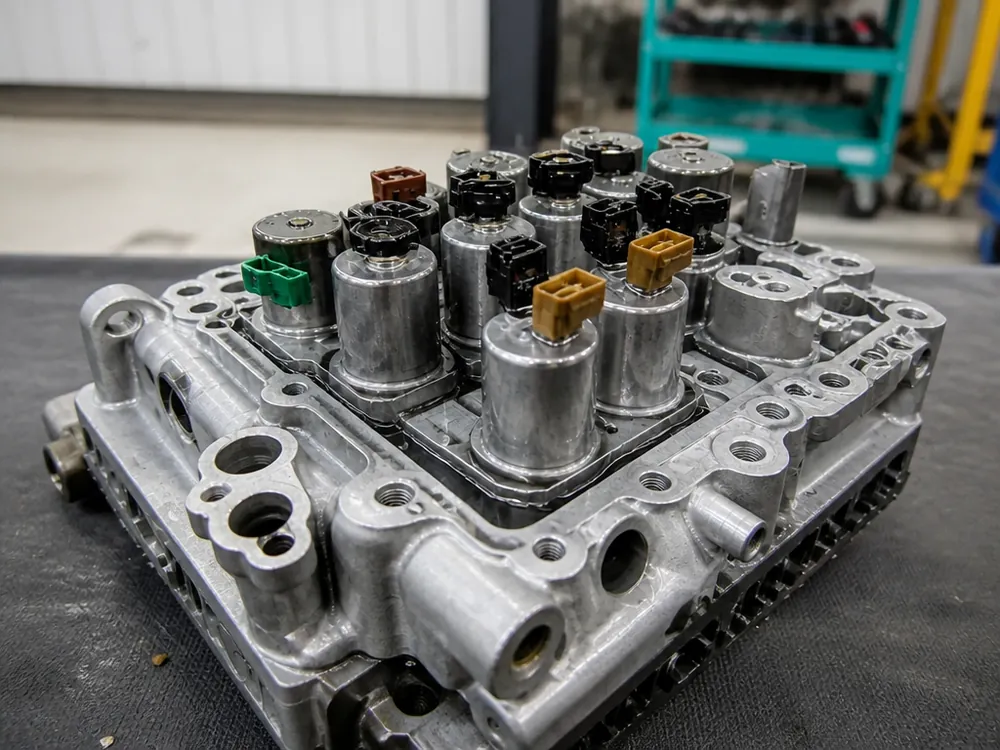
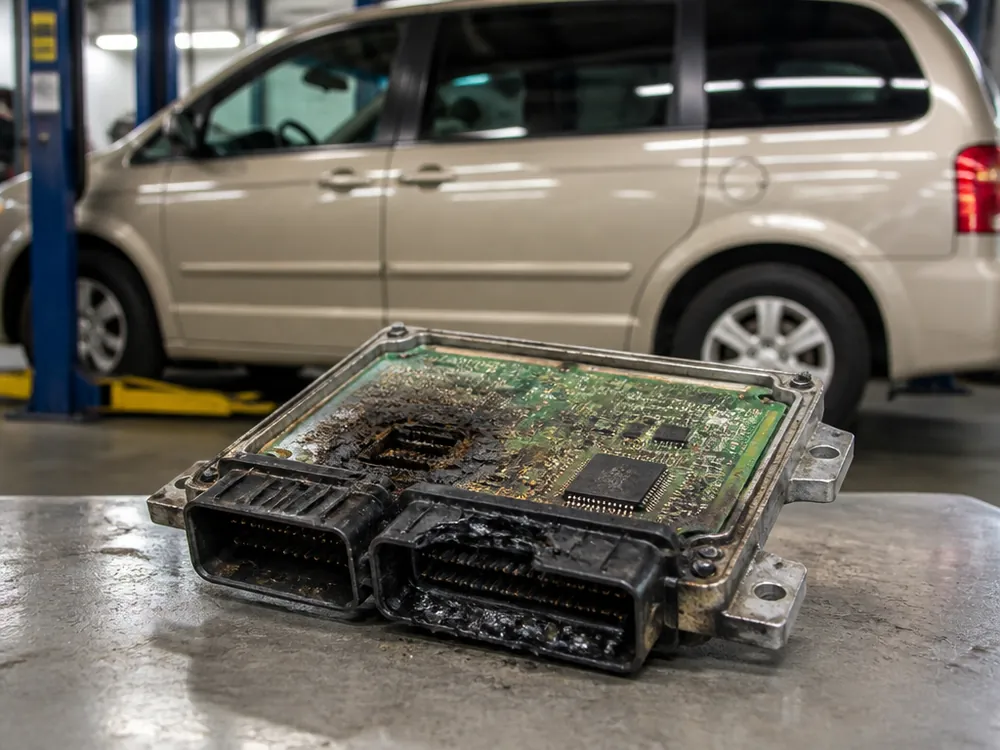
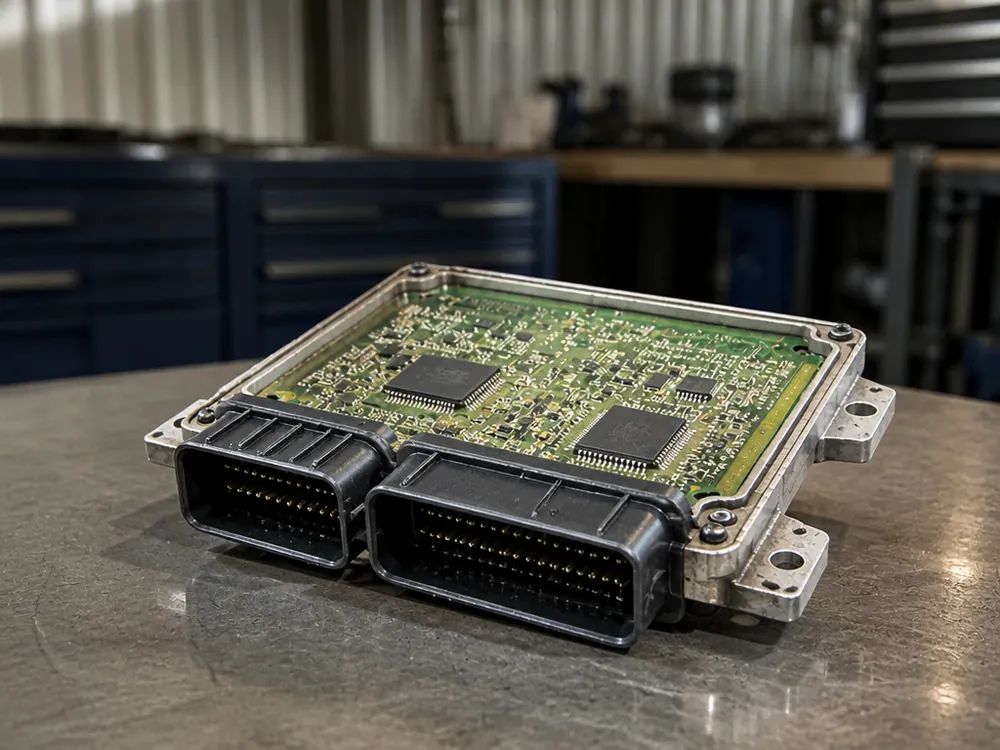
We always start automatic transmission repair in Almaty with computer diagnostics using a dealer-level scanner for 40+ brands, then check the fluid level and condition, measure line pressures, and drop the pan if needed. The scanner reads the control unit's fault codes and live parameters: fluid temperature, selector position, calculated pressures. The pan shows the most important thing — how much debris is on the magnets and what color the fluid is, which reveals the nature of the damage. Pressure readings in different modes separate worn friction plates from a valve body problem: if pressure drops, the hydraulics are to blame, not the discs. A scanner can't see mechanical wear on the friction plates — so checking pressures and fluid condition is mandatory, otherwise the diagnosis stays incomplete and the estimate inaccurate.
Why Dirty Fluid Leads to a Major Overhaul
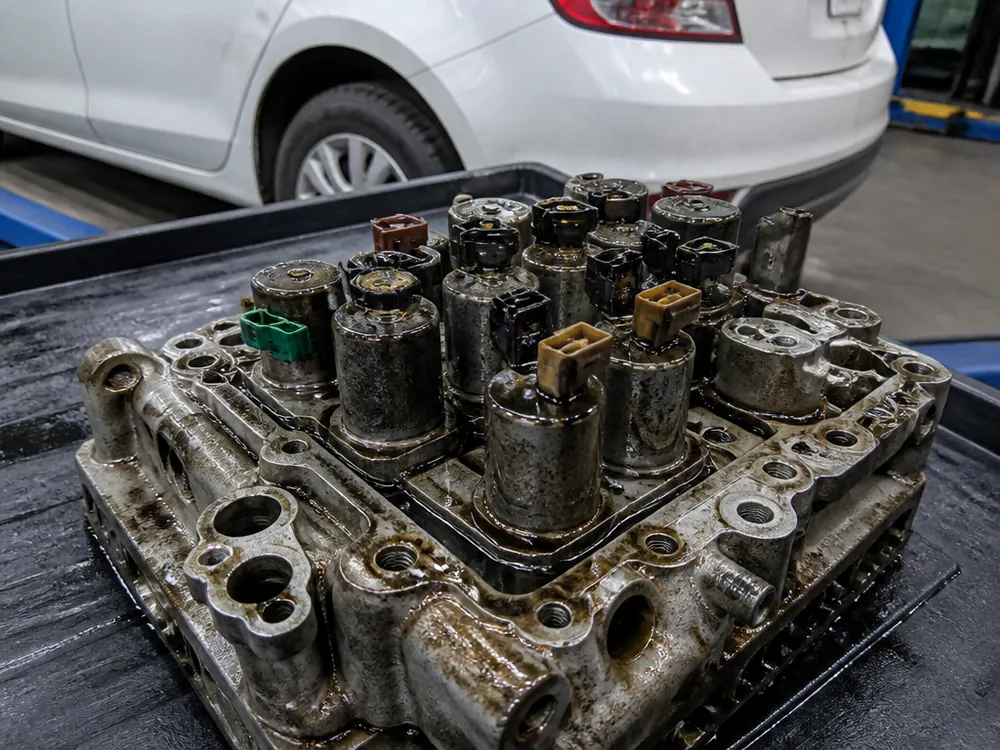
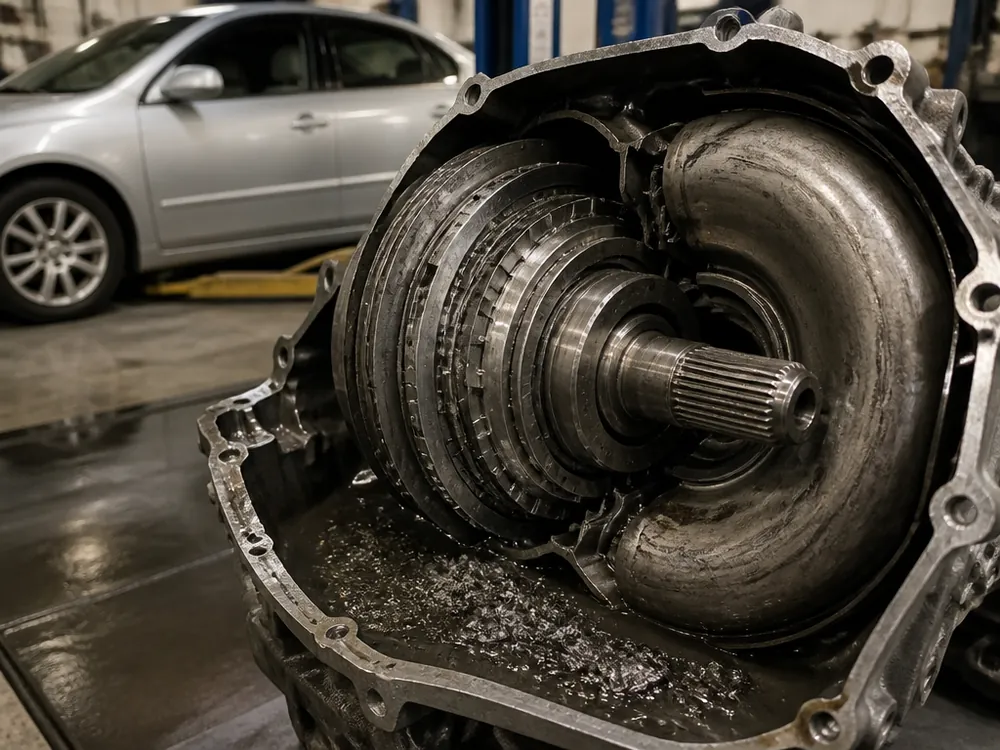
ATF loses its properties and accumulates wear debris that circulates through the valve body and clogs the solenoids — pressure drops and the friction plates start to slip. Fresh fluid doesn't dissolve deposits; it washes them off the surfaces: the particles travel into the narrow channels and jam the valves. So a sharp decline after a fluid change on a worn transmission isn't a shop mistake — it's a signal that the damage is already critical and the deposits were only held in place by the old, thick fluid. On transmissions with over 100 thousand kilometers, we first assess the fluid and pan condition, and only then decide whether a partial or full fluid change is needed. You can check the fluid yourself with the dipstick: a dark color and a burnt smell mean you can't put off diagnostics.
Types of Automatic Transmission Repair and How to Choose Yours
The scope of work depends on the inspection results. Here's how a targeted component repair, a full rebuild, and replacing the transmission with another unit differ.
Targeted Component Repair, Full Rebuild, or Replacement
comparison of options by scope and use case| Type of work | What we restore | When it fits |
|---|
| Targeted repair | Valve body, solenoids, friction plates | One component is worn, the rest is fine |
|---|
| Full rebuild | The whole transmission with every component inspected | Wear is spread across several components |
|---|
| Unit replacement | Another automatic transmission instead of the worn one | The planetary gear set, case, or shafts are destroyed |
|---|
| All-wheel drive work | The transmission together with the transfer case and driveshaft | All-wheel drive with worn connections |
|---|
What the Inspection Covers and Why There's No Estimate Without It
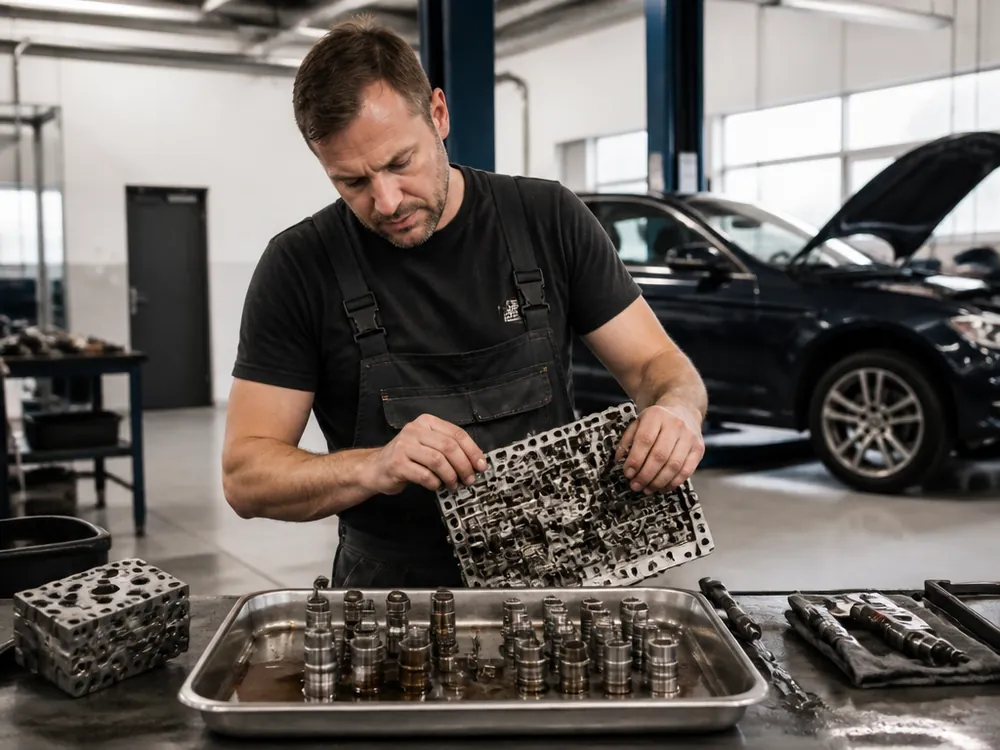
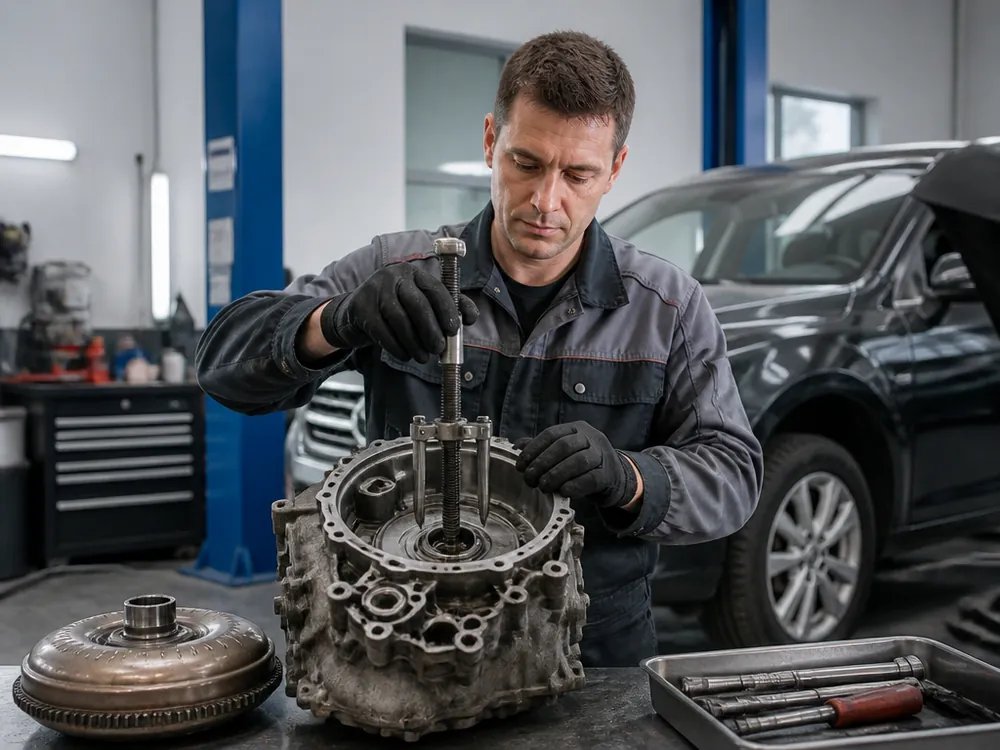
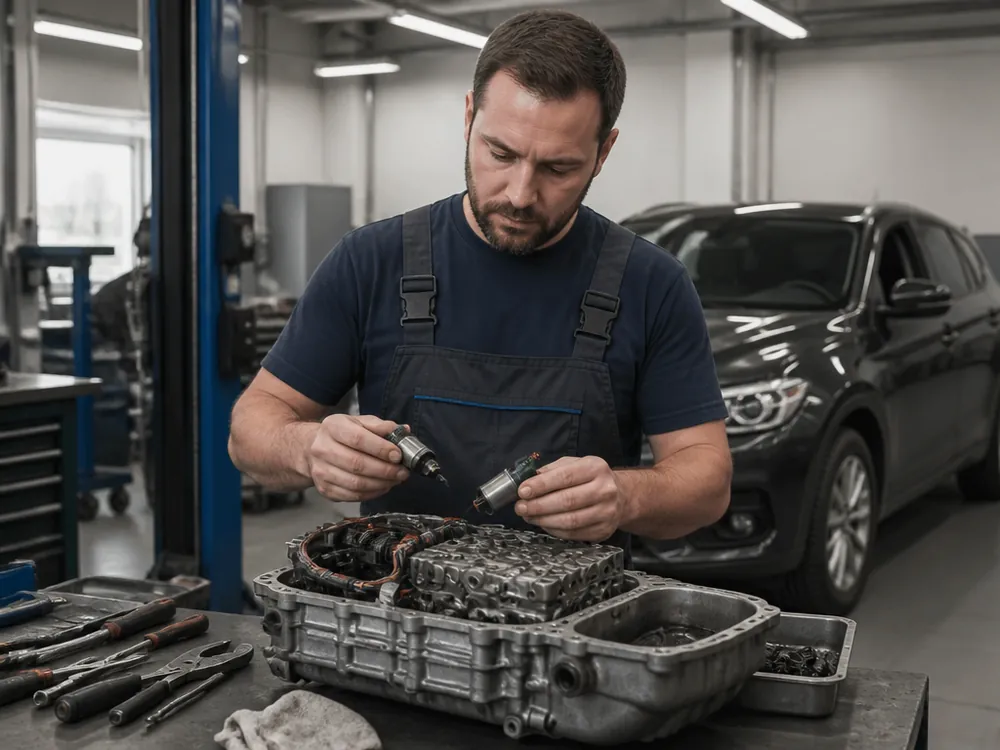
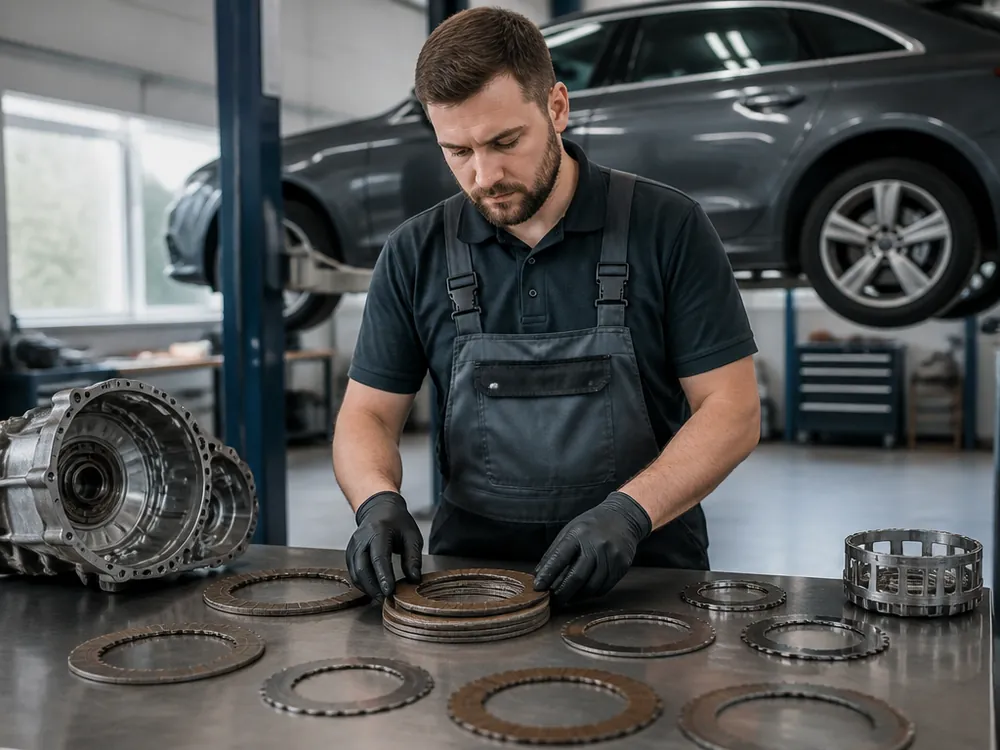
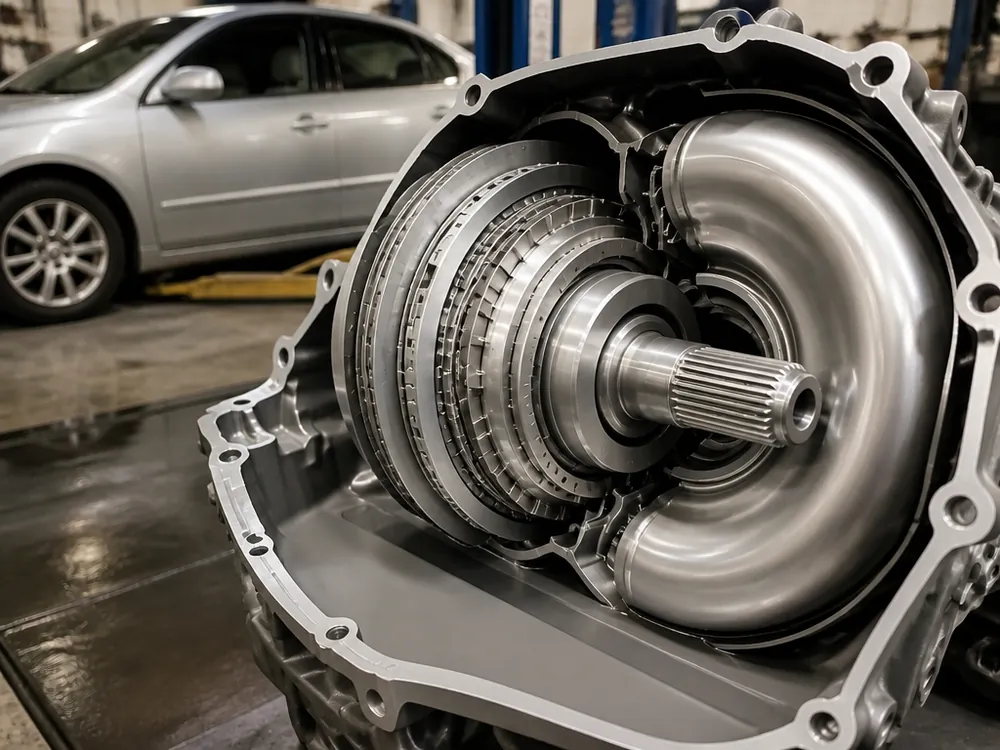
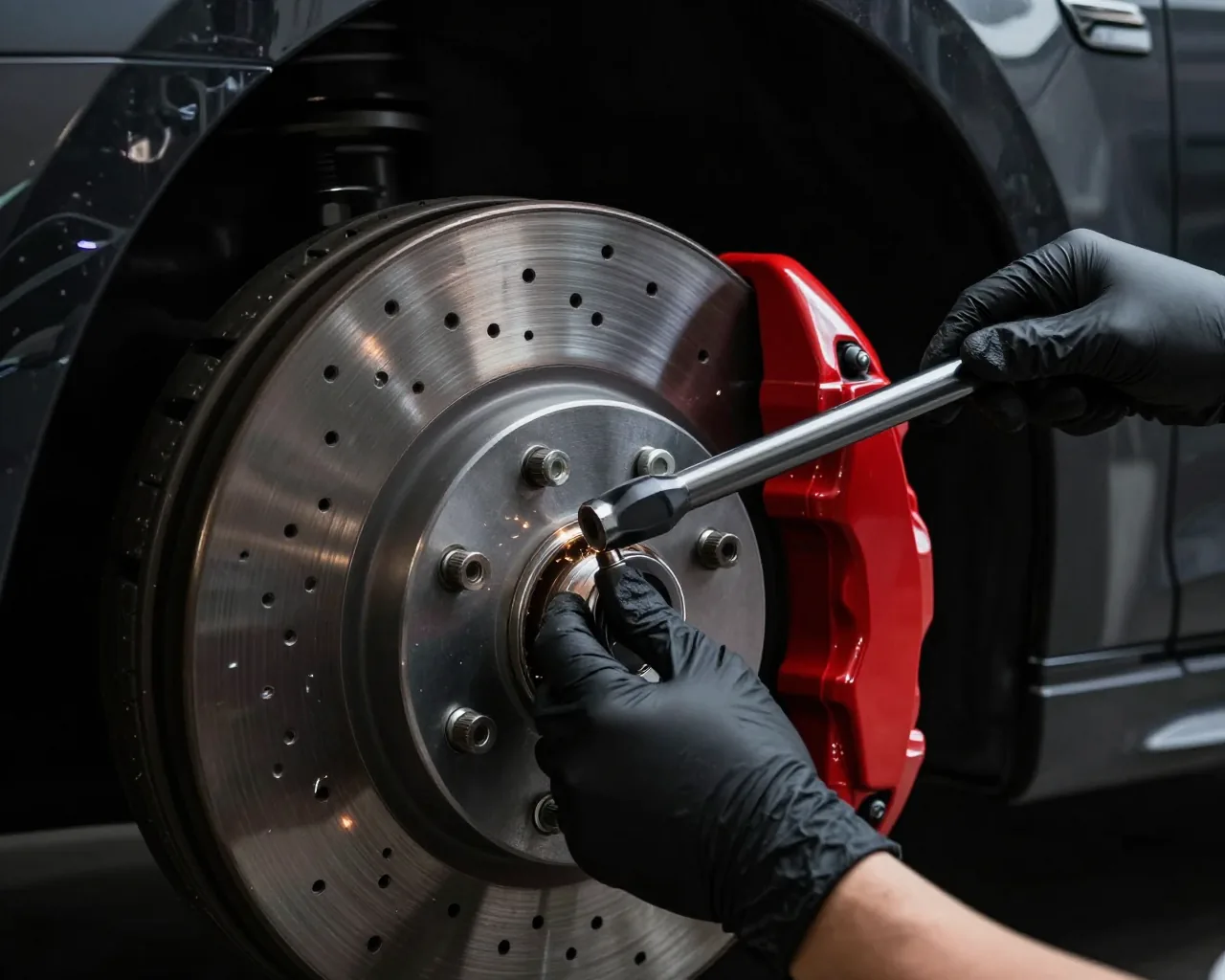
During disassembly we inspect every component — torque converter, valve body, friction plates, pump, planetary gear sets — and only then put together a written estimate. We check each component separately: we wash the valve body in three baths and check pressure on the test bench, assess the friction plates by thickness and color, check the pump for wear on the gears, and open up the torque converter to look at the linings and bushings. Disassembly and inspection take part of the timeline, but the list comes out complete: we tell you right away which parts we're replacing and which still have life left. An "as-found" estimate after disassembly is the main source of unpleasant surprises when restoring an automatic transmission. A written document before work begins locks in the scope, and after that the total doesn't grow without your approval. In my view, that piece of paper is what separates a predictable shop from an endless one: the customer sees what they're paying for before the technician even picks up a tool. This approach to automatic transmission repair saves both time and money.
Why Automatic Transmission Repair on All-Wheel Drive Is More Complex
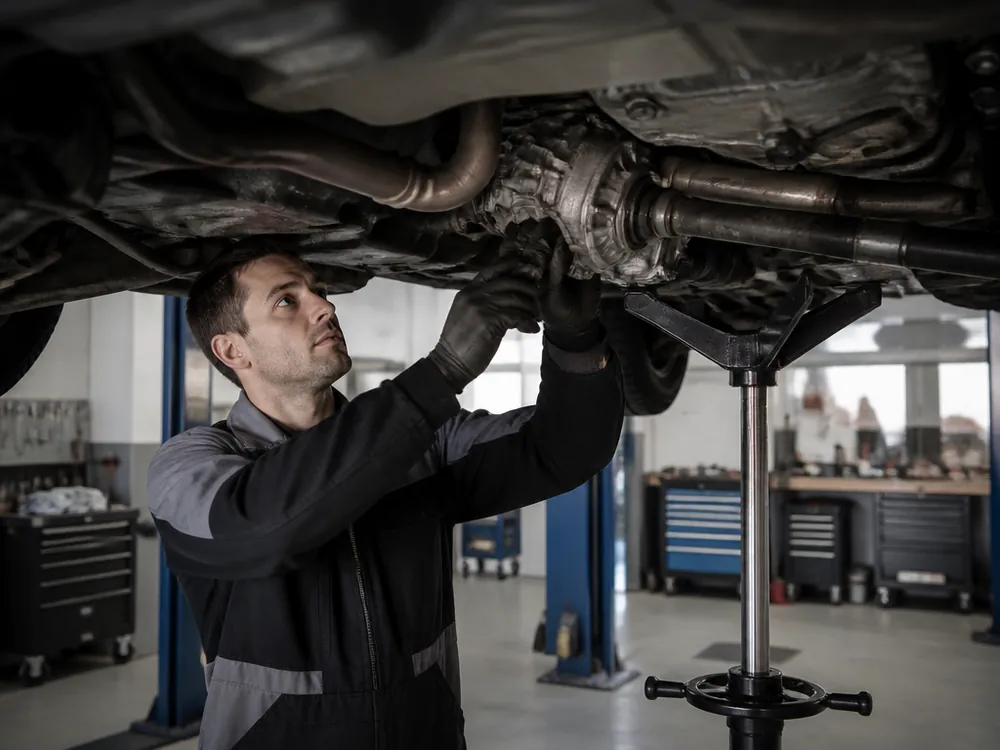
On all-wheel drive we remove the transmission together with the transfer case and driveshaft, so everything takes longer and includes checking the connections and transfer case seals. The transfer case and driveshaft come out together with the transmission so we don't throw off alignment — if you remove only the transmission, the risk of vibration and leaks at the connections after reassembly is higher. We also check the splines and the condition of the intermediate shaft: on all-wheel-drive models they wear faster due to the constant load on both axles. In our experience, these vehicles stay in the shop a day or two longer than two-wheel-drive ones — not because of the rebuild itself, but because of removing and reinstalling the related components. Plan your visit with some buffer: rushing the reassembly on all-wheel drive is the most common cause of a recurring seal leak.
How Automatic Transmission Repair Works, from Estimate to Pickup
Restoring an automatic transmission follows one route: intake, diagnostics, a written estimate, the work itself, the test bench, break-in and pickup. Here's what each stage looks like in our shop.
Intake, Estimate and Timelines
The service advisor takes in the car and manages the work order all the way to pickup, and a full transmission rebuild takes 3 days. With an appointment you arrive with no wait, even on Saturday: the shop is open daily from 09:00 to 20:00. First comes computer diagnostics of the transmission and a fluid level check, then teardown and inspection of the removed components. We start work only after you've read the estimate and agreed to it. We take photo reports of the key stages, and we show you the old parts and hand them over to you. A written estimate before work begins is your control tool: if extra wear turns up along the way, we agree on it separately instead of quietly adding it to the bill. The timeline and warranty terms for the transmission are recorded in the work order and the acceptance certificate at pickup.
Why the Torque Converter Seal Is Replaced Only with a Teardown
To replace the torque converter seal, we remove the transmission and disassemble the torque converter — you can't pry it out from the outside, the lip tears and the leak comes back. The job involves a full teardown of the torque converter, where the linings and bushings are replaced and the seat on the shaft is checked at the same time. We also wash the valve body in three baths: every channel and solenoid is flushed, and after assembly we check pressure on the test bench to rule out stuck valves. Trying to replace the seal from the outside saves time now but leaves scoring on the shaft and the leak returns — the transmission still has to come out, only now with a risk of damaging the seat. On all-wheel-drive models, transfer case work is added, so we schedule those cars separately and warn you about the timeline in advance.
Test Bench, Adaptation and Break-In After the Rebuild
After assembly we check pressure on the test bench, run transmission adaptation through a dealer scanner and test-drive the car before pickup. The valve body test bench shows pressure per channel, and scanners for 40+ brands give access to factory shift maps. Without adaptation a fresh transmission jerks — the control unit holds on to the old shift points; relearning through the scanner resets them to the new clearances. Break-in after a major rebuild means the first thousand kilometers in a calm mode, with no hard starts and no towing a trailer. In my view, how long it lasts after the work depends first of all on adaptation and break-in, not on the brand of fluid you pour in. The warranty on transmission work is 12 months; diagnostics for a warranty case is free.
Transmission Warranty and What It Covers
The shop's commitments only carry weight when they're documented. Here's what the transmission warranty covers and which cases fall outside it.
What the 12-Month Warranty Covers
We give a 12-month warranty on transmission work and record the term and conditions in the work order and the acceptance certificate when the car is picked up. The same term applies to the engine, cylinder head, timing belt and electrical work — we treat the transmission as a unit of the same level of responsibility. The commitments cover the work performed and the parts our technicians installed: friction plates, steel discs, solenoids, pan gasket, torque converter seal, pump. Technicians with 8–17 years of experience take each order from teardown to test drive, and the service advisor manages the work order from intake to pickup, so when you come back we pull up the full history of that specific car, including the photo report of key stages and the removed parts. It's the document, not a verbal promise, that confirms the term and scope — keep the certificate until the commitments expire: without it, confirming the pickup date and the list of work is harder.
What the Warranty Doesn't Cover
- An accident after repair: a hit to the transmission case or pan isn't part of our work and is handled separately.
- Third-party interference: if another shop or the owner gets into the unit after pickup, the commitments on that unit end.
- Normal wear of consumables: fluid, filters and gaskets wear out per the maintenance schedule, that's not a repair defect.
- A part brought by the customer: whoever brought the part is responsible for its quality, we're responsible only for installing it correctly.
- Consequences of DIY work: tightening, flushing or reflashing the unit yourself voids the commitments.
What to Do If a Previous Shop Did the Repair Poorly
We start with diagnostics, show you exactly what was done wrong and put together a written estimate for the fix — a warranty case check is free with us. The service advisor records the transmission's initial condition before teardown so it's clear where someone else's work ends and ours begins, and backs it up with a photo report. Then comes a fresh teardown and inspection: we check the valve body, solenoids, friction plates and torque converter instead of taking the previous shop's word for it. Dealer scanners for 40+ brands read errors for the specific model, and the test bench checks pressure in the channels after assembly. Fixing someone else's work is often more expensive than the first repair: you have to deal not only with the original breakdown but also with the consequences of incorrect assembly, which is why we do the inspection from scratch rather than going by the owner's story.
Transmission Parts and Fluid — Yours or Ours
You can bring your own parts and fluid, but that choice has consequences for the warranty. Here are the options and what happens with each in practice.
OEM, Aftermarket or Customer Parts
comparison of parts options and warranty coverage| Option | What the warranty covers | When it's chosen |
|---|
| OEM | Work and the installed part, 12 months | Body or transmission for long-term use |
|---|
| Aftermarket from a trusted brand | Work and the installed part, 12 months | The part is discontinued or delivery times are long |
|---|
| Customer parts | Installation work only | The customer already bought the part or sourced it themselves |
|---|
Fluid and Consumables for the Transmission
We select transmission fluid for the specific gearbox and manufacturer's spec, and we check the ATF condition during diagnostics before the change. On the lift we drain a sample and look at the color, smell and wear debris on the pan magnet — that shows whether a partial change is enough or a full change with a flush is needed. Six-speed automatics and CVTs have different specs, so we pick the fluid by VIN and transmission marking, not by engine size. Fluid that doesn't meet the spec changes how the valve body and solenoids behave: the transmission starts jerking even with no mechanical wear, and saving on a consumable ends up costing you repeat diagnostics and a flush. In my view, an argument over fluid costs more than the difference between a cheap jug and the right one.
How to get through transmission repair without extra cost
Transmission repair is always a chain of decisions, and a mistake at any step costs more than the work itself. Here's a short summary to help you get through that chain without extra expense.
- Symptoms won't wait: jerking, shuddering and delayed shifts are a reason to come in for a check, not a reason to top off the fluid and keep driving.
- Diagnostics tie the symptom to the component: without them, replacing a solenoid can mask worn clutches, and the problem comes back a month later.
- The type of work is set by teardown: replacing a single component is cheaper than a full rebuild, but the choice between them is made by disassembly, not by a wish to save money.
- A warranty works when it's written down: the term and conditions must be in the work order and the acceptance report — a verbal promise won't protect you.
- Your own parts are fine, with a caveat: the warranty doesn't cover customer-supplied parts, so saving on an aftermarket part sometimes means a second teardown.