A lock rarely fails suddenly. Usually it warns the owner for a few weeks with a stiff key, flickering dash lights, and reluctant starts, and these signals are worth reading in time.
Mechanical or electrical
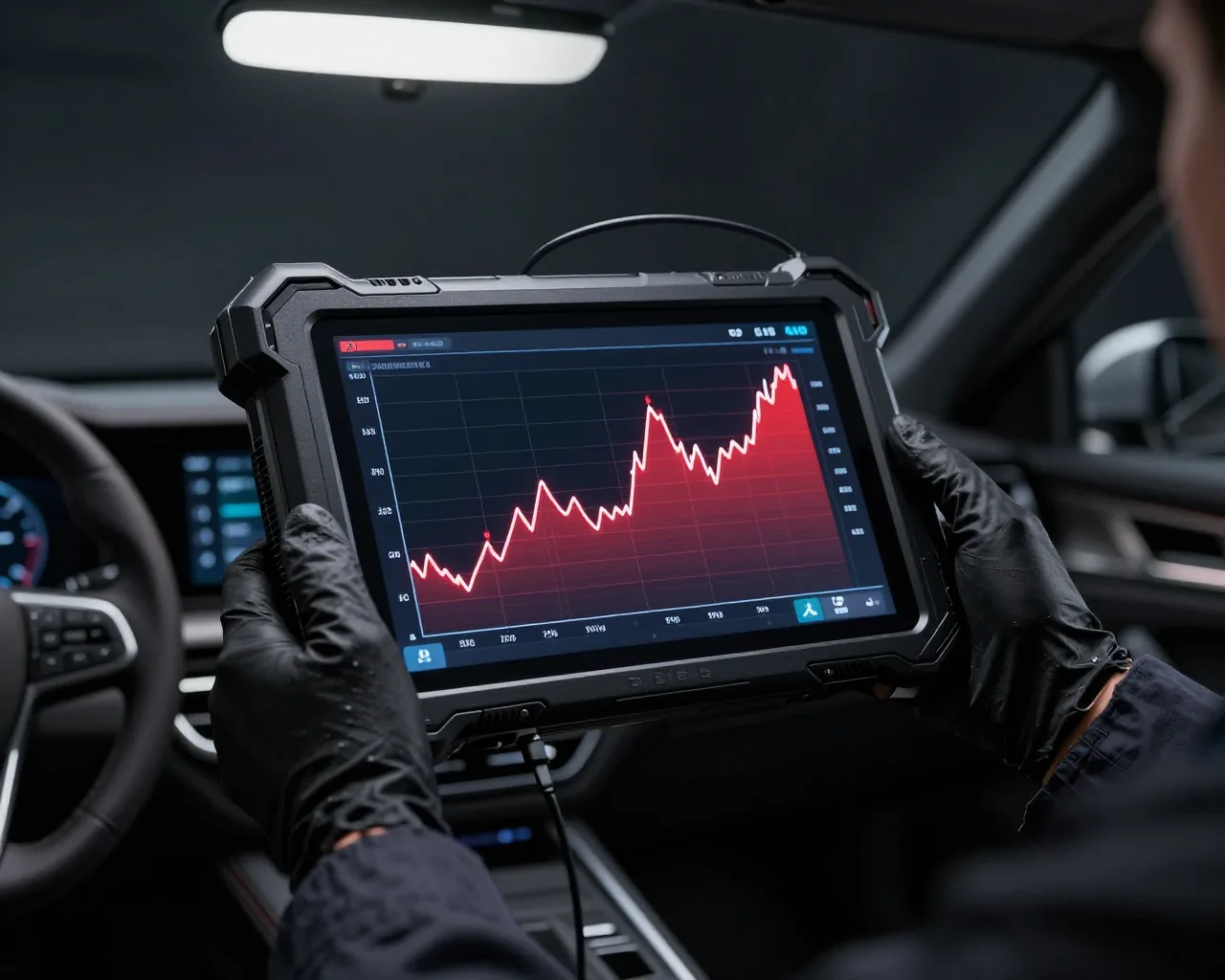
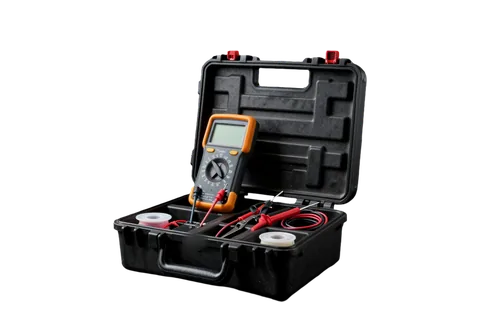
If the key turns easily but the starter is silent, look at the electrical side, not the lock cylinder. The mechanical part of the lock makes sure the cylinder turns only with its own key bit and releases the steering lock, while the electrical part — the ignition switch — closes the ignition and starter circuits. A hard turn, binding and crunching point to mechanics; a flickering dash, ignition cutting out while driving and silence when turning to Start point to electrics. We start by checking power at the lock outputs and read fault codes with a scanner so we don't replace a working unit. A weak battery or corroded terminal can give a similar picture: the starter clicks, the dash lights dim, and the owner blames the lock. That's why we check battery voltage first. Tip: remember at what position and moment the power drops — that immediately narrows down the fault.
What not to do if the key is stuck
- Don't force it: extra force breaks the tumblers or the key head right inside the lock cylinder.
- Don't use pliers: it's easy to snap the key head off with tools, and then you can't avoid disassembling the lock.
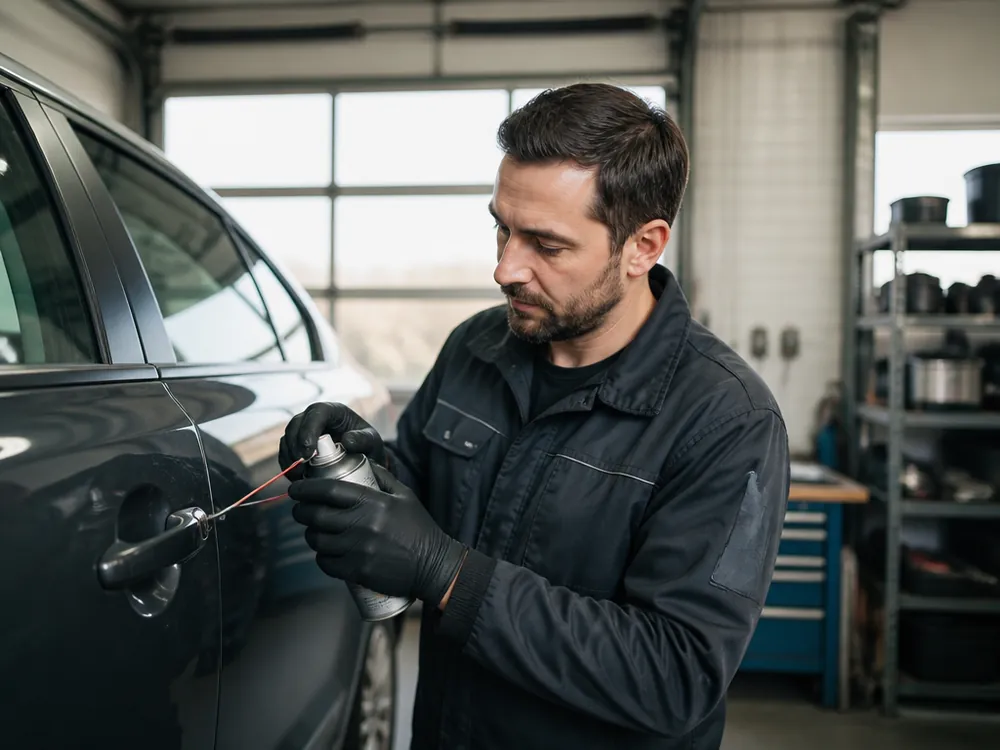
- Don't pour oil in: liquid oil collects dust and metal shavings, and a week later the cylinder binds even worse.
- Don't jerk the steering wheel: if the steering is locked, turn it smoothly both ways while turning the key.
- Don't make a copy from a worn key: the duplicate will copy the wear, and the new cylinder will quickly become just as tight.
- Practical takeaway: a broken piece in the cylinder turns an inexpensive repair into a replacement, so it's better to call a technician right away.
How the lock works and its weak points
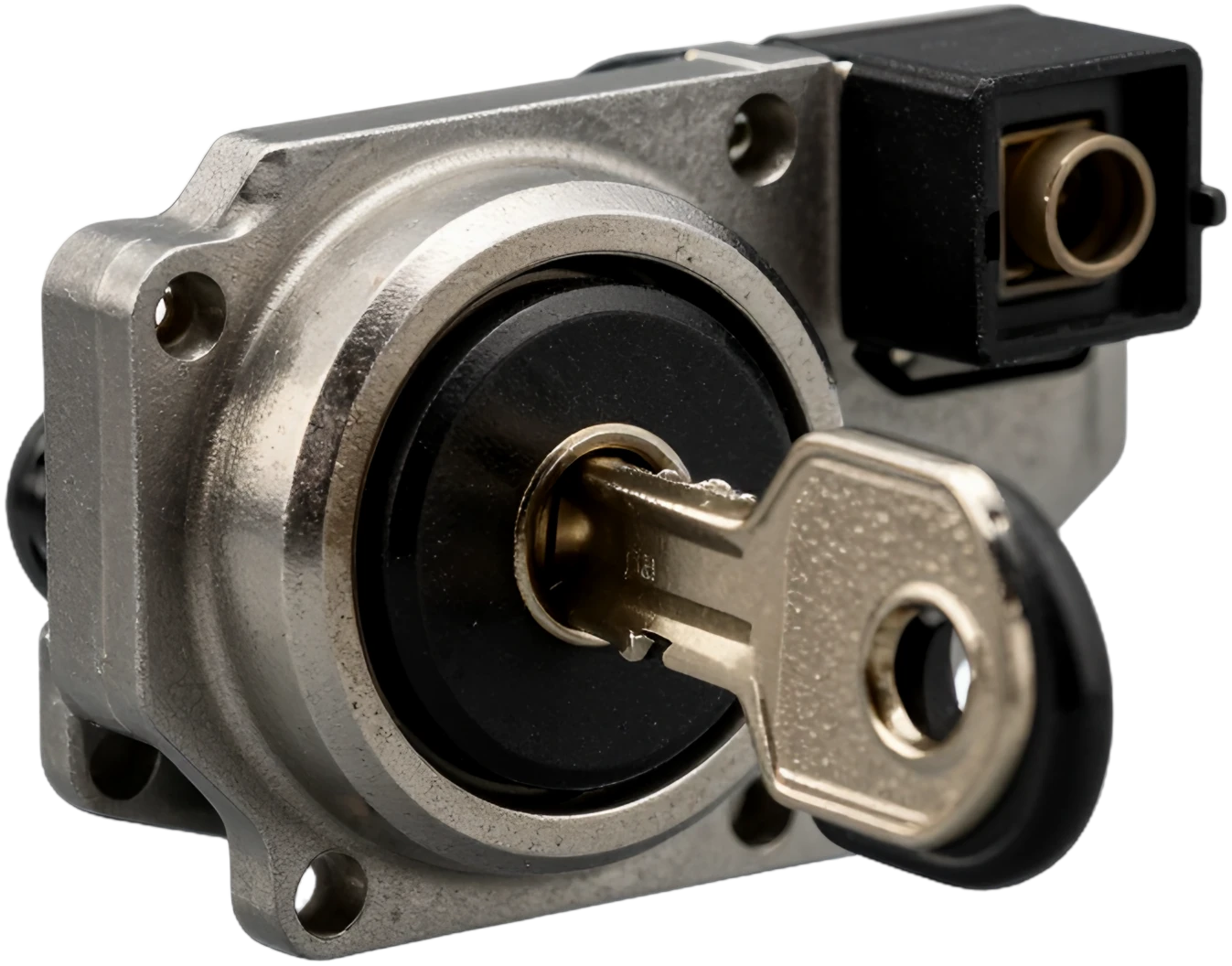
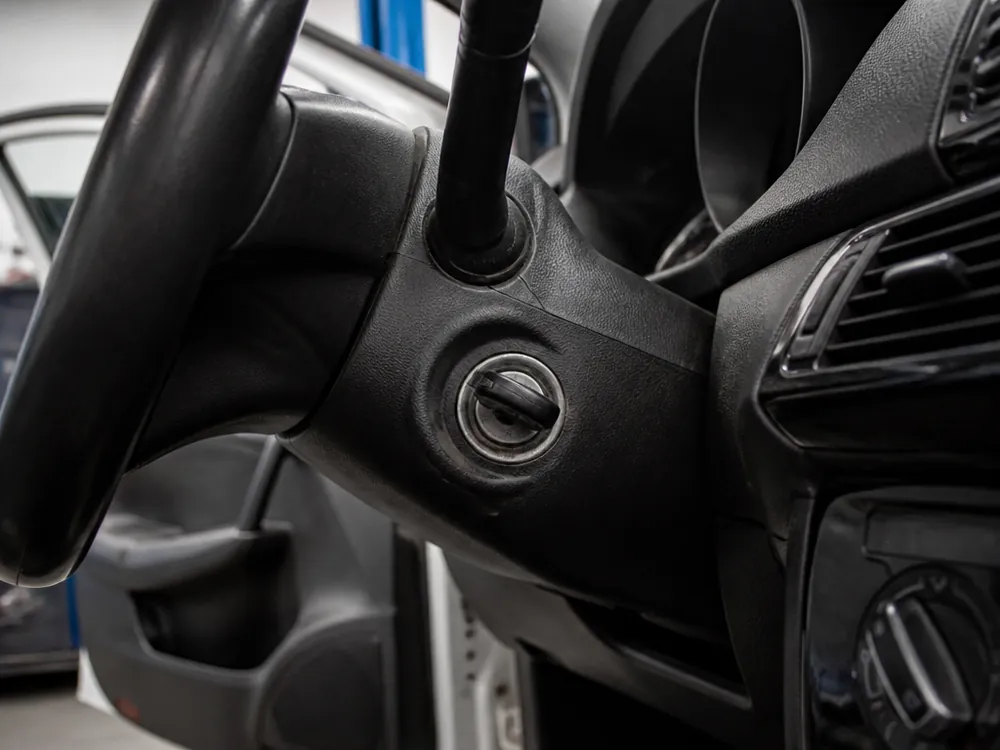
The ignition lock is several units in one housing: the mechanical cylinder, the electrical contacts, the steering lock and the immobilizer antenna. Each unit has its own cause of failure and its own repair method.
Lock cylinder and key
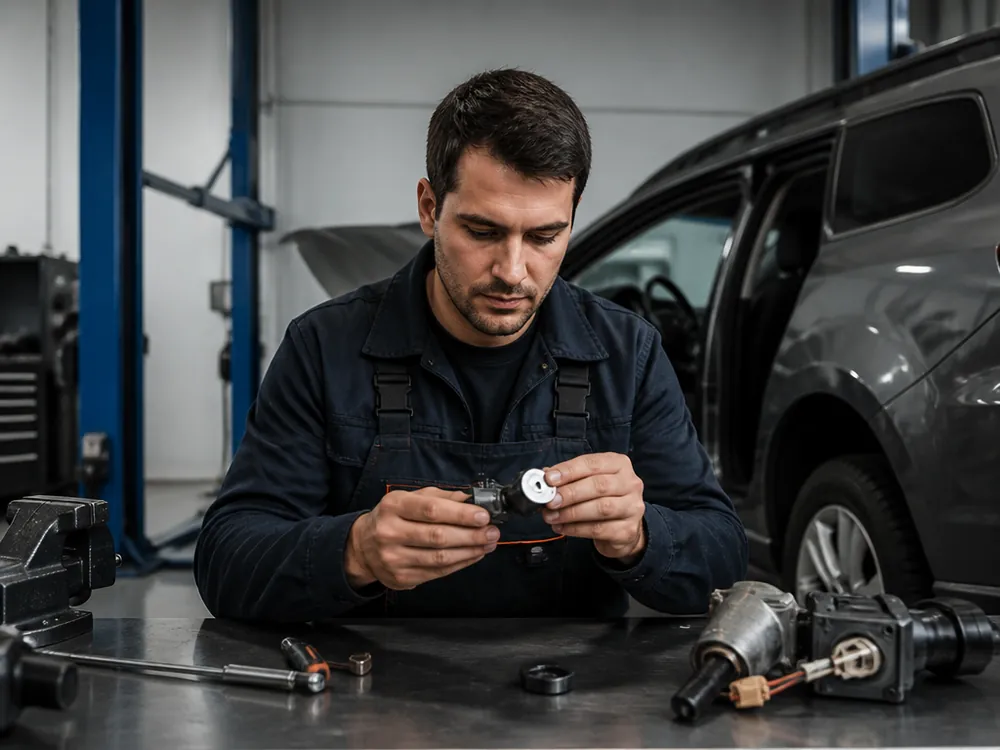
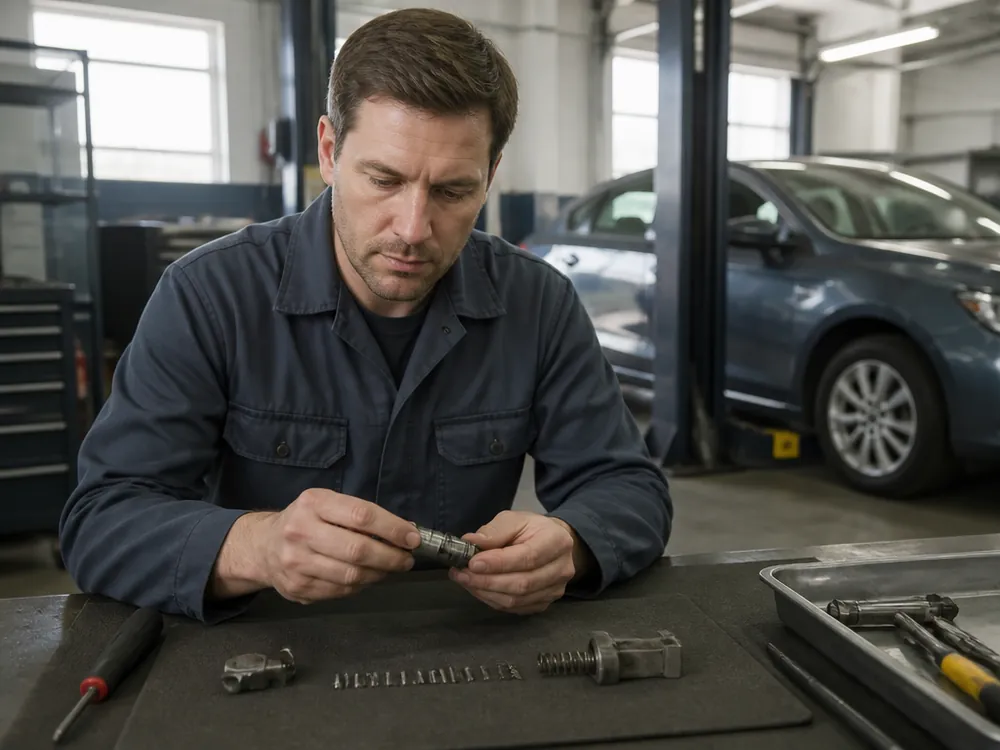
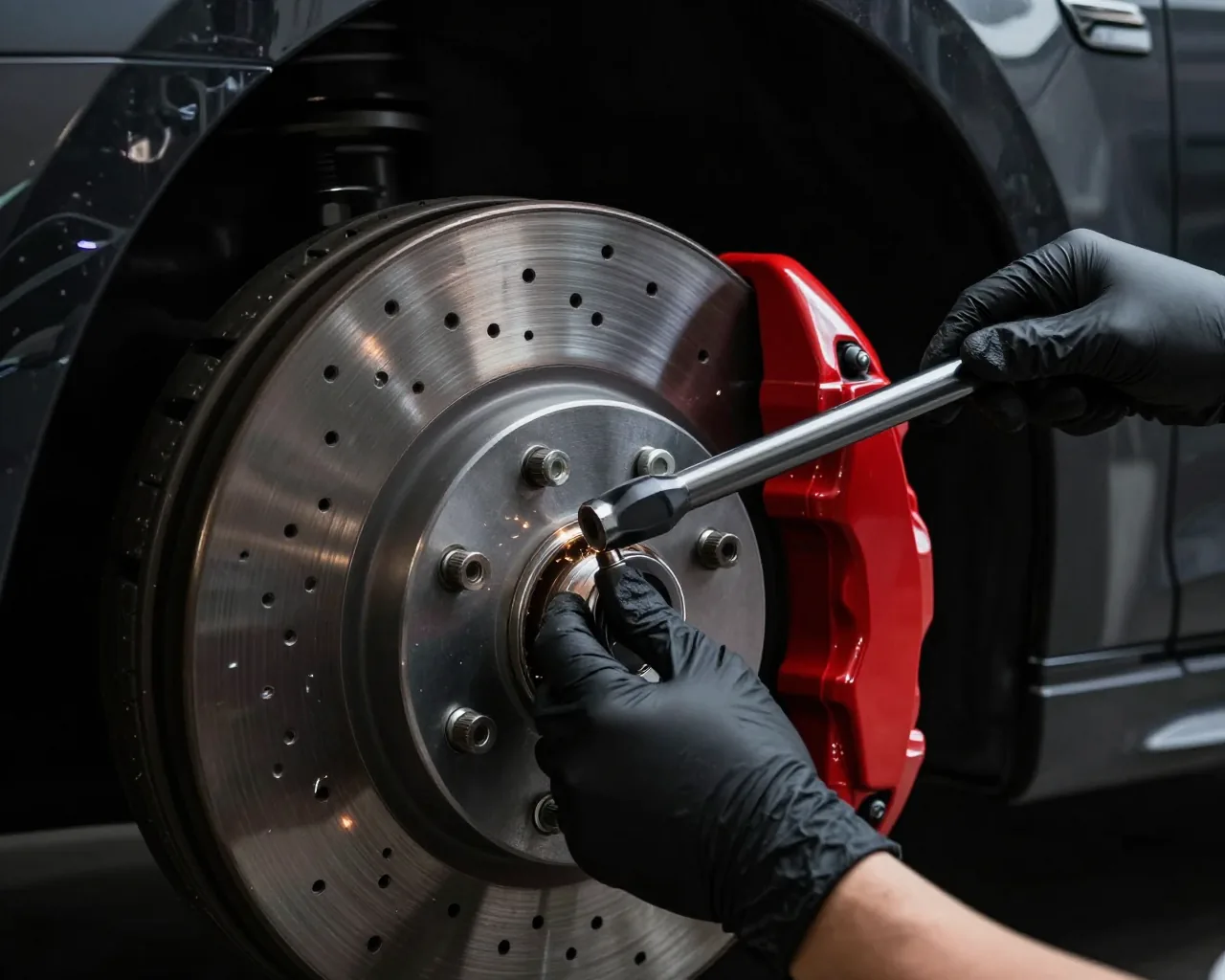
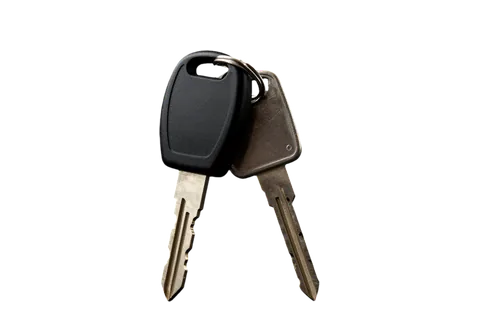
The lock cylinder wears out together with the key: inside the cylinder there are spring-loaded tumblers that line up only for the correct key profile. Every turn gradually wears both the tumblers and the key bit, and dirt, sand and metal dust speed up the process. A heavy bunch of key fobs adds side load and wears out the cylinder. Eventually the turn starts catching, you have to jiggle it, and one day it just won't turn. We disassemble the cylinder, clean it, replace worn tumblers and springs and reassemble it for your key if it's not too worn. If the owner has lost the keys, we install a new cylinder with a new set. For details on cylinder repair, see a separate page in this section. Tip: a copy with burrs wears the cylinder faster than the original key, so it's better to make a duplicate from the original, not from another copy.
Ignition switch
Replacing the ignition switch is needed when the contacts inside are burned or the plates have lost their spring. The ignition switch is the electrical part of the lock that, as you turn the key, supplies power in sequence to the instruments, ignition and starter. Significant currents pass through it, so over time the contacts burn, get carbon deposits, and the spring plates weaken. Typical signs are the engine stalling on bumps, the dashboard flickering, and the starter engaging intermittently. On many cars we replace the ignition switch right on the vehicle without removing the whole lock — it's faster and gentler on the steering column trim. On other models access is worse, and the lock is removed entirely. Tip: if the engine stalled while driving and immediately restarted, don't put off diagnostics — the next stop could happen at an intersection.
Steering lock and immobilizer antenna
The steering lock and immobilizer antenna sit next to the lock and often suffer along with it. The locking mechanism is a spring-loaded rod that, in the off position, engages a slot in the steering shaft; if the rod or its actuator breaks, the steering jams and you hear crunching when turning. The immobilizer antenna is a ring coil around the cylinder that reads the transponder in the key head and allows the engine module to start. A damaged coil or broken wire causes an immobilizer error even though the fob itself is fine. The opposite also happens: after a impact or water exposure, the transponder stops responding. Checking with a spare set and a scanner helps tell one from the other. Tip: if the car won't start with one key but starts with another, the problem is almost certainly in the key, not the lock.
Repair or replace the ignition lock
Most lock faults can be repaired without buying a new unit. But there are cases where a new lock is more reliable and ultimately more cost-effective than restoring a worn one.
What we repair and what we replace
type of failure and a reasonable way to fix it| Fault | Repair | Replacement |
|---|
| Dirt and tight cylinder movement | Cleaning and lubrication | Not needed |
|---|
| Worn tumblers | Replace tumblers and springs | If cylinder is heavily worn |
|---|
| Broken return spring | Replace spring | Not needed |
|---|
| Burned contacts | Replace ignition switch | If switch is not sold separately |
|---|
| Keys lost | New cylinder with new set | Complete lock on some models |
|---|
| Broken housing, signs of tampering | Not performed | Complete lock |
|---|
Repair in one shift
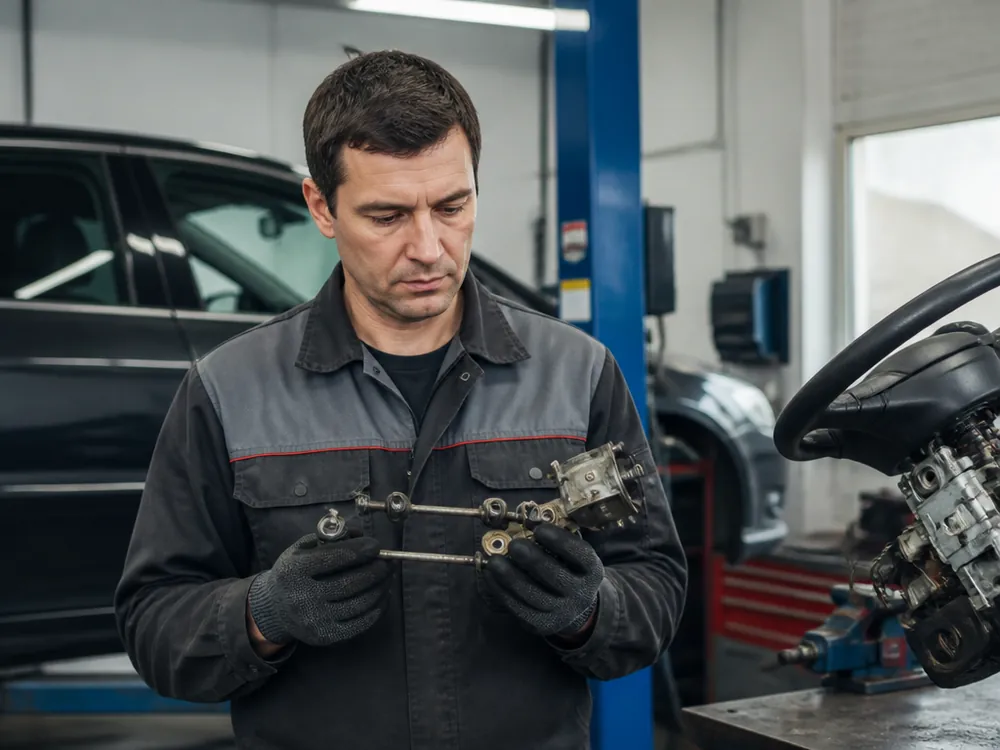
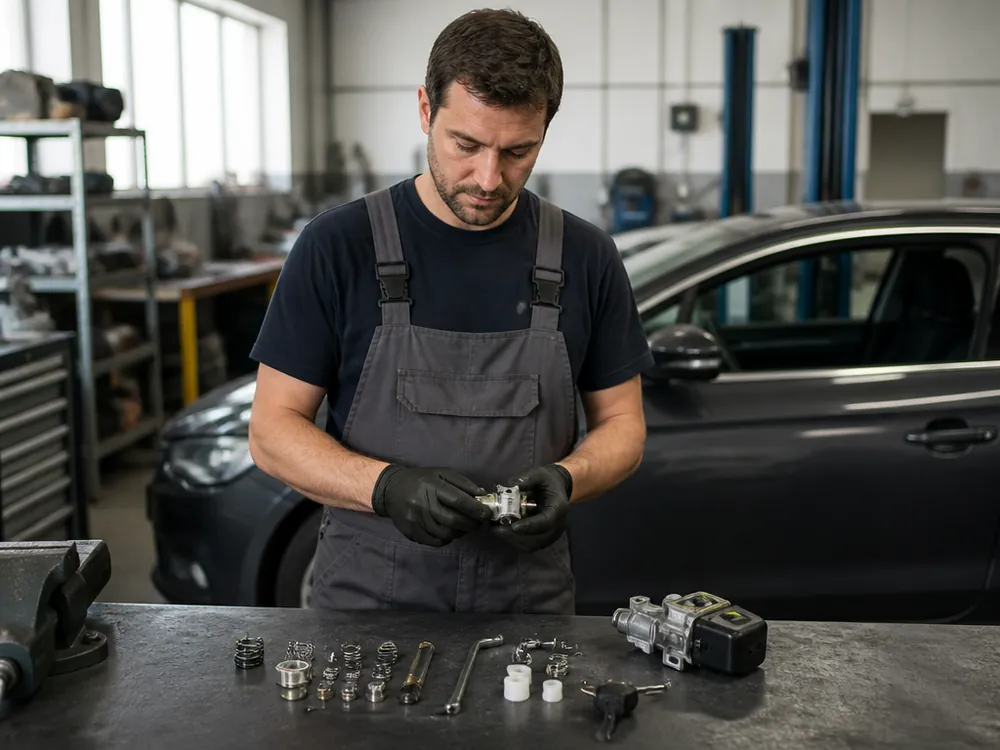
We repair an ignition lock in Almaty with the cylinder disassembled in a single shift: we remove the steering column cover and the lock, take the cylinder apart, clean it, replace worn parts, reassemble and lubricate it. You pick up the car the same day. If the cause is only contamination, lubrication without disassembly helps: we blow the cylinder out with cleaner and work graphite grease in through the keyway, after which turning becomes smooth and the tumblers wear less. But lubrication won't restore worn tumblers or a broken spring — that calls for disassembly. The technician removes parts carefully without damaging the trim or wiring and notes the position of every part. Before the repair we agree the list of work and parts with you, and we record the result in the work order. Tip: don't wait until the cylinder stops turning altogether — a stiff cylinder is easier to repair than a jammed one.
Replacement as an assembly and the immobilizer
Replacing an ignition lock with an immobilizer antenna requires matching the keys to the module, otherwise the engine won't start even with a new lock. A new lock assembly comes with its own cylinder and its own keys, so there are two options: move the old cylinder and antenna into the new housing, or program the new keys into the immobilizer module. The choice depends on the model and the condition of the old parts. We install a lock assembly when the housing is broken, the steering lock mechanism is damaged, there are traces of an attempted theft, or individual parts are no longer made for the model. After installation we check the steering lock, all positions and immobilizer operation, then start the engine. Tip: bring all the car keys for the replacement, including the spare — if they're programmed right away, the spare won't need separate work.
Start-Stop button and electronic steering lock
On cars without a conventional cylinder, the lock is replaced by a combination of the button, the smart key and several electronic modules. What breaks here isn't the mechanics but the link between these elements.
How push-button starting works
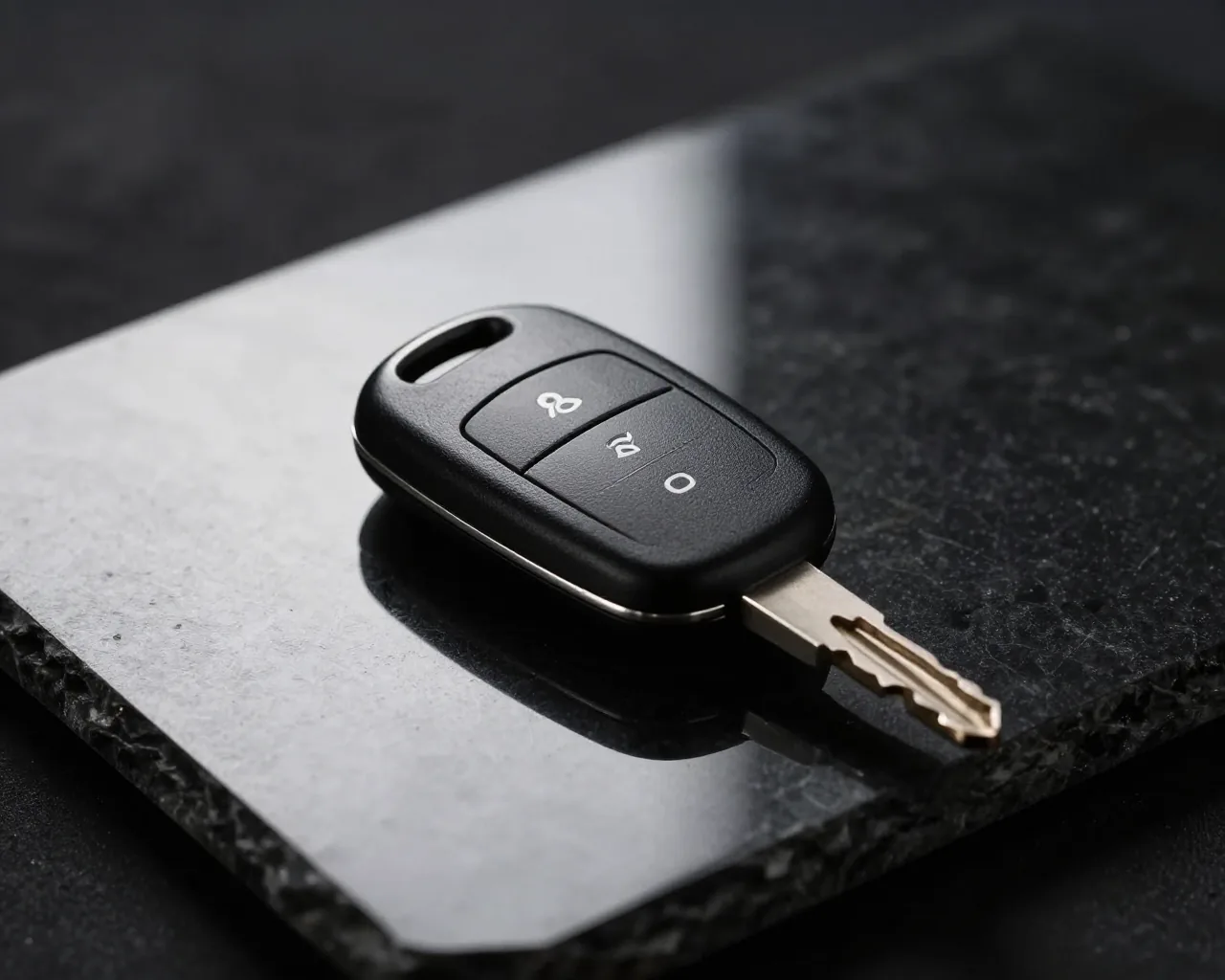
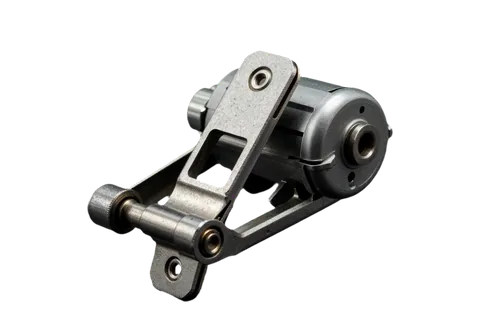
With push-button starting, the car first looks for the smart key in the cabin: antennas in the doors, dashboard and trunk send a request, the fob responds with a code, and the module authorizes the start. Then the electronic steering lock is released — on many models this is a separate small motor with a pin on the steering column. Only after that does pressing the button with the brake pedal depressed turn on the ignition and the starter. If even one link doesn't respond, the dashboard says the fob isn't found, or the steering stays locked. The most common and simplest cause is a dead key battery: the signal gets weak and the car "sees" the fob only every other time. Tip: if the fob stops working at a distance and the doors only open up close, it's worth replacing the battery before the start fails.
What breaks and how we repair it
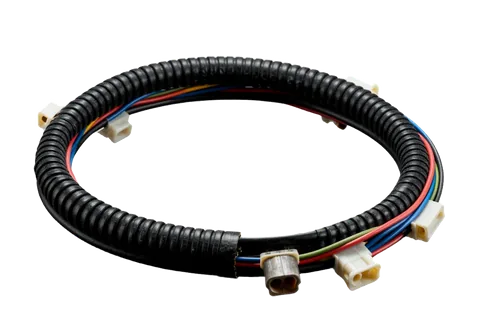
We repair the Start-Stop button and the elements connected to it: the button itself, the antenna at the button, the wiring, the electronic steering lock. The button wears mechanically — the contacts inside stop closing on the first press, especially in frost. The electronic steering lock on some models fails due to wear of the motor and contacts, and the steering stops unlocking. First we read the errors with a scanner and check which module isn't responding — without that it's easy to replace a part that's fine. Then we repair or replace the faulty element and check starting several times in a row, with different keys. If a new key needs to be programmed, we do it right there. Tip: don't try to reset the modules by disconnecting the battery while driving or during a start — on some cars this locks the steering until a technician arrives.
If the car doesn't see the key
- Key battery: replace it or hold the fob against the start button — many models have a backup antenna there.
- Spare key: if the car starts with the second key, the first key is faulty, not the starting system.
- Interference: move your phone, chargers and other fobs away from the key fob, they sometimes drown out a weak signal.
- Brake and selector: check that the brake pedal is fully depressed and the selector is in P.
- Battery: with a weak car battery the electronics behave unpredictably, check the voltage.
- Practical takeaway: if nothing helped, call a mobile technician or a tow truck instead of trying to start the car in unconventional ways.
Timelines, mobile service and warranty
A lock breaks at the worst possible moment — in the morning at home, in the evening in a parking lot. So it's important to know where and how fast it can be fixed and what happens if the breakdown comes back.
Mobile service and checks after reassembly
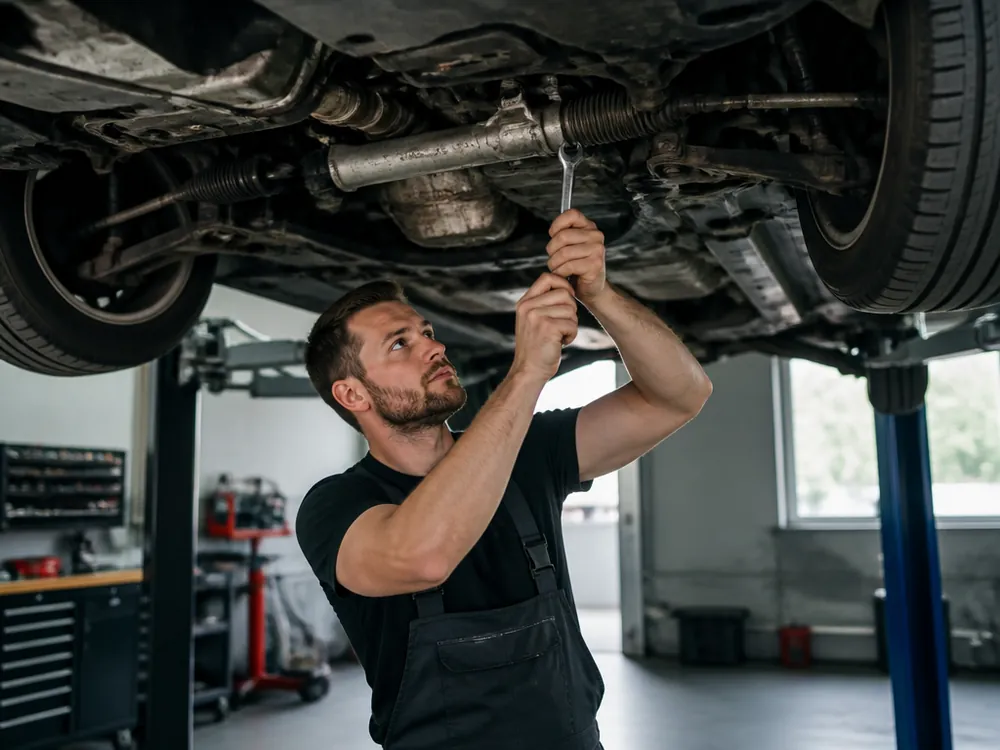
If the car won't start and you can't drive to the shop, we can come to the customer and repair the lock on site: replace the contact group, lubricate or disassemble the cylinder. Complex work involving removing the steering column and programming keys is better done in the bay, and then the car is brought in on a tow truck. At the shop we take cars daily from 09:00 to 20:00, by appointment with no waiting. A service advisor accepts the car, and an auto electrician does the work. After reassembly we check the unit in all four positions — Lock, ACC, ON, Start — and make sure there's no binding or play, the steering lock engages, and the engine starts confidently. Then we check the lock under real conditions: cold and hot starts, turning the steering wheel, and instrument operation over bumps. Tip: when calling a technician, describe the symptom and give the make and model — that way they'll bring the right parts.
What the warranty covers
- Term: we give a 12-month warranty on ignition lock repair, and we record the term in the work order.
- Mechanics: the cylinder, springs and turning mechanism are covered by the warranty; if it jams again through no fault of yours, we'll redo it free of charge.
- Electrics: a loose contact or failure of a contact group we installed is fixed at our expense.
- Diagnostics: inspection for a warranty case is free, come with your work order.
- What's not covered: a part brought by the owner, mechanical damage from rough handling, and the consequences of an attempted break-in.
Emergency opening without damage
Emergency opening of an ignition lock is needed when the key is lost, broken off inside the cylinder, or the lock is jammed so badly it can't be turned. We open the unit without damage: we don't drill out the cylinder or break the steering column cover, but work with a special tool through the keyway. This preserves the trim, wiring and steering lock mechanism, and after opening all that's left is to decide what to do next — rebuild the cylinder for a new set of keys or install a new lock. If a broken piece of key is stuck inside, it's extracted, and often the cylinder can be saved. Opening is also possible on site if the car is at home or in a parking lot. Tip: don't try to knock out a jammed lock with a screwdriver — a damaged cover and a broken lock pin make the repair noticeably harder.
What to know about ignition lock repair
The ignition lock lasts a long time if you catch its warning signs early and don't force it. A few takeaways will help you find the cause faster and keep a small repair from turning into a full unit replacement.
- The symptom points to the part: a stiff key means the lock cylinder's mechanicals, while power cutting out and a silent starter mean the contact group.
- Check the battery first: a weak battery and corroded terminals can masquerade as a faulty lock.
- No force and no oil: never force a jammed cylinder with a tool, and lubricate the lock cylinder with graphite, not liquid oil.
- Replacement comes with keys: a new lock with an immobilizer requires matching every key for the car to the module.
- The button breaks too: when push-button start fails, the first thing to check is the smart key battery and the spare key.