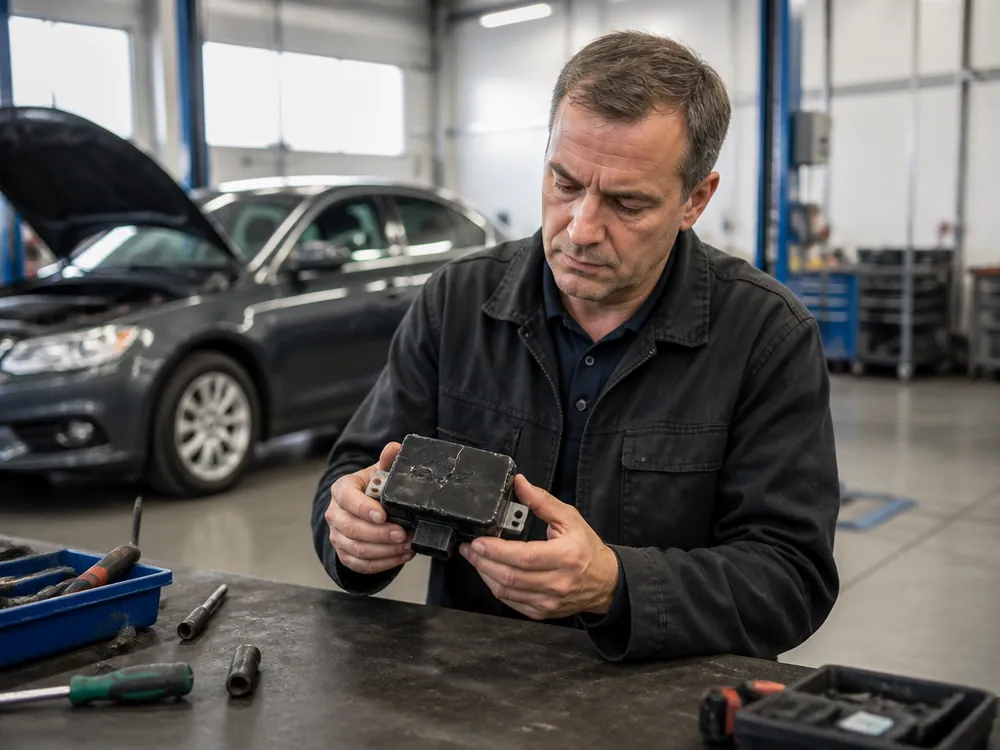
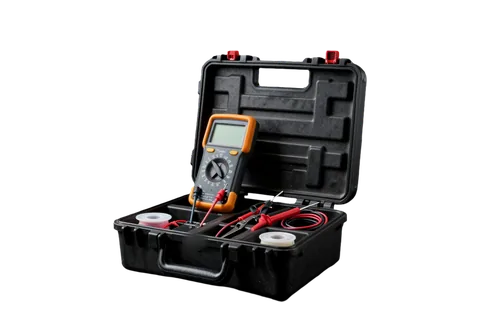
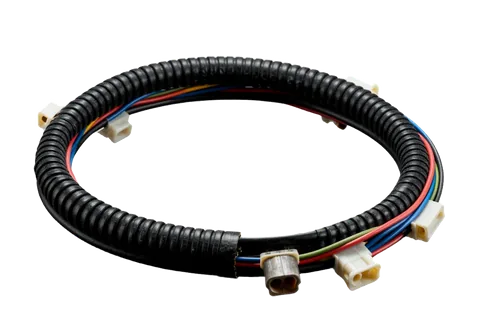
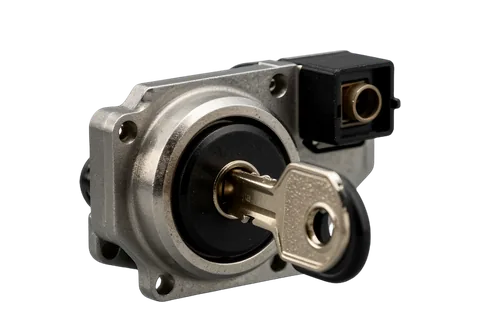
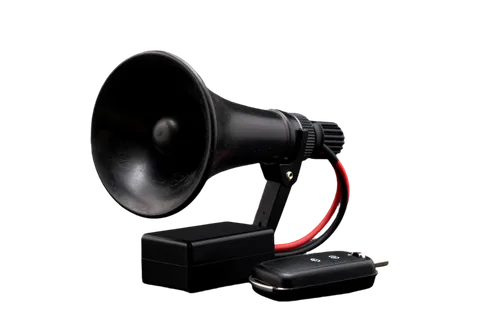
The immobilizer is an electronic "guard" that prevents car theft. But this system can also break down: it refuses to recognize the key, blocks engine start. We will perform diagnostics and repair an immobilizer of any complexity. We will get your car back on the road on the day you contact us.
Diagnostics and repair of immobilizers of any complexity: from clearing errors to replacing units.
Service
Duration
Warranty
Price
Master's visit for diagnostics (within Almaty)
1–2 hours
12 mo
from 5,000 ₸
Computer diagnostics of the immobilizer
30–60 min
12 mo
from 4,000 ₸
Reading and decoding immobilizer errors
30–60 min
12 mo
from 3,000 ₸
Checking integrity of wiring and immobilizer connectors
1–2 hours
12 mo
from 5,000 ₸
Clearing errors and key adaptation
1–2 hours
12 mo
from 6,000 ₸
Repair or replacement of immobilizer antenna
1–2 hours
12 mo
from 7,000 ₸
Replacing battery in key and re-binding
1–2 hours
12 mo
from 5,000 ₸
Repair of ignition switch contact group
1–2 hours
12 mo
from 8,000 ₸
Repair of immobilizer unit (soldering, component replacement)
2–4 hours
12 mo
from 12,000 ₸
Replacement of immobilizer unit (excluding parts cost)
2–3 hours
12 mo
from 15,000 ₸
Restoration of immobilizer after water damage
2–4 hours
12 mo
from 10,000 ₸
Repair of immobilizer after mechanical damage
2–5 hours
12 mo
from 12,000 ₸
Programming of new immobilizer (excluding unit cost)
2–3 hours
12 mo
from 18,000 ₸
Installation of immobilizer on vehicle (excluding kit cost)
3–6 hours
12 mo
from 20,000 ₸
Immobilizer bypass in case of malfunction (temporary solution)
2–4 hours
12 mo
from 15,000 ₸
Urgent on-site visit and repair (within city)
1–3 hours
12 mo
from 12,000 ₸
Immobilizer repair for trucks
2–5 hours
12 mo
from 25,000 ₸
Immobilizer repair for vehicles with non-standard wiring
3–6 hours
12 mo
from 22,000 ₸
Prices are indicated excluding the cost of parts. The exact cost depends on the make, model, and complexity of the malfunction. Warranty periods — see the page «Warranty»
06
Advantages of CARGID in Immobilizer Repair
Warranty.
Every promise — backed by a number or a document: work order, photos, removed parts.
12MO
warranty on labor — the term is stated in the work order.
Wiring done to the diagram
Key programming and erasing
Repair in 1 day
01
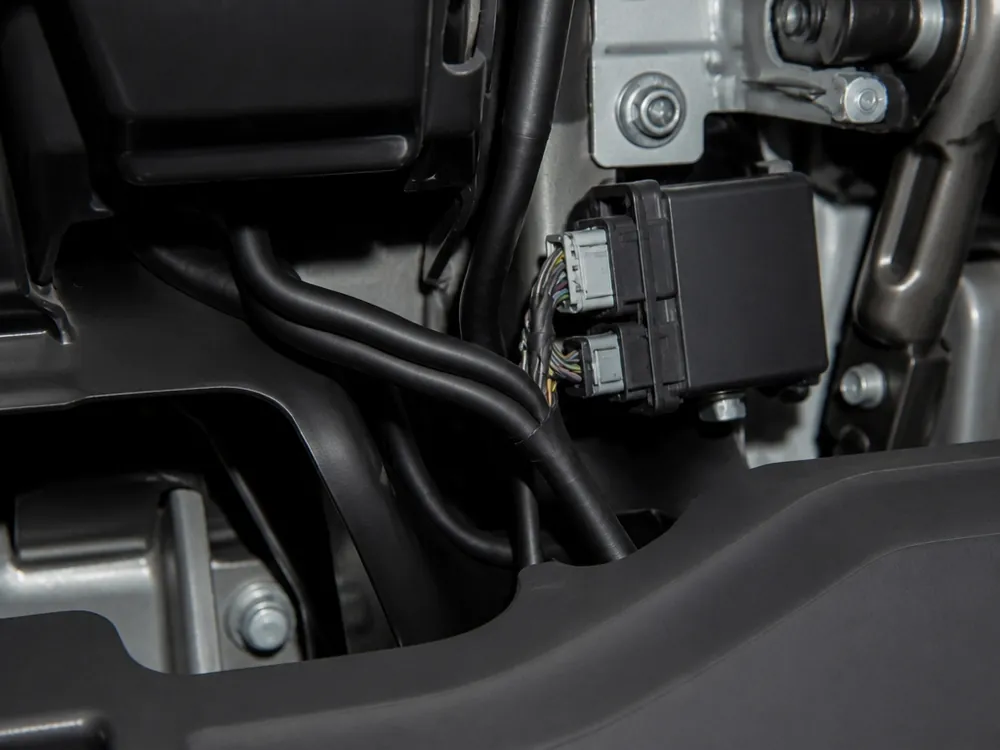
We restore wiring according to the diagram
We remove twists and electrical tape, run the wire in corrugated tubing, and solder with heat shrink. The contact withstands vibration and does not oxidize in damp conditions.
02
3 keys in memory
We program and erase keys, and remove extra ones from memory. A hijacker will not start the car with their chip, while your keys work as standard.
03
Repair in 1 day
We do the antenna, switch, and wiring in front of you, and solder the unit on site. Drop it off in the morning — pick it up in the evening with a working immobilizer.
04
12-month warranty
We are responsible for unit soldering, restored wiring, and key adaptation. If communication with the key is lost again, we will redo it free of charge.
07
How we repair the immobilizer
Steps.
From request to handover — 6 steps, each under the master's control.
01
Fault diagnostics
You leave a request on the website or by phone, and we select a convenient time for the visit. We read the immobilizer unit error codes and check the operation of the antenna, keys, and wiring.
error codes, antenna, keys
02
Repair approval
We explain the cause of the breakdown, give the exact cost and timeframe — we start work only after your consent.
cause and price before work
03
Removal and disassembly
We carefully remove the control unit and related elements to gain access to the electronics.
unit removal
04
Board repair
We replace damaged components, restore tracks, or reflash the chip if necessary.
soldering and flashing
05
Operation check
We test the unit on the bench and in the car: start, stop, synchronization with keys.
test bench and the car
06
Assembly and installation
We install the unit in place, connect the connectors, and check the entire immobilizer circuit. We hand over the keys, demonstrate the system operation, and provide a warranty and receipt.
Car service in Almaty. We reply on WhatsApp and by phone.
4 000 ₸Computer diagnostics of the immobilizer
10 · Useful
Immobilizer Repair in Almaty When the Car Stops Seeing the Key
Author: Мухтар Игенlead auto electrician and diagnostician, 5 years of experience
Published Updated
We start immobilizer repair in Almaty by reading fault codes and checking the antenna, keys, and wiring. Then we fix the link that failed: antenna, ignition switch contact group, module, or wiring, and program keys if needed. Antenna, switch, and wiring are done in a day, and we give a 12-month warranty on the repair.
How the Immobilizer Works and Why It Won't Let the Engine Start
The immobilizer isn't just one box under the dash — it's a chain of key, antenna, electronic module, and wiring. The driver sees a failure of any link the same way, so we trace the cause step by step, not by guesswork.
Key, Antenna, and Module Work as One Chain
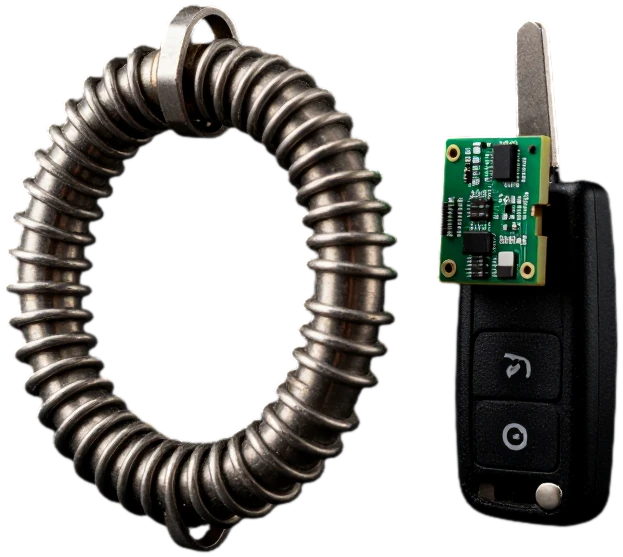
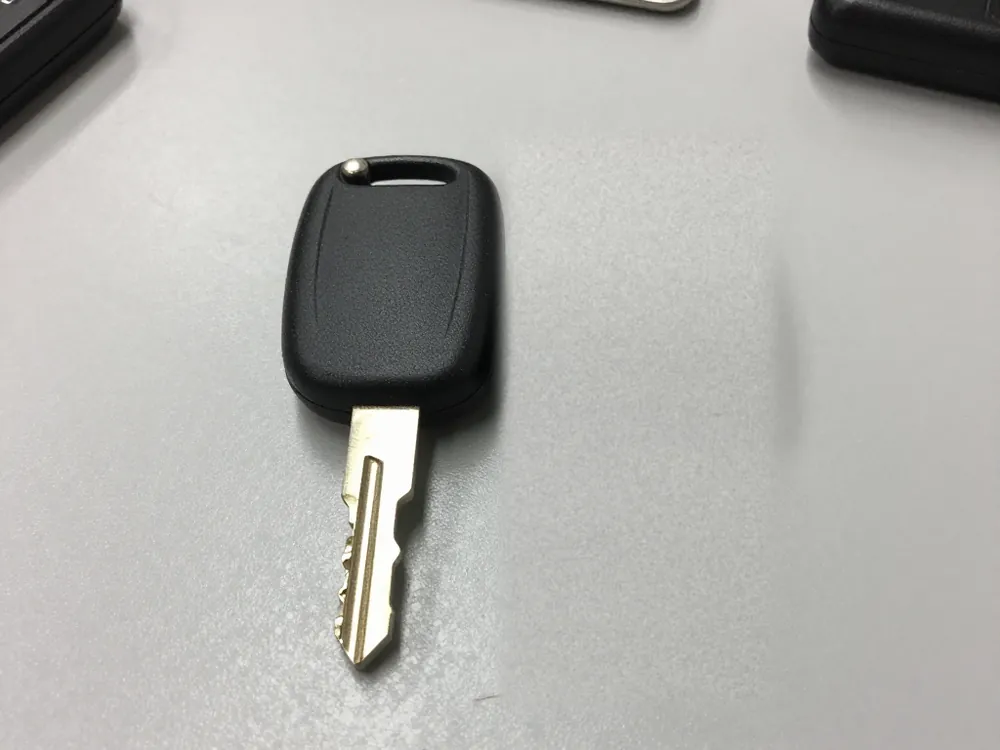
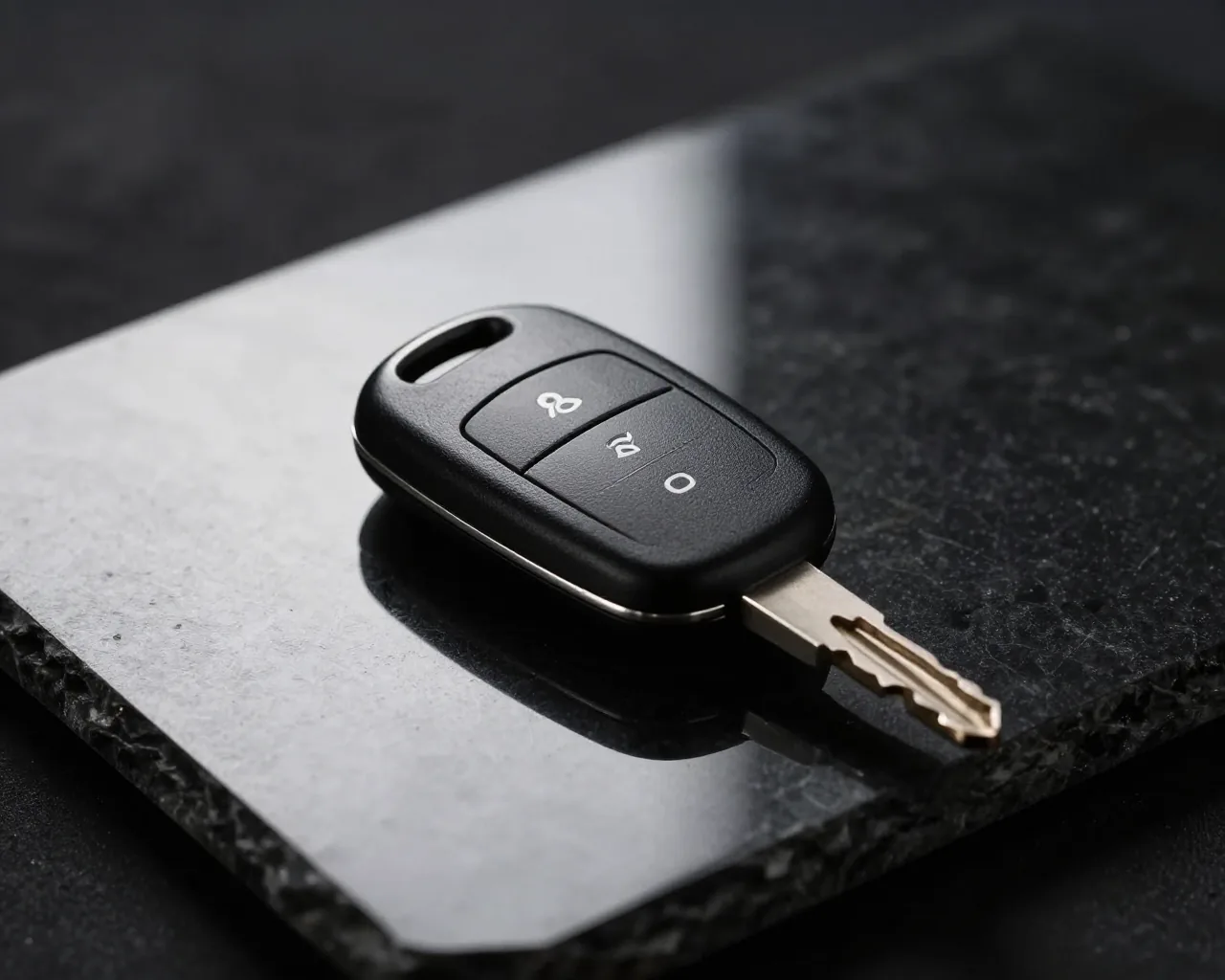
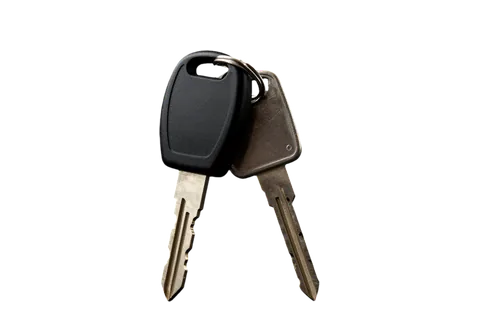
The key head hides a transponder — a tiny chip with no battery. When the key is turned in the ignition or brought into a car with a start button, the antenna creates a field, the chip draws power from it and responds with its code. The antenna passes the response to the immobilizer module, which checks the code against the ones stored in memory. If the code matches, the module allows the engine electronics to supply fuel and spark. In many cars, immobilizer functions are built into the engine ECU or the body control module, and they constantly exchange data. That's why installing one unit without adapting it to the other often leaves the car locked, even if the part itself is fine. Power for the whole chain runs through the ignition switch and wiring, and a weak contact there also breaks the code exchange.
Why a Failure in Different Links Looks the Same
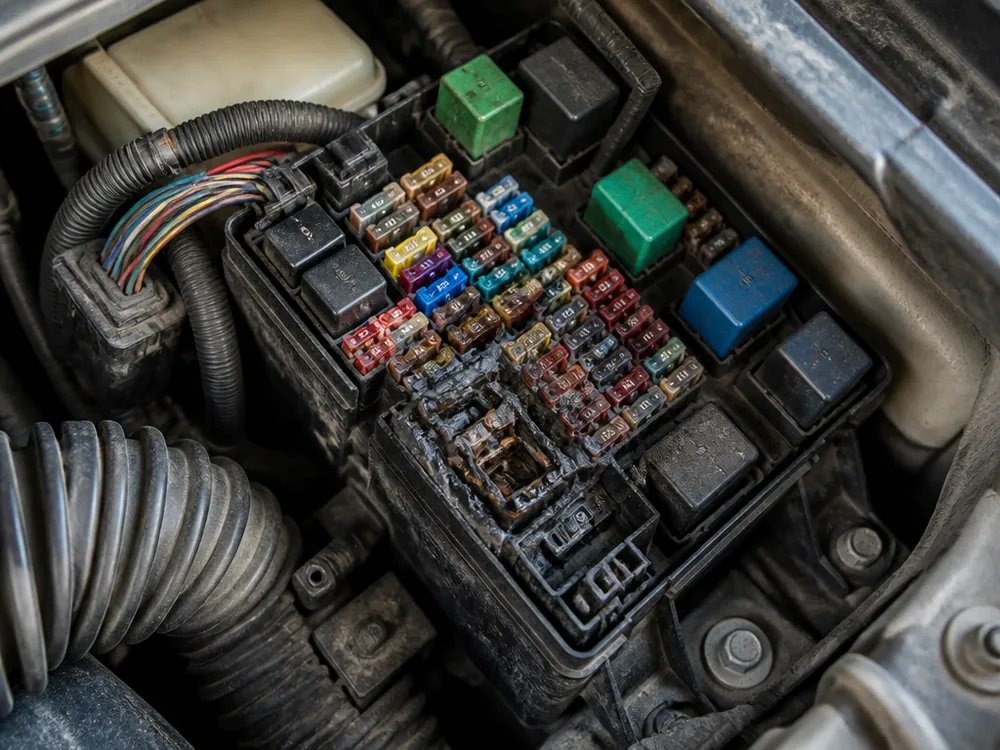
The driver sees the result, not the cause: the starter cranks, the engine won't start or catches for a second and dies, the lock icon flashes on the dash. That's exactly how a cracked chip, a broken antenna coil, a corroded ignition switch contact group, a cold solder joint on the board, and a splice left by an alarm installer all look. Similar symptoms sometimes come from issues unrelated to the immobilizer: a weak battery, a faulty fuel pump, a failed crankshaft position sensor. So replacing parts based on one symptom is a gamble. You might buy a new key and find out the antenna was at fault, or replace an expensive module when all it needed was resoldering the connector. First we need to find which link breaks the code exchange, and only then choose the work and estimate its scope.
What We Check First
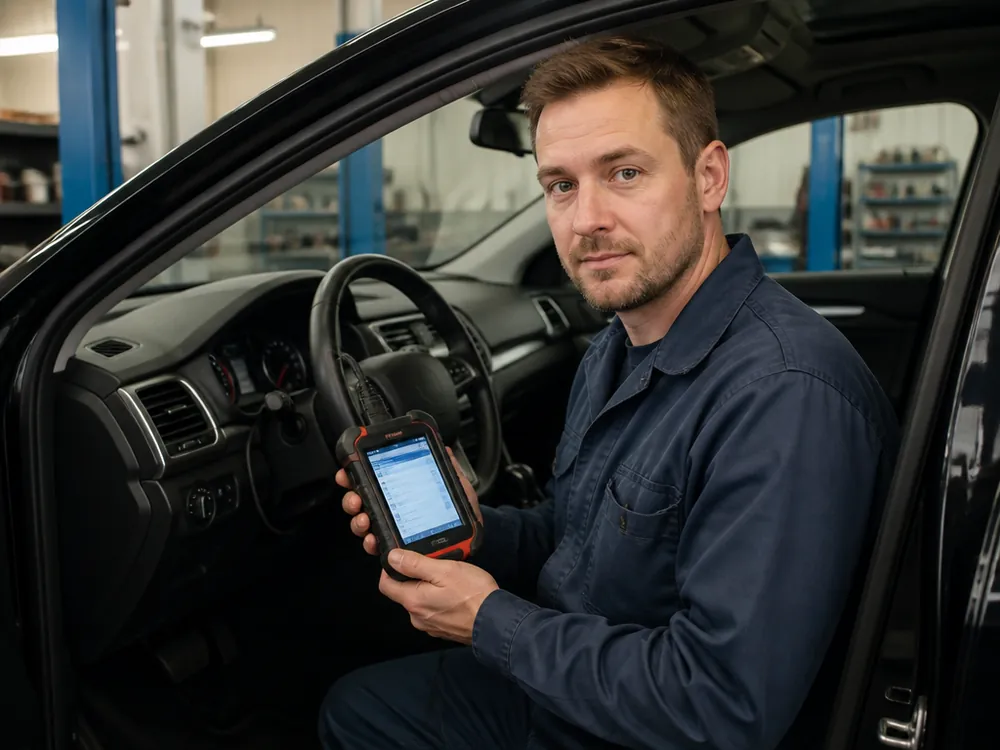
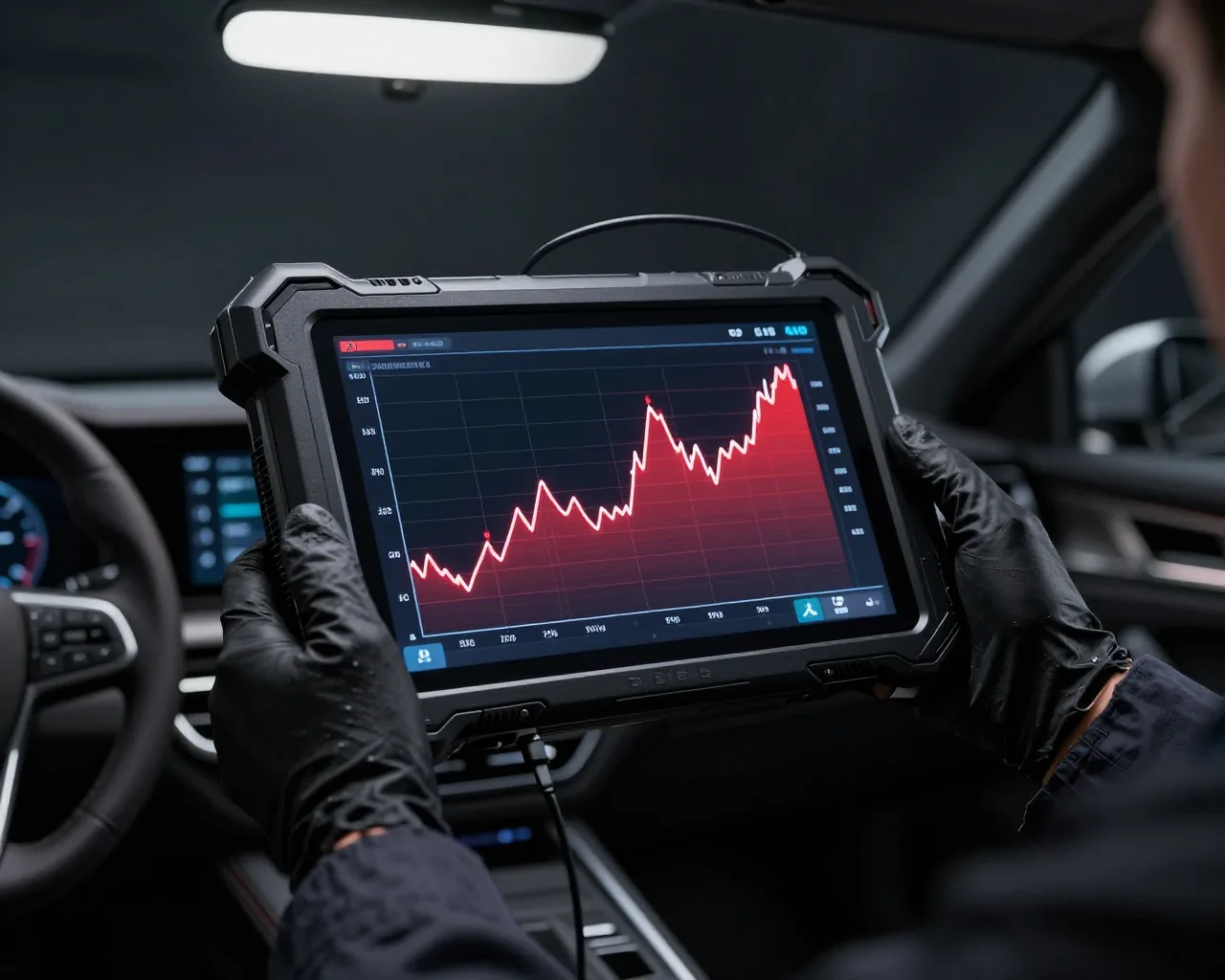
Fault codes: we connect a dealer scanner — we have them for 40+ brands — and read what the immobilizer module and engine ECU have logged.
Keys: we check whether each key reads individually and how many are stored in memory, so we can tell a faulty chip from a system failure.
Antenna: we check the coil at the ignition switch for an open circuit and the connector for reliability, since wear makes the fob read intermittently.
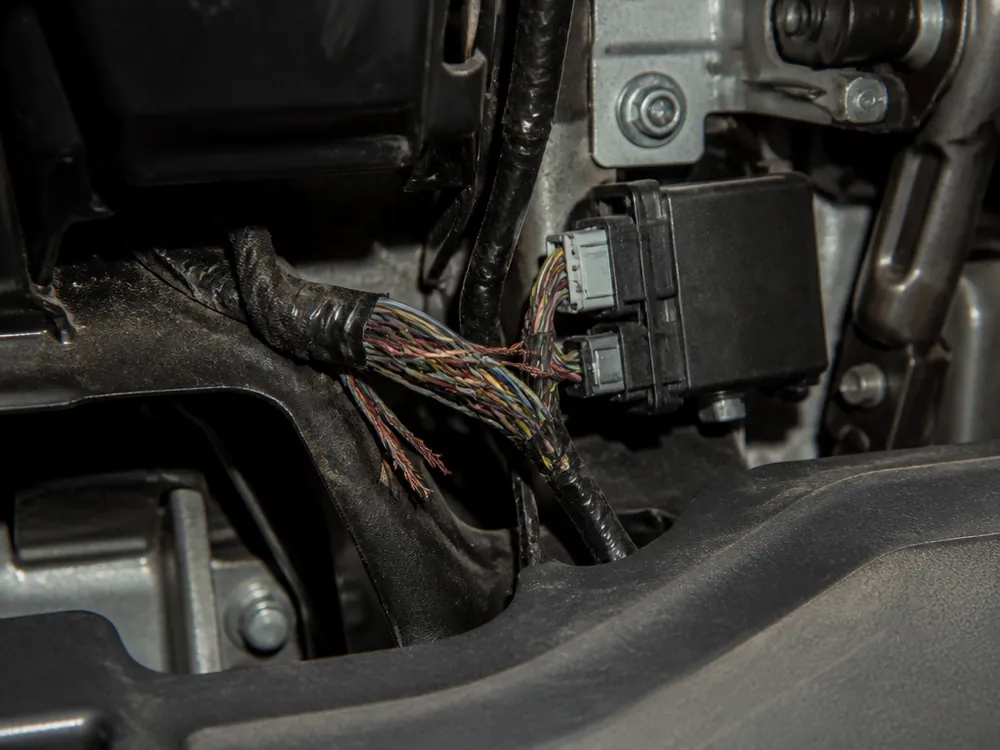
Power and wiring: we check the module's supply voltage, the ignition switch contact group, and traces of past installations, including splices and non-factory taps.
Result for the owner: the CARGID technician explains the cause and prepares a written estimate, and we start the repair only after you agree.
Signs of a Failure and a Simple Check Before Visiting the Shop
Not every car that won't start has an immobilizer problem. A few simple observations before your visit help narrow it down and save diagnostic time.
Symptoms That Point to the Immobilizer
Starter cranks, engine silent: the engine turns over briskly but won't catch, even though there's fuel in the tank and the battery is charged.
Starts and stops after a second: the engine fires and immediately dies — that's how the engine module often reacts to an unconfirmed key.
Dash icon: the immobilizer indicator flashes or even stays on after the ignition is turned on, though normally it goes out almost immediately.
Weather-related glitches: the system acts up in frost, damp weather, and after a car wash, but works when dry — a hint at contacts.
Failure after intervention: problems started after an alarm install, battery replacement, dashboard repair, or ignition switch work.
What the Owner Can Check Themselves
The first check is the spare key. If the car starts with it but not with the main key, the chip in the main key is almost certainly at fault, and the antenna and electronics are fine. If it won't start with either, the problem is in the system itself. The second check is the battery. When voltage drops, electronics behave unpredictably: communication with the key breaks down and random icons light up on the dash. If the starter cranks slowly, charge the battery first and check it under load. The third is the key ring. Other transponders on the ring, a fob from another car, or a bulky metal keychain next to the key head can sometimes prevent the antenna from reading the code. Try starting the car with the key off the ring. If nothing helps, don't crank the starter over and over: the battery will drain, and it won't reveal the cause.
Symptom, Likely Cause, and Our Solution
How the symptom points to the fault
Symptom
Likely cause
What we do
Spare key starts the car, main key doesn't
Damaged chip
Check the chip, program a new one into memory
Won't start with any key
Antenna, module, power
Read codes, check the antenna and board
Failures in frost and damp
Oxidized lock and connector contacts
Restore the contact group and connectors
Failure after alarm installation
Twisted splices, aftermarket bypass
Restore the wiring according to the diagram
Engine stalls after a second
Start not confirmed
Check data exchange with the engine ECU
Failure after module replacement
New memory is empty
Program and adapt the keys
What kind of immobilizer repair is needed in each case
The system has several links, and the work on each is different. Replacing the coil at the lock is one thing, soldering the module board is another, and untangling someone else's wiring under the dash is a third.
Antenna and ignition lock contact group
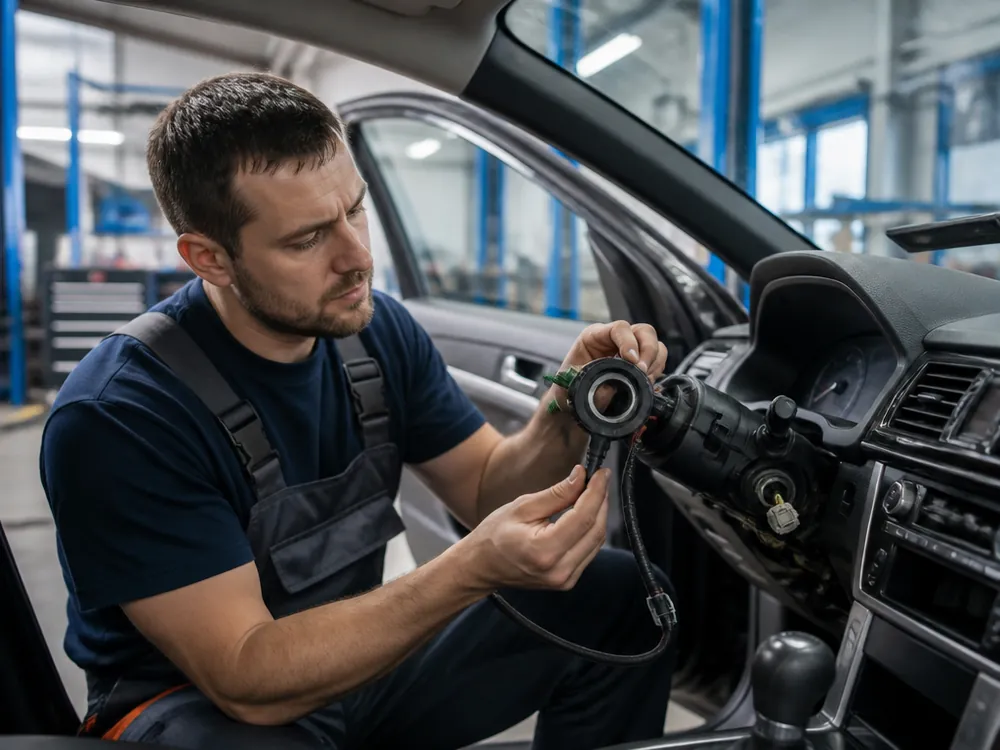
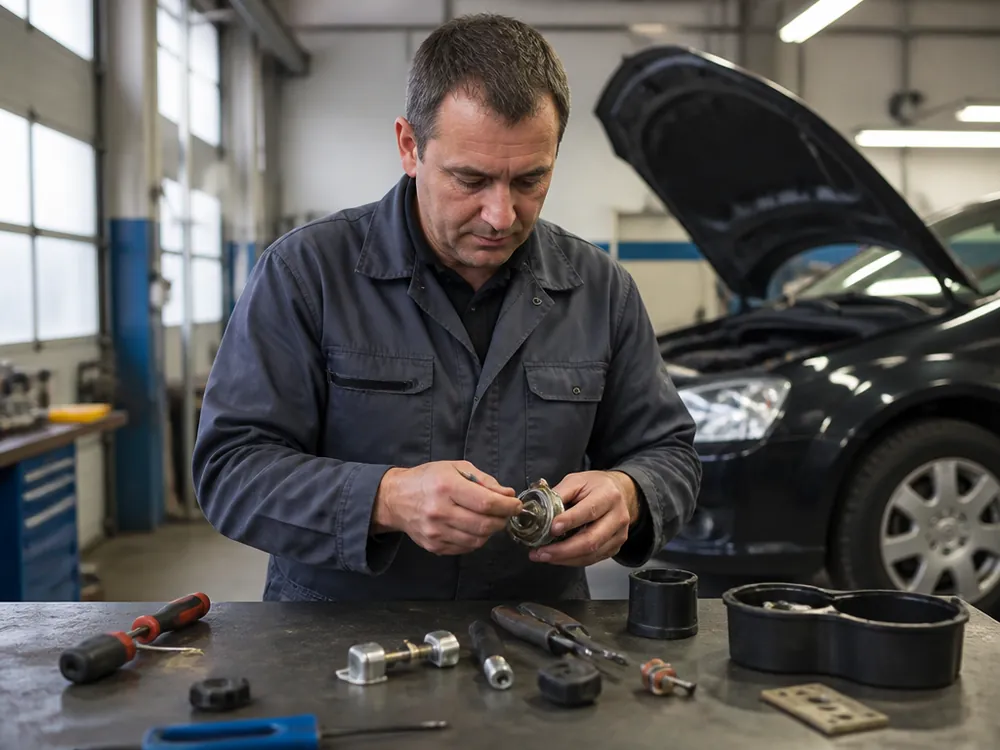
Most often, immobilizer repair comes down to the antenna and ignition lock, not the electronics. The antenna is a coil of thin wire around the lock cylinder. Vibration, aging insulation, and careless removal of the steering column cover break the wire, the connector contact oxidizes, and the key starts reading intermittently. We check the coil and, if it's broken or worn, replace it, after which the transponder reads without failures again. The ignition lock contact group supplies power to the immobilizer module and other consumers. When its contacts burn or wear out, power drops at the moment of starting, and the system doesn't have time to check the key. We disassemble the lock, clean it, and restore the contact group. We don't touch the mechanical part of the lock if it's working. We repair the antenna and contact group in one day.
Immobilizer module and board soldering
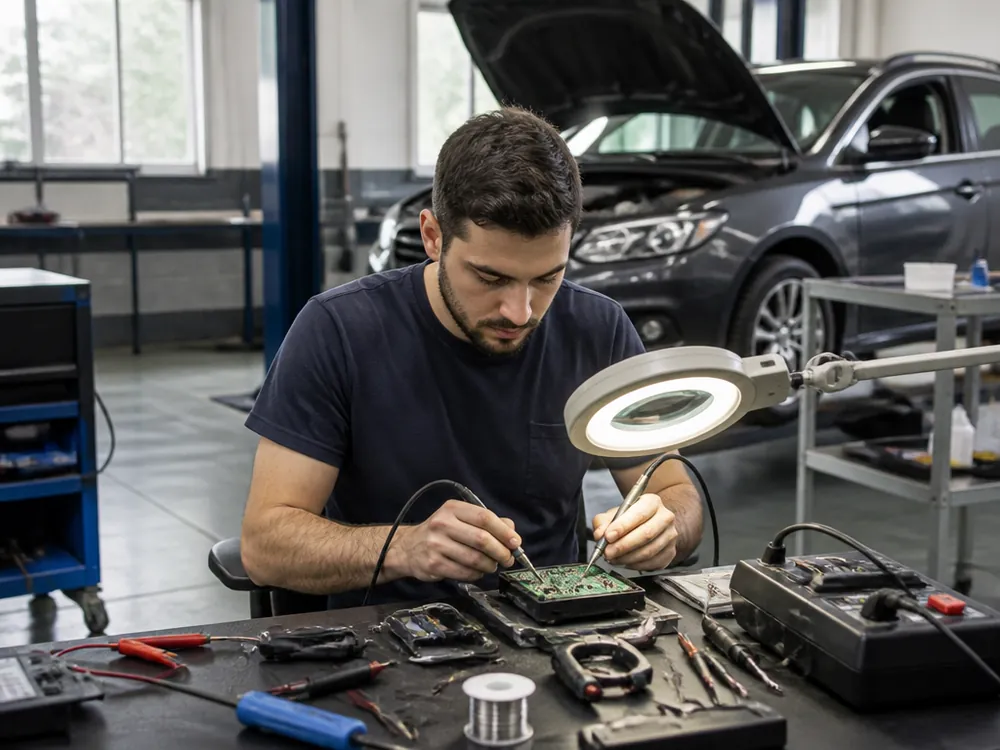
The immobilizer module is a board with a microcontroller, memory, and power circuits. It fails less often than the antenna, but the causes are clear: solder cracks from vibration and temperature changes, moisture after a leak or cabin flooding, burned-out components after a voltage spike from improper jump-starting and a short in the wiring. We open the case, re-solder the traces and connectors, replace burned-out components, and the module communicates and reads the transponder again. We solder the board in-house, don't send it anywhere. After repair, we test it on the bench, then in the car: start, stop, and restart with each key. We also repair immobilizers in trucks with 24 V electrical systems, accounting for the different voltage and heavy-duty components. The whole unit is replaced when the board can't be restored, and then the keys are programmed into the new memory from scratch.
Wiring after aftermarket installations
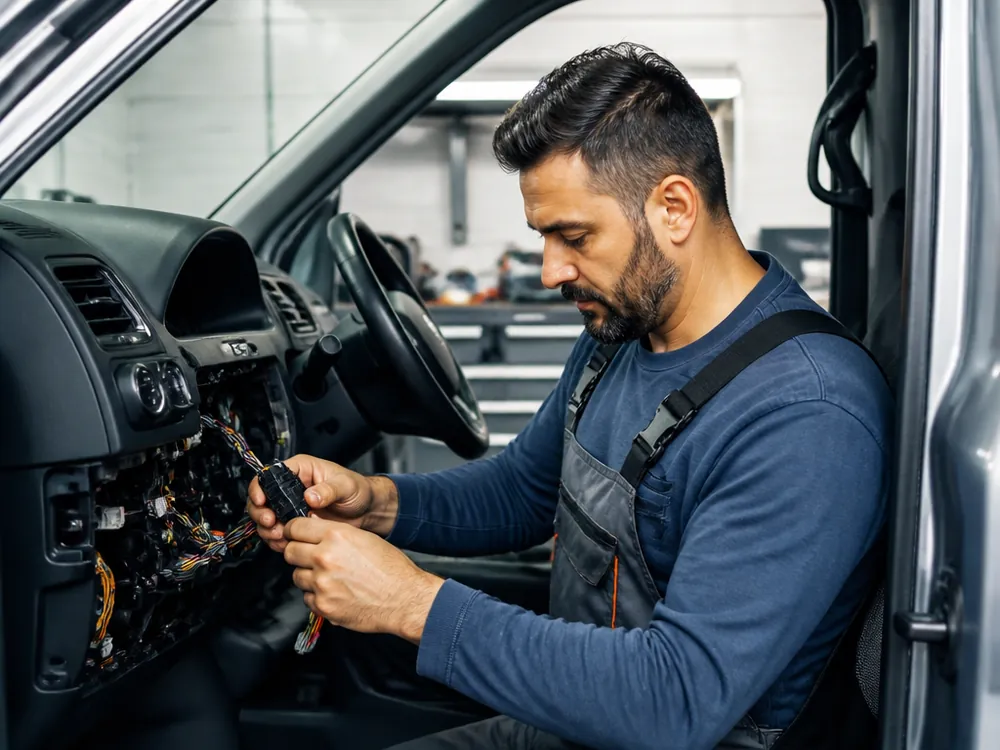
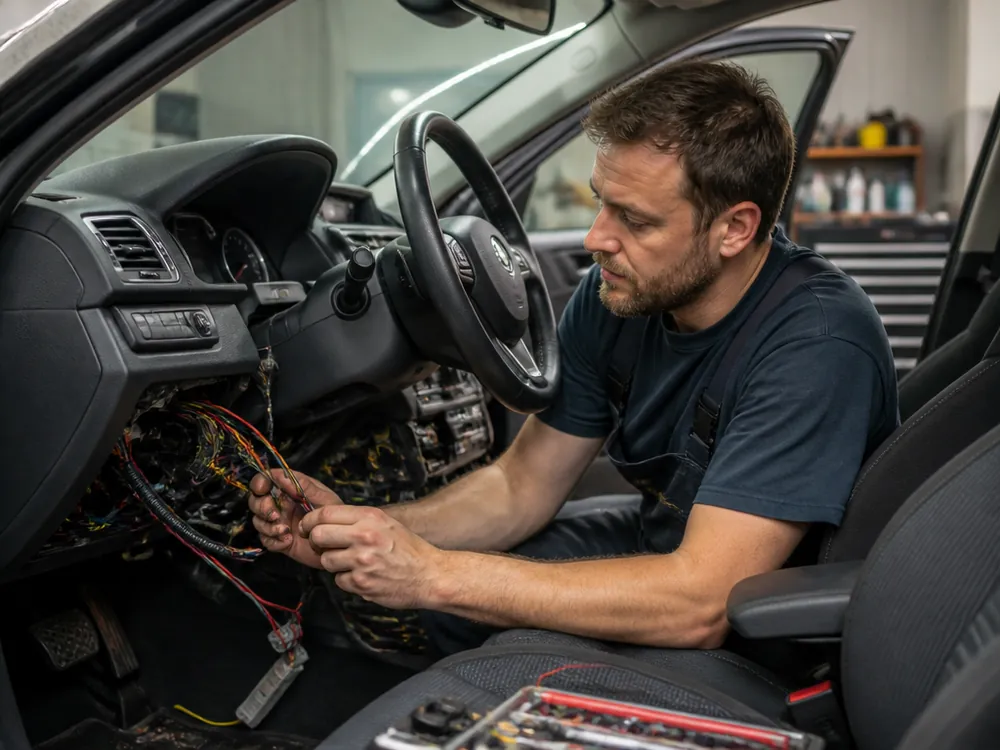
If the car has already been to alarm and remote start installers, the immobilizer wiring often contains twisted splices, electrical tape, taps into other wires, and a bypass hidden under the dash. Over time, the twists oxidize, the tape slips from heat, and communication with the key disappears for no apparent reason, usually at the worst moment. We sort out such aftermarket connections and traces of past installations and restore the wiring according to the diagram: remove twists and tape, solder connections with heat shrink, and run the wire in conduit. Such a contact withstands vibration and doesn't oxidize in damp conditions. We remove taps that no longer do anything and redo the necessary ones neatly. We repair the wiring, like the antenna and lock, in one day, and photograph the key stages so the owner can see what it was and what it became.
Keys, programming them, and temporary bypass when broken
A key is as much a part of the system as the module and antenna. It can be programmed, erased from memory, temporarily bypassed, but each action has its consequences for the car's security.
When keys need to be reprogrammed or erased
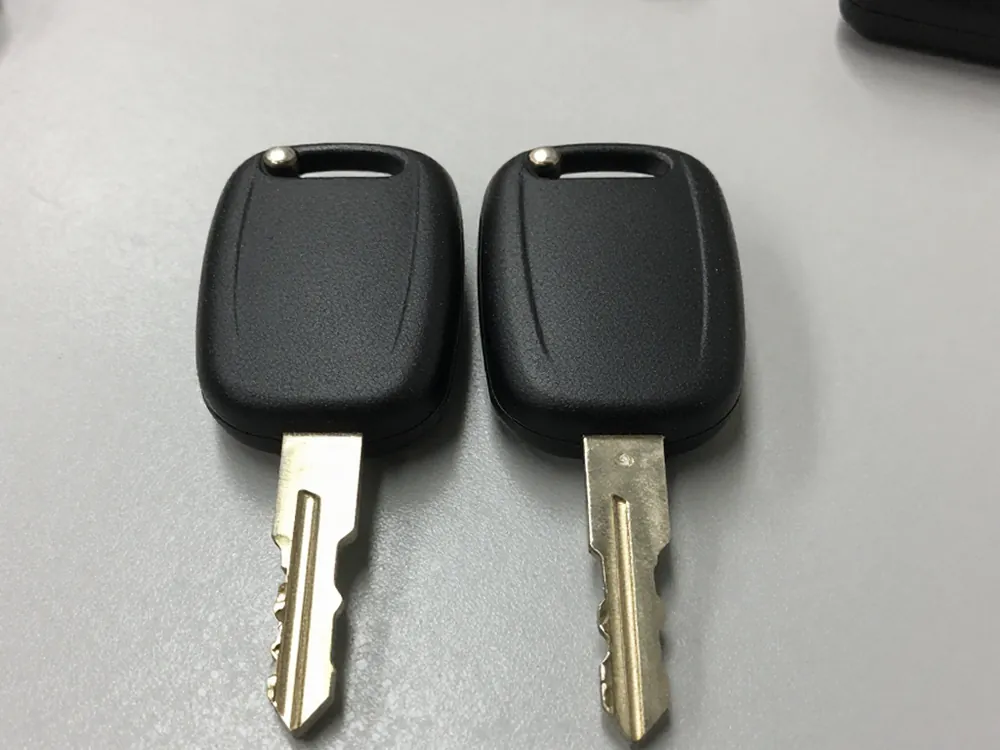
Keys need to be reprogrammed after module replacement and repair, when buying an extra key, and when the system stops recognizing its keys after a failure. An equally important situation is a lost key. A key found by a stranger will still start the car as long as it's in memory. That's why we program and erase keys, and remove extra ones, including lost ones, from memory. To do this, bring all the keys you have left: in many systems, when rewriting, memory will only keep those that were in the technician's hands, and the rest will stop working. If a spare key has been sitting at home for a long time, bring it too; checking the chip is easier right away than coming back a second time. We program with a dealer scanner for your make, and after adaptation we start the car with each key several times in a row.
Module bypass as a temporary measure
Disabling the immobilizer is a common request when the car is down and you need to drive today. We bypass the immobilizer only in case of a malfunction and as a temporary solution: for example, when the module is waiting for repair or replacement, and the owner needs the car every day. It's important to understand the cost of such a decision. While the bypass is installed, the system no longer distinguishes your key from someone else's, and the factory anti-theft protection is effectively weakened. Therefore, we explain this to the owner in advance and include the reverse work in the estimate: after repair, we remove the bypass, restore the factory circuit, and program the keys. We don't recommend permanently disabling a working system for convenience; saving on repair results in a car that's easier to steal. If a bypass remains from a previous service, we'll show it during diagnostics and offer to return the system to working condition.
Work options and how they differ
What to choose depending on the fault
Option
When appropriate
What it gives
Antenna and lock contact repair
Key reads intermittently, failures in damp
Factory operation without module replacement
Module board soldering
No communication with module, traces of moisture
Your own part instead of a new one
Wiring restoration
Twists and taps after installations
Stable contact under vibration and damp
Key programming and erasing
New module, new or lost key
Only your keys start the car
Temporary bypass
Module faulty and awaiting repair
Car is drivable, protection weakened
Warranty on immobilizer repair and owner mistakes
Reliability after repair depends not only on the technician. How the car is used after pickup and what the owner avoids affects the system's service life no less than quality soldering.
What the warranty covers
Warranty: immobilizer repairs in Almaty come with a 12-month warranty; we put the term and conditions in the work order and the completion certificate.
What's covered: board soldering, repaired wiring, key adaptation and the parts we installed during the repair.
If the fault comes back: if the key exchange drops out again, diagnostics for the warranty case are free, and we fix any defect in our work under warranty.
What's not covered: an accident after the repair, tampering by third parties, normal wear of consumables, and a part the customer supplied.
Before handover: we test the module on the bench and in the car, take it for a test drive, and return the old parts if they were replaced.
Mistakes that make the repair harder
A used module without adaptation: a donor ECU or immobilizer module holds another car's codes and won't accept your transponder without adaptation.
Jumpers and homemade bypasses: a wire bypassing the system and a randomly bought emulator weaken the protection and often add new faults to the wiring.
Cranking again and again: long starter cranks drain the battery, and at low voltage the electronics start to glitch even more.
Taking the lock apart yourself: when removing the cover and the lock, it's easy to tear the thin antenna coil wire or break the connector latch.
Repairing the wrong link: a new part without diagnostics often doesn't solve the problem if the antenna or the wiring is actually at fault.
How to make the system last
The most vulnerable link is the key. The chip inside handles everyday wear fine, but it suffers from drops on hard floors, a wash in a pocket, and long exposure to water. If it's been dropped and reads worse, don't wait for it to fail completely. Keep a spare key at home in a dry place and start the car with it now and then so you know it works. Watch the battery: an old battery with voltage drops harms all the electronics, not just the immobilizer. It's better to carry keys with chips from different cars separately. Before installing an alarm or remote start, ask how the installer plans to connect to the immobilizer, and ask for soldered connections instead of twists. Check any new starting faults right away, while the problem affects one link and hasn't dragged down the ones next to it.
Key points for immobilizer repair
The immobilizer rarely fails completely. Usually one link in the chain breaks, and the scope of work and the car's reliability after the repair depend on how accurately we find it.
A chain of links: the key, antenna, lock contacts, module and wiring all give the same symptom, so the cause is traced in order.
A simple self-check: a spare key, a charged battery and starting without the fob rule out some causes before you even reach the shop.
Wiring without twists: connections made after alarm installs are only reliable when they're soldered, covered with heat shrink and run in conduit.
A lost key: it should be erased from the module's memory as early as possible, otherwise someone with that key can start the car.
Bypass only temporarily: bypassing the module is acceptable while it's faulty and before repair, but driving permanently without the factory protection makes the car easier to steal.
11
Frequently asked questions about immobilizer repair in Almaty
Questions.
Price, timeframes, warranty, payment — 10 questions asked most often.
10
Didn't find an answer?
Message us on WhatsApp — a service advisor will reply within 5 minutes.
The price depends on the make and model, the type of fault and the parts needed. Computer diagnostics — from 4,000 tenge, key battery replacement with re-pairing — from 5,000 tenge, antenna repair — from 7,000 tenge, immobilizer unit repair — from 12,000 tenge for labor. Parts are paid separately; we give the exact price after diagnostics.
A standard repair (battery replacement, antenna repair) takes 1–2 hours. If reflashing the unit or replacing the chip is required, the work may take 2–4 hours. In rare cases, when the control unit needs to be replaced, it may take 1–2 days, especially if the part needs to be ordered. The technician will state the exact timeframe after diagnostics.
Yes, we provide a warranty on the work performed — 12 months. For replaced parts, the warranty is from the supplier (usually 3–12 months). If during the warranty period problems arise due to our fault, we will fix them free of charge. The warranty does not cover mechanical damage, moisture ingress, or unqualified intervention.
We recommend booking in advance, especially on weekdays — that way you'll save time. Booking by phone or via WhatsApp. In urgent cases (the car won't start), we can accept you without an appointment, but the waiting time may be 30–60 minutes. Call us and we'll guide you on available slots.
Yes, you can install your own parts (for example, a control unit or key). However, we recommend using original or high-quality equivalents that we have — this guarantees compatibility and reliability. If you bring your own, the master will check their operability before installation. We charge a fixed price for the work; you are responsible for the quality of the parts.
First of all, stay calm. Call us immediately, don't try to disassemble it yourself. During the warranty period, we will perform a repeat diagnosis and fix the malfunction free of charge. If the problem arose due to our fault, we will fix it at no extra charge. If the cause is new damage (for example, broken wiring), you will receive a repair estimate with prior approval.
A cheap repair (from 5,000 tenge) is usually fixing simple issues: battery replacement, contact repair, antenna replacement. A more expensive one (module repair from 12,000 tenge, programming a new immobilizer from 18,000 tenge) includes reflashing the control unit, chip replacement, repair with electronics restoration. The difference is in complexity, time, and parts cost. Cheaper doesn't mean worse — it's just a different scope of work. We always tell you honestly which option fits you.
The main symptoms: the car won't start, the key isn't recognized, the immobilizer icon flashes on the dashboard, the key won't turn in the lock (if it has a chip). It also happens that the engine stalls a few seconds after starting. If you notice such signs, it's better to contact us right away — this will help avoid a starting problem at the most inconvenient moment. Diagnostics will show the exact cause.
Usually, on the first day after repair, try not to expose the key and unit to moisture or impacts. Check that everything works: start the car, shut it off, and repeat several times. Turn the security on and off with the standard fob. If the immobilizer was reflashed, you may need to re-bind all keys — the master will provide instructions. No special care is required afterwards.
You can pay in cash, by card (Visa, MasterCard), or transfer via Kaspi/QR. For legal entities, bank transfer is possible. We issue a fiscal receipt. When pre-ordering parts, an advance payment (50%) may be required, the rest — upon completion of work. No hidden fees: the final amount is fixed before repair begins.
12
What clients say about our immobilizer repair
Reviews.
We collect ratings on the website and on maps — we hide nothing.
4.8
872 reviews on the website 1 900+ ratings in total
Andrey
Dealt with the immobilizer on a Toyota Corolla. The car sometimes wouldn't start, I suspected the key. Diagnostics showed the antenna had died. They replaced it in a day, I paid 45 thousand tenge. Now it starts instantly. Thanks for not scamming me into an expensive unit.
Zhanna
Almaty, CARGID service. They repaired the immobilizer on a Honda Civic. After washing the engine, it stopped reading the key. Turned out moisture got into the unit. The guys cleaned everything, dried it, replaced one component. Total 28 thousand, three days. The car is like new, starts perfectly.
Dmitry
Had a problem with the immobilizer on Audi A4. It wouldn't start with the key, thought that was it, need a new unit. In CARGID they did diagnostics, turned out to be just a firmware failure. Reprogrammed for 32k and everything worked. Thanks for honesty, could have sold a new unit, but didn't. Recommend!
Nurlan
The Lexus RX300 stopped starting, immobilizer error. I went to CARGID, the master quickly found the problem – a burnt fuse and a scorched connector. They replaced it in a couple of hours, I paid 18 thousand. Very satisfied, everything was done precisely and without unnecessary parts. I recommend!
Aliya
Sportage
I lost the second key to my Kia Sportage, and only one remained, and even that stopped starting the car. Panic! At the service they calmed me down, made a new key and programmed it into the unit. It came out to 78 thousand, but that's cheaper than at a dealership. Everything works, thank you!
Sergey
In CARGID I repaired the immobilizer on VW Passat. There was a failure after installing the alarm. The technicians reconnected the wires, adjusted everything in a day, took 22k. They gave a warranty. The car now starts normally, the problem is gone. I advise, don't delay, get it done.
Marina
The immobilizer on my Nissan Qashqai broke, the car stalled while driving. I thought I'd have to replace the unit, which costs a lot of money. But it turned out the firmware had just crashed. At CARGID they reflashed it, checked everything, I paid 32 thousand. Now it flies. Thank you so much!
Bakhyt
Toyota Camry
Менің көлігім Toyota Camry иммобилайзері істен шықты. Көптеген сервистерде блокты ауыстыру керектігін айтты, бірақ CARGID мамандары нақты себебін тауып, антенна мен контактілерді жөндеді. Барлығы 45 мың теңге, бір күнде бітті. Өте ризамын, жұмыстарына рахмет!
Igor
Immobilizer repair on a Chevrolet Cruze. The key stopped being recognized, I struggled for a week. At CARGID they cleaned the antenna contacts and replaced the module. Result – 45 thousand, one day. What I liked: honest diagnostics, they warned me in advance, no surprises with the money. I recommend.