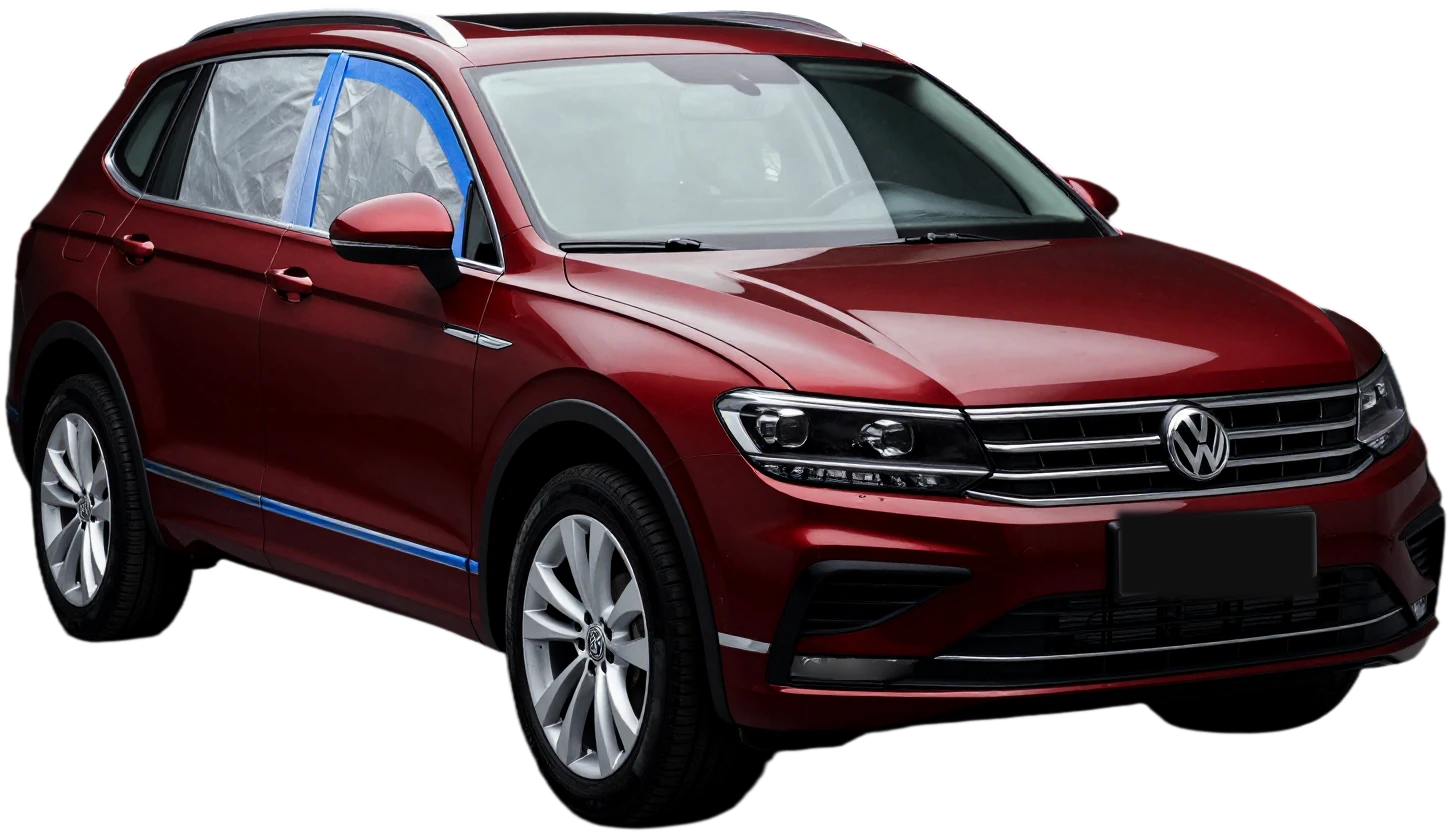
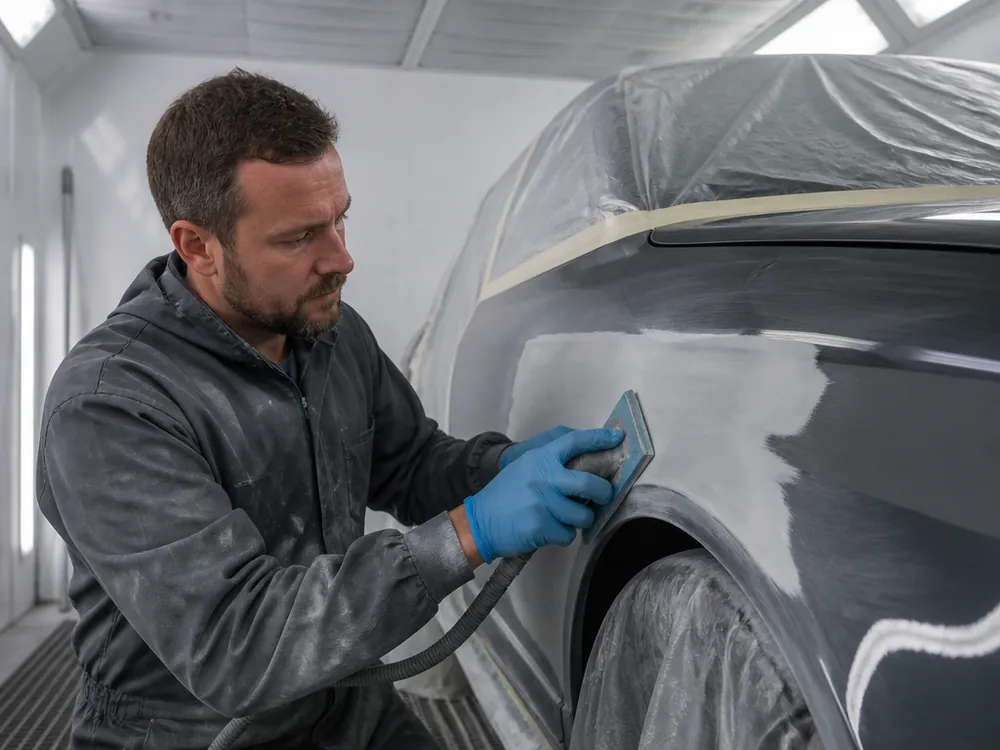
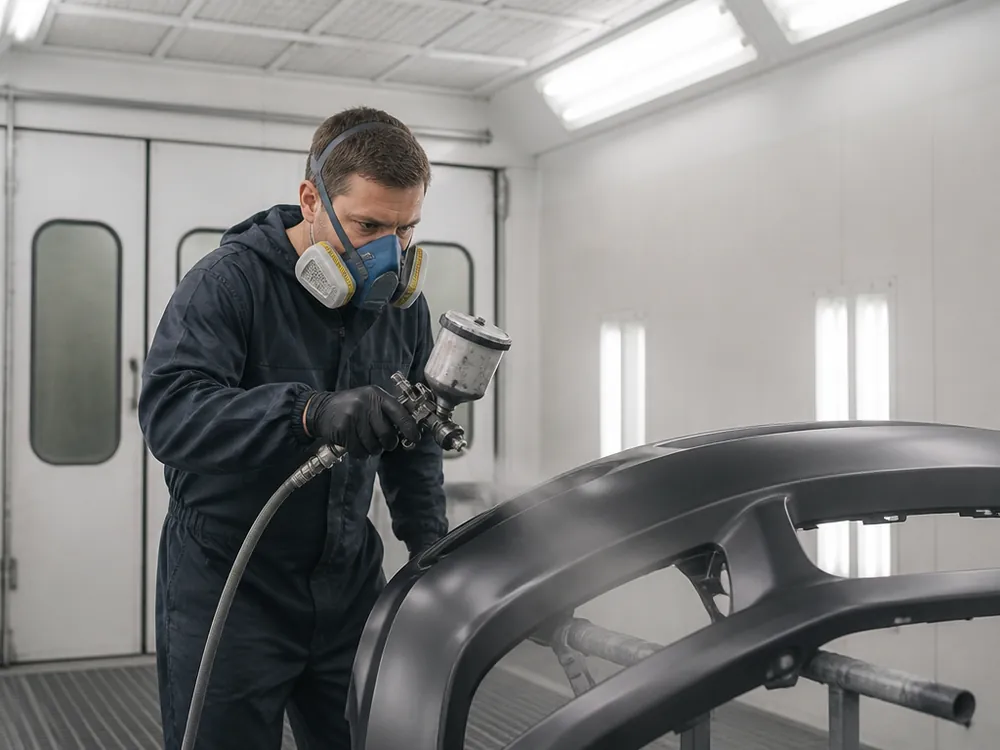
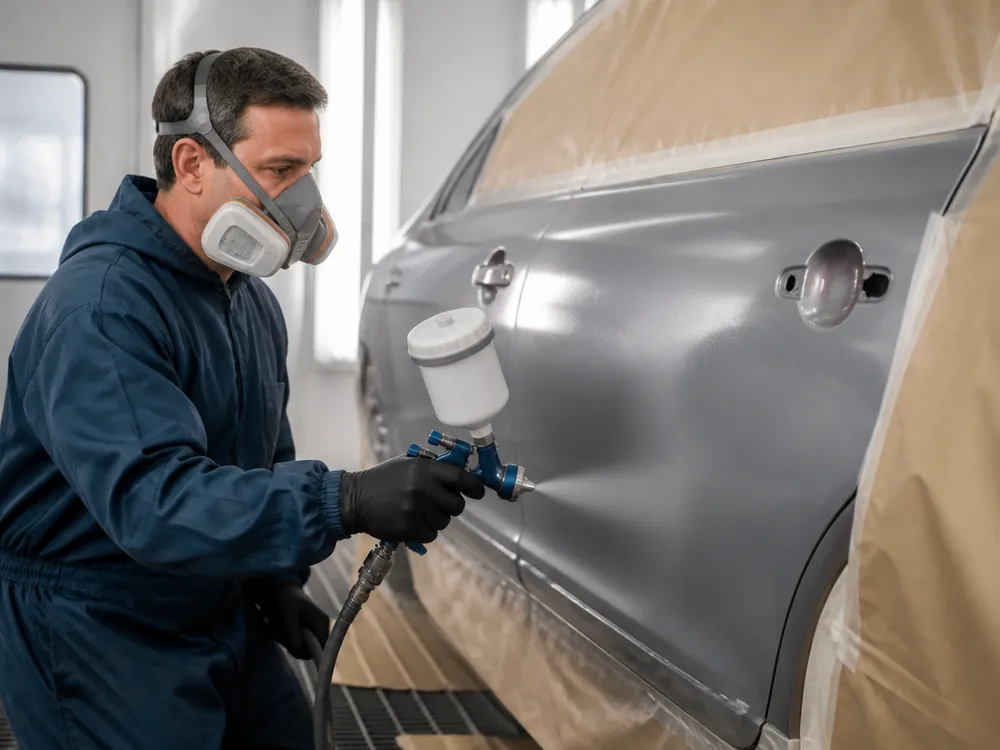
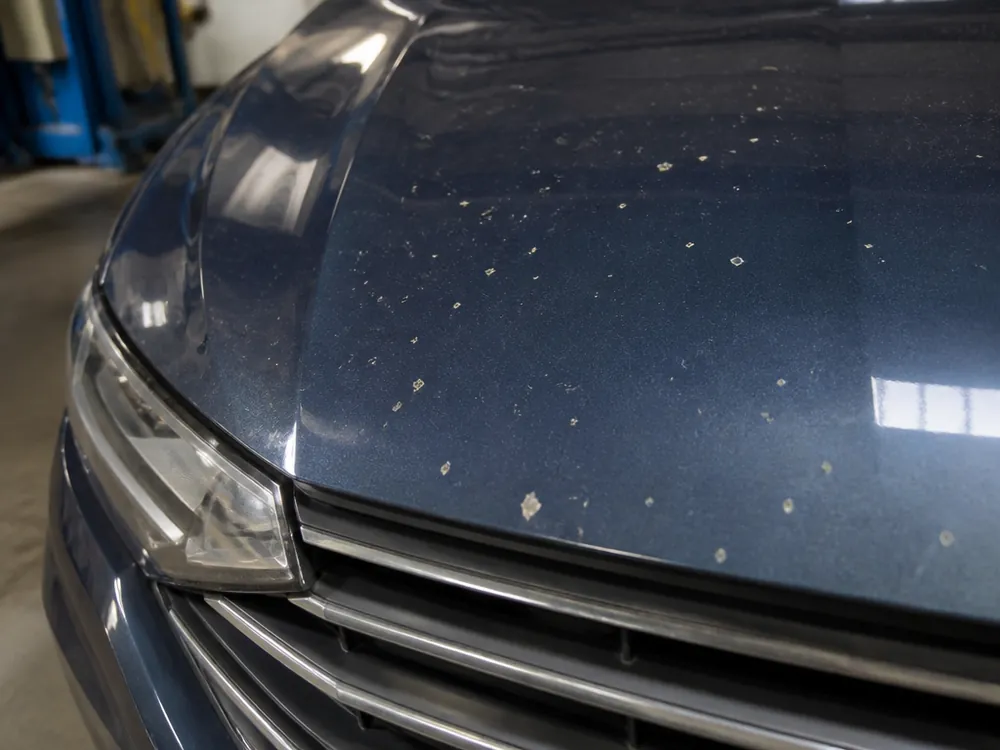
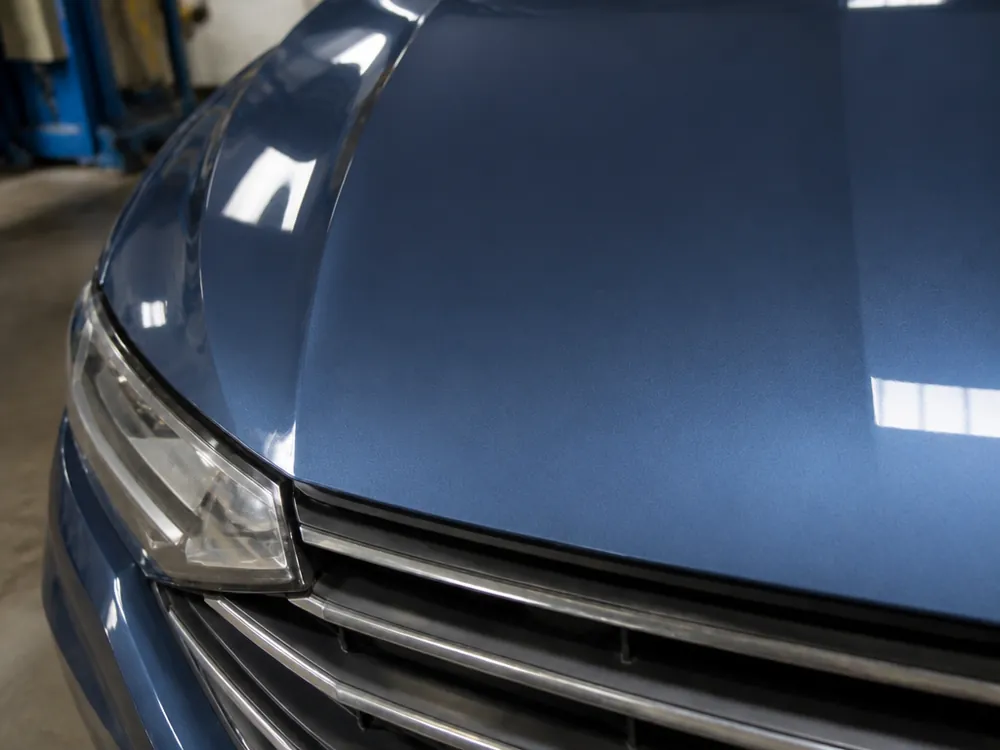
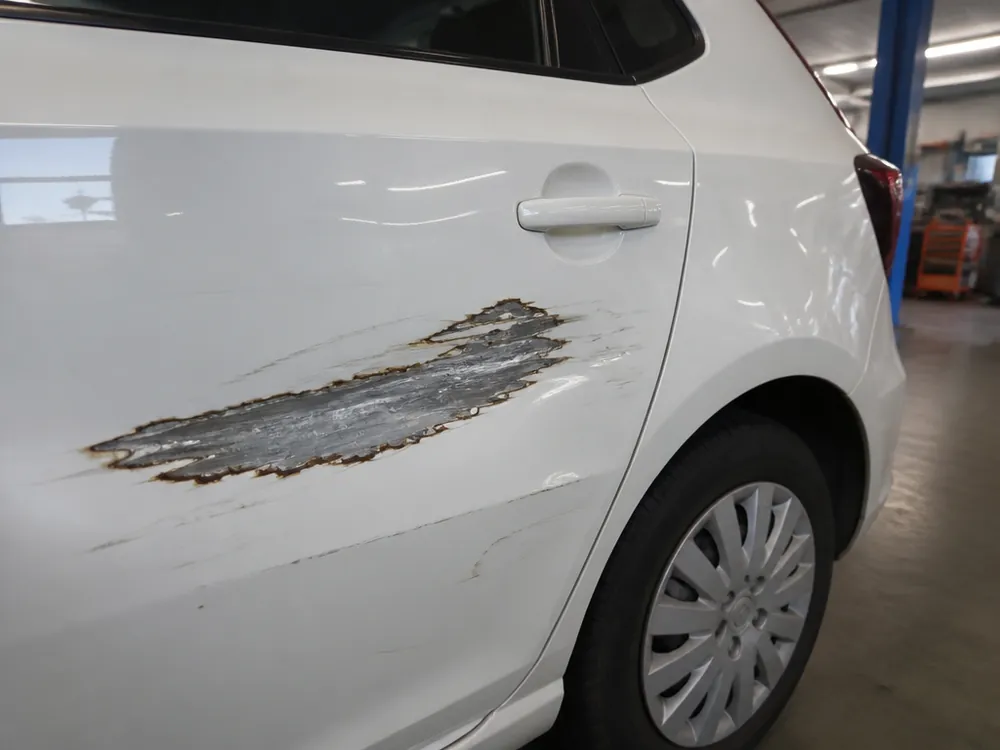
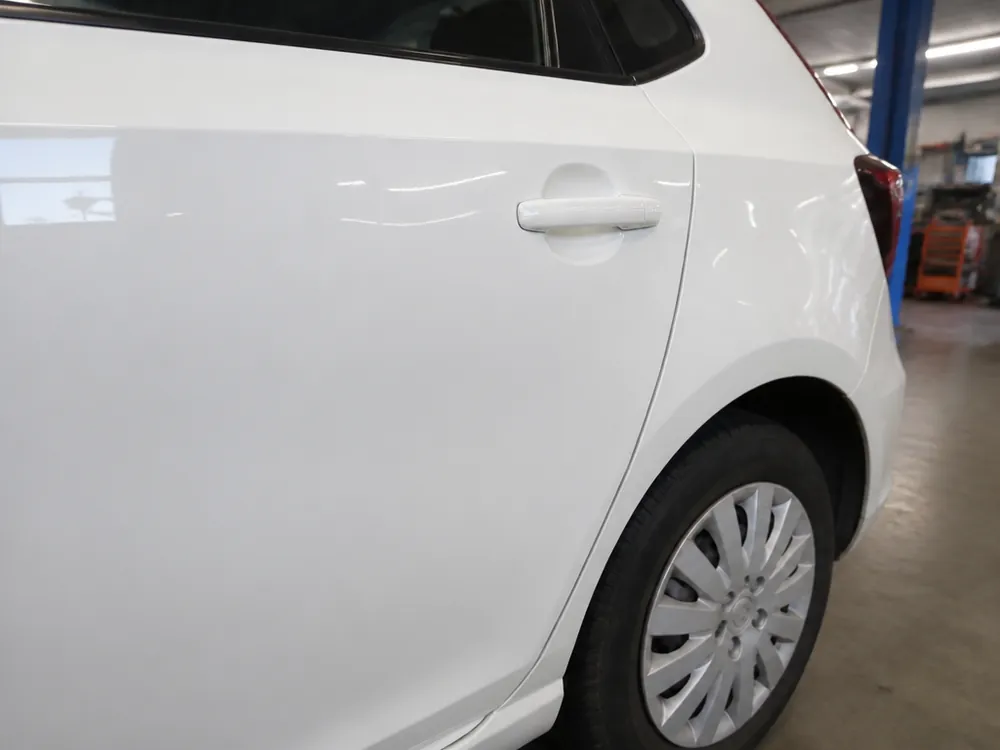
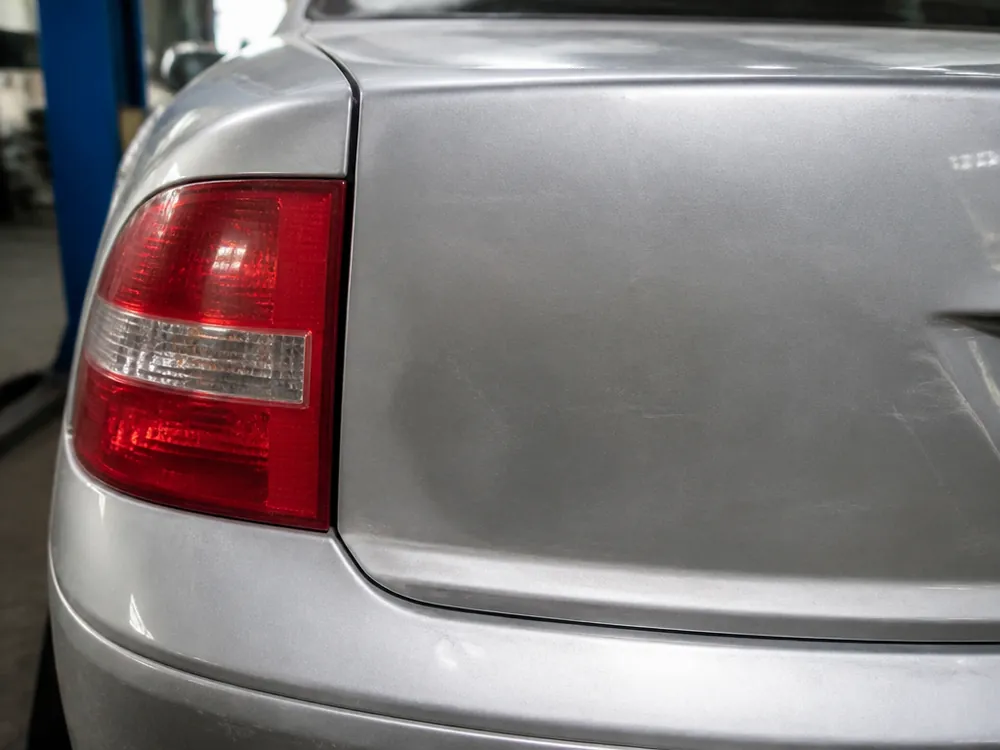
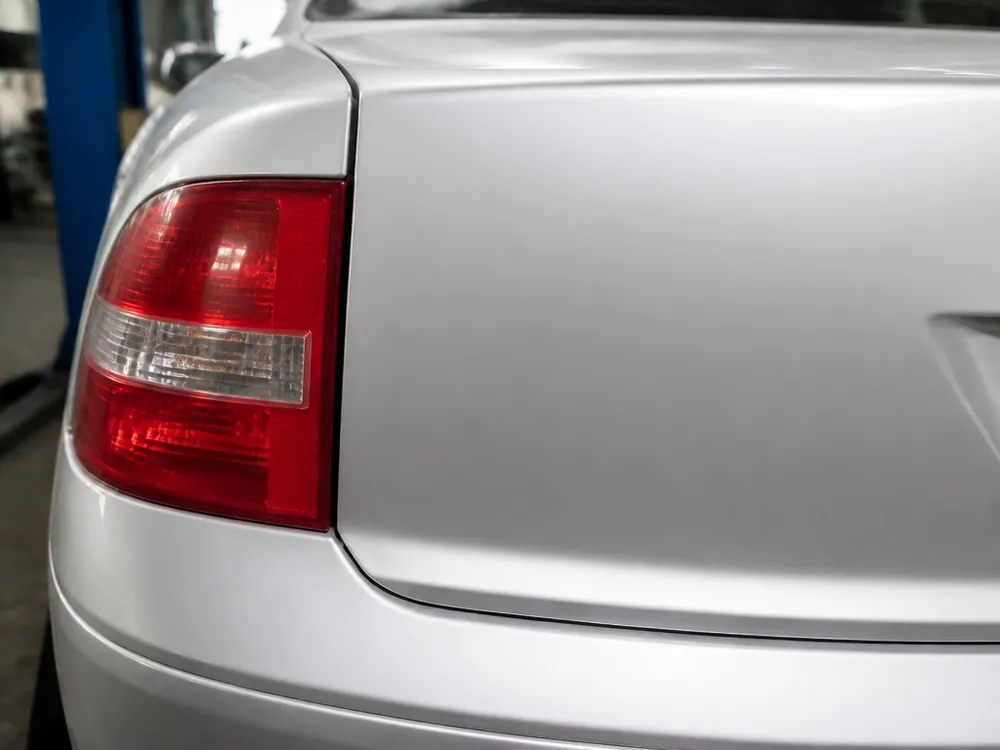
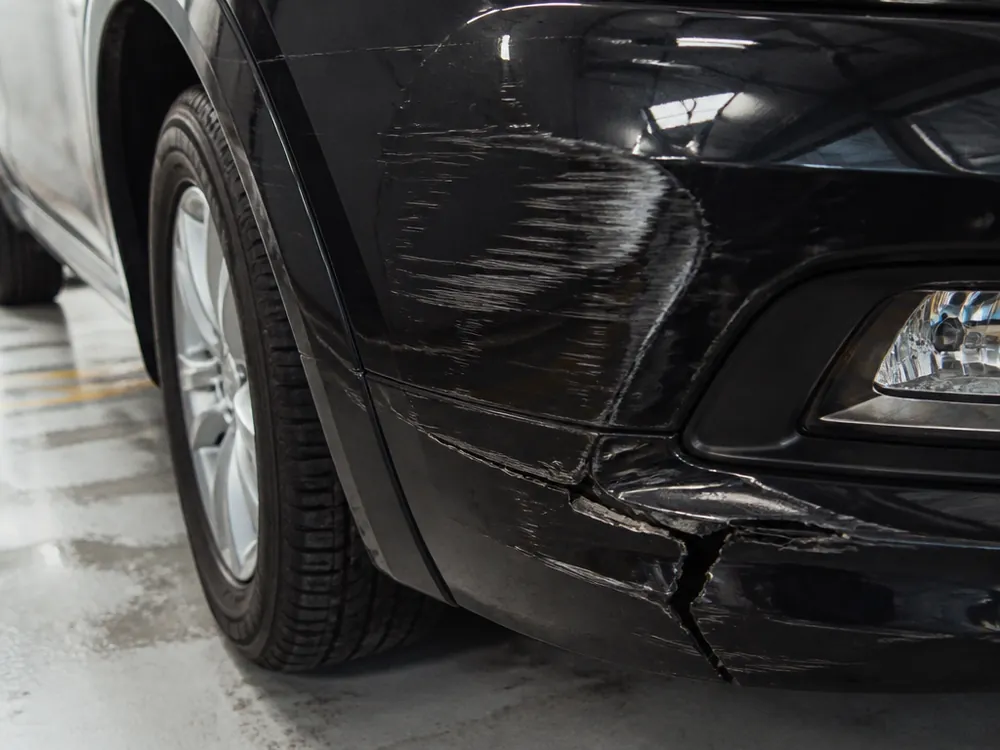
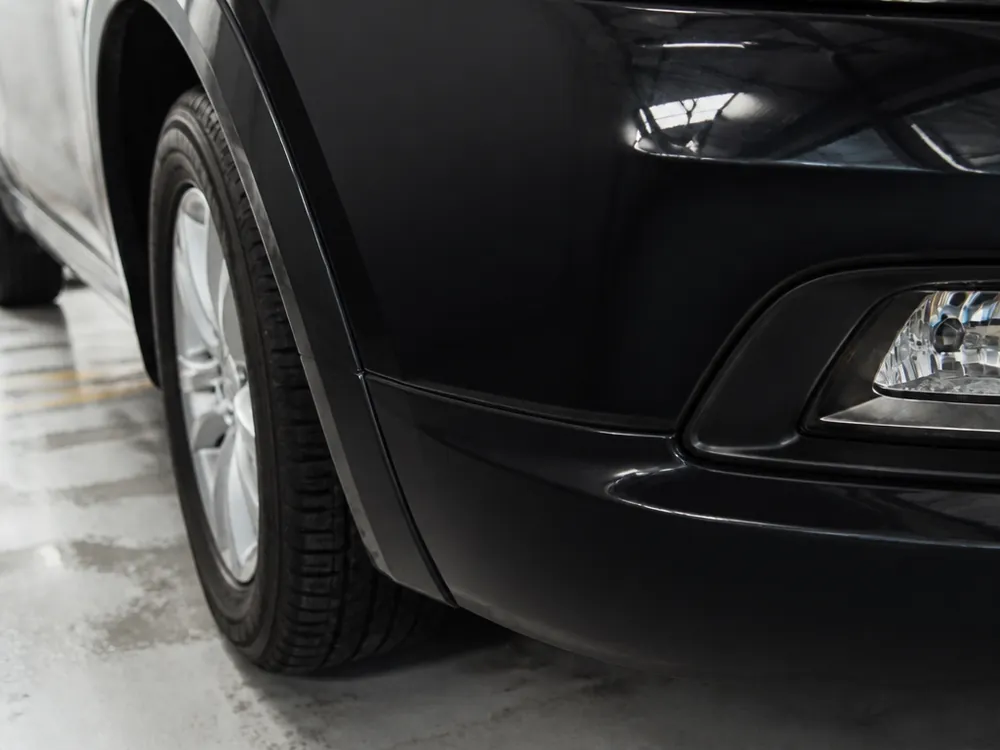
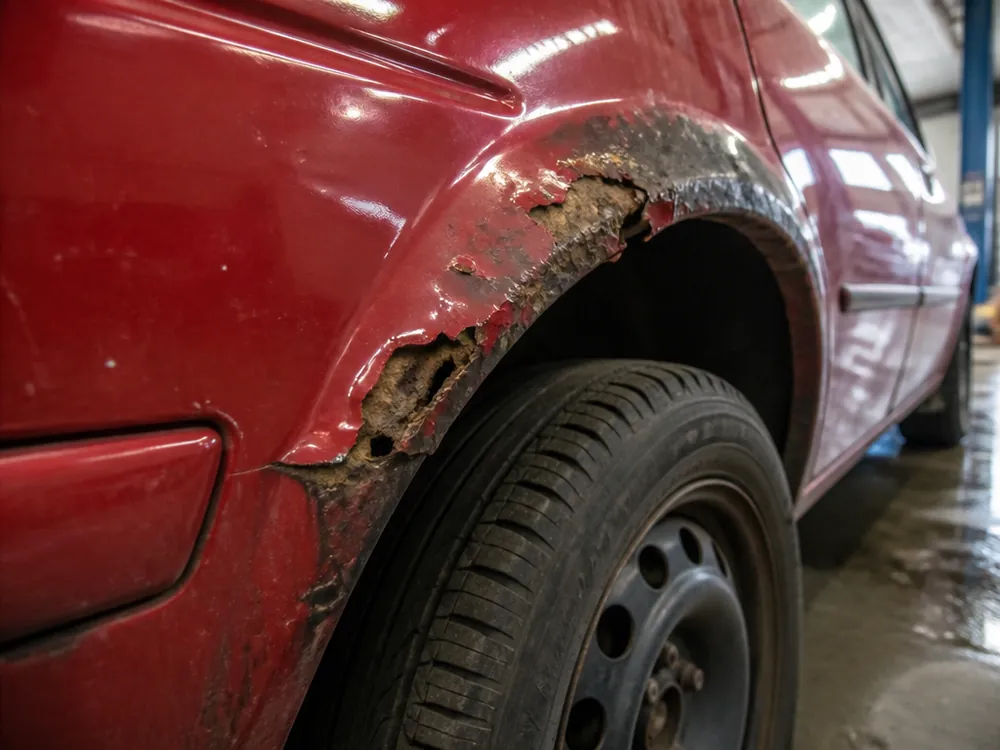
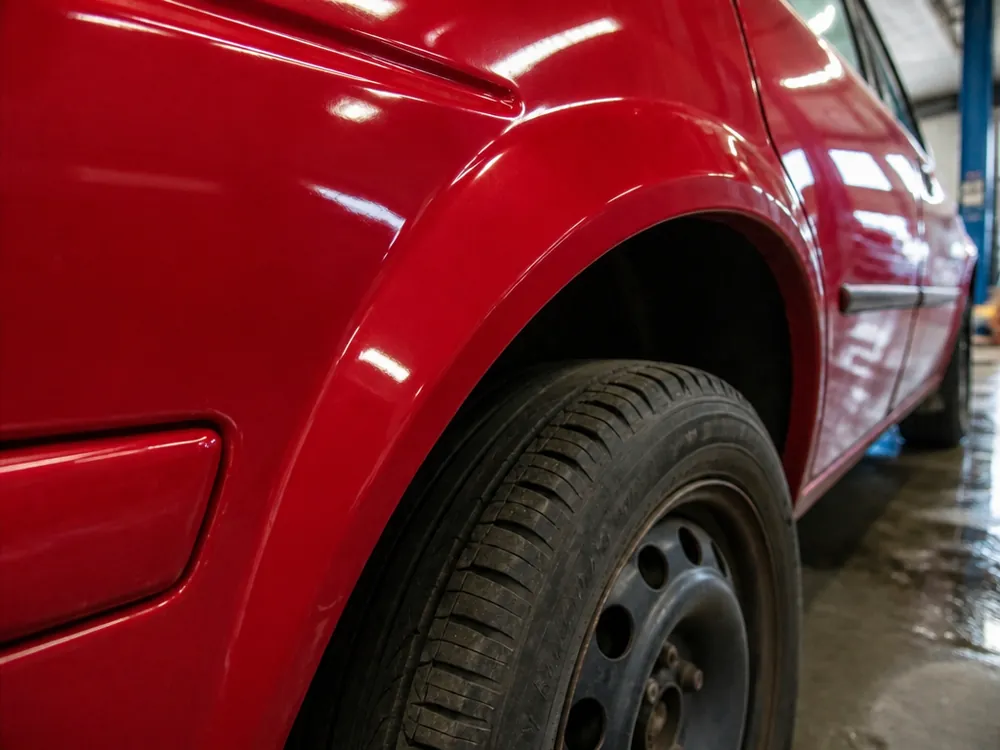
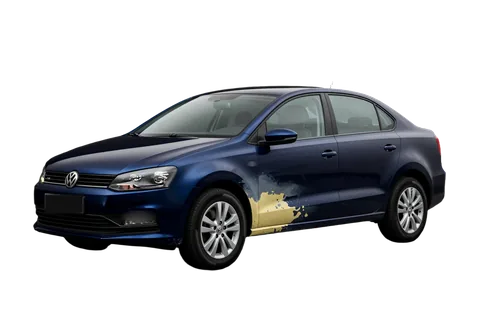
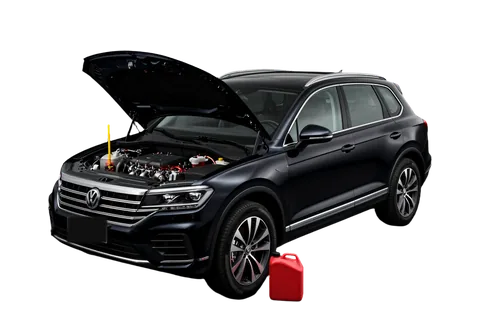
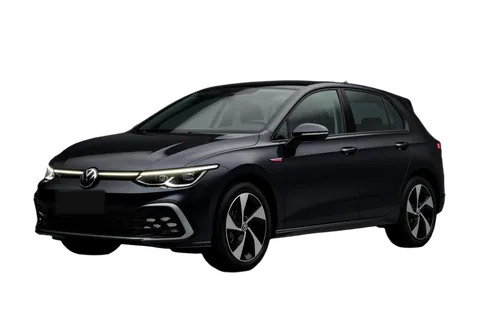
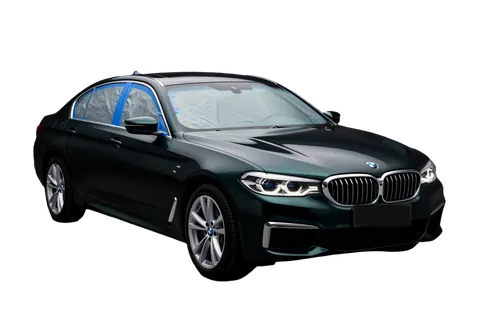
We will restore the paintwork of your Volkswagen after scratches, chips or accidents. We work with any models: Polo, Tiguan, Passat, Golf, Touareg. We use professional materials and provide a 24-month warranty on all types of painting work.
The cost depends on the scope of work and the condition of the body.
Service
Duration
Warranty
Price
Fender painting
1 day
24 mo
from 28 000 ₸
Bumper painting
1–2 days
24 mo
from 35 000 ₸
Door painting
1–2 days
24 mo
from 35 000 ₸
Hood painting
1–2 days
24 mo
from 40 000 ₸
Trunk lid painting
1–2 days
24 mo
from 30 000 ₸
Local painting
from 4 hours
24 mo
from 25 000 ₸
Sill painting
1 day
24 mo
from 20 000 ₸
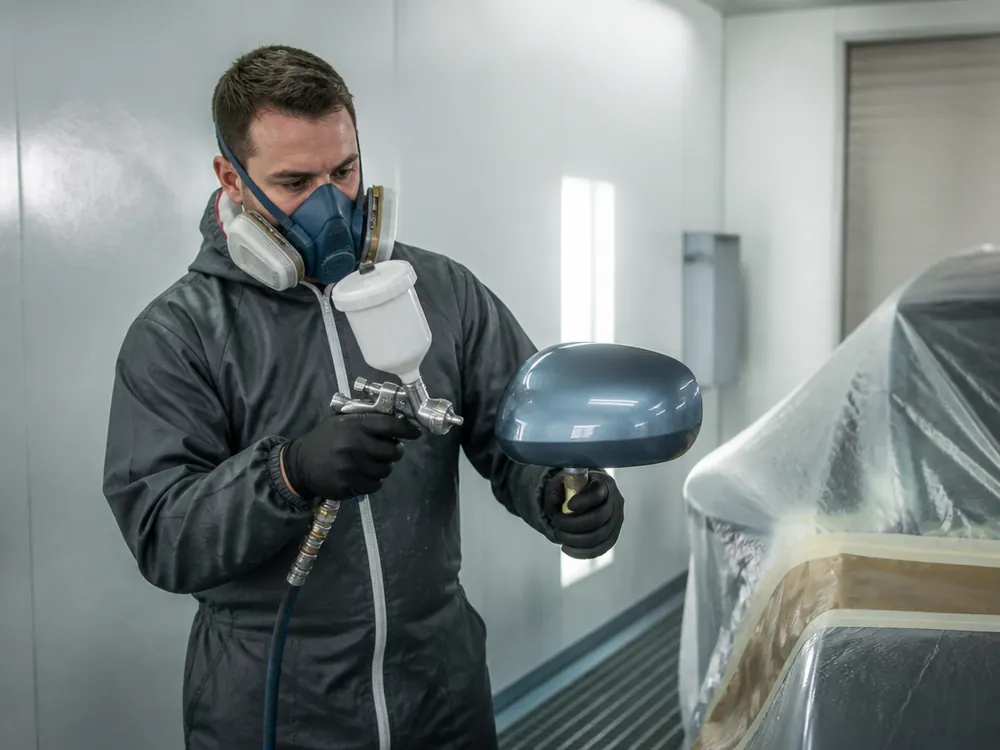
Mirror painting
3–4 hours
24 mo
from 15 000 ₸
Part painting (complex)
2–3 days
24 mo
from 60 000 ₸
Full body painting
from 5 days
24 mo
from 450 000 ₸
Raptor coating
from 3 days
24 mo
from 350 000 ₸
Polishing after painting
3–4 hours
24 mo
from 15 000 ₸
Anti-corrosion treatment
1–2 days
24 mo
from 60 000 ₸
Paintless dent removal
1–3 hours
24 mo
from 9 000 ₸
Preparation for painting (sanding, primer)
1–2 days
24 mo
from 20 000 ₸
We will calculate the exact cost after inspecting the car. Materials are included. Warranty periods — see the page «Warranty»
06
Why people choose Volkswagen painting at CARGID
Warranty.
Every promise — backed by a number or a document: work order, photos, removed parts.
24MO
warranty on labor — the term is stated in the work order.
24-month warranty
Underbody anti-corrosion
We handle any complexity
01
We paint by factory code
We match the color by the body code, not «by eye»: there will be no spot on the part, even if the paint has faded.
02
We remove the part instead of painting on site
We remove the bumper and fender: we paint the edges and joints completely, not just the visible part, so there is no edging.
03
Repair in 3 days
One day for preparation and primer, one for painting, one for drying and assembly. It cannot be done earlier — the clear coat will not reach full hardness.
04
24-month warranty
We cover the clear coat and paint: if bubbles or orange peel appear, we will repaint the part at our own expense.
07
Stages of work in the paint shop
Steps.
We explain how the painting of your Volkswagen goes — from request to handing over the keys.
01
Inspection and assessment
You leave a request on the website or by phone, we clarify the details and book you for a convenient time. At the service, a master inspects the car, determines the scope of work and gives the exact cost.
request on WhatsApp
02
Approval and order
We agree on the color, materials and deadlines, then order paint and consumables.
inspection and diagnostics
03
Car preparation
We wash the body, remove removable elements, mask areas that do not require painting.
estimate before work starts
04
Sanding and puttying
We remove old paint, sand the damage and apply putty for a perfect surface.
work to factory procedure
05
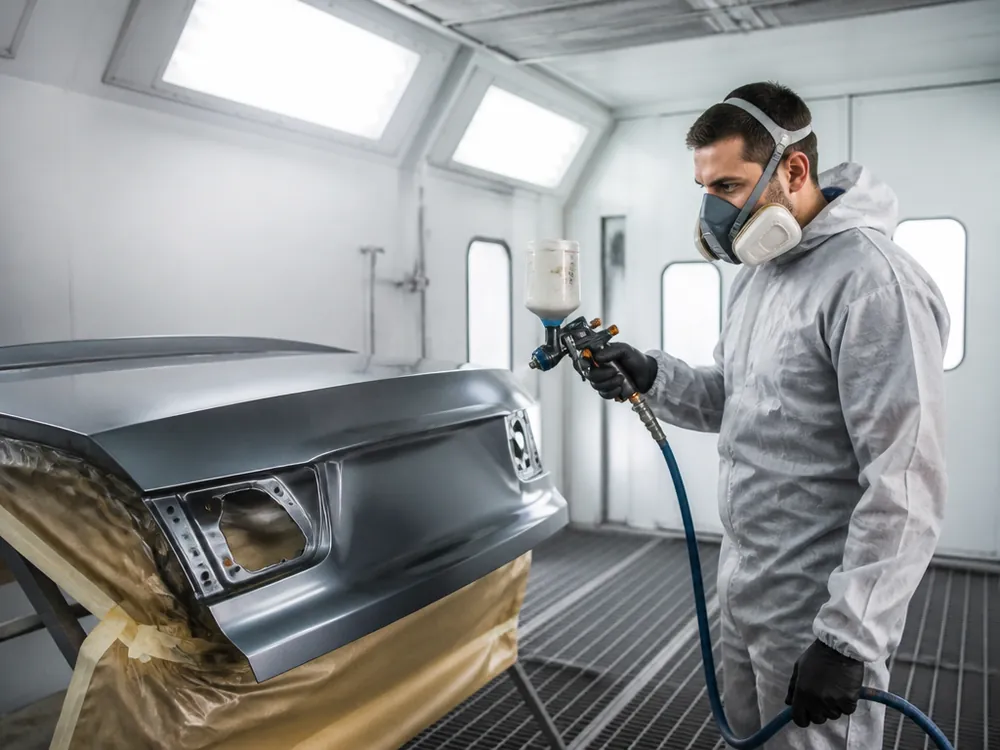
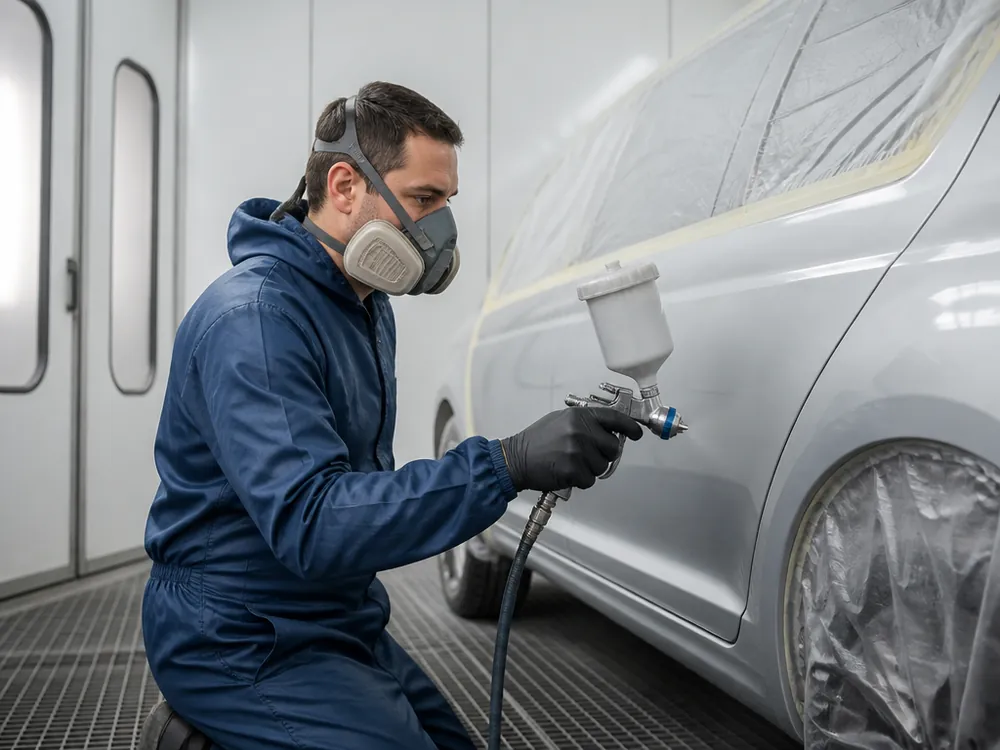
Painting and clear coat
We apply paint in several layers and cover with clear coat in a temperature-controlled booth.
result check
06
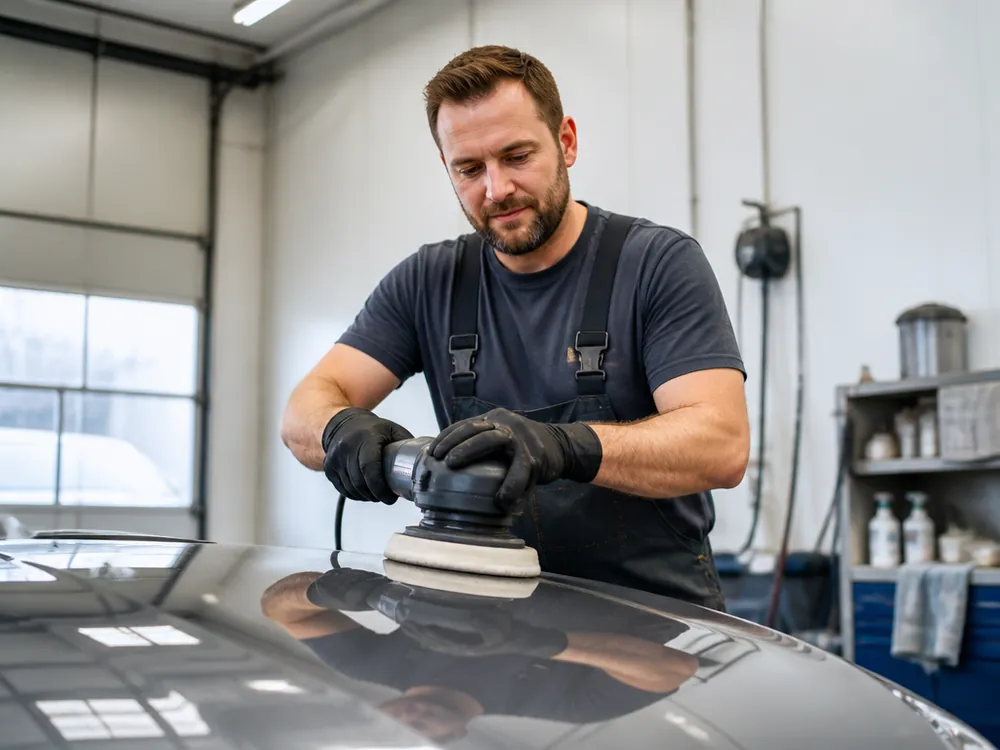
Polishing and drying
After drying, we polish to a gloss and let the coating fully harden. We check the quality from different angles, reassemble the car and hand it over to you with a warranty.
CARGID paints Volkswagen cars in Almaty using the factory body code, not by eye, so there won't be a spot on the part even if the paint has faded. We remove the bumper and fender and paint the edges and joints completely. The cycle takes 3 days, and the painting warranty is 24 months, recorded in the work order.
How Volkswagen car painting is done and how long it takes
We work on one part over three days, and each day has its own task — let's show you how the car goes from check-in to pickup.
Three days per part and the tasks of each
Volkswagen car painting in Almaty takes us 3 days per part — a day for preparation and primer, a day for painting, a day for drying and assembly. On the first day, the service advisor accepts the car, manages the work order, and hands it over to the painter: the part is removed, dents are filled, sanded, and primed. On the second day, the part goes into the paint booth — the base coat is applied according to the body code and a layer of clear coat. The third day is for drying and assembly: the part is put back, gaps and joints are checked. We don't release the car early: the clear coat hardens gradually, and if you assemble the part while the clear coat is still wet, the coating will later become cloudy and pick up fingerprints.
What's included in preparing the part before painting
Body filler: we fill dents and irregularities, level the surface before sanding.
Sanding: we go over the entire part, remove the old coating, and set a smooth base.
Degreasing: we remove dust and oils so the primer and paint go on without defects.
Primer: we apply a protective layer that holds the paint and covers microcracks.
Plastic primer: a separate compound for the bumper so the coating adheres to the flexible part.
Paint booth: we paint the part in a booth with no dust and stable temperature.
Color matching for Volkswagen car painting by factory code without a spot
The main fear of a Volkswagen owner when painting is that the new part will stand out from the body color. We explain how matching by code removes this risk and why plastic and metal are painted separately.
How we match color by body code when the paint has faded
We match the shade using the Volkswagen factory marking, not by eye, so there won't be a spot on the part even if the enamel on the car has faded. We read the marking from the badge and check it against the manufacturer's database, then mix the formula for the specific shade of the panel, not for a catalog sample. Blending on adjacent parts closes the gap between the faded factory enamel and the fresh layer: we blur the boundary within the panel, and masking the areas without painting prevents a sharp line. In our experience, it's the blend, not the marking itself, that determines whether the part is noticeable. The faded body and the fresh layer still differ slightly in tone, so we do a smooth blend on adjacent panels — the boundary remains invisible.
How painting a Volkswagen differs from other brands
Volkswagen has dense factory colors and tight tolerances for shade, which is why the color code matters more here than on brands with a simple palette, and plastic bumpers need a separate primer. Enamel lays down with a different depth of tone on metal and on plastic, and the same code on a fender and a bumper reads differently under different lighting. The clear coat on Volkswagen body panels holds its gloss for a long time, but mistakes in layer thickness show up more clearly too — over-spray or a thin coat is visible at an angle to the light. On plastic and metal the same code lays down differently because of the substrate, so we prime and paint the bumper and fender separately, not as one batch.
Why we remove the bumper and fender for Volkswagen painting instead of painting them in place
Painting only the visible part seems faster and simpler, but over time a hard edge shows up along the seams and edges. Here's why we remove the part and when a spot repair is enough.
What removing the part and treating the edges all the way around gives you
We remove the bumper and fender and treat the edges and seams all the way around, not just the visible part, so there's no hard edge along the border. On a removed panel the painter goes over the ends, inner ribs and mounting points that stay under masking when working on the car — primer and clear coat lay down in an even layer with no step at the boundary. That way the coating holds around the whole perimeter, not just on the visible side. In the booth the part hangs separately: dust doesn't settle on neighboring panels, and the clear coat hardens evenly on all sides. On a removed bumper the technician can reach the ends and inner edges that a brush on the car can't get to — that's exactly where the coating most often starts to bubble after a year. We remove these parts before work on every Volkswagen, including cars with parking sensors and sensors in the bumper.
Spot repair with a blend or full treatment of the part
spot repair vs. full painting comparison
Situation
Action
Reason
Small chip or scuff
Spot painting with a blend
We leave the panel alone and save time
Deep scratch down to the primer
Full painting
A blend won't hide the texture
Dent or rust under the paint
Repair and full painting
We fix the cause first, then paint
Part has already been repainted
Full painting with removal
The old coating behaves unpredictably
Complex part with ribs
Full painting with removal
A blend can't be feathered on curves
24-month warranty on Volkswagen painting and what it actually covers
A warranty with no written terms means nothing. Here are the exact points we put in the documents when you pick up the car and the cases that aren't our responsibility.
What the warranty covers and how it's written in the documents
We give 24 months on painting, and the term and conditions are written into the work order and the completion certificate when you pick up the car. The documents are handled by the service advisor — he manages the work order from intake to handover, so agreements don't get lost between shifts or passed along by word of mouth. Our Volkswagen work is tied to a specific part: fender, bumper, door, hood, trunk lid, rocker panel, mirror or a complex panel — each item in the certificate has its own term. Volkswagen painting is always work on a specific part, and each item in the certificate gets its own term. The obligations cover the work performed and the parts installed, and we do the diagnosis on a disputed case for free: first we look at the nature of the defect, then we determine whether it's covered. Before signing the certificate, check the list of parts against what was actually painted — a discrepancy here voids any term.
What the warranty doesn't cover and what happens if you bring your own paint
The obligations don't cover an accident after the repair, interference by third parties, normal wear of consumables, or a part the client brought themselves. This isn't an excuse, it's the boundary of responsibility: we can't be accountable for a crash or for someone else's repair in another shop. You can bring your own paint, but then the warranty on the coating doesn't apply — we're not responsible for material, storage conditions and a batch we haven't seen. It also doesn't extend to the client's parts: there's no way to verify their origin and condition before installation. If you're unsure which option to choose, take the material from us or bring your own with extra for color matching and a test spray so there are no unpainted edges after drying. We do the test spray on a separate panel and show you the result before work begins.
Handover after Volkswagen painting, quality check and body care
You see the result not in a photo but on the car itself in daylight. Here's how we go over the work together with the owner and how to treat the new clear coat in the first weeks.
How we check quality at handover and why a photo report matters
We make a photo report of the key repair stages, and before handover we do a test drive so the client sees both the result and how the car behaves on the road. The work order is managed by the service advisor from intake to handover, so all comments on gaps, shade and assembly are handled with one person, not passed along between shifts. At handover we show the old parts if anything was replaced, and we let you inspect the edges, seams and hinges — that's exactly where you can see whether the part was treated all the way around or only on the visible side. The photo report answers the main question, "what was it like under the paint": the photos show how the part was prepped down to the primer, not just the final gloss.
Painting after an accident and caring for fresh clear coat in the first weeks
Dents and rust: after an accident we first straighten the metal and clean the corrosion down to bare metal, otherwise the coating goes over the defect and blisters.
Body filler and primer: we restore the part's geometry and seal it with primer, and only then apply the base and clear coat.
Washing: for the first two or three weeks avoid car washes with stiff brushes and don't hold a high-pressure washer right up against the edges.
Polishing: hold off on abrasive polishing and applying film to the fresh part — the clear coat doesn't fully harden on handover day, it does so gradually.
Chemicals and weather: don't pour aggressive solvents on the body and don't leave the car under tree sap and bird droppings — they're harder to remove from young clear coat.
What to Know Before VW Painting
Here's the key stuff to know before we restore a body panel — from matching the shade to the first weeks after you pick up the car.
Matching by body code: we take the shade from the factory code, not by eye, so there won't be a blotch on the body even if the paint has faded.
Removing the part: the bumper and fender come off, and the edges and seams are treated all the way through — no leftover border along the edge.
Timing: one panel takes 3 days, and we don't hand over the car early — the clear coat has to harden.
Warranty: we give 24 months on the work, the terms are fixed in the work order and the acceptance report, and any disputed case is first looked at during a free inspection.
Pickup and care: before handover we do a test drive and a photo report, and for the first weeks the fresh clear coat needs gentle handling.
10
Frequently asked questions about Volkswagen painting in Almaty
Questions.
Price, timeframes, warranty, payment — 10 questions asked most often.
10
Didn't find an answer?
Message us on WhatsApp — a service advisor will reply within 5 minutes.
The price of Volkswagen painting in Almaty depends on several factors: condition of the body (presence of rust, dents), number of parts (fender, hood, bumper or the entire body), chosen type of paint (acrylic, metallic, chameleon effect), and also the need for additional work such as putty, straightening or anti-corrosion treatment. On average, painting one element (e.g., a fender) costs from 28,000 tenge, hood — from 40,000 tenge, full body painting — from 450,000 tenge. We prepare an exact estimate after inspecting the car and announce it before starting work, with no hidden extra charges.
The time depends on the scope of work and the condition of the body. Painting one element takes 1-2 working days if complex preparation is not required. Painting two or three parts — 3-4 days. Full body painting usually takes from 10 to 14 working days, as it includes removal of attachments, surface preparation, several layers of primer and paint, as well as polishing and drying. We always give exact deadlines after diagnostics and try to complete the work earlier than the agreed time.
Yes, we provide a warranty on the paint coating for 24 months or 50,000 km (whichever comes first). The warranty covers peeling paint, blistering, metal corrosion in the painted areas, as well as defects related to violation of application technology. If during the warranty period you discover any defect, we will fix it free of charge. The warranty does not apply to mechanical damage (chips, scratches from stones/accidents) or improper care, such as use of abrasive products.
Yes, booking is necessary because painting is a process that requires preparation and time. We work by appointment to guarantee a slot and necessary materials. You can book by phone indicated on our website or via Instagram direct. We recommend booking at least 3-5 days in advance, especially in season (spring-summer) when the load is maximum. When booking, we clarify the Volkswagen model, nature of work and a convenient time for you. Urgent booking is also possible if slots are available — check with the manager.
Yes, you can use your own materials (paint, varnish, primer) and parts, but note: we are responsible only for the quality of the work performed, not for the materials. If the material turns out to be of poor quality or incompatible with our equipment, the result may be unpredictable. Therefore, we recommend entrusting the selection of professional materials to us — we use proven brands (e.g., Sikkens, Standox, Nippon Paint) and purchase them from suppliers, which guarantees color durability and coating longevity. If you still bring materials, we will inspect them and decide on the possibility of use.
If due to our fault you discover defects (paint runs, orange peel, uneven color, peeling, traces of corrosion), we will fix them free of charge under warranty. To do this, you come to the service, our master inspects, records the defect in a report and draws up a work plan. A redo usually takes less time than the initial painting, as only local refinement is required. If the problem arose from your materials or third-party interference (e.g., repair after an accident elsewhere), the redo will be paid. Therefore, it's always better to contact us directly with the warranty card.
Local painting is the removal of scratches, chips and minor damage on a limited area (e.g., on a fender or bumper) while preserving the factory coating around. Element painting is a full repaint of one part (hood, door, trunk lid), necessary for significant damage or if the factory varnish has aged and differs in shade. Full body painting is painting all exterior panels, done for severe corrosion or for color change. The difference is in labor intensity: local — from 4-6 hours, element — 1-2 days, full — from 10 days. The painting area and adhesion to the factory coating also differ, which affects the final color and durability.
After painting, it's important to follow a few rules so the coating lasts long. For the first 2 weeks after pickup, do not wash it at automatic car washes and do not use aggressive chemicals — only hand washing with neutral shampoo. For a month, avoid waxing or polishes, as the paint has not fully hardened yet. Try not to park under direct sunlight for long periods and do not expose the body to temperature changes (e.g., do not wash with hot water in winter). After 30 days, you can do a light polish to enhance the shine. Follow the master's instructions, and the coating will remain perfect for years.
Payment is possible in cash, by bank card, by transfer to a bank account (for legal entities and individual entrepreneurs) or via Kaspi QR. We work with cashless payments. Prepayment is usually 30% of the work cost, the rest is paid after you have accepted the car and checked the quality. If the scope of work is large (e.g., full painting), staged payment is possible: first stage — after body preparation, second — after painting. This approach is convenient and guarantees fulfillment of all obligations on our part.
Technically, you can paint only part of the bumper, for example, to remove a scratch, but we do not recommend this for two reasons: first, due to the difficulty of matching the shade — even if the paint is mixed by code, over time the bumper color may have faded, and the new area will stand out. Second, the paint transition will most likely be visible if the part is not fully painted. A quality result is only possible when painting the entire bumper. If the damage is minor, local painting with blending can be done, it's cheaper than full bumper painting (by about 40-60%), but it does not always give an ideal result. We always advise the optimal option based on the condition of your car.
11
What clients say about our Volkswagen painting
Reviews.
We collect ratings on the website and on maps — we hide nothing.
4.8
872 reviews on the website 1 900+ ratings in total
Azamat
Had the hood on a Jetta painted, there were chips down to the metal. They did it quickly, in two days, and matched the color perfectly. The price was 45,000 tenge, which is cheaper than other places. I was very satisfied.
Maria
I went to CARGID on a friend's recommendation. My Passat had a scratch on the door, I thought the whole door would have to be painted. The technicians did it locally with blending, it's completely invisible. Thank you very much!
Dmitry
I liked that before starting work they explained in detail what they would do and gave an exact price. They painted the bumper on a Tiguan, everything went great. The price was 30,000, and they finished in one day.
Nurjan
I needed to paint the fender on a Golf. Everything was done with high quality, but I had to wait 3 days. But the result is excellent, the paint went on evenly. It cost 38,000 tenge. I recommend!
Olga
Did you do a full repaint on a Skoda Octavia? Mine is a Volkswagen, but that's not the point. The quality is superb, the body looks like new. True, I had to leave the car for 10 days, but the result is perfect. Thanks to the technicians!
Serik
Had the rear fender on a Passat painted. I was in an accident, there was a decent dent with rust. At CARGID they fixed everything quickly, both painted and applied anti-corrosion treatment. The amount was 42,000, and it took 3 days. I recommend.
Alina
I ordered hood painting on a Polo. Everything was neat, the color matches the catalog, and they did it in 2 days. The only thing is I had to wait for the pickup, but they warned me in advance. Overall satisfied.
Viktor
I painted the sill on a Jetta. There were chips, I had to remove the old paint and repaint. They did a good job, but they couldn't meet the deadline — 4 days. The price is 35,000 tenge. I'm satisfied with the quality.
Raushan
Барлығы өте жақсы! Фольксваген Гольфімнің артқы доңғалақ аркасын қайта бояды. Тот басқан жерлерін тазалап, қайта бояп берді. 3 күнде бітірді. Бағасы 42 000 теңге. Керемет!