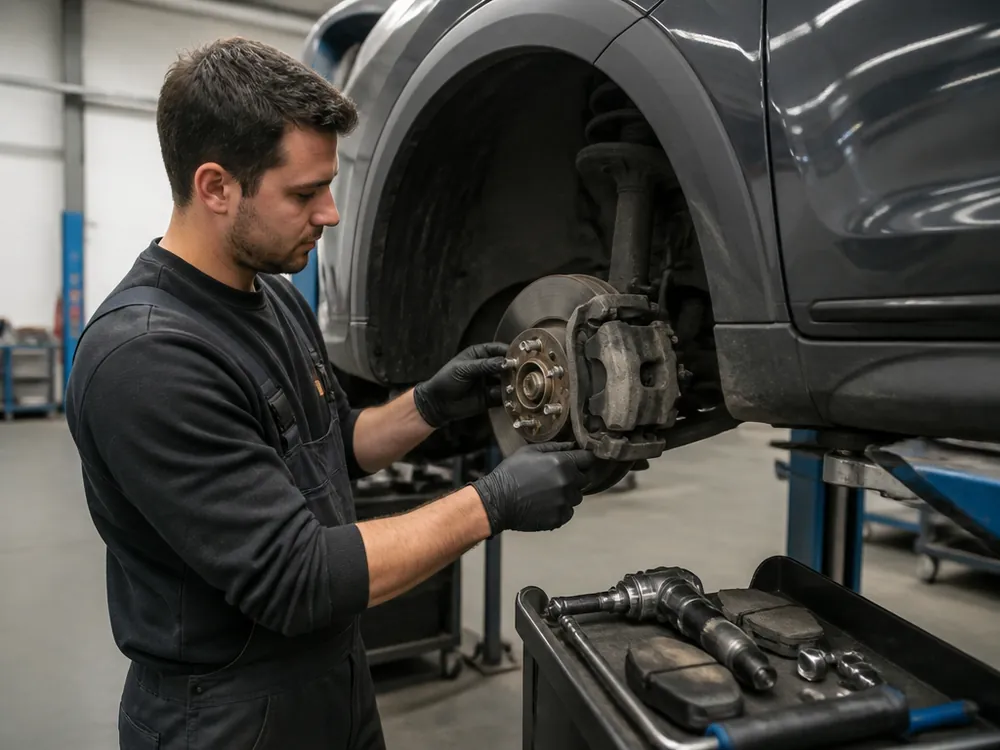
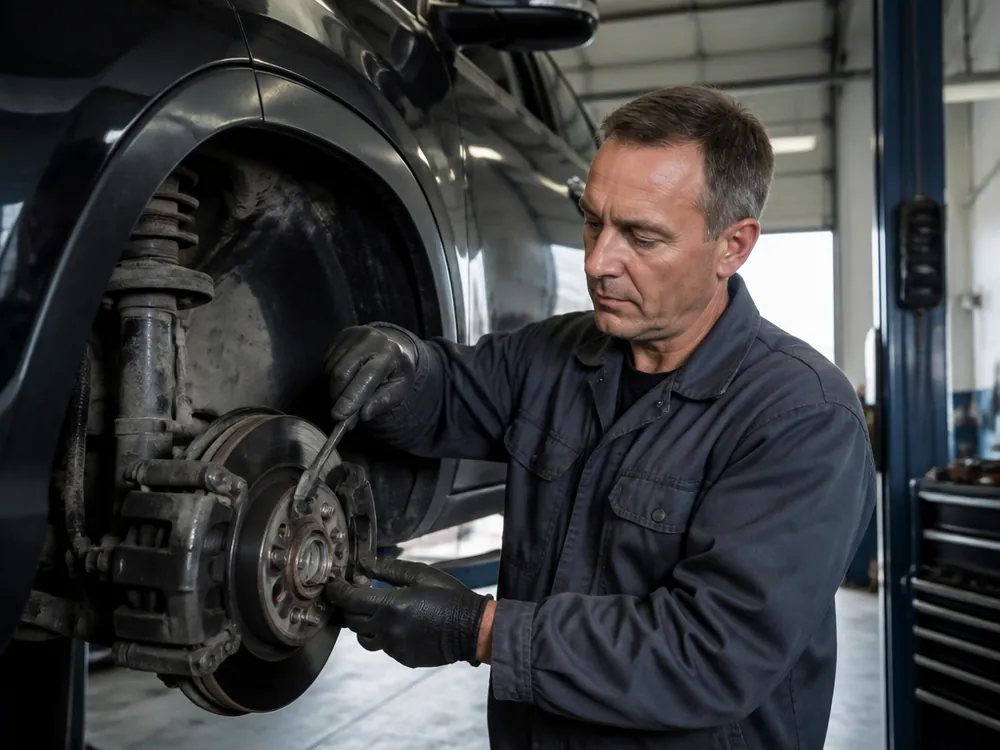
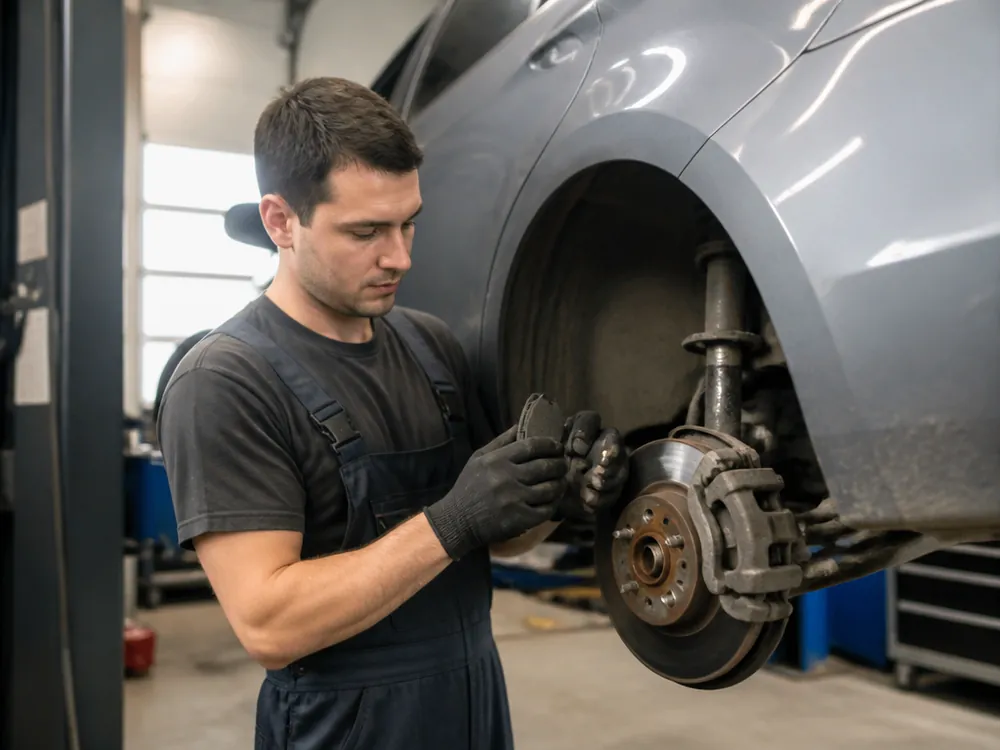
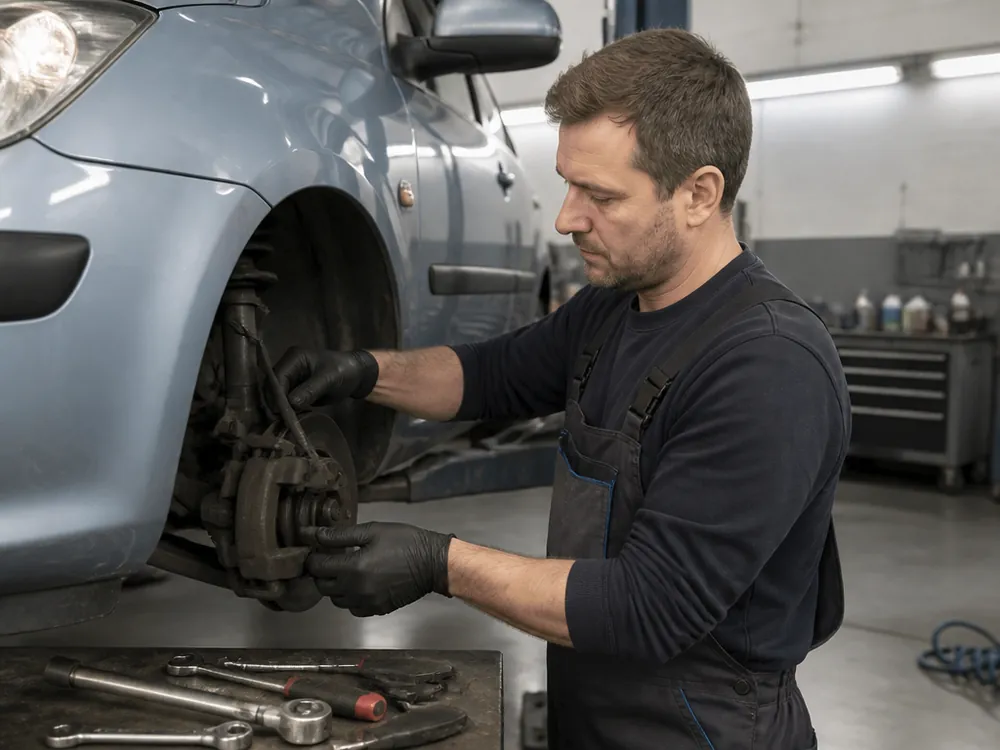
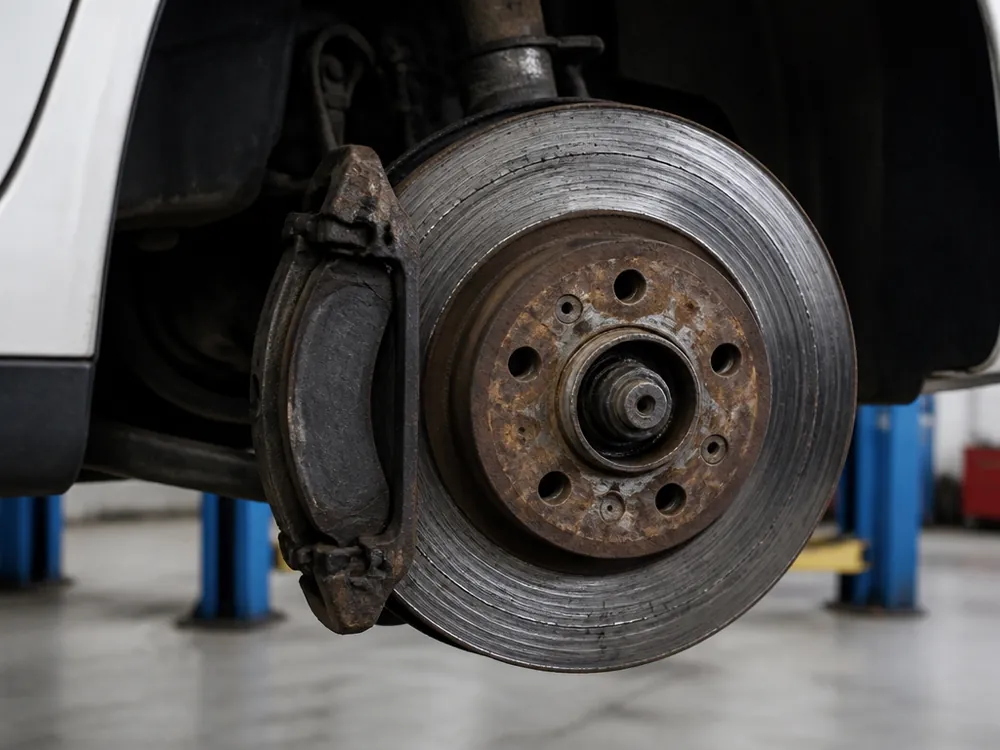
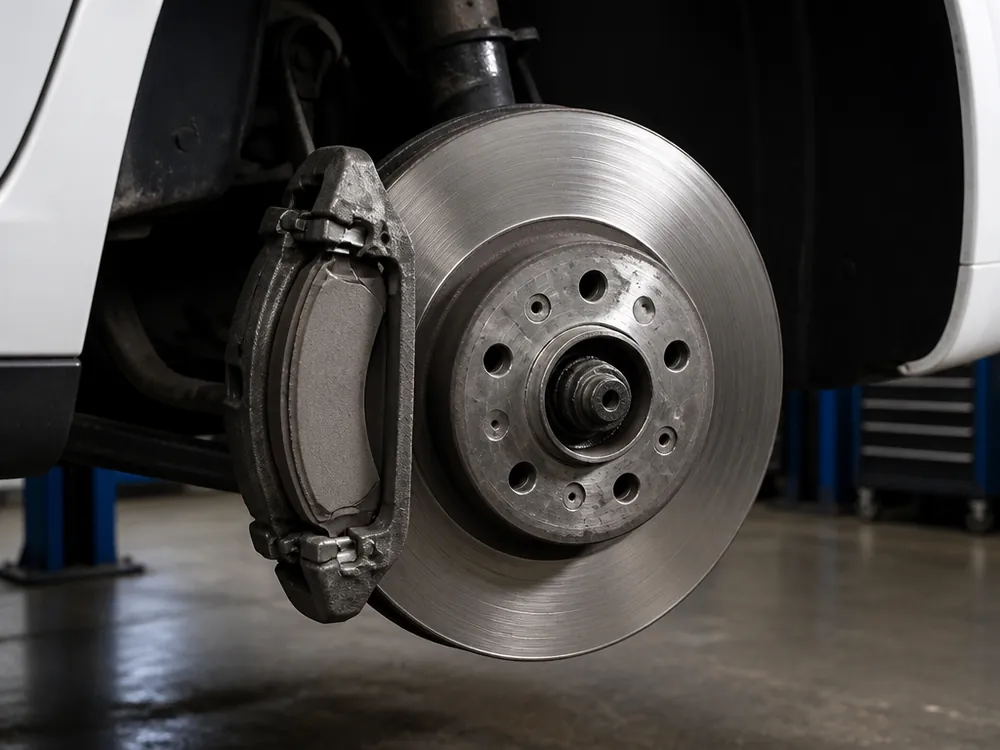
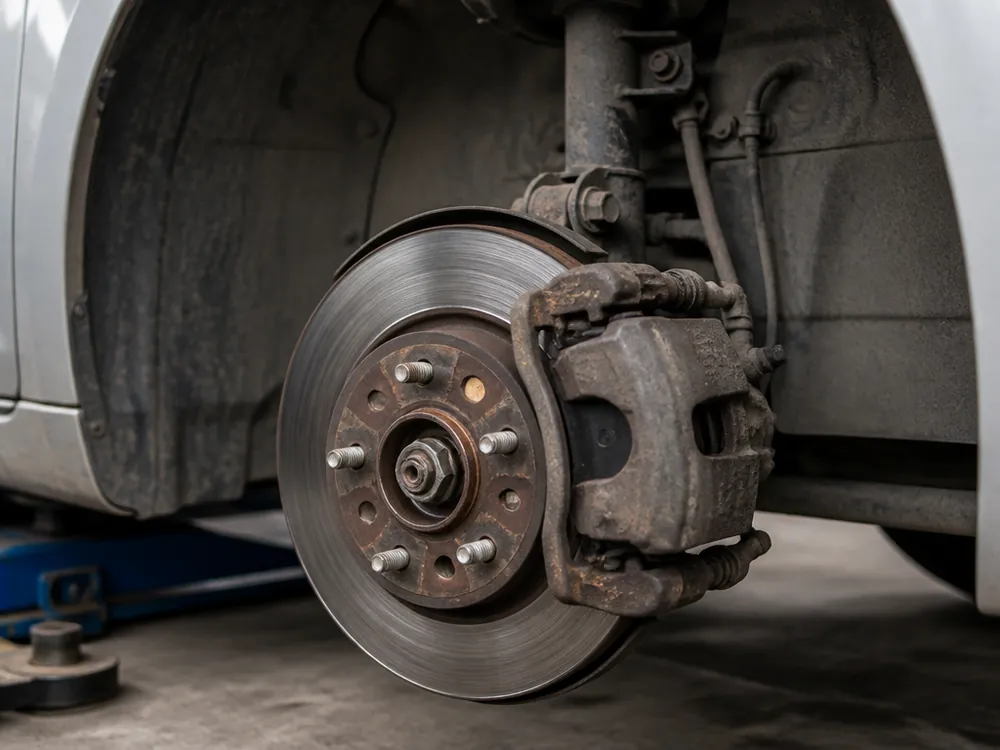
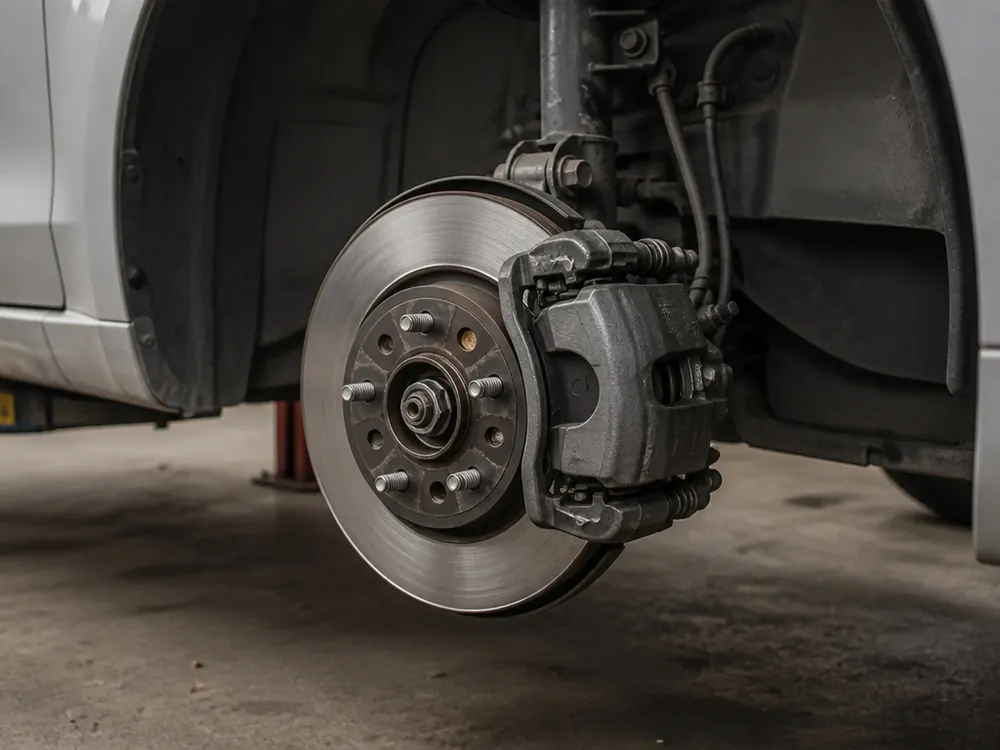
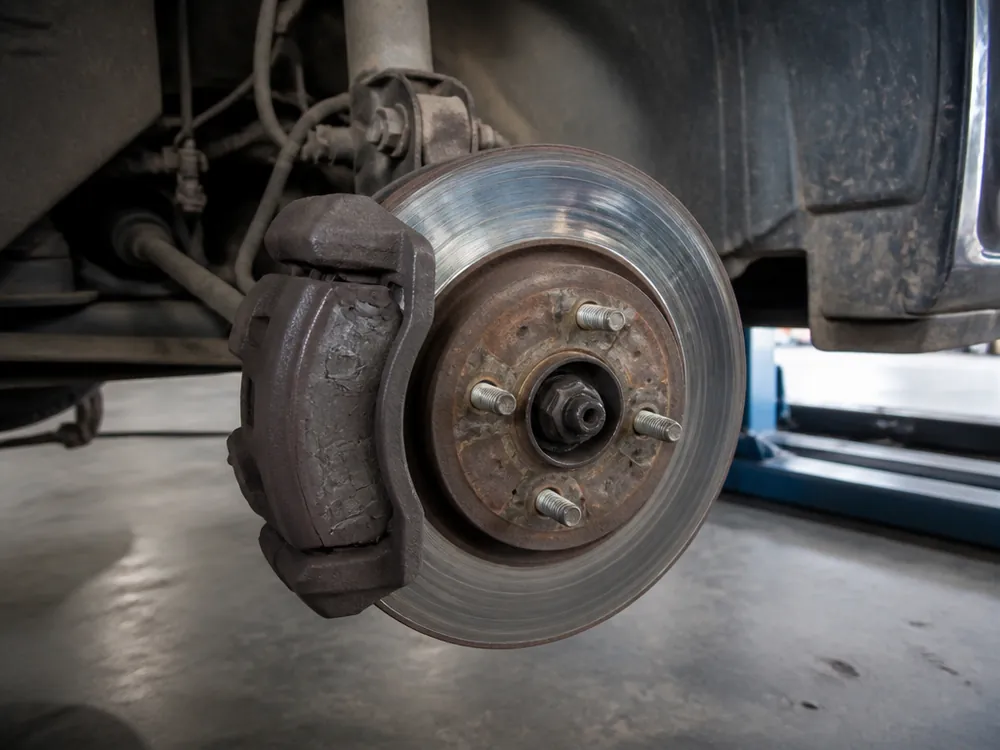
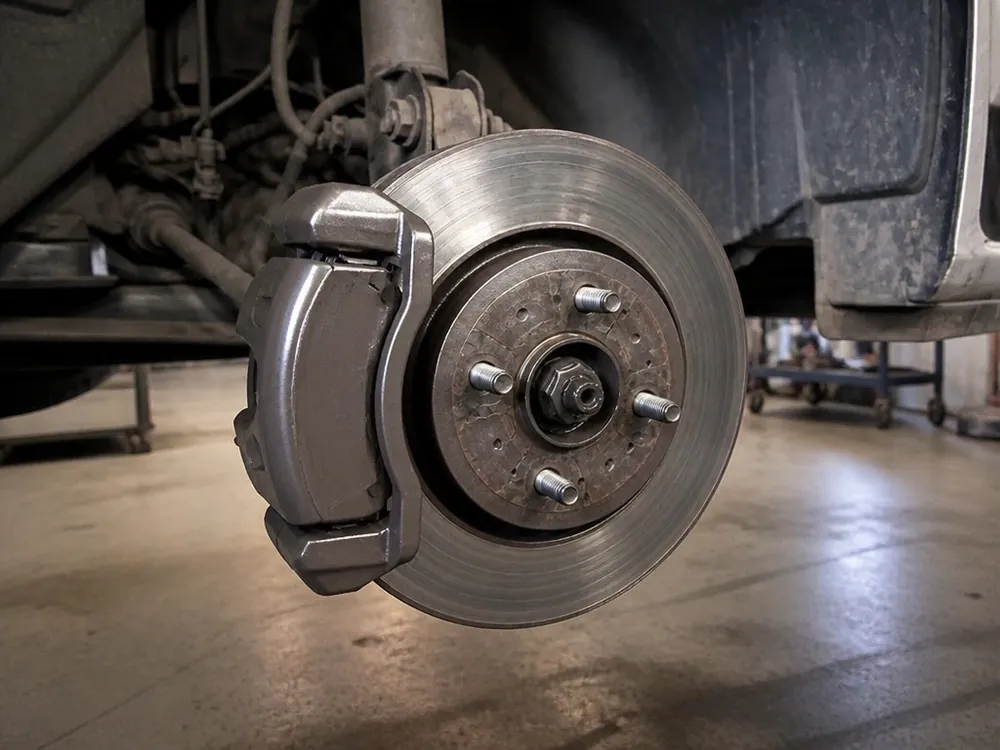
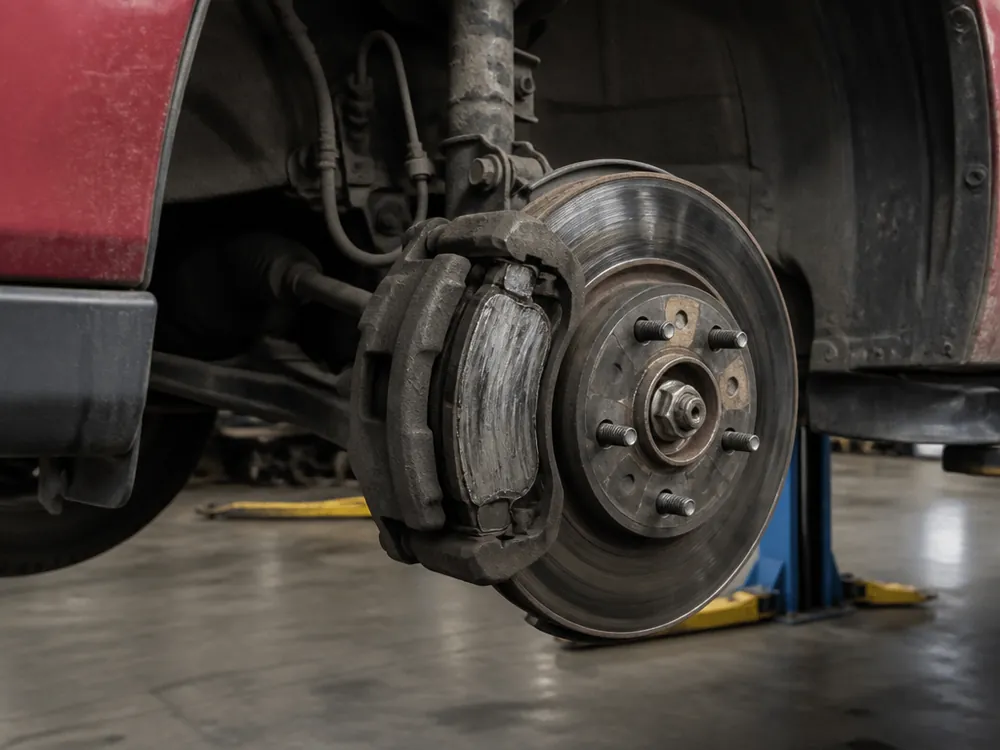
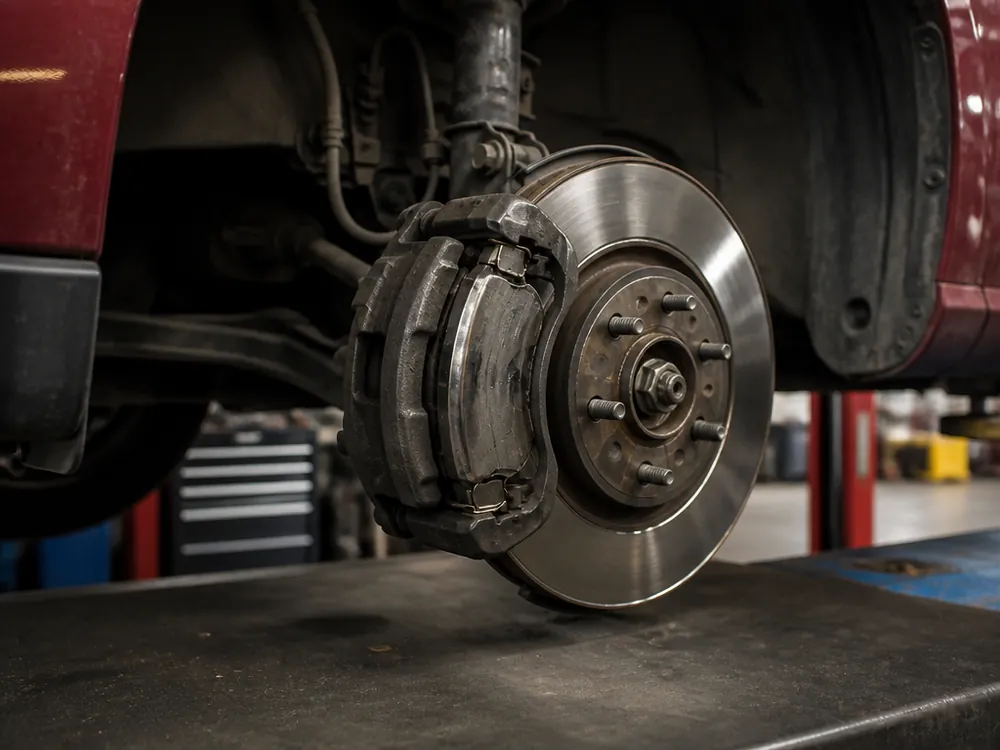
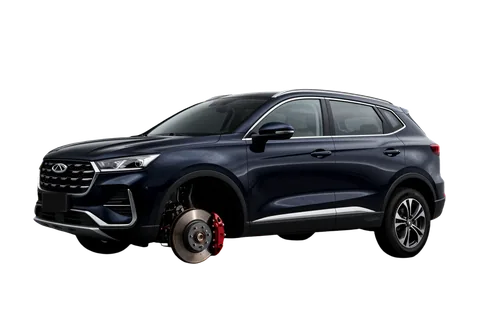
The friction lining wears gradually, and the owner notices the problem late. We explain what signs a technician uses to distinguish pad wear from disc wear and why different Hyundai models have different service life.
Why pads wear faster on Tucson than on Solaris
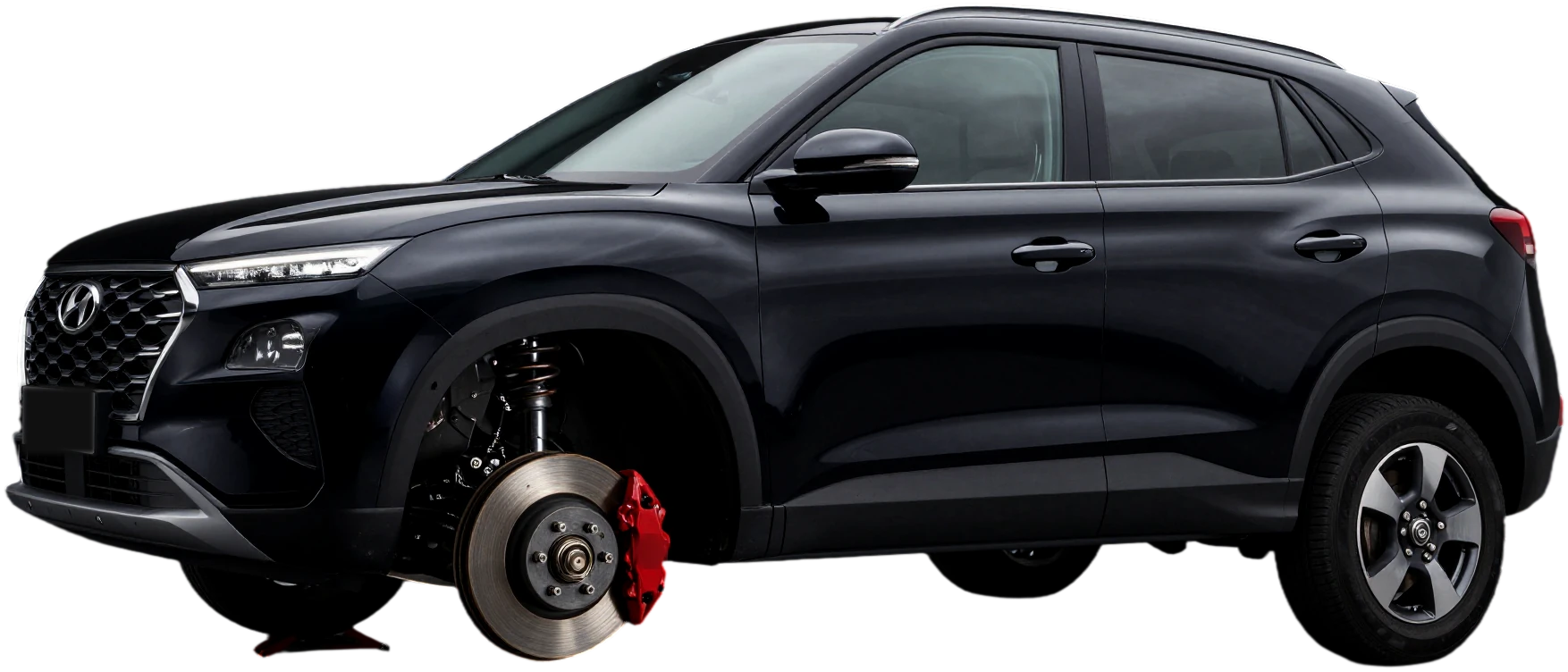
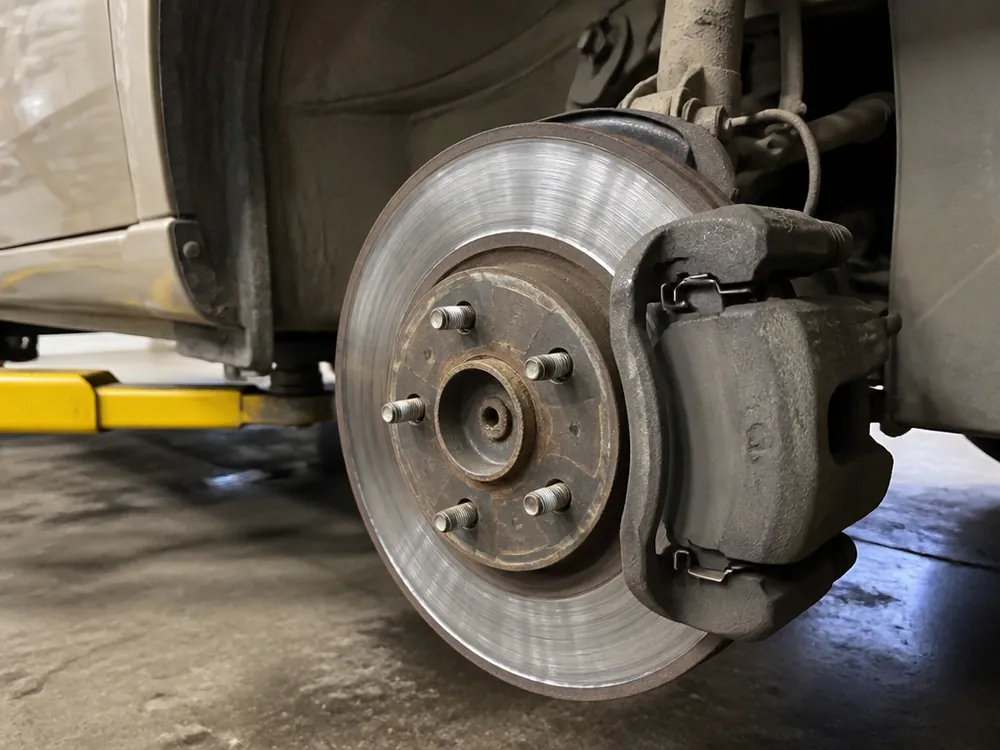
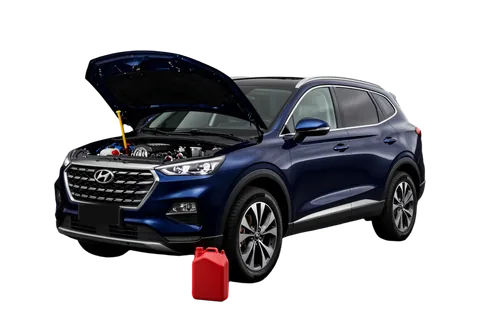
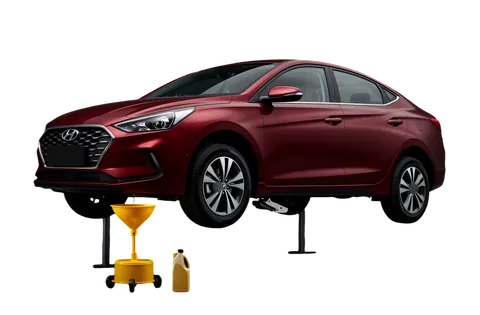
The crossover is heavier than the sedan, brakes with more load on the front axle, and dense traffic with frequent stops shortens pad life more noticeably than highway driving. The mass of the Hyundai Tucson puts more pressure on the front pads than the Hyundai Solaris, and each acceleration-braking cycle in traffic removes more material from the friction layer. In the sedan, the same cycle is gentler due to lower curb weight and shorter braking distance. According to technicians' experience, cars that shuttle through the city center all day come in for replacement earlier than those that drive on the highway. Under such conditions, Hyundai Solaris brake pads need replacement sooner than the manual specifies. Service life depends not on the pad brand but on driving style and vehicle load — the same set on a Solaris and a Tucson under identical conditions will cover different distances, so rely on inspection, not on the mileage from the manual.
What brake pad replacement includes and why disassemble the calipers
Replacement comes in two forms: simply installing new parts or also servicing the calipers. The difference shows up a month later — some brakes stay quiet, others start squealing and sticking.
How simple replacement differs from caliper servicing
work options for brake pad replacement| Work option | What we do | When it's needed |
|---|
| Pad replacement only | Remove and install new pads, check piston travel | Caliper is clean, wear is even |
|---|
| Replacement with caliper servicing | Disassemble, clean cylinder and guide pins, lubricate components | Rust, squealing, sticking |
|---|
| Replacement with guide pin servicing | Clean and lubricate guide pins without full disassembly | Preventive maintenance during scheduled replacement |
|---|
| Replacement with brake bleeding | Replace pads plus bleed the system | Air in the system, fluid replacement |
|---|
Why one lubricant doesn't work for all caliper components
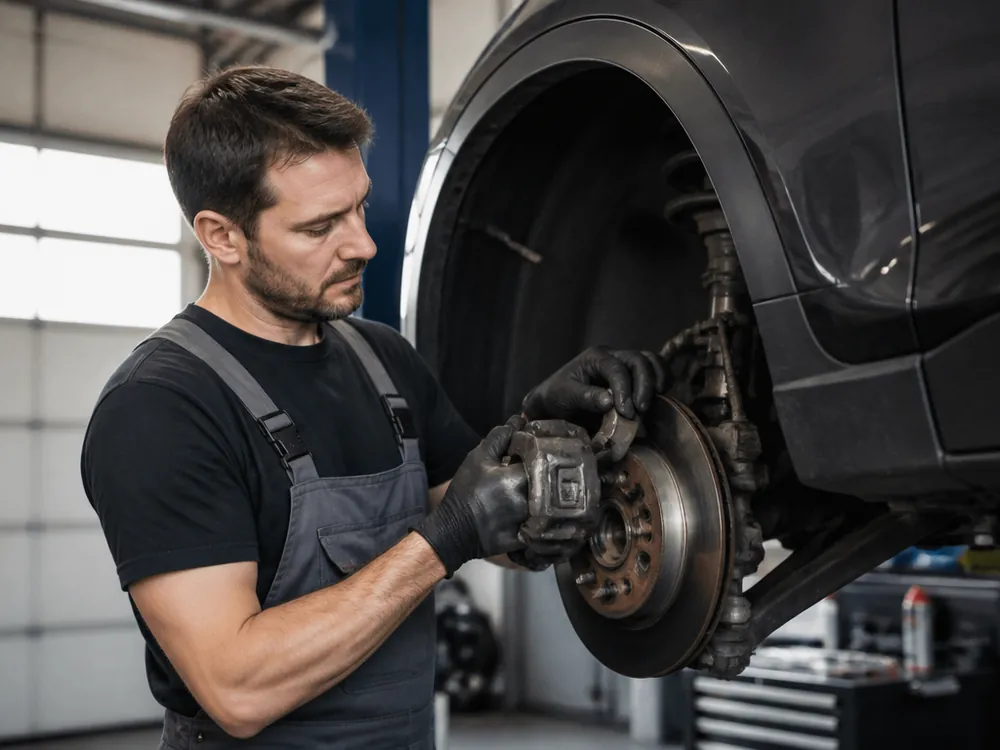
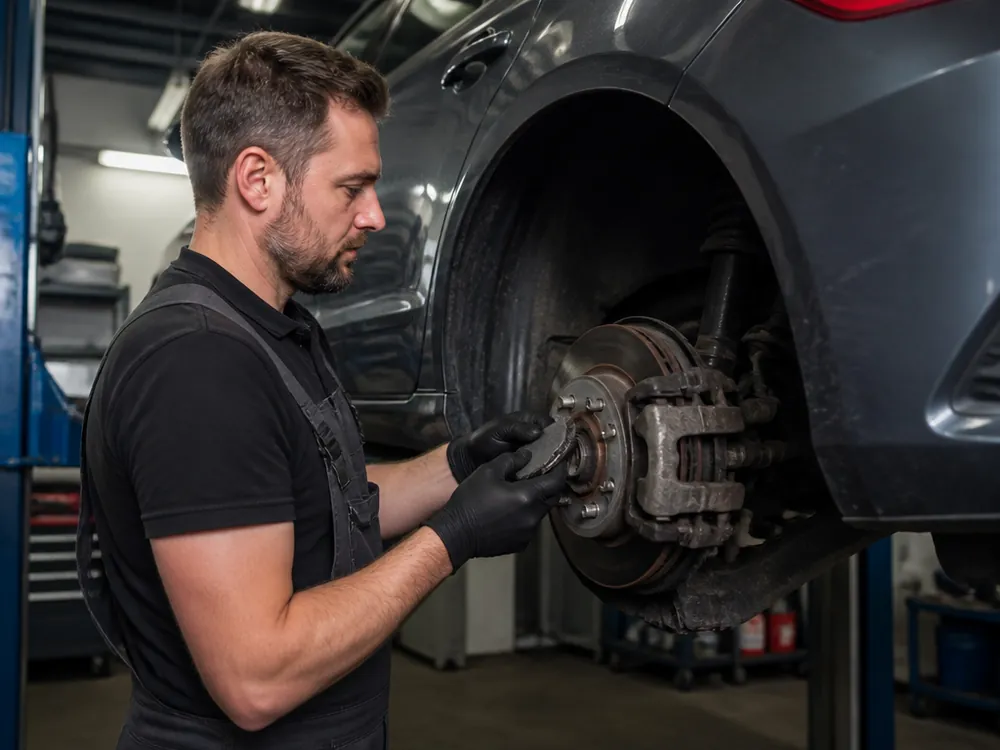
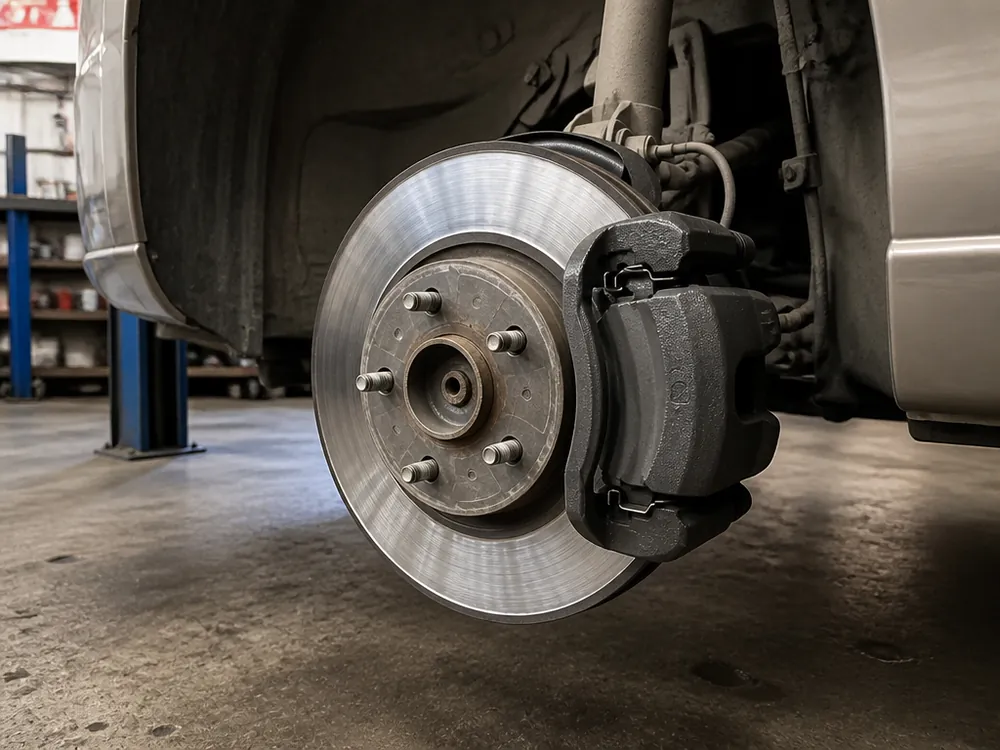
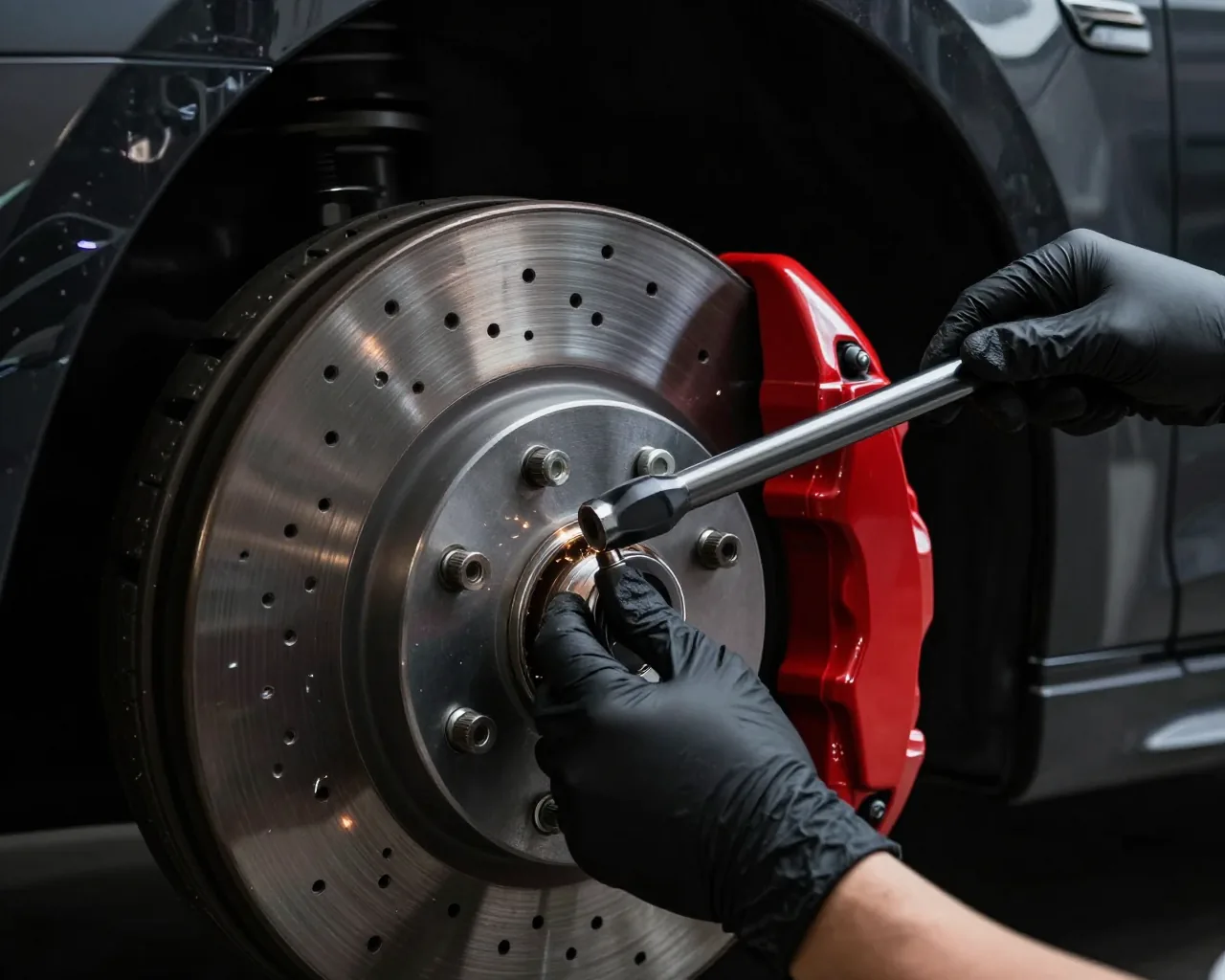
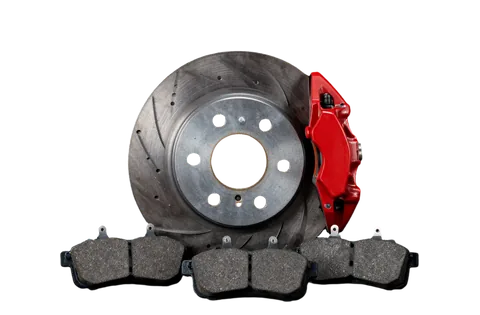
We use four types of lubricant by component: high-temperature paste for guide pins, a separate one for the caliper piston, and a third for anti-squeal shims. A single universal lubricant leaks out or seizes, and the pads start squealing. When servicing Hyundai brakes, we remove the caliper, take out the piston, and remove rust from the cylinder and guide pins — without disassembly, the lubricant doesn't reach the friction pairs, and the component seizes within a month. Guide pins get a high-temperature compound, the piston gets its own, and the shims get a third: temperatures and loads differ for these pairs, so one compound for all points doesn't work. That's why Hyundai brake pad replacement with full caliper disassembly takes longer than simply installing new parts. You can verify that the calipers were actually serviced by the photo report and old parts — we show and give them to the client so it's clear what was replaced. Replacing only the front pads is possible, but if the rear pads are worn unevenly or the caliper sticks, saving on the rear axle results in a repeat visit.
Hyundai Solaris and other models brake pad replacement
Hyundai brake design varies by model — from simple disc mechanisms on Getz to electronic parking brakes on Tucson and Santa Fe. This affects labor intensity and the set of operations.
How servicing differs on Solaris, Getz, Accent, and Elantra
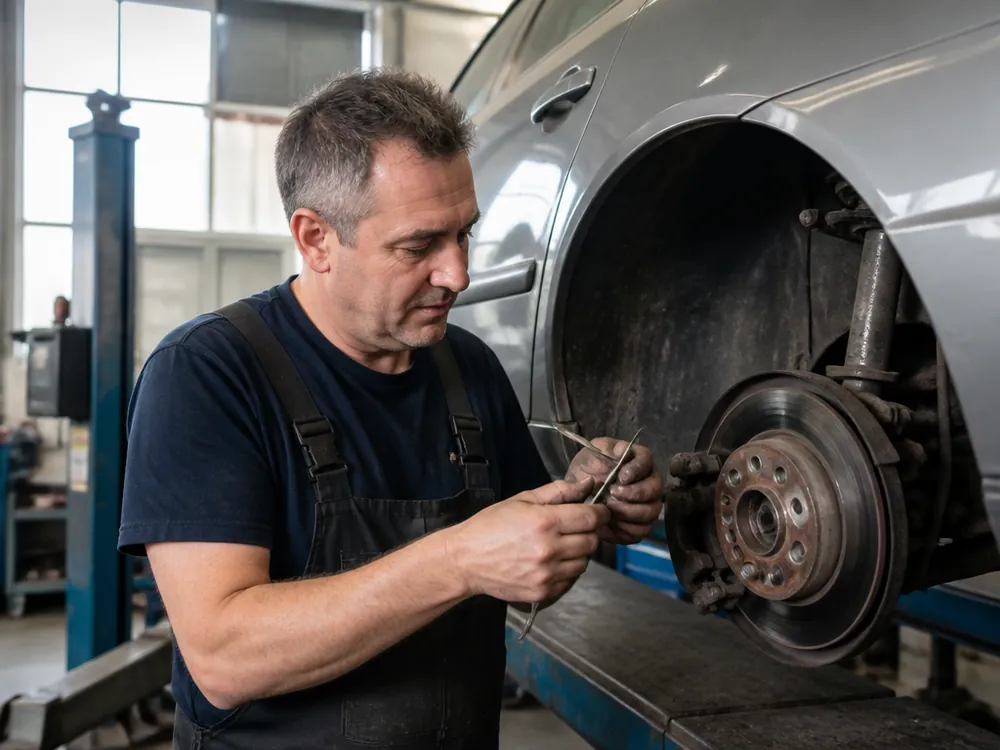
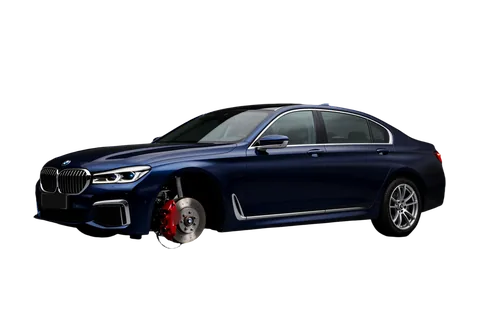
Solaris, Getz, Accent, and Elantra have conventional disc brakes front and rear, and some versions have rear drums, so brake pad work on Hyundai Solaris and its classmates takes 40–60 minutes on the front axle and up to 1.5 hours on the rear with drums. Rear drum mechanisms require disassembly, cleaning, and checking springs and the adjuster strut — disc calipers don't have these operations. On the rear axle of Getz and Accent, the parking brake lever often seizes and has to be worked loose separately. Hyundai brake pad replacement in Almaty on these models is more often accompanied by uneven wear — the inner pad wears faster than the outer, and this can only be noticed with the wheel removed, so we always include inspection of both pads on the axle in scheduled service and compare the remaining thickness.
What changes on Tucson, Santa Fe, and Creta with electronic parking brake
On Tucson, Santa Fe, and Creta with EPB, we switch the caliper to service mode with a dealer scanner; otherwise the piston cannot be retracted without risk of damaging the parking brake electric drive. Mechanically pressing the piston on such components leads to gear breakage or drive error — the component then requires replacement, not repair. We have our own scanners for 40+ brands, so we open service mode on site without trips to the dealer. After replacement, we reset errors with the same scanner and check drive travel: without this check, the parking brake indicator will remain on the panel, and the caliper may not release on the first brake release. On Tucson and Santa Fe, we replace rear pads with EPB together with guide pin servicing — on these models, the component gets dirtier due to the large body mass.
Warranty on brake pad replacement and what it covers
A warranty in words and a warranty in a document are two different things. Here's exactly what we put in the work order, what our responsibility covers, and where its limits are.
What the 6-month warranty covers and what it doesn't
Brake pad work comes with a 6-month warranty; we record the term and conditions in the work order and the completion certificate when you pick up the car. The same term applies to suspension, wheel alignment and tire service, while the engine, cylinder head and transmission are covered for 12 months, and body and painting for 24. Having the document matters: in a dispute, the service advisor opens the work order and checks the date and the list of work instead of trying to recall the conversation. Our obligations cover the work performed and the parts we installed, but not accidents after the repair, tampering by third parties, normal wear of consumables, or a pad the customer brought in. Diagnostics for a disputed case are free. If a squeak appears after the repair or the pedal feels soft, don't wait for your scheduled visit — come in right away: at an early stage the cause is almost always fixed in a single lift.
Can I bring my own pads, and does the work warranty still apply?
We offer a choice of parts — OEM, aftermarket or customer-supplied — and the work warranty applies in any case, but it doesn't extend to a part you brought yourself. The line is simple: we're responsible for the quality of installation and correct caliper assembly, the supplier is responsible for the pad material. We show you the old parts and hand them back so you can see what was replaced. If your own pad turns out to be defective or has the wrong geometry, diagnostics for the disputed case are free, but we don't compensate the part itself — keep that in mind when choosing. Pads of unknown origin more often squeak or wear unevenly, even when the work was done by the book. So if in doubt, get an aftermarket pad from a proven brand from us — then both the work and the part are covered by a single term.
How the visit goes and what to do after a pad replacement
From booking to pickup takes one visit. Here's how long it takes, who handles your order, and how to properly break in new brake components so they don't start squeaking a month later.
Booking, intake and turnaround times
We're open daily from 09:00 to 20:00, seven days a week, by appointment — no lines — and we replace front pads in 40–60 minutes, rear pads with drums in up to 1.5 hours. Your car is received by the service advisor, who also handles the work order through to pickup: he records the complaints, agrees the scope of work with you and shows you the old parts. First comes diagnostics and a written estimate; we start the repair only after you approve it, and we take photos at key stages. As the work proceeds, you choose the type of parts: OEM, aftermarket or your own. Before pickup we do a test drive: we check that the pedal and parking brake engage properly and that the mechanisms don't stick. The warranty on this work is 6 months; we record the term and conditions in the work order and the certificate at pickup. Book a morning slot — your car will be ready by noon, and you'll have time to break in the brakes at a relaxed pace.
How to break in new pads and why squeaking happens
- First 200–300 km: the friction layer beds into the disc, so during this period avoid hard braking and don't head straight onto the highway at high speed.
- Smooth braking: for the first few trips, brake early and gently so the friction layer settles evenly across the whole disc surface.
- Squeaking after break-in: if the noise persists, the cause is usually a seized caliper or worn anti-squeal shims, not the part itself.
- Pulling to one side: if the car pulls when braking, check the guide pins and piston — sticking on one side wears the pad faster.
- Why the teardown matters more than the brand: without cleaning and greasing the caliper, even an expensive part starts squeaking and seizing a month after installation.
Hyundai brake pad replacement key points
We've gathered the key points that determine the outcome of a brake pad replacement on a Hyundai, from choosing the right moment to how the car behaves in the first kilometers of city driving.
- When to replace: pads are replaced based on signs of wear — squealing, vibration when braking, increased pedal travel — not just on mileage.
- Calipers: teardown, cleaning and different greases for different components are what separate a quiet job from squeaking a month after a simple pad swap.
- Electronic parking brake: models with EPB need a scanner to put the caliper into service mode and clear codes during reassembly.
- Warranty: the term and limits of the warranty are recorded in the work order, and you should read them before the repair starts, not after the fact.
- Break-in: the first 200–300 km are the bedding-in period, and how you drive during this time determines how long the new set will last.