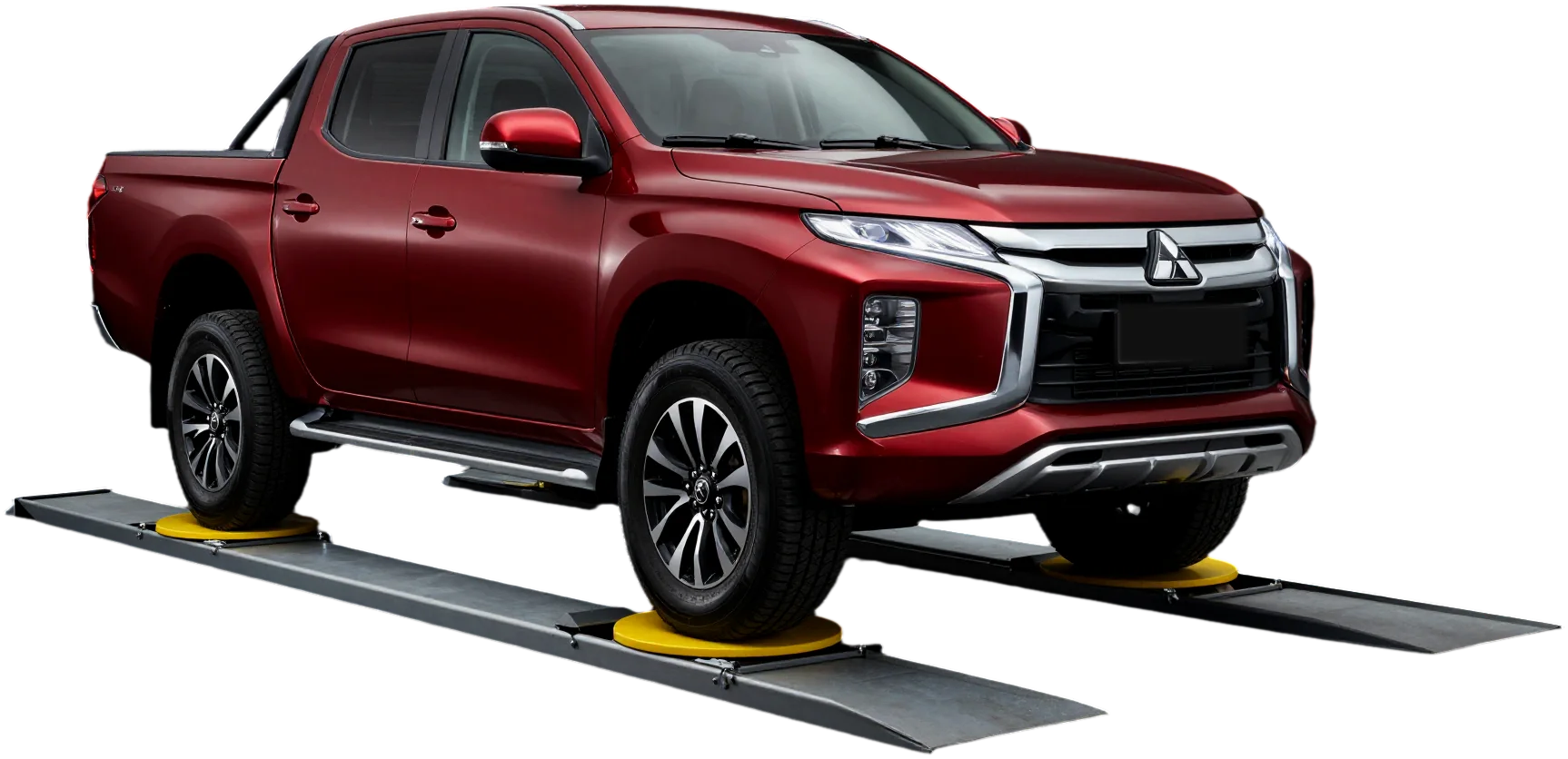
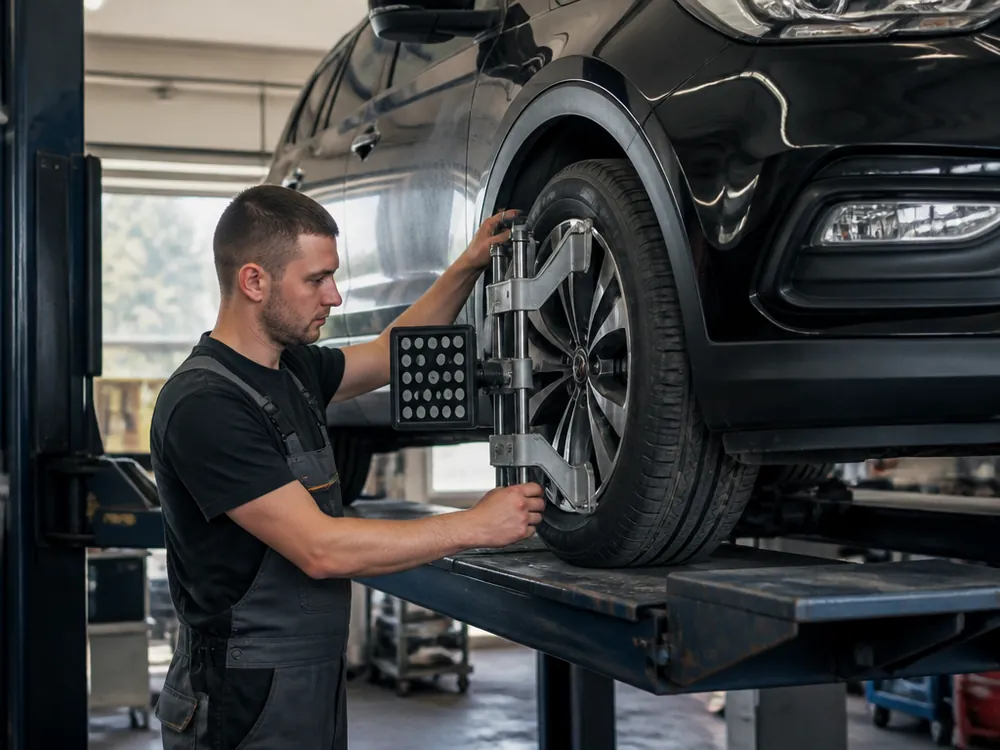
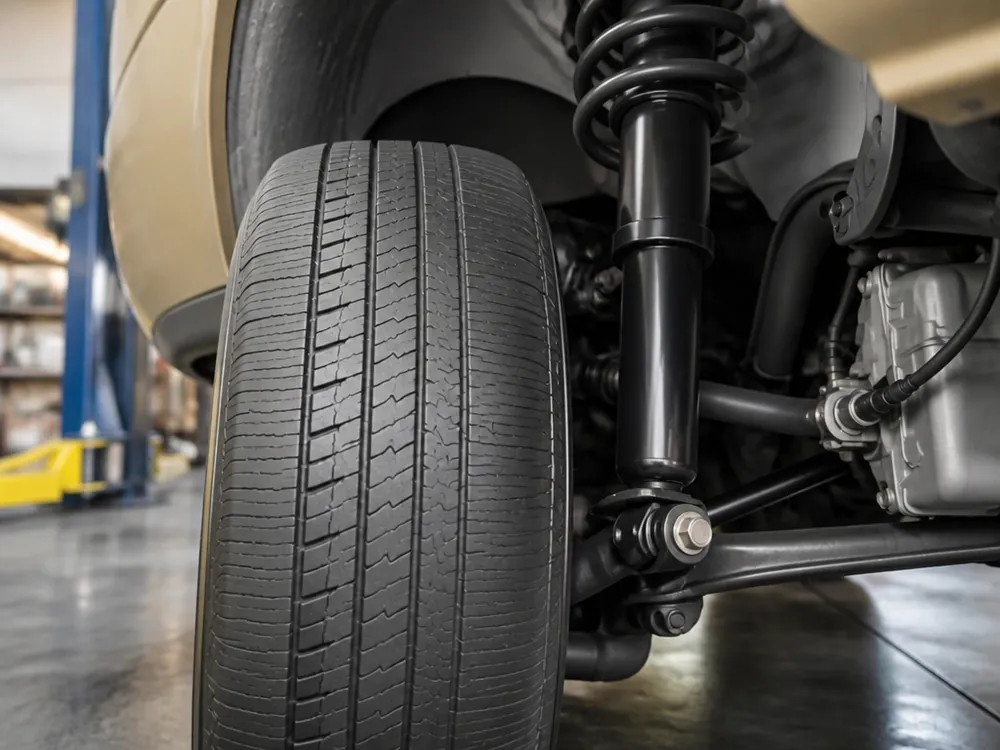
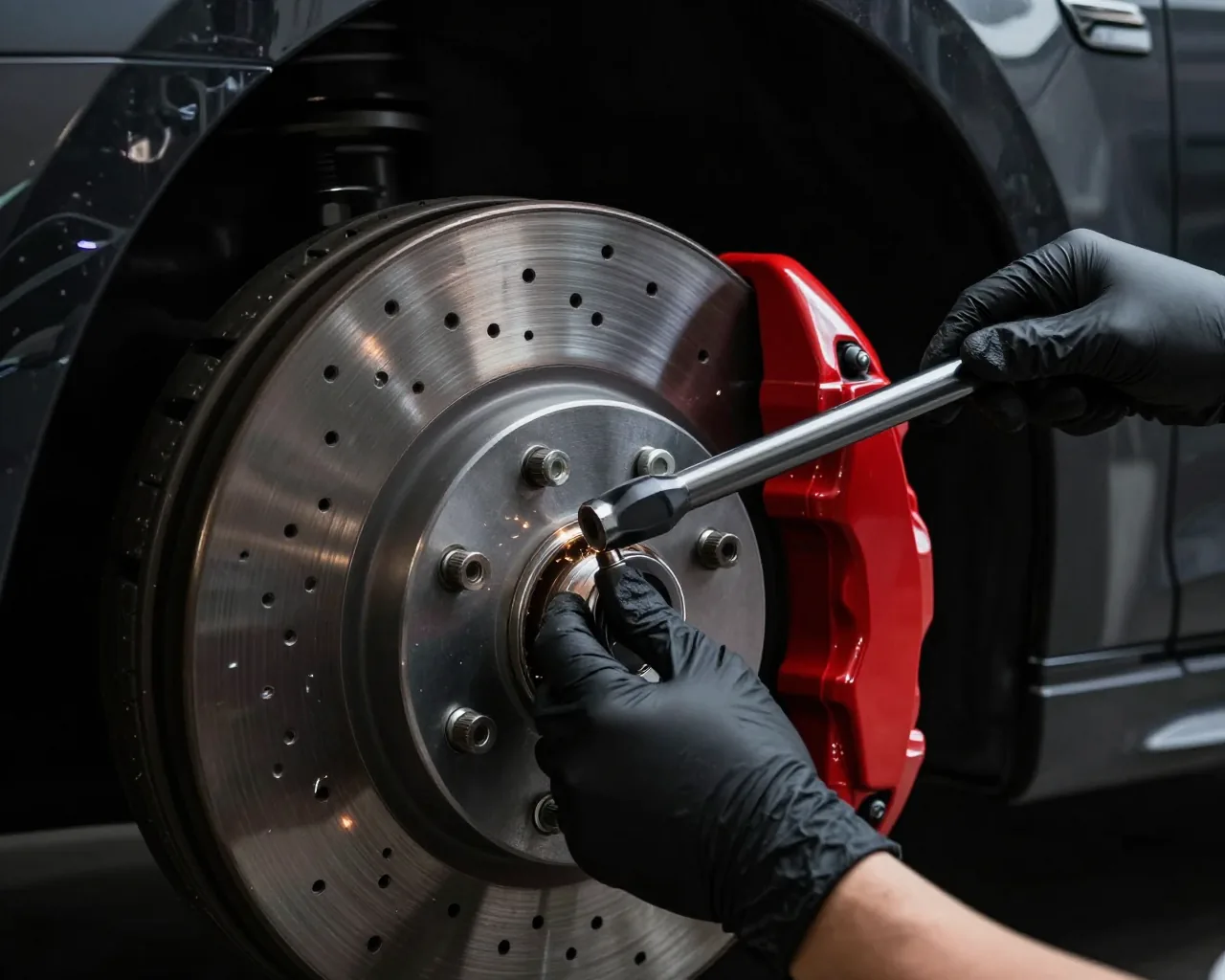
We adjust wheel alignment angles on any Mitsubishi model: Pajero, L200, Outlander and others. We use a modern 3D stand, achieve precise measurements to extend tire and suspension life. Work warranty and free check after chassis repair.
Exact prices depend on the model and complexity. Below are base rates for popular services.
Service
Duration
Warranty
Price
Front axle wheel alignment
1–2 hours
6 mo
from 8 500 ₸
Rear axle wheel alignment
1–2 hours
6 mo
from 8 500 ₸
Comprehensive adjustment (4 wheels)
2–3 hours
6 mo
from 9 000 ₸
Wheel alignment angle check
30 minutes
6 mo
from 3 000 ₸
Caster angle adjustment
1–2 hours
6 mo
from 7 500 ₸
Camber angle adjustment
1–2 hours
6 mo
from 7 500 ₸
Toe adjustment
1–2 hours
6 mo
from 9 000 ₸
Caster adjustment
1–2 hours
6 mo
from 7 500 ₸
Wheel alignment after control arm replacement
2–3 hours
6 mo
from 14 000 ₸
Wheel alignment after bushing replacement
2–3 hours
6 mo
from 14 000 ₸
Wheel alignment after suspension lift
2–4 hours
6 mo
from 17 000 ₸
Wheel alignment after lowering
2–4 hours
6 mo
from 17 000 ₸
Wheel alignment during tire replacement
1–2 hours
6 mo
from 10 000 ₸
Wheel alignment for SUVs
2–3 hours
6 mo
from 14 000 ₸
Wheel alignment for sports cars
2–3 hours
6 mo
from 17 000 ₸
Mobile wheel alignment
1 day
6 mo
from 28 000 ₸
Prices do not include the cost of adjustment bolts and other consumables. The final cost depends on the condition of the suspension and the complexity of the work. Warranty periods — see the page «Warranty»
06
Why choose Mitsubishi wheel alignment at CARGID
Warranty.
Every promise — backed by a number or a document: work order, photos, removed parts.
6MO
warranty on labor — the term is stated in the work order.
3D stand
Warranty
Express booking
01
3D stand with printout
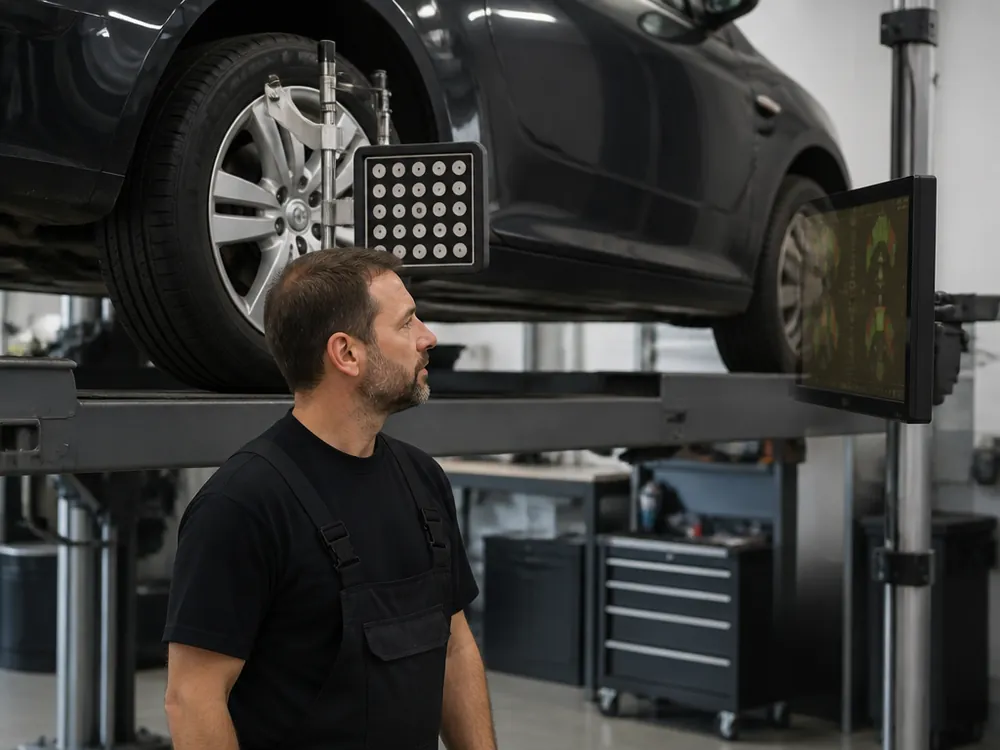
We measure the angles on a 3D stand and provide a printout before and after. You can see that the toe and camber are within tolerance, not «by eye».
02
Two-stage adjustment
First we set the preliminary alignment, roll the car, and then finalize. After rolling, the load is removed from the control arms, so the angles don't shift in the first kilometers.
03
Alignment without stripped bolts
We loosen the adjusting bolts with penetrating lubricant and a box wrench. We don't strip the threads — otherwise the alignment can't be set without replacing the control arm.
04
Alignment in 1 hour
Front and rear axle with inspection and printout take about an hour. On lifted vehicles, it takes a bit longer — we need to adjust the caster.
07
Stages of Mitsubishi wheel alignment
Steps.
We explain how the wheel alignment procedure goes on your Mitsubishi: from booking to final check.
01
Meeting and inspection
You leave a request on the website or by phone, we find a convenient time for your visit to the service. Upon arrival, the technician inspects the vehicle, checks the tires and suspension for visual defects.
request on WhatsApp
02
Suspension diagnostics
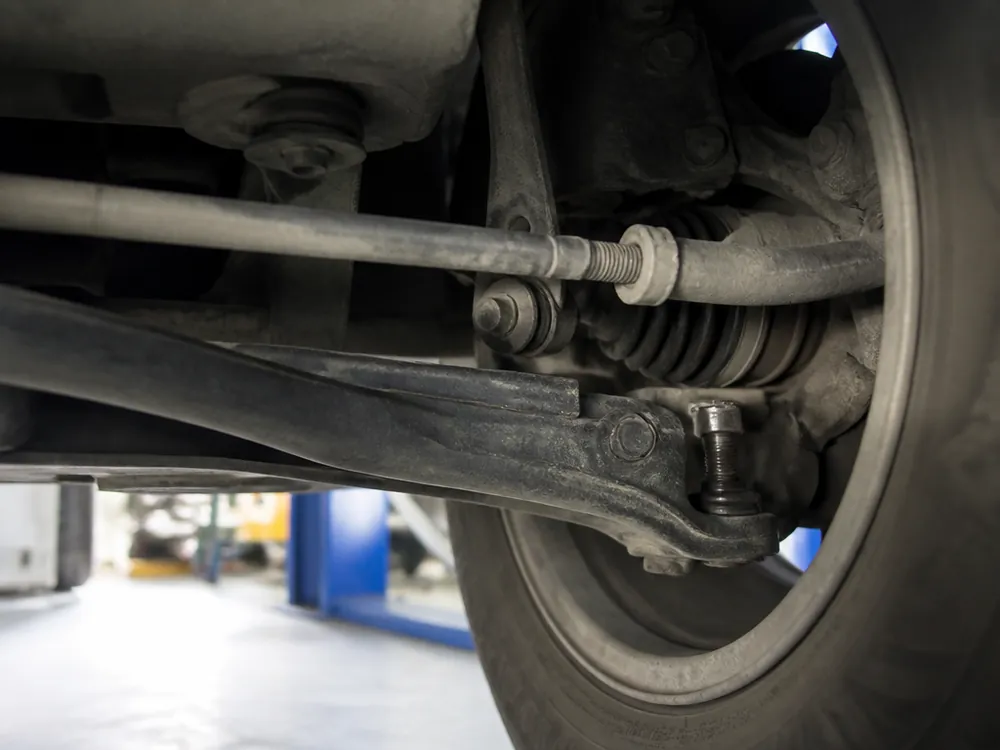
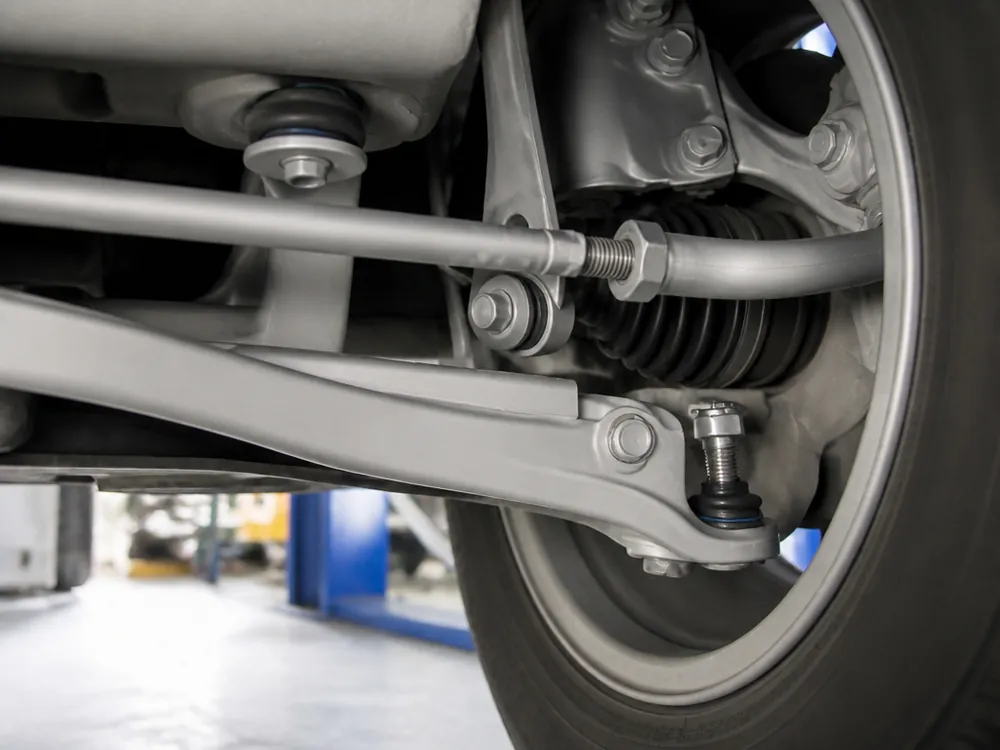
We check the condition of ball joints, tie rod ends, and control arm bushings — this affects the accuracy of the adjustment.
inspection and diagnostics
03
Mounting on the stand
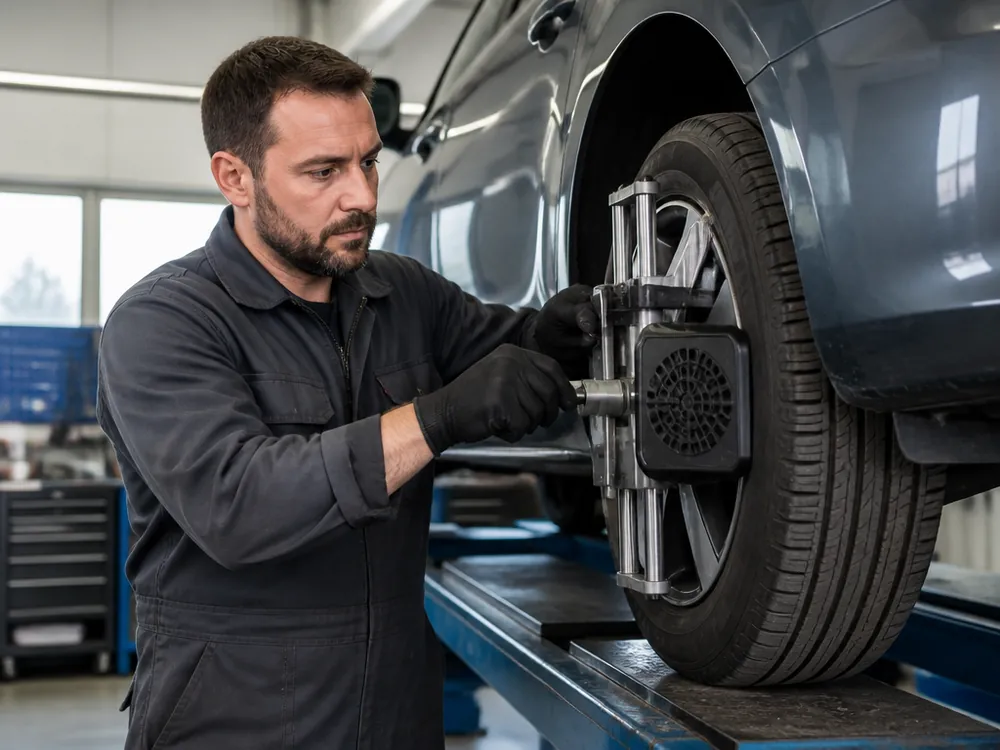
We place the car on the alignment stand, fix the steering wheel, and attach sensors to the wheels to measure the angles.
estimate before work starts
04
Angle measurement
We read the current camber, toe, and caster parameters and compare them with the factory data for your model.
work to factory procedure
05
Adjustment
We adjust the wheel alignment angles; if necessary, we repair or replace the adjusting bolts.
result check
06
Test drive and handover
We take repeated measurements and make sure all parameters are within spec, and display the report on the screen. We take a test drive to check the car's behavior, after which we return the vehicle to you with a warranty.
At CARGID, Mitsubishi wheel alignment in Almaty is done on a 3D stand: we measure the angles, adjust in two stages with a roll, give you a printout before and after, and take a test drive. The work takes about an hour, and a 6-month warranty is recorded in the work order. First diagnostics and a written estimate, repairs only after your approval.
What Camber, Toe, and Caster Mean on a Mitsubishi
Three wheel alignment angles — camber, toe, and caster — determine how the car sits on the road and behaves in turns. On Mitsubishi they are set together because changing one parameter affects the others.
Three Angles That Determine How the Car Behaves on the Road
Camber is the tilt of the wheel from vertical, toe is the angle between the wheels in plan view, and caster is the longitudinal tilt of the steering axis — on Mitsubishi all three are set together. Camber can be negative, when the top of the wheel leans inward, or positive — outward; for the front axle of most passenger models, the factory specifies a slight negative or zero angle. Toe is measured in degrees or millimeters and is divided into total and individual per wheel. The longitudinal tilt of the axis is responsible for the steering wheel returning after a turn and for stability in a straight line: the greater it is, the more confidently the car holds its course at speed. Each measurement is compared with the factory tolerances for the specific model, not with average figures. If you set only the toe "by eye," the camber will remain out of tolerance, and the tire will start wearing on the inner or outer edge within a couple of thousand kilometers.
What Happens If You Drive with Incorrect Angles
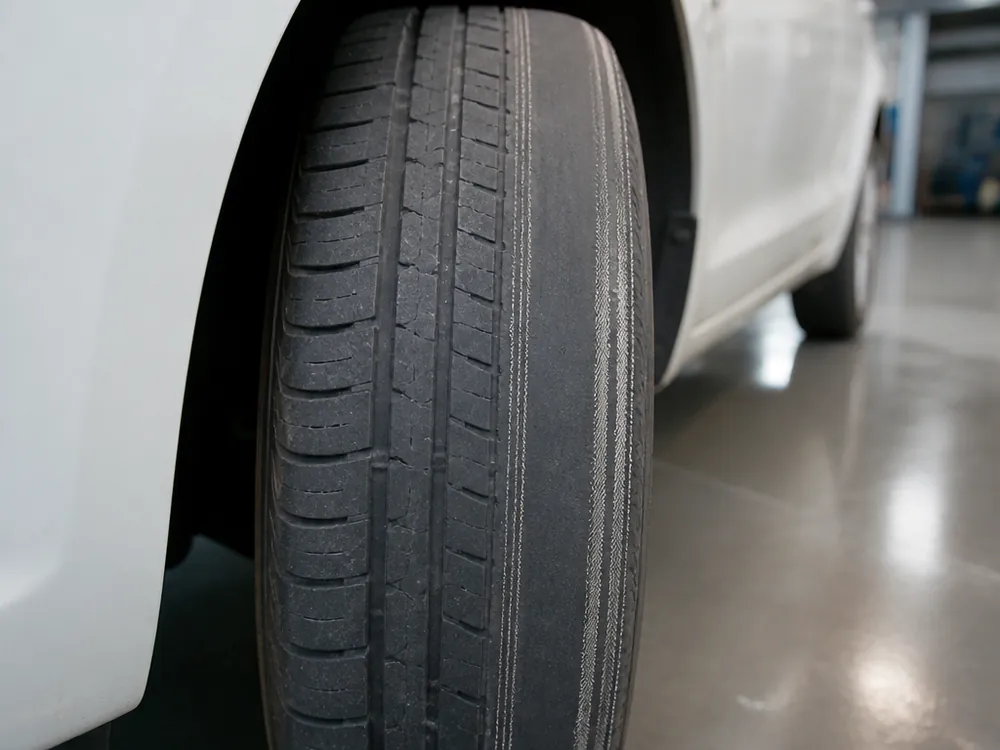
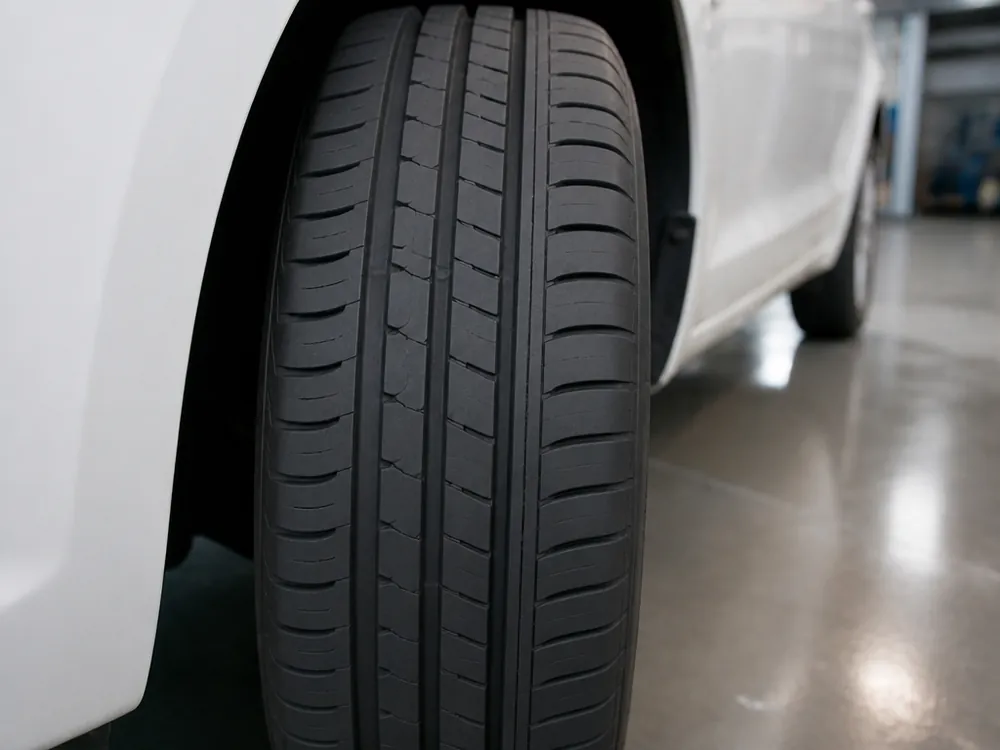
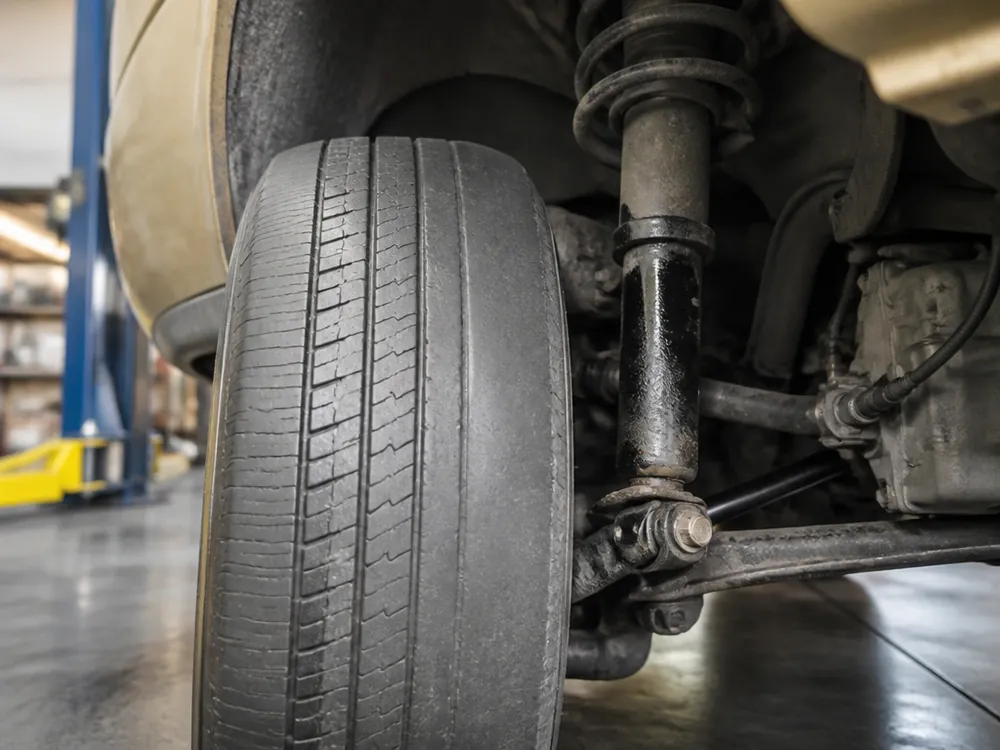
Incorrect camber wears the rubber unevenly, and a misaligned caster makes the steering wheel return to center sluggishly and makes handling at speed less predictable. One-sided edge wear is easy to notice on the front wheels: the tread wears smooth on one side and remains intact on the other. Sawtooth wear, when the tread blocks form a wave, usually indicates misaligned toe — the wheel travels sideways and drags the rubber. Misaligned angles also change the load on the suspension: ball joints and wheel bearings work at an angle and wear out faster than usual. A misaligned caster adds another consequence — after a turn, you have to correct the steering wheel manually, and at speed the car wanders in its lane. A comprehensive adjustment of the front and rear axles with inspection and a printout takes about an hour. Check the angles whenever you replace control arms or bushings — even a new part is installed with a tolerance and throws off the geometry.
Signs It's Time for Wheel Alignment and How Often to Check
Symptoms that call for checking wheel geometry first, and guidelines for frequency in the city and off-road — so you don't wait until your tires are worn out.
Symptoms That Call for an Angle Measurement
Pulling to one side: the car pulls left or right on a flat road with the steering wheel released.
Crooked steering wheel: to go straight, you have to hold the wheel turned.
Sawtooth wear: the tread wears in a "saw" pattern along the edge of the tire.
One-sided wear: the inner or outer edge of the tire is worn noticeably faster than the rest.
Vague steering after suspension repair: you replaced control arms, bushings, or tie rod ends — the geometry is off.
Impact with an obstacle: the wheel hit a pothole or curb — even without visible consequences, the angles should be measured.
Slow steering return: the wheel is slow to return to center when exiting a turn — a sign of misaligned caster.
How Often to Check Angles in Almaty and After Off-Road
We recommend checking the angles every 10–15 thousand kilometers, and on the L200 and Pajero after serious off-roading — right when you get back on asphalt. Mitsubishi wheel alignment on these models goes out unnoticed: the control arm bends by a couple of millimeters, and the tire wears out in a couple thousand kilometers. In the city, the guideline is once a season, before changing tires: tram crossings and potholes on the avenues gradually throw off the geometry. A routine check costs less than a set of new tires. If you replaced control arms, bushings, or tie rod ends, a measurement is mandatory, even when the car drives straight. CARGID has been working for 12 years and repairing cars in Almaty, so from experience: owners who come in for a measurement twice a year replace tires before their time less often.
How Mitsubishi Wheel Alignment Is Done on a 3D Stand
Step-by-step procedure on a 3D stand — from measurement to test drive. We'll explain why each stage is needed and why it matters for Mitsubishi.
Measurement, Two-Stage Adjustment, and a Before-and-After Printout
We measure the angles on a 3D stand, set them preliminarily, roll the car, and finalize the adjustment, then give you a printout before and after. The stand records camber, toe, and caster for each wheel and compares them with factory tolerances — no rulers or plumb lines. The 2-stage adjustment works like this: first we set the parameters, roll the car across the pad, then fine-tune. On the stand you can see how load changes the readings — rolling relieves stress from the control arms, and the angles don't shift in the first kilometers. That's what distinguishes two-stage adjustment from a one-time job. Mitsubishi wheel alignment in Almaty on a 3D stand takes a little time, but the result is visible in the printout. In my opinion, the printout is the main argument: the client sees that the toe and camber are within tolerance, not "by eye."
Seized Bolts and Preparing the Car for Measurement
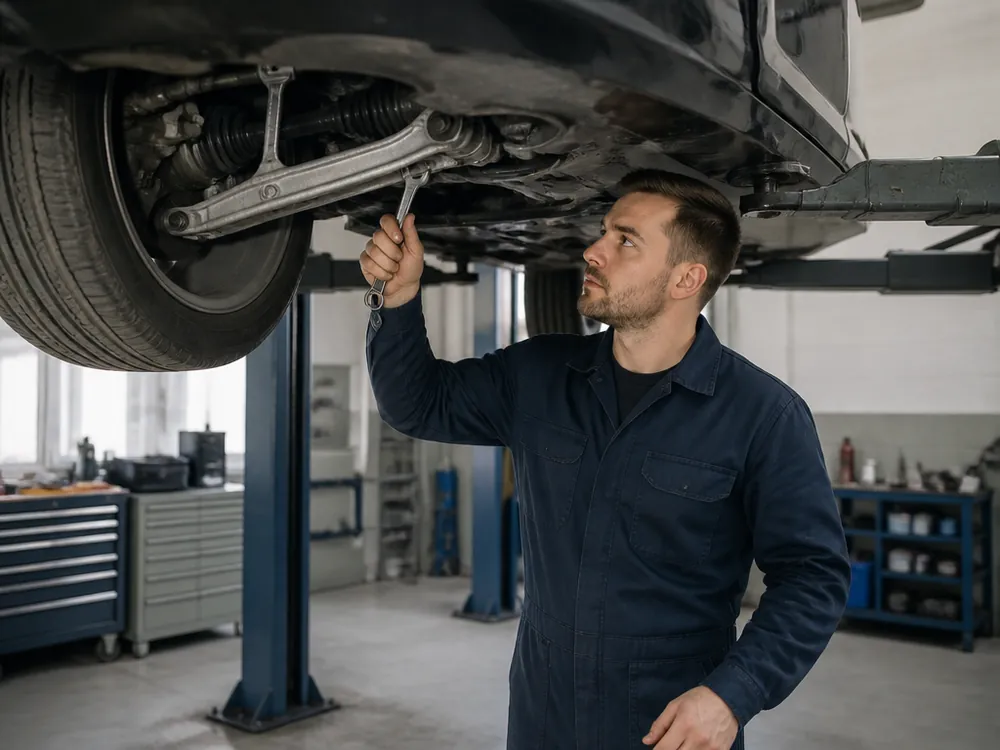
We loosen the adjustment bolts with penetrating oil and a box-end wrench, and we don't strip the threads — otherwise you can't set the geometry without replacing the arm. On higher-mileage Mitsubishis the bolts often seize to the suspension arms, and brute force costs more: a stripped thread means a new arm. Before measuring, we check the condition of the bushings and ball joints — with a worn joint the adjustment won't hold. We put winter and summer tires on the rack as one matching set: a different profile and tread pattern introduce their own error. It's best to arrive with equal tire pressure and no extra weight in the trunk — a difference of a couple tenths of a bar already shows up on the printout. If the tires are a different size or have a different tread pattern, the rack will show a discrepancy that wouldn't appear on a flat road: we measure on one matching set so the numbers reflect the real geometry, not the difference between tires.
What the job includes and how long it takes
wheel geometry service options
Job
What we set
When it's needed
Front axle
camber, toe, caster
routine check, during front suspension repair
Rear axle
camber and toe (where adjustable)
after an impact, rear tire wear
Full four-wheel adjustment
all four wheels
routine, after replacing arms or bushings
After a lift or lowering
angles adjusted for ride height
after changing suspension height
What's actually adjustable on different Mitsubishi models
On some Mitsubishis the rear axle is fully adjustable, on others only the toe is, and that determines the scope of work and the time on the rack.
Solid and independent rear suspension — the difference for camber
On a solid-axle rear suspension with a one-piece rear axle, rear camber isn't adjustable; on an independent one, toe is set and, on some models, camber too. The Pajero 2 and L200 have a solid rear axle: the beam rigidly links the wheels, and the tilt angle is set by the geometry of the axle itself. The Pajero Sport, Outlander, ASX and Lancer have an independent multi-link setup at the rear with adjustment eccentrics — there our technicians set both toe and camber within the factory tolerance. A Mitsubishi Pajero wheel alignment on independent suspension requires both adjustments, while on the solid-axle versions only an inspection remains. And on a solid axle we check the condition of the beam and bushings first of all, rather than "turning" a non-existent adjustment bolt. A worn beam bushing on a Pajero 2 creates play that throws the angles off within a few hundred kilometers — replace the rubber-metal parts before measuring, otherwise the geometry work is wasted.
Mitsubishi models and the scope of geometry work
rear suspension types and adjustment areas by model
Model
Rear suspension
What we adjust
Pajero 2
solid, one-piece axle
front axle, caster; rear — inspection
L200
solid, one-piece axle
front axle, caster; rear — inspection
Pajero Sport
independent
front and rear axle
Outlander
independent
front and rear axle
ASX
independent
front and rear axle
Lancer
independent
front and rear axle
Lifts, lowering and the wheel alignment warranty
Changing ride height pushes the wheel alignment angles out of the factory range, and a standard adjustment doesn't always bring them back into tolerance. Below — what happens to the geometry with a lift and lowering, and how we document the warranty on the work.
Why the angles go off after a lift or lowering
A lift raises the body relative to the arms and changes the steering axis angle, while lowering pushes camber negative — in both cases the stock tolerances no longer apply. On Pajeros and L200s with a lifted suspension, caster and camber shift by several degrees, and on a lowered ASX the rear axle goes into negative camber faster than the front. We measure the angles on a 3D rack and compare them with the factory values for the specific model, not with brand averages. On lifted Pajeros and L200s some angles hit the adjustment limit, and we tell you honestly that it won't be possible to bring them into factory tolerance without swapping the arms for adjustable ones — otherwise the toe won't hold for long and the tires get eaten up in a season.
6-month warranty and how to book
We give a 6-month warranty on the angle adjustment, record the term and conditions in the work order and the completion certificate, and diagnostics for a warranty case are free. You can book for any day, we're open daily from 09:00 to 20:00, by appointment — no waiting in line. The service advisor handles intake: he writes up the work order and sees it through to vehicle handover. If the steering pulls to one side or the car drifts, come in — we'll repeat the measurement and figure out the cause. The warranty covers the work performed and the parts installed, but not accidents, third-party interference, normal wear of consumables, or a part brought in by the customer. We spell out the conditions before work begins so there are no misunderstandings later.
Key Takeaways for Mitsubishi Alignment
We've gathered the key things to keep in mind before and after an angle measurement — briefly, without repeating what's been covered or adding unnecessary detail.
Three angles as a set. Camber, toe and caster are set together — on their own the result doesn't hold for long.
Symptoms don't wait for a routine check. Pulling to one side, an off-center steering wheel and one-sided tire wear are reasons to come in for a measurement right away.
The suspension type sets the scope. On a solid rear suspension, rear camber isn't adjustable; on an independent one, it is.
Lifts and lowering change the tolerances. Some angles hit the adjustment limit, and it's worth knowing that in advance.
The warranty is in the document. The term and conditions are recorded in the work order and certificate, not left as words.
10
Frequently asked questions about Mitsubishi wheel alignment in Almaty
Questions.
Price, timeframes, warranty, payment — 10 questions asked most often.
10
Didn't find an answer?
Message us on WhatsApp — a service advisor will reply within 5 minutes.
The cost of wheel alignment on a Mitsubishi at CARGID is 10 000 tenge. This price includes checking and adjusting wheel alignment angles (camber, toe, caster) on a modern 3D stand. Additional payment is possible if removal/installation of protective elements or removal of wheels is required for access to adjustment bolts — this is discussed individually. The exact cost will be named by the master after inspection, but in most cases no additional work is required for Mitsubishi.
On average, a wheel alignment on a Mitsubishi takes 40–60 minutes. This is the standard time for cars of this brand, if replacement of suspension parts or additional work to eliminate play is not required. If the suspension is in good condition, we finish in 40 minutes. If problems are identified (worn silent blocks, play in tie rods), the time may increase — we warn you immediately and coordinate the work with you.
Booking is desirable: the stand for adjusting wheel alignment angles of a Mitsubishi is allocated 40–60 minutes, and without a reservation there may be a queue. You can book by phone or through the website, specifying the model, year of manufacture and preferred time. If only checking the angles without adjustment is required, the appointment time may be shorter, but this is clarified when booking.
Yes, we provide a warranty on wheel alignment — 6 months or 10 000 km mileage (whichever comes first). If during this period you notice a deviation in wheel alignment angles (for example, the car pulls to the side), we will re-adjust for free. The warranty is valid provided that no parts were replaced in the suspension after our adjustment, and you have not been in serious accidents.
For wheel alignment, spare parts are usually not required, unless we identify the need to replace adjustment bolts or other elements. If such a need arises, we will offer you options: use our parts (original or analogues) or install yours. We accept customer parts, but we draw your attention that for work on installing customer parts, the warranty is provided only for the quality of installation, not for the parts themselves. We recommend coordinating this in advance.
If after our adjustment you notice that the car pulls to the side, tires wear unevenly or the steering wheel is not straight — come back to us. We will check the wheel alignment angles for free. If it turns out that we made a mistake, we will re-adjust. If the problem is caused by hidden suspension defects (for example, worn silent blocks), we will explain the cause and offer repair. In any case, we are responsible for quality and bring the result to perfection.
We use a modern 3D stand that measures angles with high accuracy (error less than 0.1 degrees). Unlike old optical stands, the 3D stand allows you to quickly and accurately adjust all angles, including caster, and takes into account the parameters of a specific Mitsubishi model. You receive a printout with the results before and after adjustment, which confirms the quality of work. This is especially important for Mitsubishi, which have strict requirements for suspension geometry.
Before the procedure, we recommend: 1) Check tire pressure and bring it to normal (specified in the manual); 2) Remove heavy items from the trunk if they are not a permanent load (the master will take this into account during adjustment); 3) Inform the master if you plan to frequently carry heavy loads — he will make the adjustment with a small margin. It is also important that the suspension is in good condition: if there are knocks or play, it is better to eliminate them before alignment, otherwise the results will be inaccurate.
You can pay in any convenient way: cash, bank card (Visa, Mastercard, Halyk Bank, etc.), as well as by QR code through Kaspi.kz. We issue a receipt and a warranty card. Payment is made after the work is completed and the results are checked. Prepayment is not required if you booked in advance — just come at the appointed time.
Immediately after the procedure, you can operate the car, there are no special requirements. We recommend that within the first 100–200 km, check if the car pulls to the side, and if necessary, return for a control check. Also monitor the uniformity of tire wear — if after 2–3 thousand kilometers you notice uneven wear, this is a reason to contact us for re-diagnostics. Proper adjustment should exclude such wear.
11
Reviews of our Mitsubishi wheel alignment
Reviews.
We collect ratings on the website and on maps — we hide nothing.
4.8
872 reviews on the website 1 900+ ratings in total
Aslan
Came in with a Mitsubishi L200, the car was pulling to the right. They did the wheel alignment in an hour, the report on the screen — all clear. Price 14 thousand tenge, normal for a pickup. Now the steering wheel is straight, tires will last longer. Thanks, recommend.
Marina
My Outlander started handling poorly after potholes. I booked a wheel alignment, they did it quickly, and also checked the suspension. Everything was adjusted, they gave a printout with the parameters. The car became like new, even the steering wheel turns easier. Thanks for the quality!
Dmitry
Came in with a Lancer, the angles were off after replacing the control arms. The masters immediately said that this can't be fixed by alignment alone, but they managed to bring everything within tolerance. Surprisingly, the car drove straight. Paid 15 500, satisfied.
Erbol
My car is a Pajero Sport, the inner side of the tires wore out quickly. I had the wheel alignment done, everything was adjusted, now the tires wear evenly. The price is 16 thousand tenge, the work took one day. Thanks for your help!
Alex
Had bad pull on my ASX, tyres were wearing uneven. Did camber/caster adjustment here. They found one bolt was loose, fixed it too. Now car goes straight, no vibrations. Paid 15k, took 2 hours. Good service, would come again.
Irina
I have an Eclipse Cross, after winter the car pulled to the side. I came to this service, they quickly did the wheel alignment, showed everything on the stand. The staff is polite, explained that it was knocked off due to potholes. Satisfied with the result, the steering wheel is straight now. The price is reasonable — 13 500.
Vladimir
Diagnostics showed that on my Galant the toe was badly off, that's why the steering wheel was crooked. The guys adjusted everything, the steering wheel is now centered, the car drives as if on rails. Paid 14 000, I consider it fair. Recommend to all Mitsubishi owners.
Natalya
Bring my Outlander PHEV here for wheel alignment, because tires were rubbing on one side. They did detailed check, adjusted camber and toe. Very professional, gave meprintout. Car drives perfect now, no more pulling. Paid 15 000, service was worth it.
Sergey
After installing new springs, a wheel alignment was needed. At this service, everything was done quickly and with quality, though I thought I'd have to wait longer. Excellent stand, everything is visible on the screen. The final price is 16 500 tenge, the car became better to handle. Thanks!