 Author
13years
experience
experience
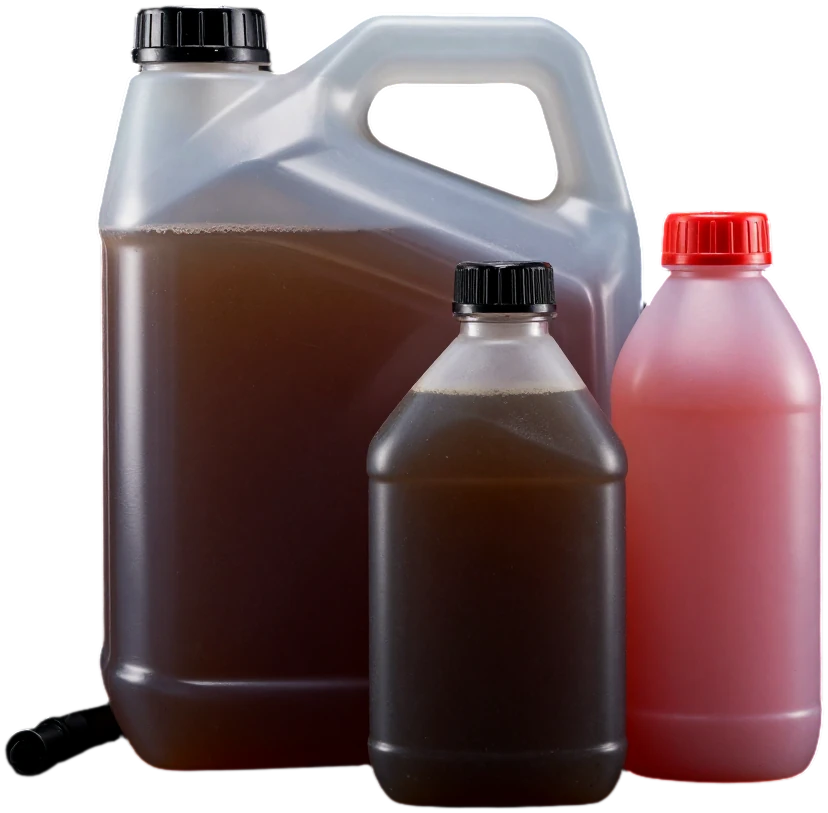
Engine cooling system flush is a mandatory procedure when replacing antifreeze or after radiator repair. We remove scale, rust and oil deposits, restore circulation and heat exchange. We work with all engine types. 12-month warranty.
What we do during a cooling system flush — according to the price list.
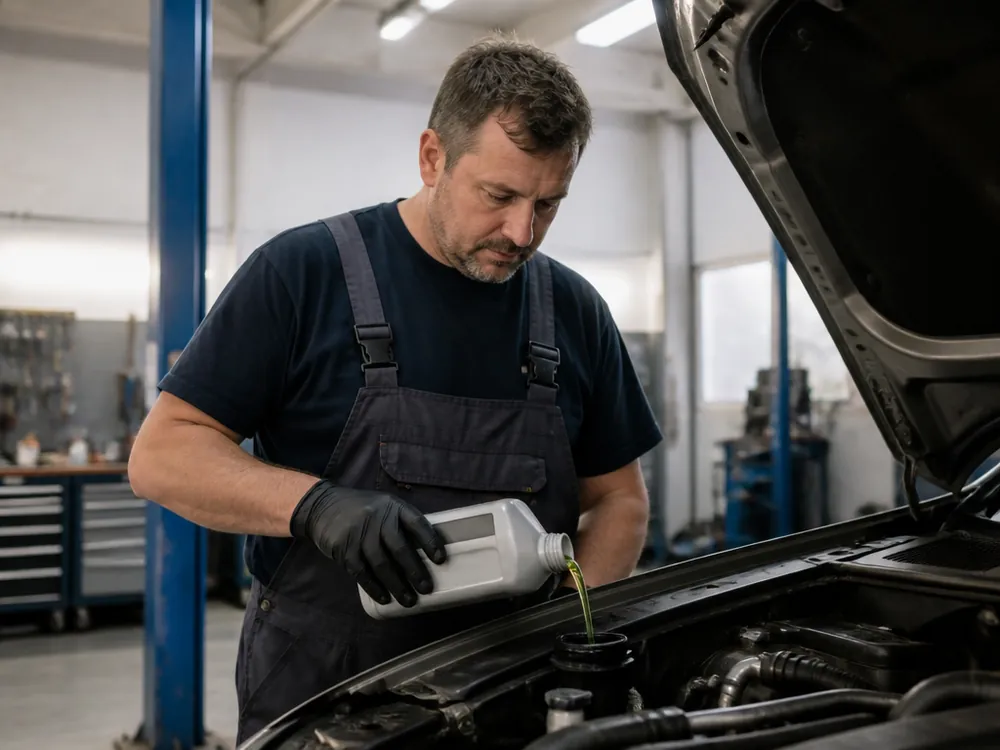
We pour in a special agent, circulate it through the circuit, and drain the dirt. The result is clean channels and proper heat transfer.
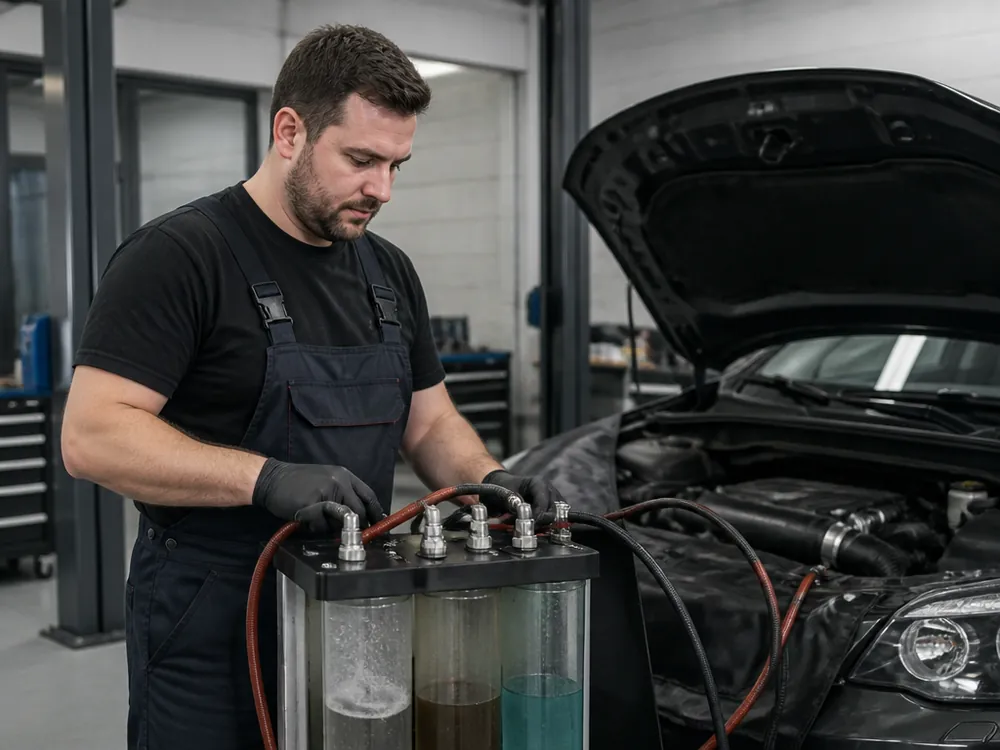
We disconnect the hoses and flush the heater radiator without removing it. We restore the flow — the heater warms again.
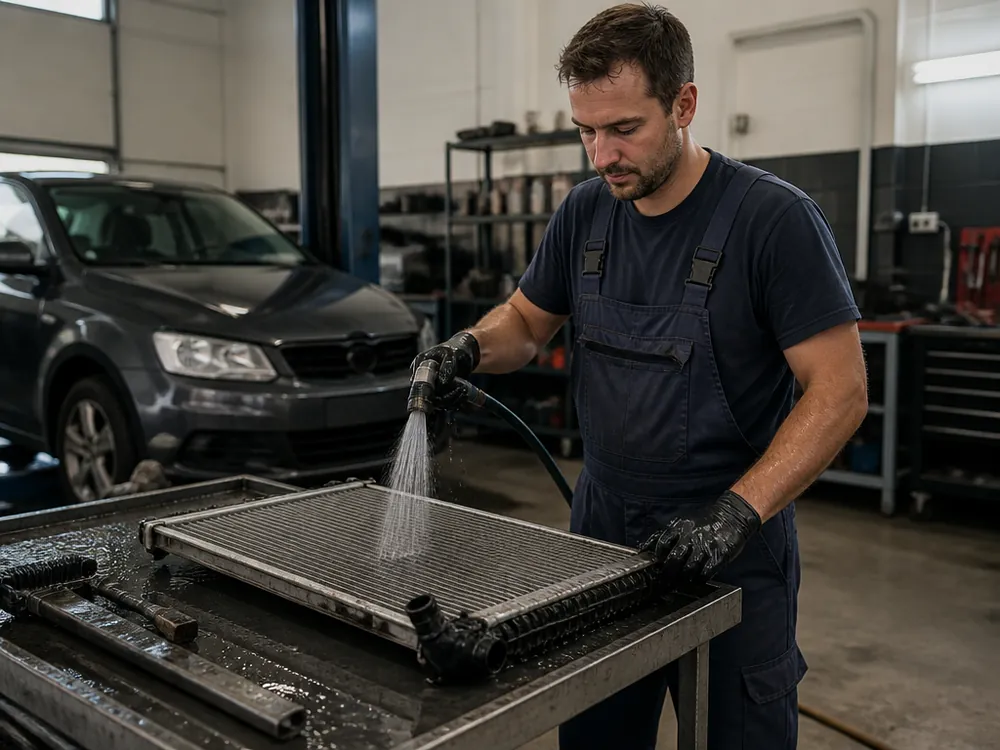
We remove the radiator, flush it separately, and put it back. We remove clogged fins — the engine maintains temperature.
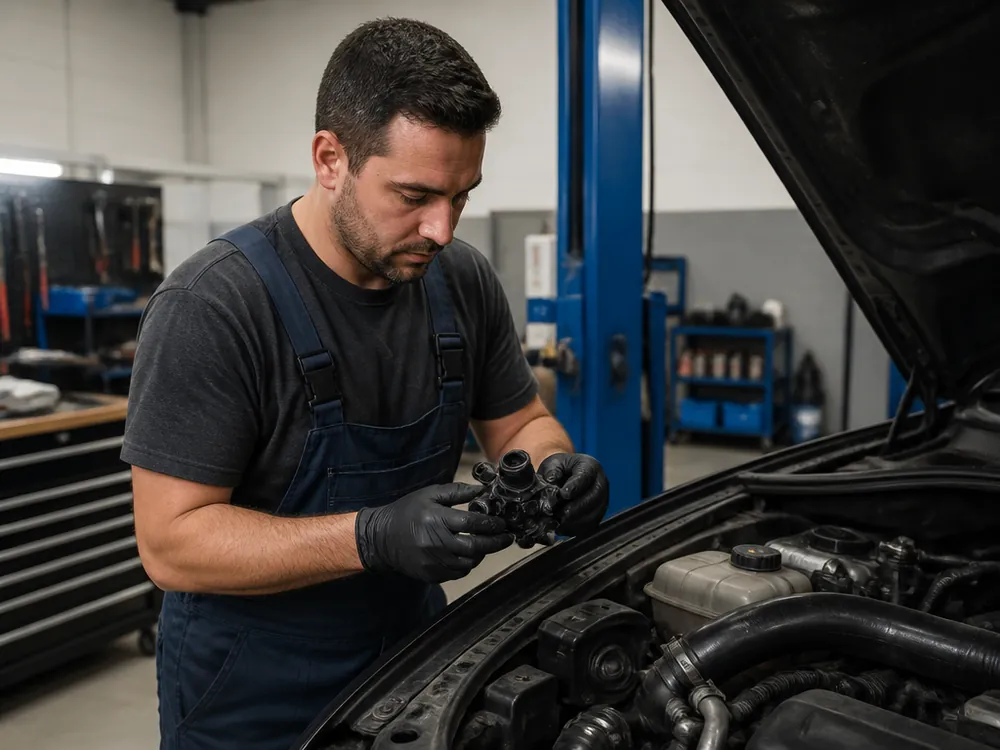
We flush the circuit and replace the thermostat. The client gets stable warm-up and correct system operation.
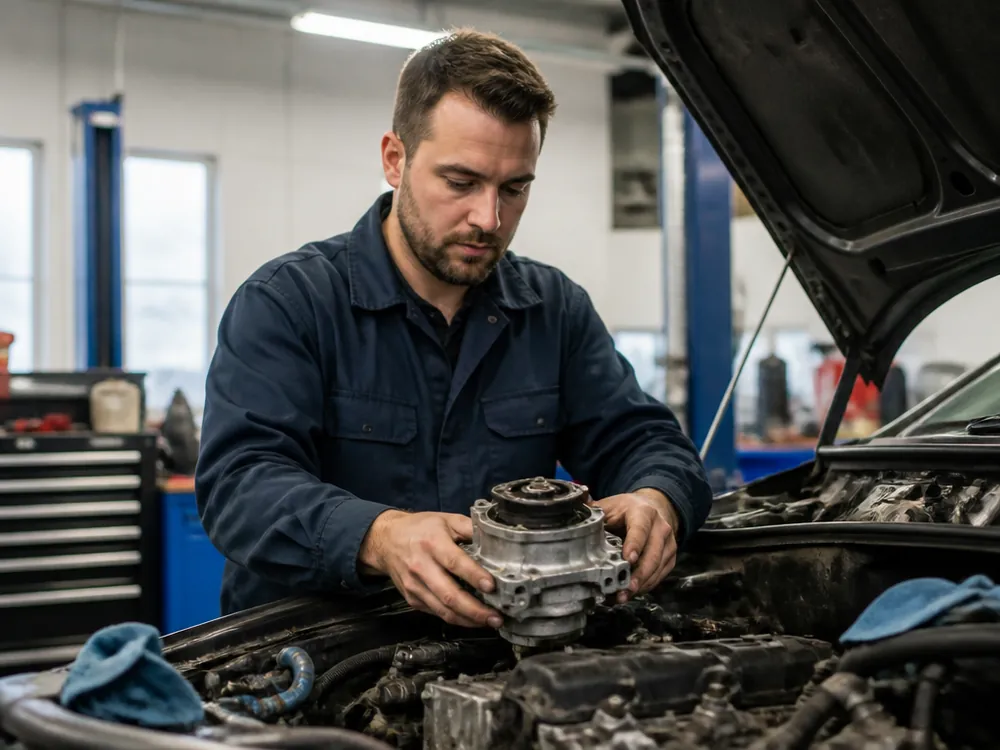
We flush the system and replace the water pump. Leaks and noise disappear, and coolant circulation is restored.
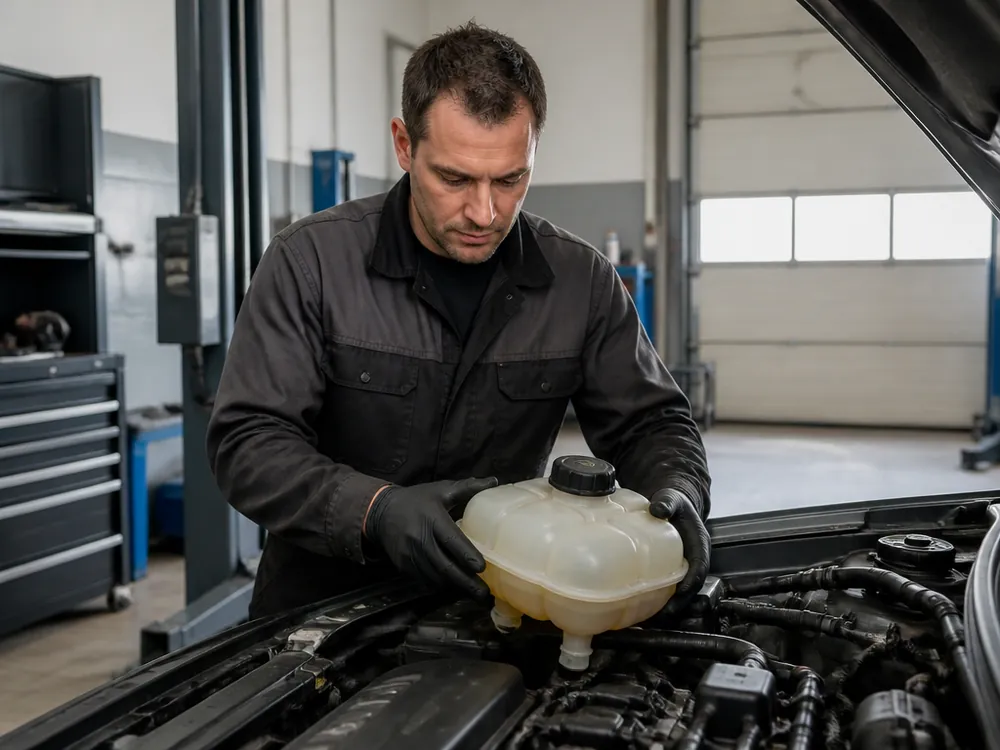
We flush the circuit, install a new expansion reservoir and cap. The leak stops, and pressure holds as it should.
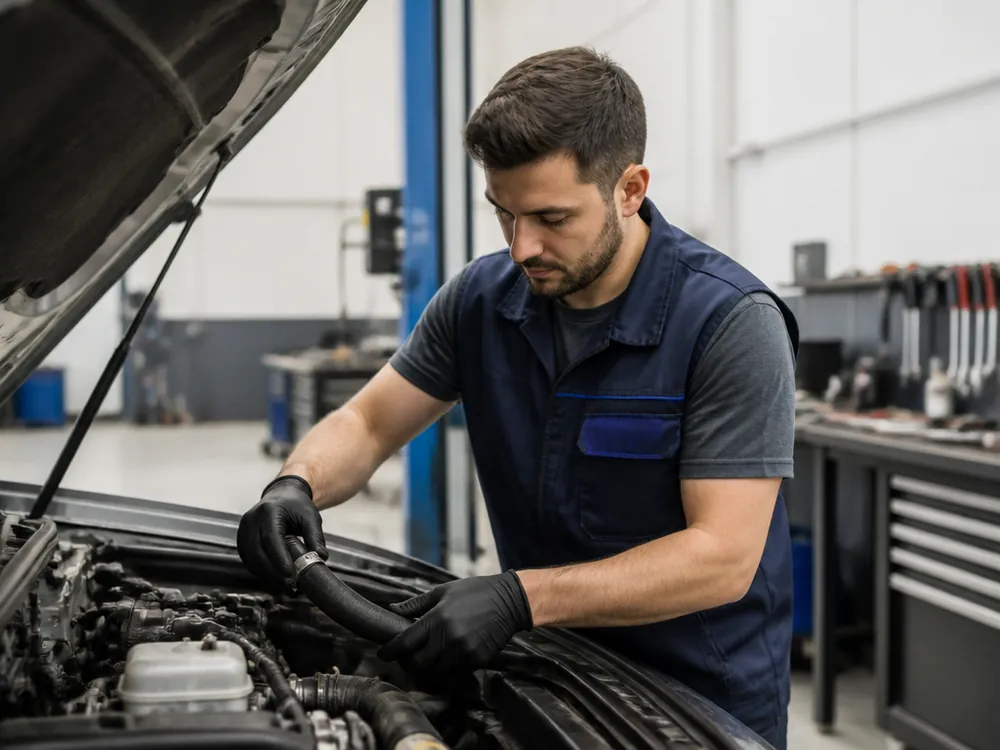
We flush the system and replace the set of hoses. We eliminate cracks and leaks — the circuit is sealed again.
Choose the parameters — we'll show a price and time estimate. We'll confirm the exact quote after diagnostics and send the result to WhatsApp.
Labor. Parts and materials depend on make and availability, OEM or aftermarket.
Calculation details go into the message · reply in 5 minutes
Full list of cooling system flush services: from express coolant replacement to complex cleaning with disassembly. Prices are in tenge.
| Service | Duration | Warranty | Price |
|---|---|---|---|
| Cooling system diagnostics (inspection, checking coolant level and condition) | 30 min | 12 mo | from 3,000 ₸ |
| Express flush with distilled water (without removing hoses) | 1 hour | 12 mo | from 5,000 ₸ |
| Coolant replacement with flush (base volume up to 8 L) | 1–2 hours | 12 mo | from 12,000 ₸ |
| Cooling system flush using a special chemical agent | 2–3 hours | 12 mo | from 15,000 ₸ |
| Heater radiator flush (without removal, with hose disconnection) | 2–3 hours | 12 mo | from 18,000 ₸ |
| Main radiator flush (removal, flush, installation) | 3–4 hours | 12 mo | from 25,000 ₸ |
| Cooling system flush with thermostat replacement | 2–3 hours | 12 mo | from 22,000 ₸ |
| Cooling system flush with water pump replacement | 3–5 hours | 12 mo | from 35,000 ₸ |
| Flush with expansion tank and cap replacement | 1–2 hours | 12 mo | from 15,000 ₸ |
| Cooling system flush with hose replacement (set) | 3–4 hours | 12 mo | from 20,000 ₸ |
| Cooling system flush on vehicles with engine displacement of 3.0 L and more | 3–5 hours | 12 mo | from 28,000 ₸ |
| Cooling system flush on commercial vehicles (vans, pickups) | 4–6 hours | 12 mo | from 30,000 ₸ |
| Cooling system flush with disassembly (removal of all hoses, flushing of all components) | from 1 day | 12 mo | from 40,000 ₸ |
| Complete flush with coolant replacement and radiator cleaning from scale and dirt | 4–5 hours | 12 mo | from 35,000 ₸ |
| Urgent cooling system flush (arrival within 2-3 hours) | 2–3 hours | 12 mo | from 20,000 ₸ |
| Mobile express cooling system flush (on-site visit, Almaty) | 1–2 hours | 12 mo | from 25,000 ₸ |
| Coolant replacement with flush and removal of air locks | 2–3 hours | 12 mo | from 18,000 ₸ |
| Cooling system flush with checking and, if necessary, replacing the radiator fan | 3–4 hours | 12 mo | from 20,000 ₸ |
| Cooling system flush with replacement of all clamps and fasteners | 2–3 hours | 12 mo | from 16,000 ₸ |
| Cooling system flush for hybrid vehicles (additional circuit, specifics) | 4–5 hours | 12 mo | from 45,000 ₸ |
All prices include labor, excluding the cost of coolant and consumables (chemicals, distillate, new clamps, hoses). The exact cost depends on the make, model, and condition of the vehicle. City limits on-site visit — from 5,000 ₸, individually. Warranty periods — see the page «Warranty»
Every promise — backed by a number or a document: work order, photos, removed parts.
warranty on labor — the term is stated in the work order.
We run the engine up to operating temperature, drain the chemicals, and repeat the cycle — this washes out all deposits, not just the top layer.
We flush with the engine running through the standard hoses. We don't touch the gasket or risk stripping bolt threads.
We pump the compound through the heater circuit separately — without this, the upper heater often remains cold.
If after flushing the temperature has not stabilized or a leak appears due to poor-quality compound — we will redo it for free.
We explain how we will flush your car's cooling system so it works like new.
You submit a request on the website or by phone, we find a convenient time and schedule you for the flush. The mechanic inspects the cooling system, checks the level and condition of the antifreeze, and the tightness of hoses and radiator.
request on WhatsApp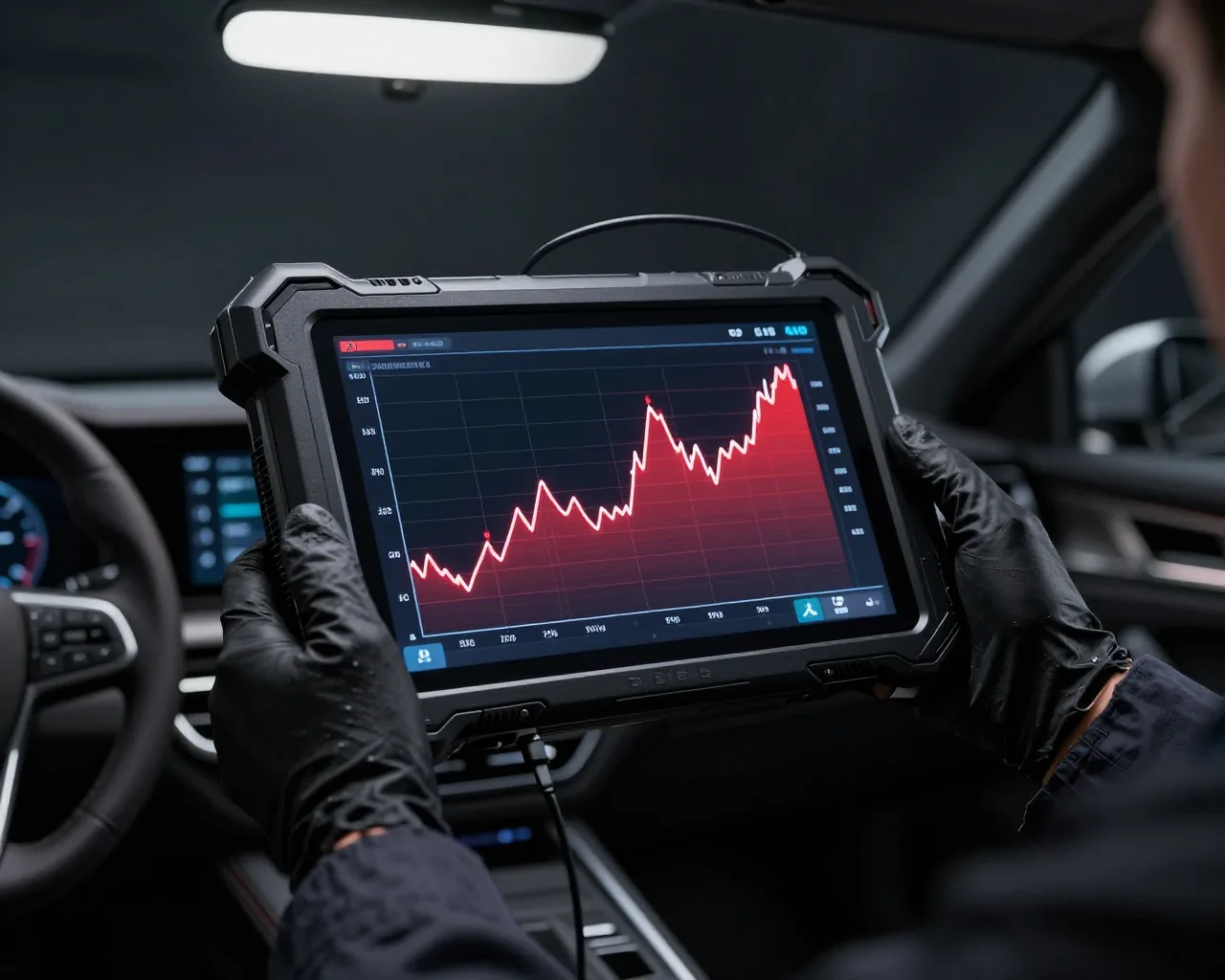
We drain the old fluid, assessing its condition: presence of rust, scale, or oil traces.
inspection and diagnosticsWe pour in the flushing compound and start the engine so it circulates through the system and dissolves deposits.
estimate before work starts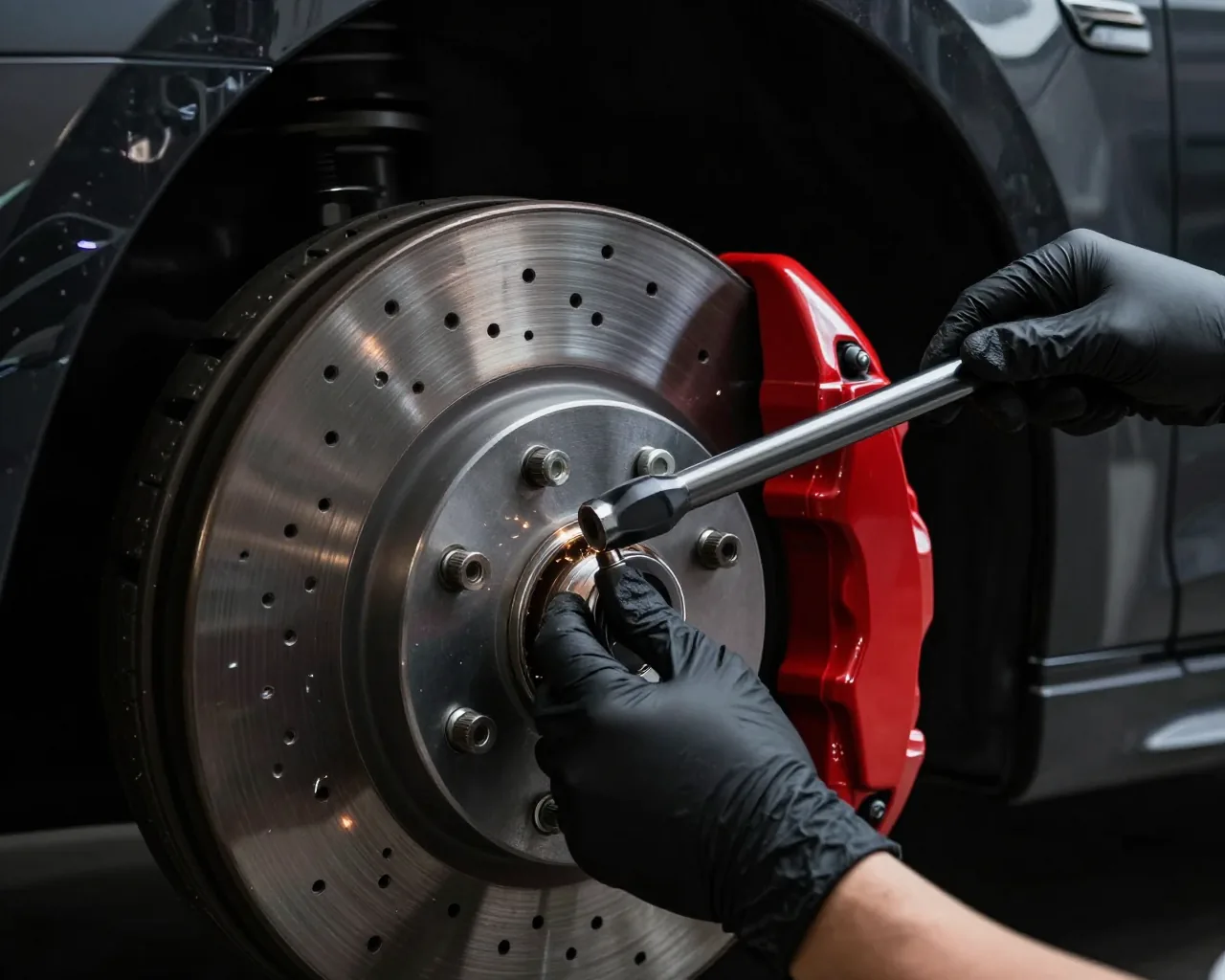
After the compound, we drain it and flush the system with clean water until it becomes clear.
work to factory procedureWe fill in new antifreeze selected according to your vehicle manufacturer's specification and check its level.
result check
We start the engine, check the operation of the thermostat and fan, and remove air locks from the system. We record the result in the work order, give operating recommendations, and hand you the keys.
warranty in the work orderWalk-ins welcome. By appointment — no queue.
CARGID car repair team. 8–17 years of experience.
Author
Mobile auto electrician
Car alarm and car stereo installer
Auto electrician

Roadside assistance technician

Diagnostic technician
Engine mechanic (cylinder head repair)

Auto electrician and diagnostician
Write to WhatsApp with the make, year and what's bothering you. We'll tell you the cause, a price estimate and pick a time for your visit.
 available daily 09:00–20:00
CARGID
Car service in Almaty. We reply on WhatsApp and by phone.
CARGID in Almaty flushes the engine cooling system in 5–7 cycles with warm-up to operating temperature, without removing the cylinder head, with a separate loop for the heater core. First diagnostics and a written estimate, then the work. A 12-month warranty is recorded in the work order, and there's a test drive before handover.
The cooling system clogs up gradually, and the first signs are easy to blame on the heat or on normal wear and tear. Here's what signals it's time to come in for service.
The coolant has turned brown, cloudy, or flaky, the heater only blows warm while driving, and the temperature climbs in traffic — these are the three main signs of scale and rust buildup in the system. Add to that a dropping level with no visible leaks, an oily film in the expansion tank, and a burnt smell from under the hood after a drive. Scale settles on the radiator walls in a thin layer, and heat transfer drops unnoticed: the needle stays normal while the car is moving at speed, but in Almaty traffic on the climb up to Kok-Tobe there's little margin left before overheating. Rust acts like an abrasive — it speeds up wear on the water pump and seals. If you put it off, the scale layer on the radiator walls reduces heat transfer — the engine runs hotter than it's supposed to, and in the heat the margin before overheating shrinks. An engine cooling system flush restores the radiator's heat transfer and extends the life of the water pump.
If red and green coolants have been mixed, the procedure removes the off-color and washes out the sediment from incompatible additives, while a cold heater at idle is solved by a separate heater core cleaning with a pump through its own loop. We recognize this case by the color of the fluid in the tank: a brown or blue-green tint instead of an even red is a sure sign that fluids on different bases have met. Flakes from the additive reaction clog the heater core first, so at idle the vents blow barely warm air, and at higher RPM the heater comes back to life. CARGID flushes the heater core with a pump through a separate loop without removing it from the car. Just topping off fresh coolant over the sediment means pushing the flakes further through the system; after service we fill with fluid to the manufacturer's specification so the problem doesn't come back.
A flush isn't a single procedure but several options for different system conditions. Here's how they differ and what tells the technician which one to choose.
| Option | When it's needed | What we do | Removing components |
|---|---|---|---|
| Express flush | preventive maintenance, fresh fluid | run-through with distilled water | no hose removal |
| Chemical flush | scale, rust, cloudy fluid | 5–7 cycles with warm-up | no cylinder head removal |
| Heater core flush | heater blows cold at idle | separate pump feed | hoses disconnected |
| Flush with disassembly | heavy buildup, neglected case | all hoses removed, components flushed | full loop disassembly |
A cooling system flush in Almaty at our shop always ends with filling fresh fluid to specification, and on 3.0 and larger engines and on hybrids the loop volume and an extra branch change both the number of cycles and the working time. On units of 3.0 L and up, more fluid goes in, so we run the chemical longer and drain more carefully — otherwise some of the reagent stays in the block. Hybrid cars have a separate cooling branch for the battery and inverter, and servicing the engine loop there follows a different scheme than on a regular car. In our practice, such cars come in with already mixed fluid, and it's not always possible to tell by color. You can't treat a hybrid like a regular car — the second loop needs its own approach, otherwise part of the system is left with used fluid.
The client's main fear is that the engine will be torn down during the flush and extra replacements pushed on them. Here's how the method without cylinder head removal works and when component replacement is actually needed.
We flush with the engine running through the stock hoses and don't touch the head gasket, so we don't risk stripping bolt threads or creating a reason for a leak. The chemical circulates through the loop under operating pressure, the engine warms up to operating temperature, and the buildup is washed out of the water jacket, radiator, and heater channels without opening anything up. We run 5–7 cycles: pour in the agent, wait for it to reach temperature, drain, and repeat — that way the whole layer comes out, not just the top. Separately, we run the solution through the heater loop with a pump, otherwise the upper heater core often stays cold. Disassembly isn't always needed, only with heavy buildup that the chemical can't handle; in other cases, extra intervention is an added risk, not a benefit.
It's important for the client to understand how long the car stays at the shop and what determines the labor involved. Here's a look at timing, booking, and the factors that affect how long it takes.
The procedure takes 1.5 to 3 hours depending on the option and the condition of the system. With an appointment we take the car in without a queue, and you don't need to leave it for the whole day. We start with cooling system diagnostics: we inspect the radiator, check the level and condition of the coolant, then the service advisor gives you the timeline and manages the work order through to handover. The express option with distilled water is the fastest, the chemical flush with 5–7 warm-up cycles takes longer, and a procedure that includes replacing the pump or thermostat adds time for disassembly and reassembly. A coolant change with a flush takes the same time as a regular procedure if no extra disassembly is needed. Book a morning slot — the car will be ready by lunchtime instead of staying overnight. The advisor gives you the exact timeline after diagnostics: a neglected system with heavy scale will need more cycles, and it's more honest to say so than to promise a fixed time upfront.
The scope of work depends on the procedure option, engine size, condition of the coolant, and whether any components need replacing — the thermostat, pump, hoses, or reservoir. The thicker the deposits and the longer the system ran on spent fluid, the more warm-up cycles it takes to wash it all out, not just the top layer. We flush the heater circuit separately with a pump — without that, the upper heater stays cold even after the general procedure. If the inspection shows cracks on the hoses or play in the pump, we replace them in the same visit so the system doesn't have to be taken apart twice. On a 3.0 engine and up and on commercial vehicles, the system holds more fluid and needs extra cycles, so the work takes longer than on a compact car.
A flush should give a verifiable result, not just the feeling that "new coolant was poured in." We show you the criteria that prove it helped and how the warranty works.
The cooling system flush comes with a 12-month warranty. The term and conditions are recorded in the work order and the completion certificate, and diagnostics for a warranty case are free. If the heater goes cold again after a while or the temperature climbs, call us and come in — the service advisor opens a work order, checks it against the record of the work, and tests the circuit on the stand. The warranty covers the work performed and our parts, but not an accident after the repair, interference by third parties, or a part the customer brought in. So discuss your own fluids and hoses before work begins: the advisor will tell you right away what's covered by the warranty and what stays your responsibility. That conversation before the procedure saves both sides a lot of grief.
Here's the key stuff to keep in mind before a cooling system flush: the signs that say don't put it off, how to choose the method, and how to confirm the result.
Price, timeframes, warranty, payment — 10 questions asked most often.
Message us on WhatsApp — a service advisor will reply within 5 minutes.
Ask a questionAt our service center CARGID, a basic cooling system flush with antifreeze replacement costs from 15,000 to 25,000 tenge. The exact figure depends on the make and model of the car, engine volume, condition of the system, and type of flushing fluids used. If separate removal and flushing of the radiator is required, or if there is severe contamination and deposits, the price may be higher due to additional work and materials. We provide the exact estimate after a free diagnostic.
On average, the procedure takes from 1.5 to 3 hours. This depends on the condition of the system and the flushing method. If a standard flush with water or a special compound is used, we usually finish in 1.5-2 hours. If multi-stage flushing is required to remove severe deposits or to remove the radiator, the time may increase. We state the exact time before starting work so you can plan your day.
Yes, we provide a 12-month or 10,000 km warranty on the cooling system flushing work performed, whichever comes first. The warranty covers the quality of the work performed: leak-tightness of connections, absence of leaks, and correct operation of the system after flushing. The main condition is the use of quality materials and adherence to operating recommendations.
An appointment is strongly recommended, as it allows us to plan the service load and avoid waiting. You can book by phone or through our website, choosing a convenient time. If you come without an appointment, we will try to accept you within 30-60 minutes, but there may be a queue during peak hours. By booking in advance, you are guaranteed to get to the technician at the appointed time.
Yes, you can use your own materials. However, we are responsible only for the work, not for the quality of the fluids provided. If you use unsuitable antifreeze or low-quality flushing fluid, it may negatively affect the cooling system. We recommend using proven compounds that we have, or agreeing with the technician on the compatibility of your materials. Exact prices are in the price list on this page.
After flushing, we perform a control engine start and check the system for leaks. If any problems related to our work arise during the warranty period (leaks, improper thermostat operation, overheating due to poor flushing), you can return to the service, and we will fix the defects free of charge. If the problem is related to other malfunctions or the use of low-quality materials, diagnostics will be performed and solutions will be offered.
Regular flushing is draining the old antifreeze and filling with distilled water, then warming up the engine and draining the water. Chemical flushing is using special cleaning compounds that dissolve scale and deposits, then flushing with water. Machine flushing is flushing the system with a special machine that creates circulation of the cleaning solution under pressure, which effectively removes contaminants from all channels. We offer all three options. Regular — from 15,000 tg, chemical — from 18,000 tg, machine — from 25,000 tg. The choice depends on the condition of the system and your budget.
After flushing, it is important to regularly check the antifreeze level in the expansion tank and monitor the engine temperature. We recommend checking the level after a week with a cold engine and topping up if necessary. It is also worth paying attention to the color and smell of the antifreeze — if it has changed or flakes appear, this is a reason to contact the service. In the future, follow the antifreeze replacement schedule specified by the manufacturer (usually every 2-3 years). This will prevent scale formation and extend the service life of the system.
Payment is accepted in cash, by bank card, and by transfer. For cooling system flushing, the invoice is generated after inspection: it includes labor and flushing fluid. The final amount depends on the system volume and degree of contamination, so it is stated before starting work.
If flushing is ignored, deposits, scale, and corrosion products accumulate in the system. This leads to deterioration of heat exchange and engine overheating, especially in summer heat. Over time, radiator and cooling jacket channels become clogged, which can cause serious breakdowns — head gasket failure, cracks in the cylinder block. Repairing such problems costs many times more than timely flushing and antifreeze replacement. The recommended interval is every 2 years or 40,000 km, as well as when replacing antifreeze or after system repair.
We collect ratings on the website and on maps — we hide nothing.
872 reviews on the website
1 900+ ratings in total
I came in with a Toyota Camry 2015, the heater was barely warm. The technician immediately determined that the system was clogged. They flushed it and replaced the antifreeze. Result: 18,500 tenge and half a day. Now the heater is blasting heat, the engine doesn't overheat. Thanks for the work!
BMW X3 started overheating in traffic. I came in, and it turned out the system had oil deposits. They flushed it and installed a new thermostat. It took two days, cost 32,000 tenge. The problem is gone, the engine runs smoothly. I recommend them.
Kia Sportage 2016, cold air was blowing from the heater. It turned out the heater core was clogged. At CARGID they flushed the system and replaced the radiator and hoses. All for 45,000 tenge and two days. Now the heater warms perfectly. Great job, guys!
Responsible guys, they did everything quickly and with quality. Toyota Land Cruiser 2014 was overheating on inclines, it turned out the radiator was clogged. They flushed it, replaced the thermostat, and filled the antifreeze. Fixed in 1 day for 28,500 tenge. I recommend them.
I came in with an error on the dashboard of my VW Tiguan. It turned out the water pump had failed and there were metal shavings in the antifreeze. They flushed the entire system, replaced the pump and antifreeze. It cost 52,000 tenge, which is reasonable. The car runs quieter now. Thanks for being honest!
My husband recommended this service. I came in with a Qashqai 2017, the heating was weak. The technicians immediately found scale in the system. They flushed it, replaced the pump and antifreeze. The service took a day, I paid 43,000 tenge. Excellent result!
I complained that the car was overheating on the highway. I came to the service, and it turned out the antifreeze was old and the system was dirty. They flushed it and replaced the antifreeze on a Toyota Camry. All in half a day and 17,000 tenge. Now everything is fine.
On my Focus 2018, the heater stopped working. At the service, they determined that the cooling system was clogged. They flushed it and replaced the antifreeze in 1 day, 17,500 tenge. The heater is warming again. I recommend them, the technicians know their stuff.
I came in with a Lada Vesta, noticed antifreeze leaks. At the service, they checked, found a crack in the hose, and flushed the system. Everything was done in a day, 19,000 tenge. The service is neat, the staff is polite. I no longer worry about the engine.
Tap the heart if the review helped.
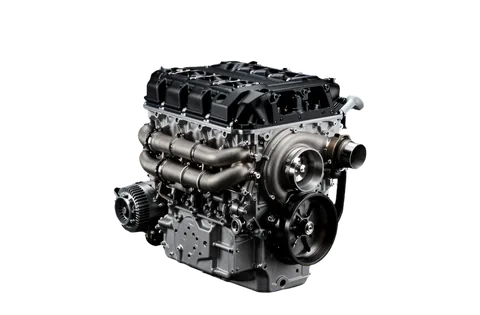
The engine is the most expensive component of a car, and its failure always involves serious expenses.
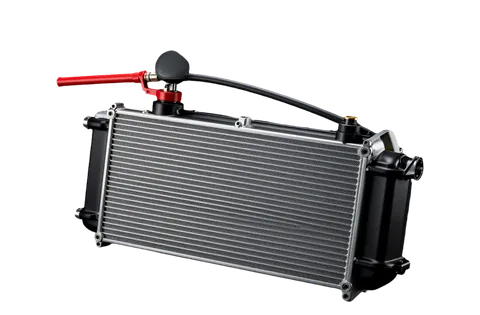
The cooling system is a critical component that directly affects engine lifespan.
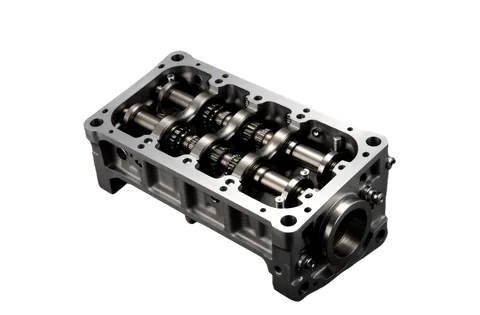
The cylinder head (CH) is the upper part of the engine that covers the cylinders and is responsible for the operation of the gas distribution mechanism.
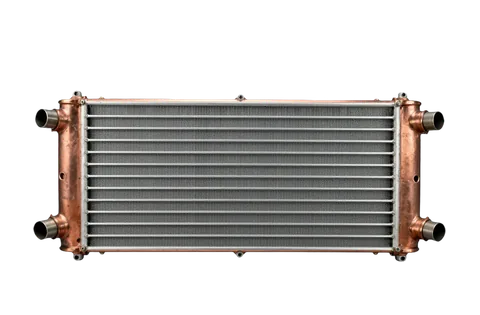
The heater core (heater radiator) is a small heat exchanger installed in the engine cooling system.
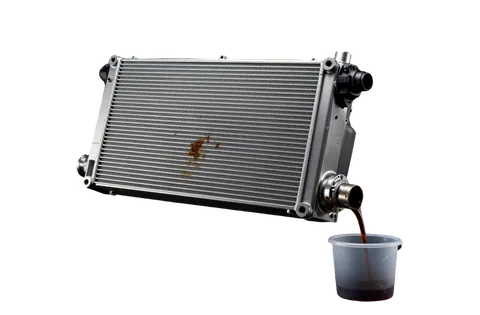
Radiator flushing is the procedure of removing scale, rust, oily deposits, and antifreeze degradation products from the internal coolant channels.
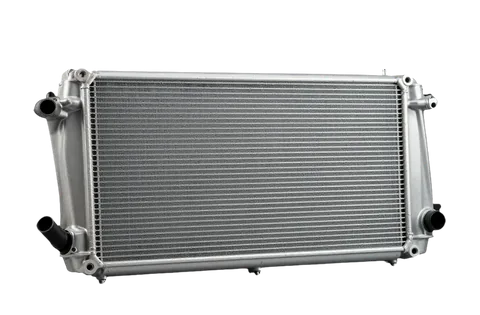
The radiator is a key element of the engine cooling system.
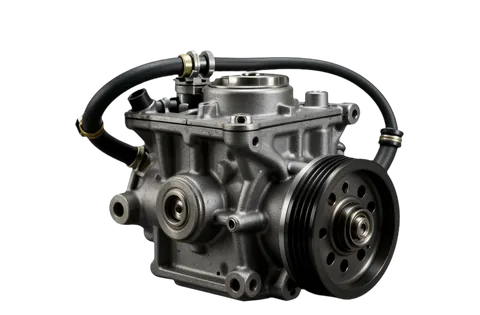
The engine cooling system is a set of components that maintain the engine's operating temperature in the range of 90–110 degrees.
Almaty. daily 09:00–20:00. By appointment — no queue.
Choose a platform — your review will be seen by everyone looking for a car service in Almaty. Mention the work order number in the text.
