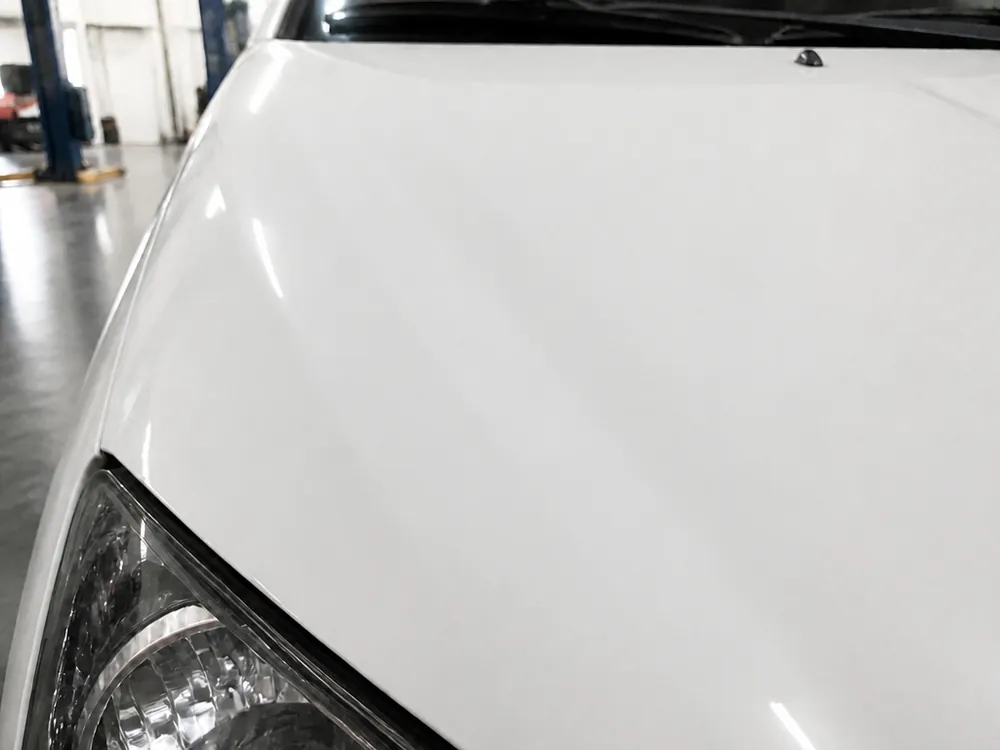
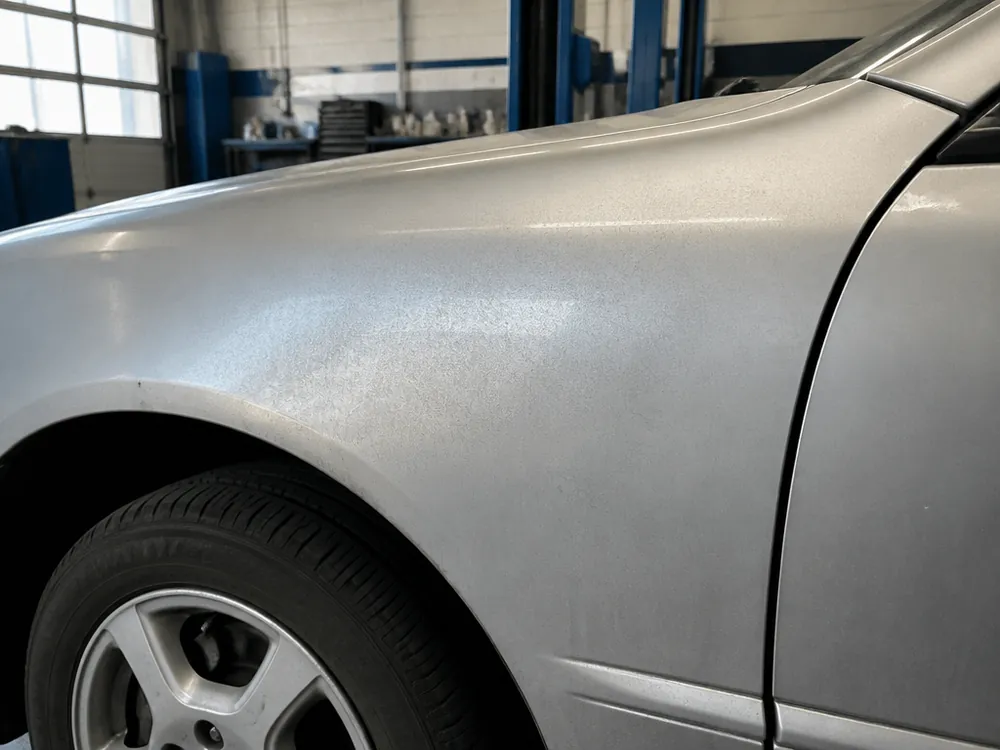
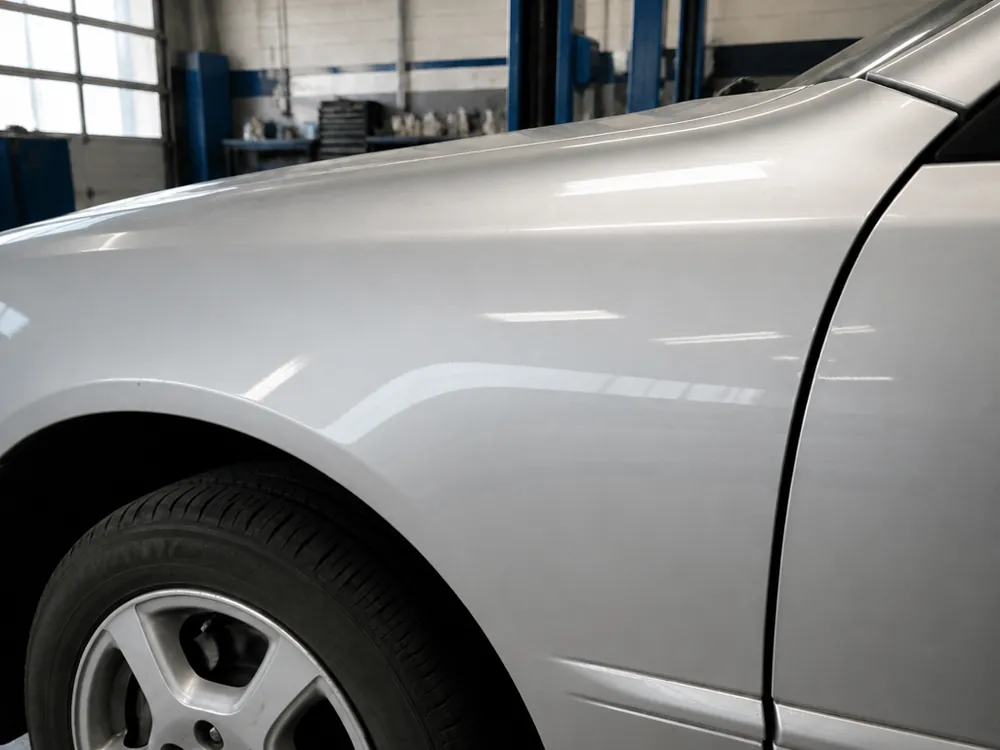
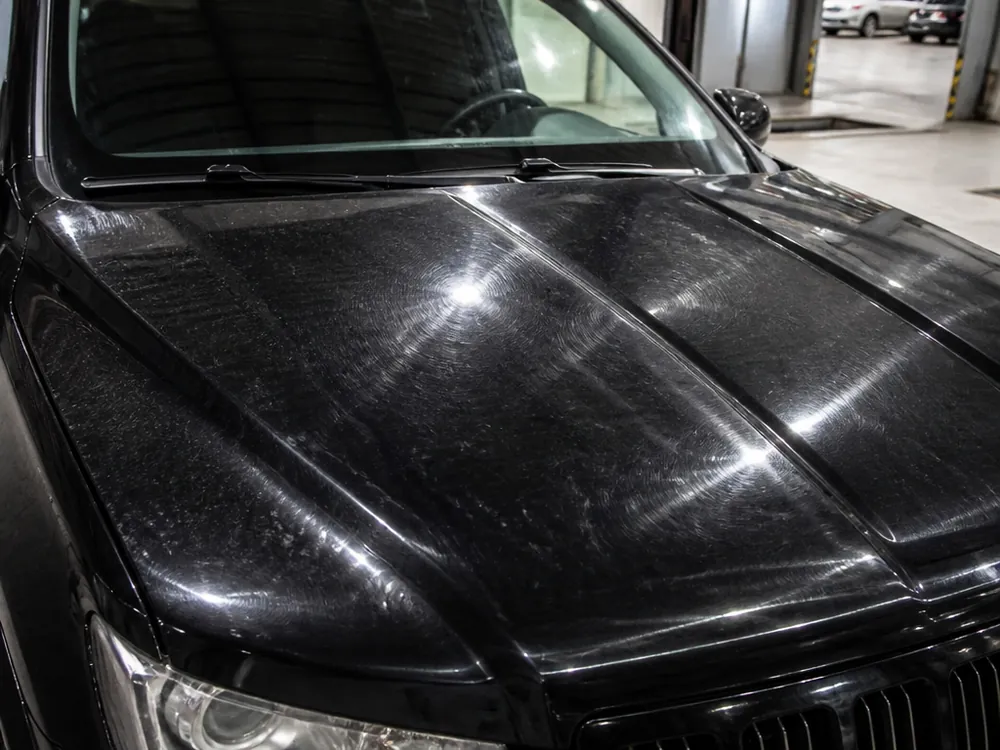
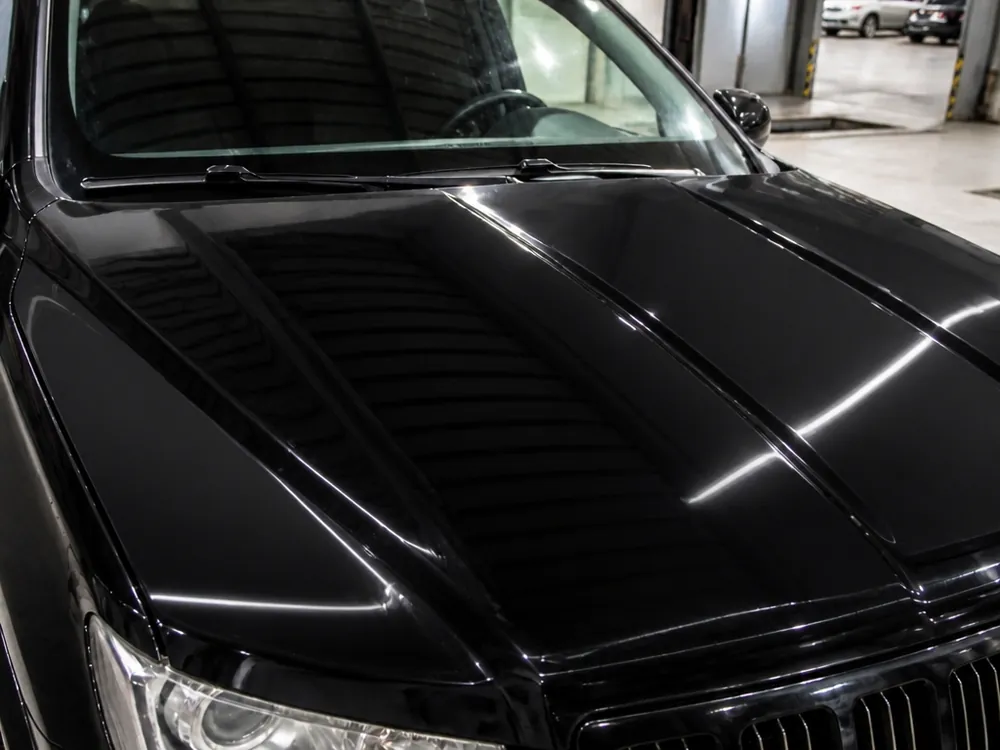
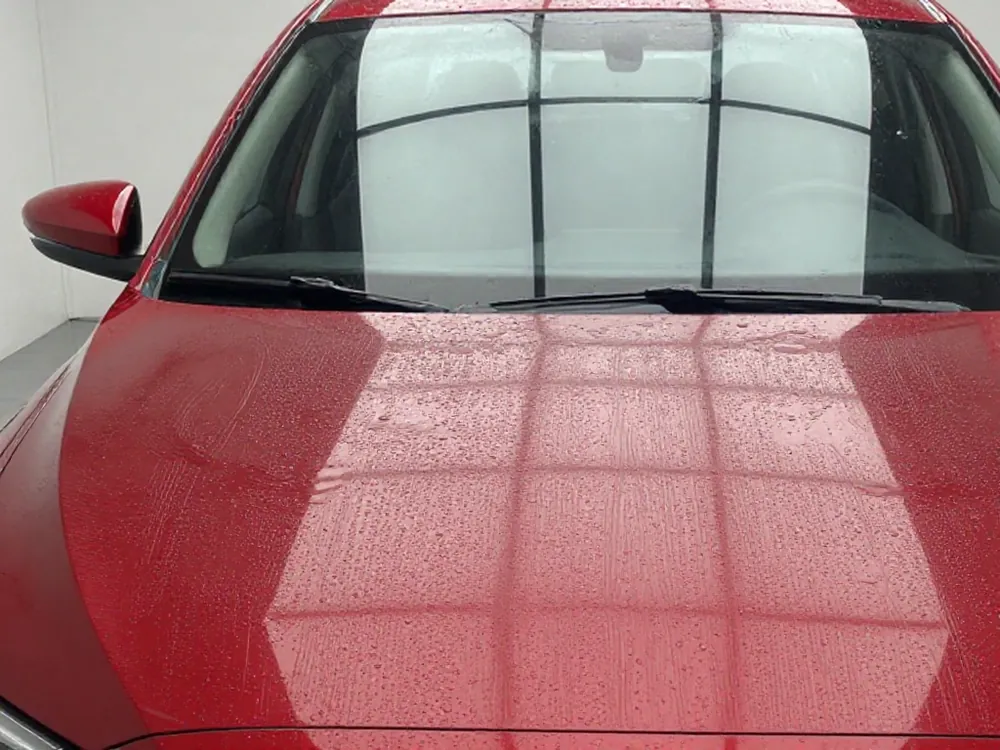
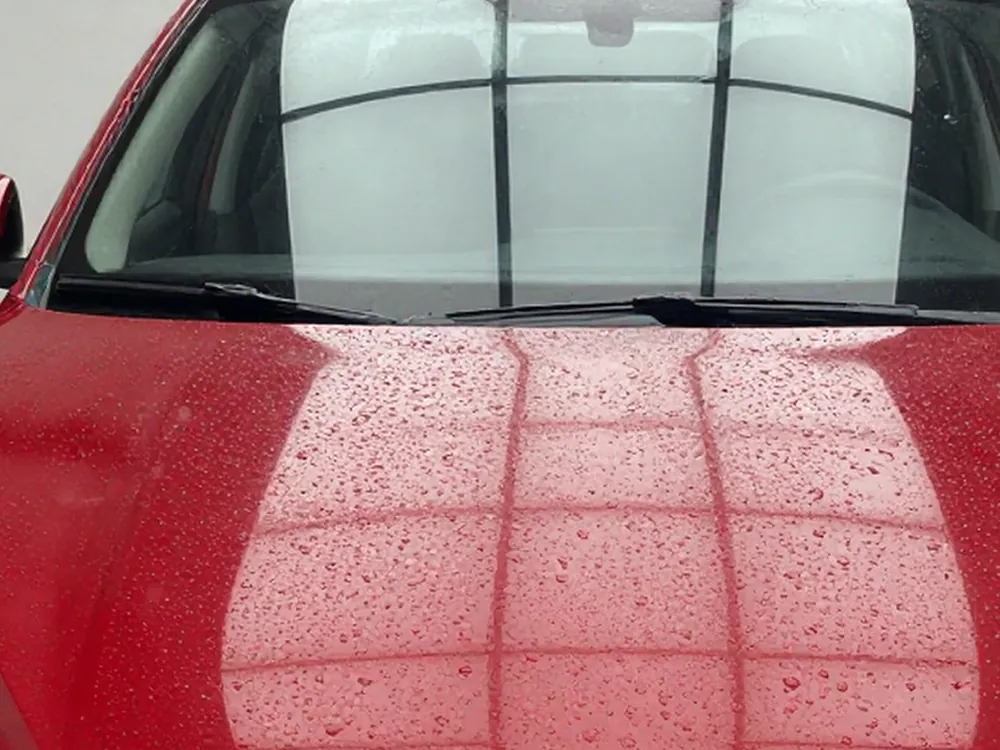
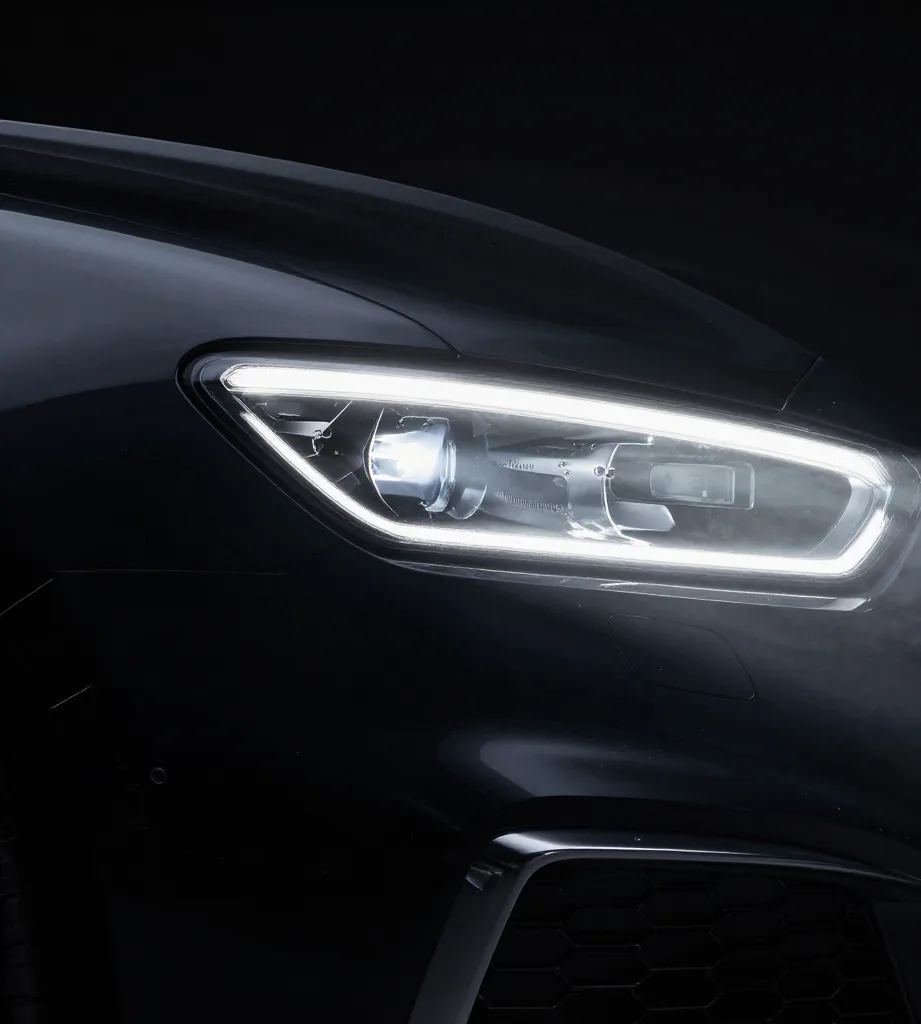
In summer, the body is exposed to sun and sand from the roads; in winter, reagents add to it. We explain which compound solves which problem and how ceramic differs from liquid glass and film.
Does ceramic protect against scratches and chips
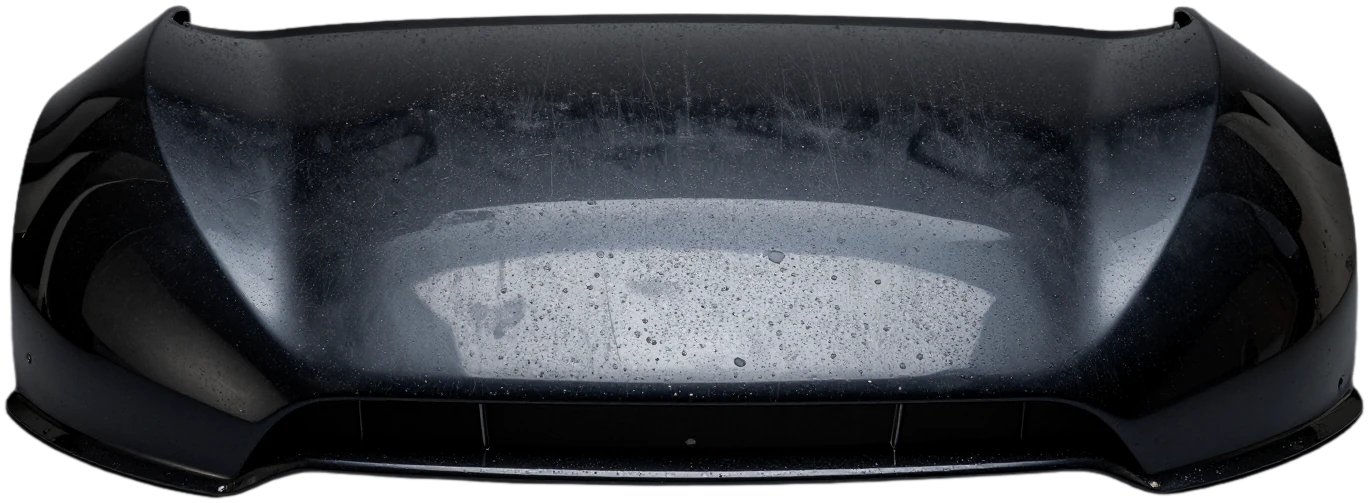
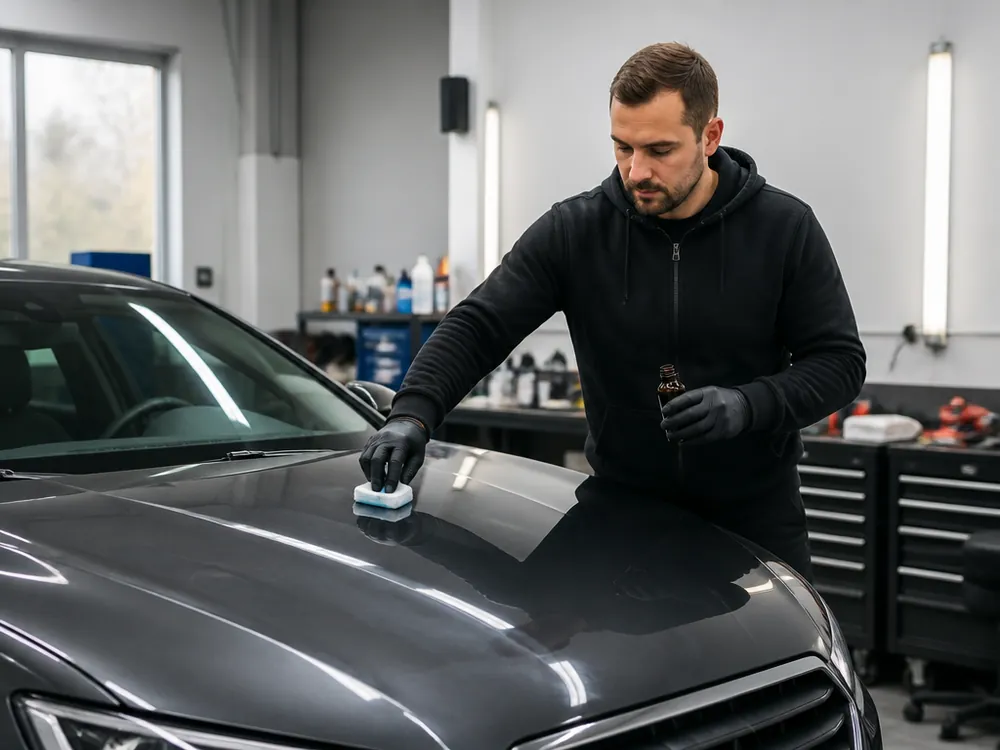
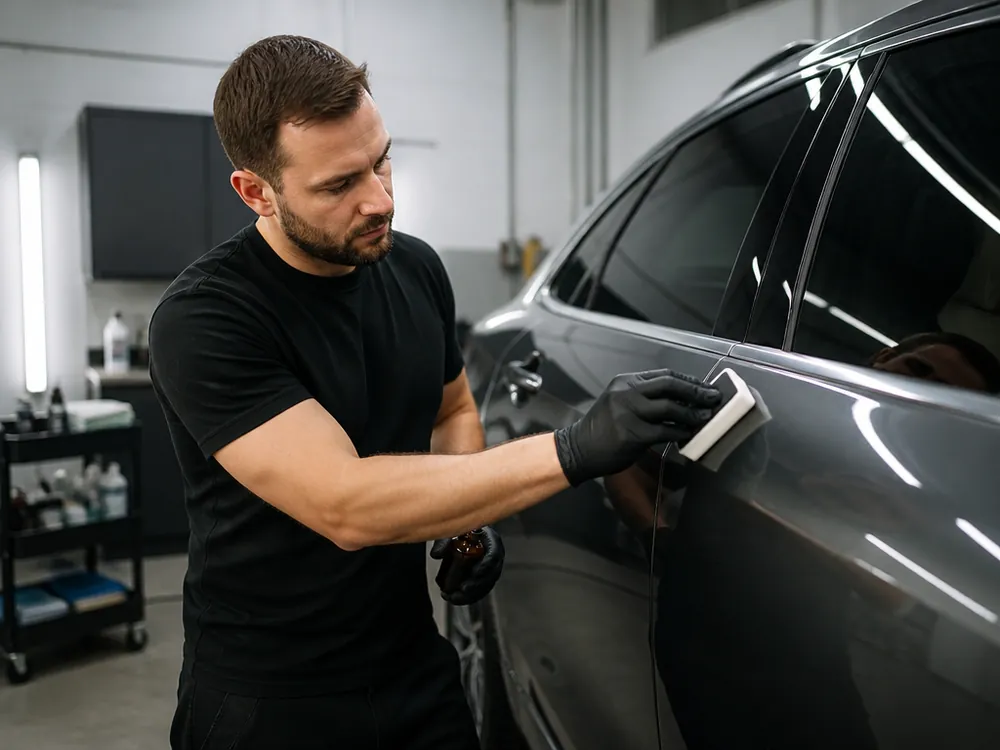
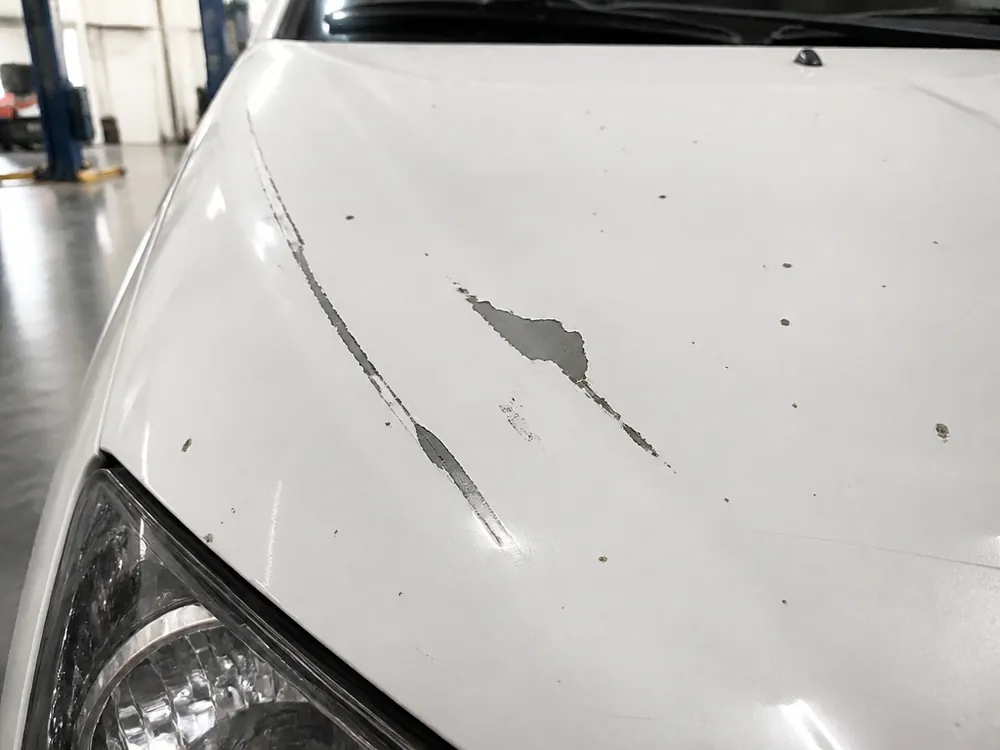
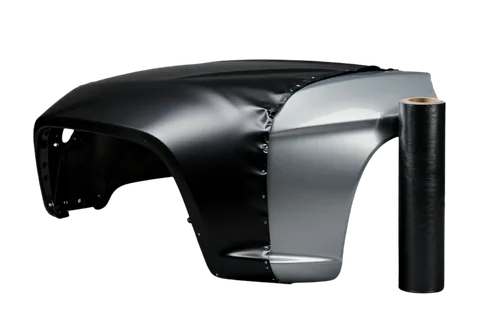
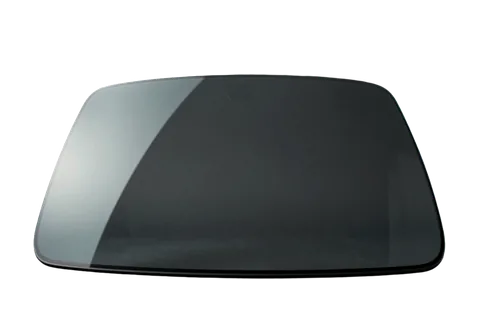
Ceramic in 3 layers protects against dirt, reagents, bird droppings and minor wash marks, but only film saves from stones and deep scratches. We apply the compound layer by layer with interlayer drying by IR lamp: three layers give a thickness of 4–6 µm, and the coating lasts 2 years. We separately treat wheels and glass with a hydrophobic agent with a contact angle of 110° — water rolls off already at 60 km/h, and wipers work less often. If a stone has already left a chip down to metal, we first assess the depth and prime if necessary — otherwise moisture will get under the layer and the compound will peel off in a spot. In our practice, an unevenly applied layer becomes cloudy faster than a thin but even one, so evenness matters more than thickness in microns.
How protective coating is applied from paint prep to drying
We show the stages in order — from paint diagnostics and polishing to three layers with interlayer drying, so you can see what makes the compound last and where the risk of rework arises.
Why polish before coating and how not to overheat the clear coat
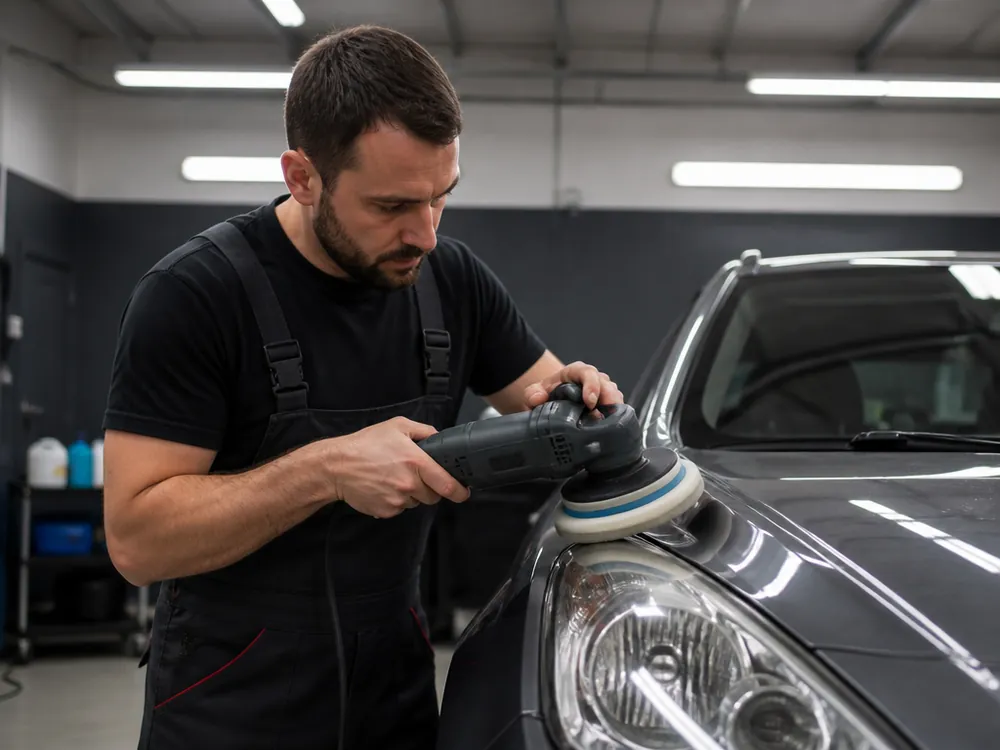
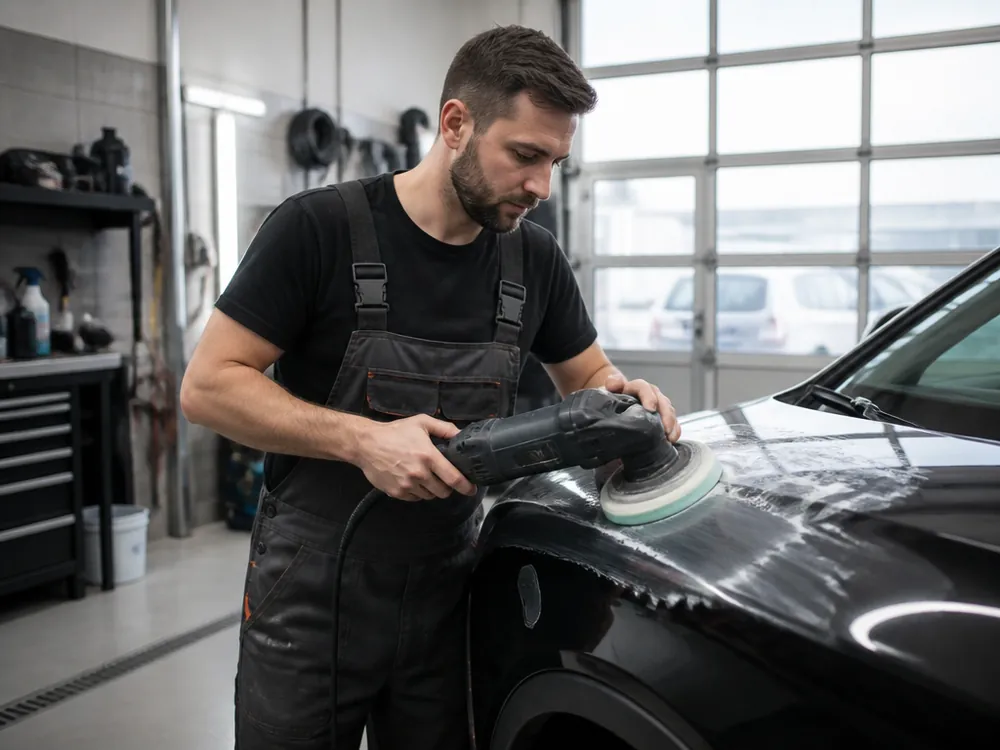
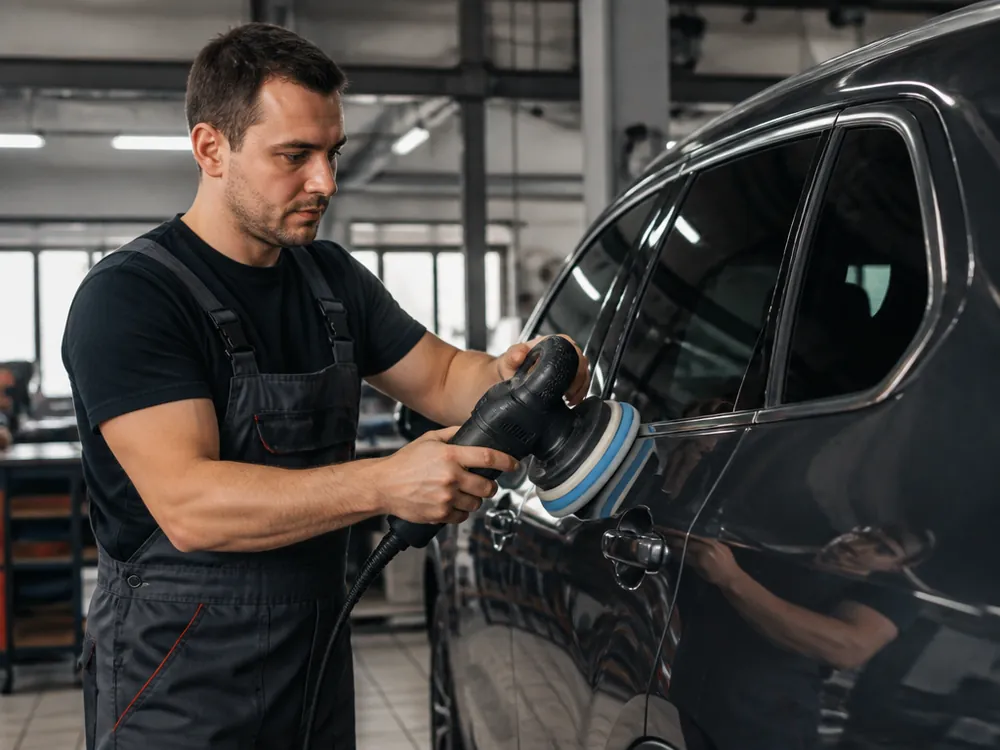
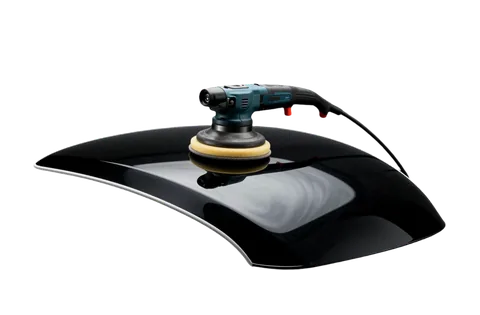
We polish with a machine at 1200–1500 rpm with temperature control: we remove marks but don't burn the clear coat or rub through edges. First, washing and degreasing, then measuring with a thickness gauge over the entire body — the spread on different panels can be noticeable, and it shows where previous repairs were and where the clear coat is thin. Then we work with polishing pastes of different abrasiveness: we remove large marks with medium, finish with soft, and go over edges and moldings by hand to avoid cutting through the clear coat on the edge. We apply the protective compound only to a clean surface in a dust-free booth. The coating only fixes what's underneath — if applied to an unpolished body, micro-scratches and smears will remain under the ceramic layer for the entire service life.
How many layers and why interlayer drying with IR lamp
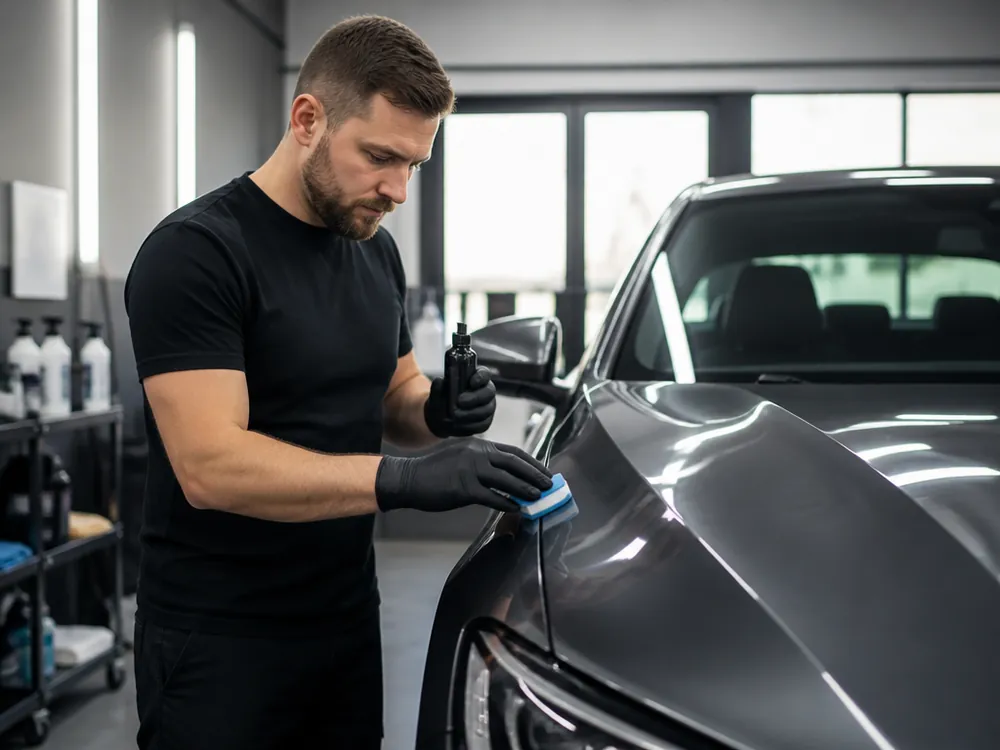
We apply ceramic in 3 layers with interlayer drying by IR lamp — three layers give a thickness of 4–6 µm, and the protection lasts 2 years. We do each pass in a clean booth, distribute the compound with an applicator over the panel rather than rubbing it into the clear coat — this way the thickness lays more evenly and without runs at the joints. The IR lamp dries the layer at a controlled temperature, after which we apply the next pass and go over with the lamp again. We dry each layer separately because an under-dried layer floats under the next one and leaves cloudy spots. That's why the car is picked up after full polymerization, not immediately after application — if picked up earlier, the compound won't reach hardness and will survive the first wash worse.
Can coating be applied over chips and scratches
We apply only to a prepared body: we remove minor scratches by polishing, and chips down to metal are first primed and touched up, otherwise moisture will remain under the coating. We assess the paint before work: the service advisor walks around the car with a lamp and thickness gauge, notes chips, scuffs and traces of previous painting, then shows the scope in photos. If there are many chips down to metal, the part goes to the paint booth — local touch-up, without full repainting of the panel, and after the paint dries, the surface is polished again. In our practice, clients often ask to cover with ceramic as is — but a chip down to metal under the layer begins to corrode from the inside, and after a season the defect shows through the coating, so it's cheaper to fix such spots right away than to later remove the compound and repaint the panel.
How long car protective coating lasts and how to care for it
We break down the real service life by coating type and the care regimen that determines whether the compound reaches its stated resource instead of wearing off in a couple of months.
How long ceramic and liquid glass last on the body
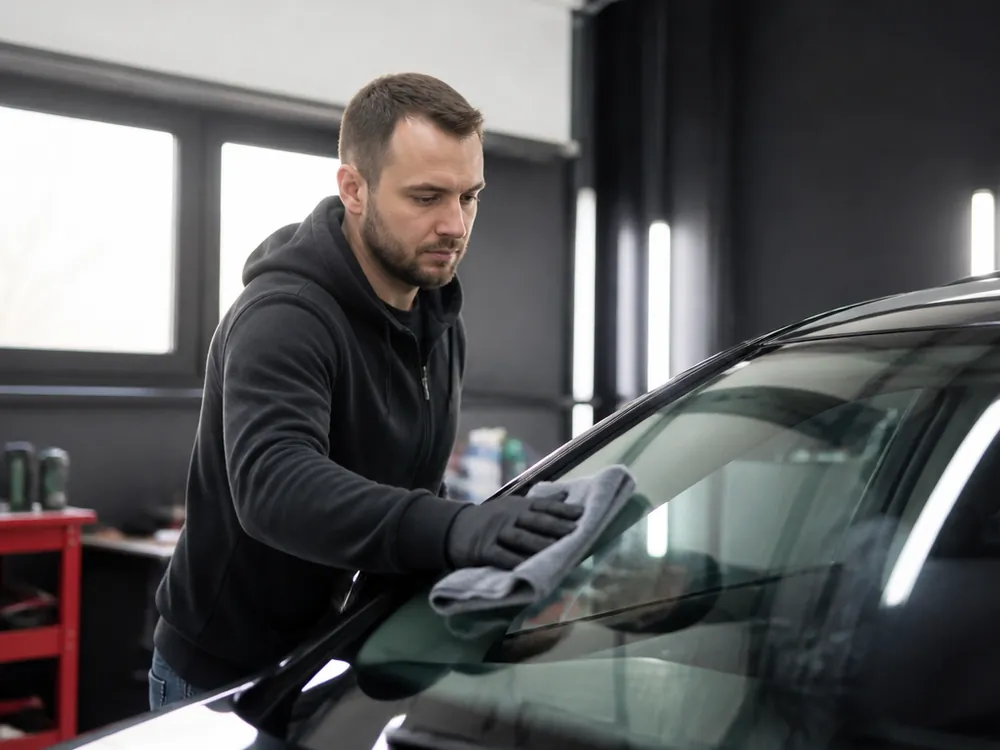
We apply ceramic in 3 layers with infrared lamp drying between coats — the thickness is 4–6 microns, and the protection lasts 2 years. The hydrophobic coating on glass with a 110° contact angle works for about 6 months, while liquid glass treatment on the body lasts roughly a season until the first deep wash with abrasives. The compound finishes curing within the first day: during this time the body gains hardness, not just shine. In direct sun and without care, the service interval gets shorter — active washing and road chemicals wear away the hydrophobic film faster than the polymer itself. Another factor is the quality of preparation: on polished paintwork without streaks or residue of old product, the coating goes on more evenly and lasts longer than on a surface with ingrained dirt. It's easy to tell when it's time to refresh: water no longer beads up and rolls off — that means the barrier has worn away, even if the gloss is still there.
Care in the first days and why coating deteriorates
- First 48 hours: don't wash it, don't wipe it, don't park under dripping trees — the coating is still curing and is easy to damage.
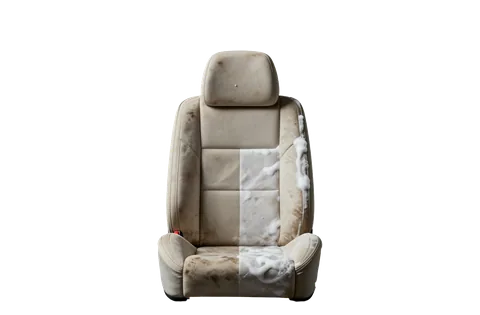
- Washing: pH-neutral shampoo only, no abrasive sponges or stiff brushes on the body — otherwise you get micro-scratches and dull spots.
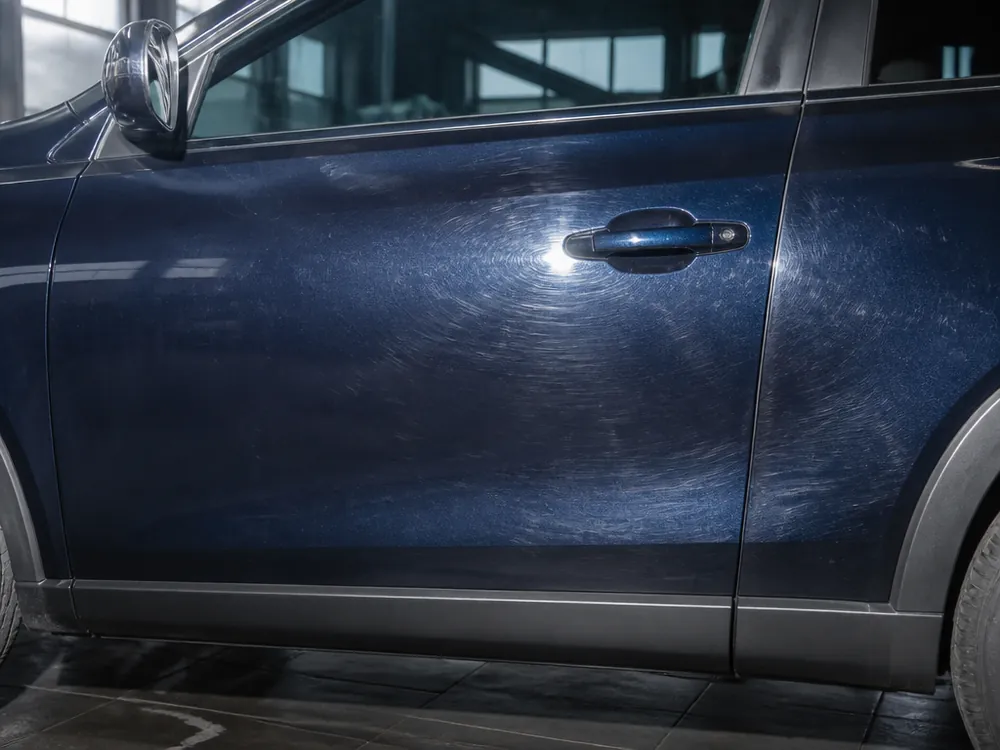
- Car washes: contact brushes strip the hydrophobic layer early and leave a web of scratches, especially visible on dark colors.
- Spray care: apply once every 2–3 washes — it maintains the hydrophobic barrier between visits and noticeably extends the life of the coating.
- Winter: refresh the protection before the road chemicals hit, and after — rinse salt off the body and wheel arches, otherwise the crystals eat through the gloss.
What the 24-month warranty covers
The two-year term isn't a general promise — it's specific items in the paperwork. Here's what we put in writing when you pick up the car, which cases we treat as warranty, and why we don't issue a guarantee on customer-supplied product.
What the warranty covers and how we document it
The warranty on the protective coating is 24 months, and we record the term and conditions in the work order and the completion certificate when you pick up the car. The paperwork is prepared by the service advisor, who also handles the order through final handover, so the wording matches what was actually done to the body. The guarantee covers the work performed and the materials we install: clouding of the layer, peeling, and loss of hydrophobic properties due to our fault are fixed free of charge, and diagnostics for such a case isn't billed either. We apply the ceramic in three layers with interlayer drying under an infrared lamp — a thickness of 4–6 µm holds for two years, and that's exactly the term written into the documents. In my view, the value here isn't in the number itself, but in the fact that in a dispute you don't have to rely on memory for which product was applied and when.
What the warranty doesn't cover and what to do about a defect
The protection doesn't extend to accidents after the repair, third-party interference, normal wear of consumables, or a part the customer brought in. If you bring your own ceramic, we'll apply it using the same process with the same interlayer drying, but we're not responsible for how someone else's product behaves — no document is issued for work with customer-supplied material, and we state that directly in the work order. For a defect, the process is simple: you come in, the technician inspects the area under a lamp, checks it against the photo report of the key stages, and records the cause. Then we either redo the section or explain what caused the damage — mechanical impact or chemicals from a car wash. In our experience, most coating complaints are resolved at the first inspection without redoing anything. Bring the car in for an inspection on a weekday morning — the technician is less busy and goes through the case in more detail.
Who needs protective coating and when, and how to book
Coating isn't justified for everyone or every situation: we break down the scenarios that determine the scope of work and show how vehicle intake works — from booking to the test drive before handover.
When you need the coating and what determines the scope of work
Protective coating on the body makes sense on a new car right after purchase, ahead of winter with its road chemicals, and on a body that's already been polished — the scope of work depends on the condition of the paintwork, the size of the body, and the number of zones treated. Fresh, defect-free clear coat takes the product evenly, so three-layer ceramic goes on in a single visit. Prepping for the cold in Almaty is a separate scenario: road chemicals and sandy grit from the roads hit the sills, hood, and mirrors, and the hydrophobic layer on the glass with a 110° contact angle sheds dirt faster than stock wipers. On a car with worn clear coat, we first count hours of polishing, not layers of ceramic — that determines how long the car stays in the shop. In my view, it's not worth skimping on measuring paint thickness: without it, the technician can't tell you where the clear coat is thin.
How intake works and booking without a wait
We work by appointment — no waiting in line: the service advisor takes in the car, handles the work order through handover, we make a photo report of the key stages, and finish with a test drive. First comes diagnostics and a written estimate, and we start application only after the customer agrees — just like with any repair in our shop. The appointment isn't a formality: ceramic needs a clean bay for the entire time the layers are drying, so we slot the car into a specific window rather than taking it in first-come, first-served. We polish with a machine at 1200–1500 rpm with temperature control — we remove the risk without burning the clear coat or wearing through the edges. The warranty on the work is 24 months, and we record the term and conditions in the work order and the certificate at handover. In our experience, it's easier to book a window for protective coating on your car in Almaty in advance — drying bays get reserved for a specific day.
Choosing and caring for protective coating
We've pulled into one picture what determines the result: the type of protection, the quality of preparation, and the warranty terms. Below is a short summary to help you decide.
- Choosing the method: 3-layer ceramic holds for 2 years, liquid glass — a season, hydrophobic glass coating — about 6 months.
- Preparation is what counts: polishing with temperature control and degreasing matter more than the number of layers — on unprepared clear coat the product peels.
- Chips down to metal: primer and touch-up paint first, otherwise moisture gets under the film and causes corrosion.
- Care: no washing for the first 48 hours, then pH-neutral shampoo and spray care extend the life.
- Warranty: 24 months on the work is recorded in the work order, but doesn't cover accidents, third-party interference, or customer-supplied material.