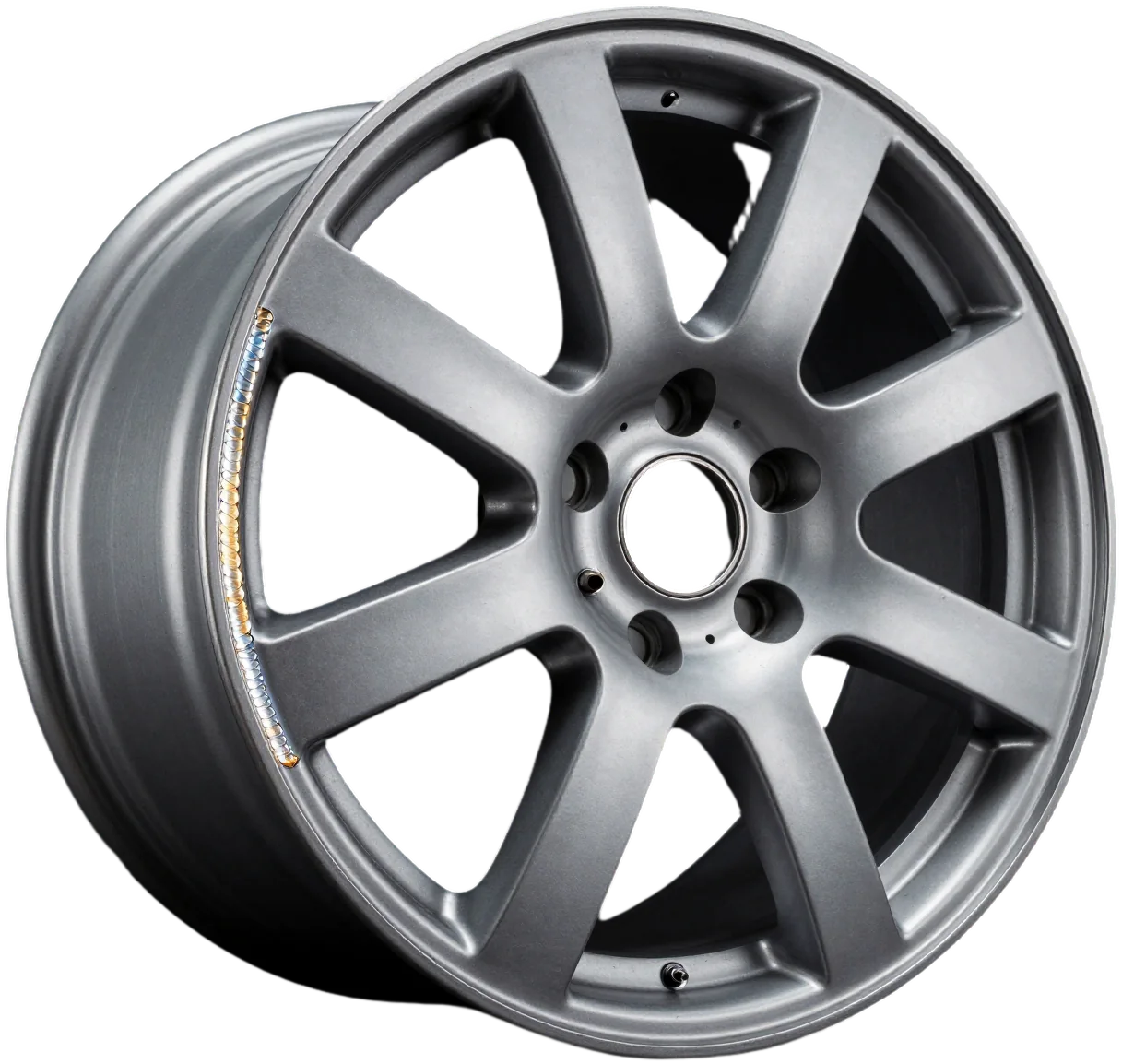
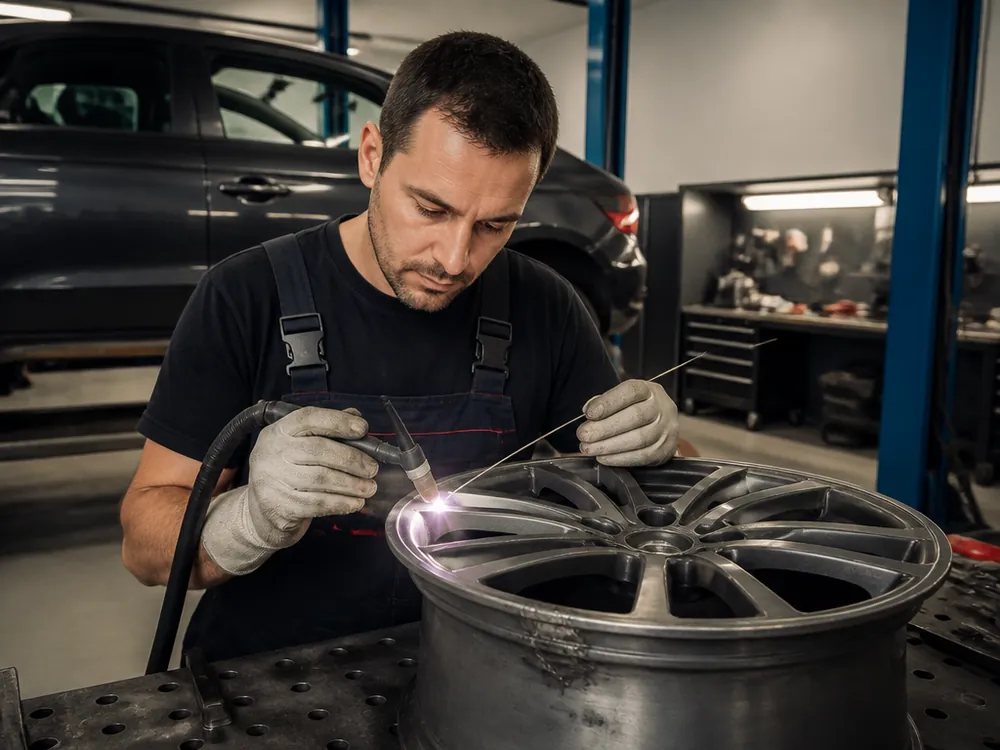
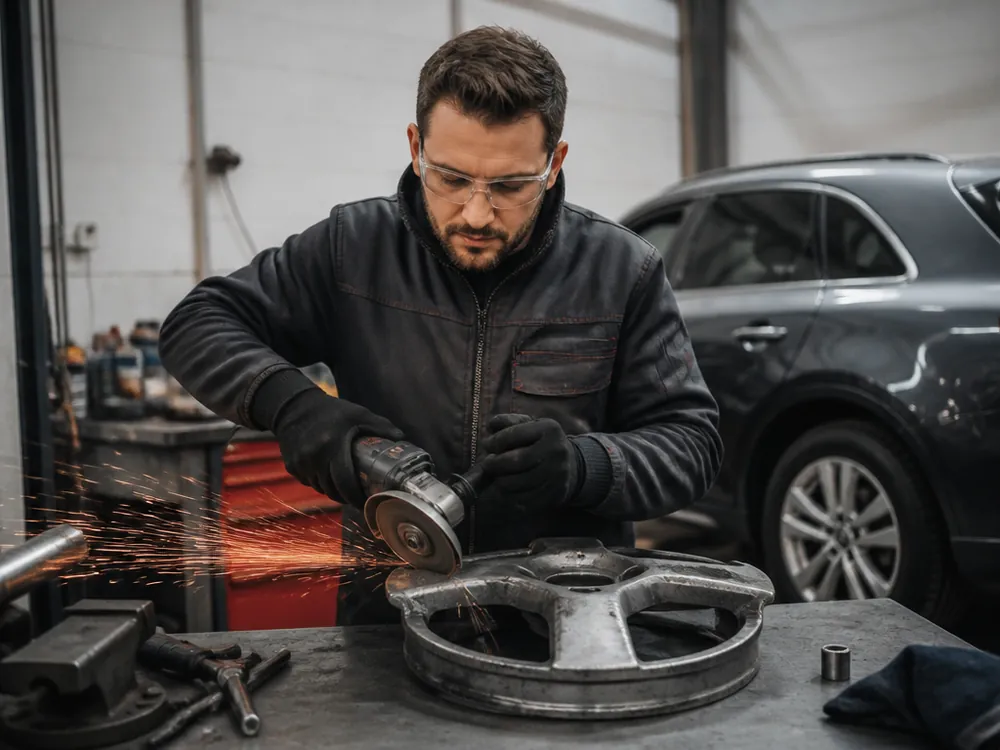
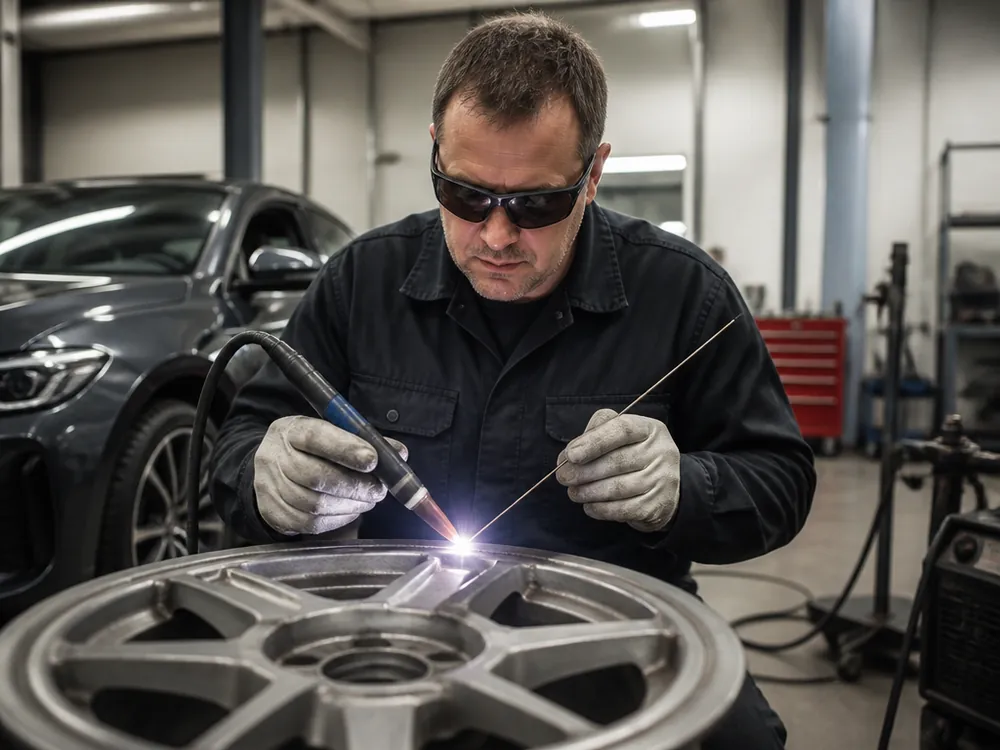
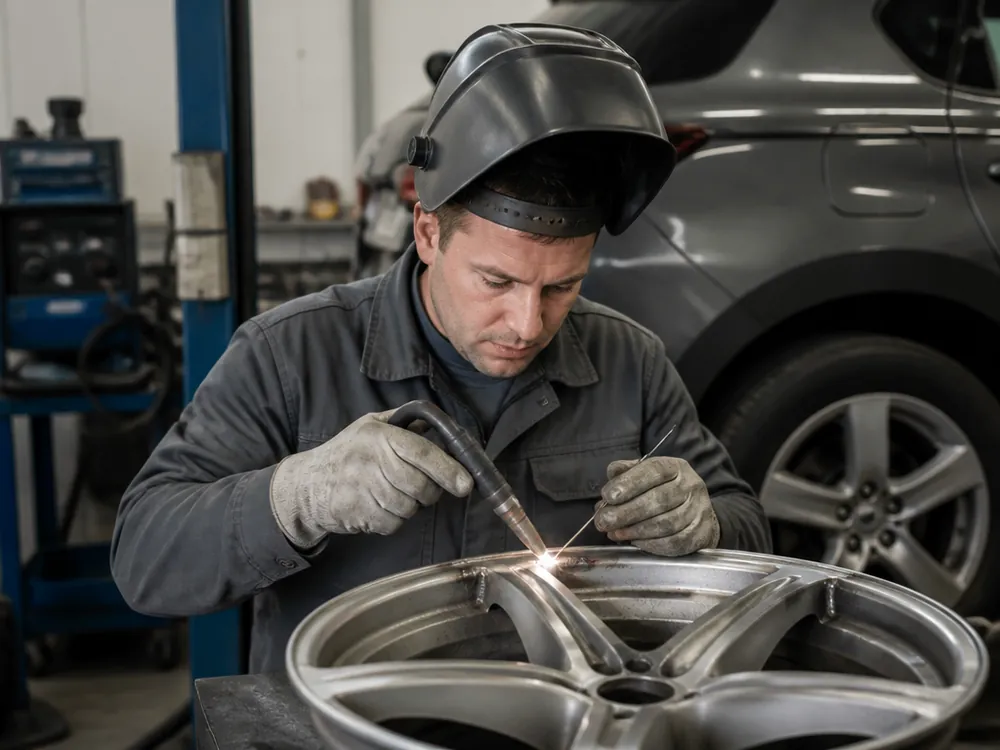
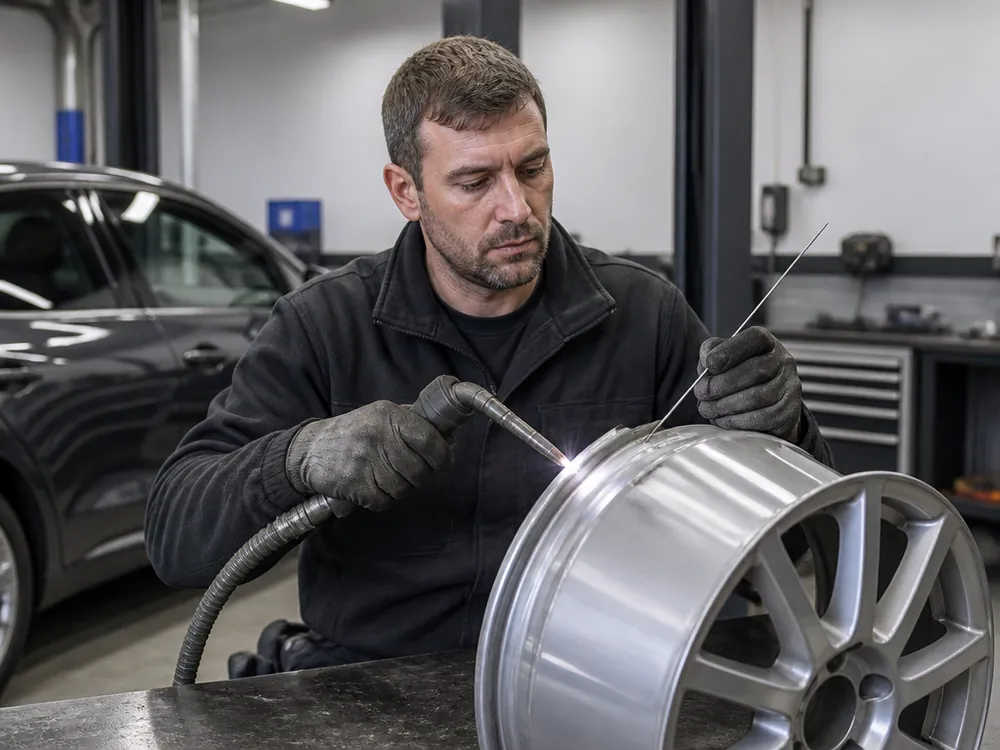
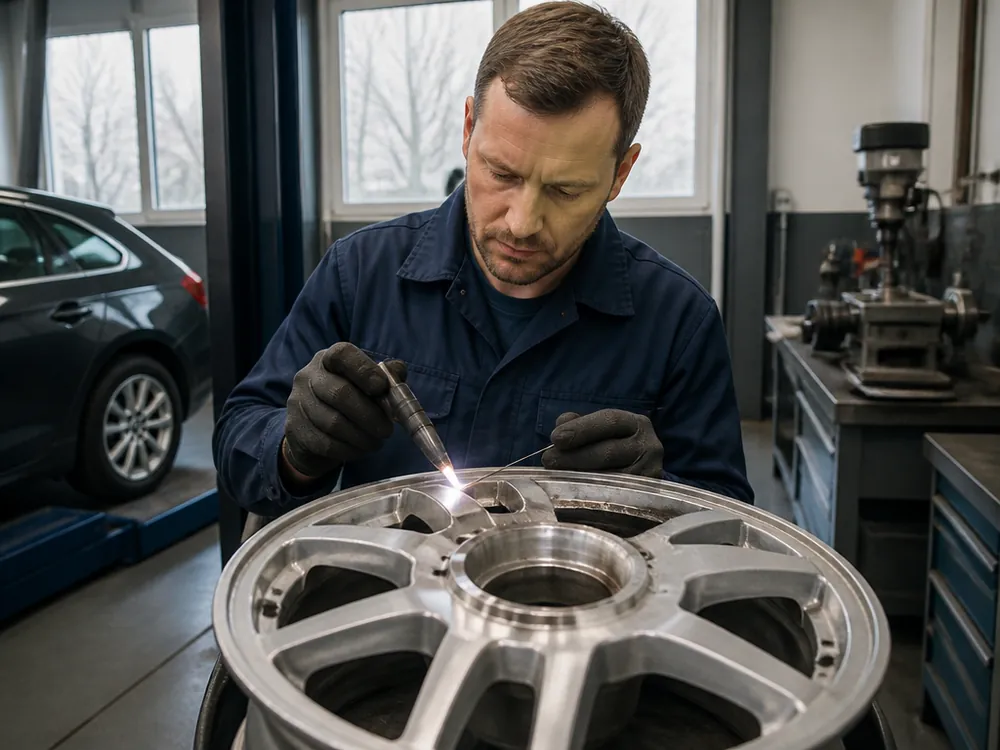
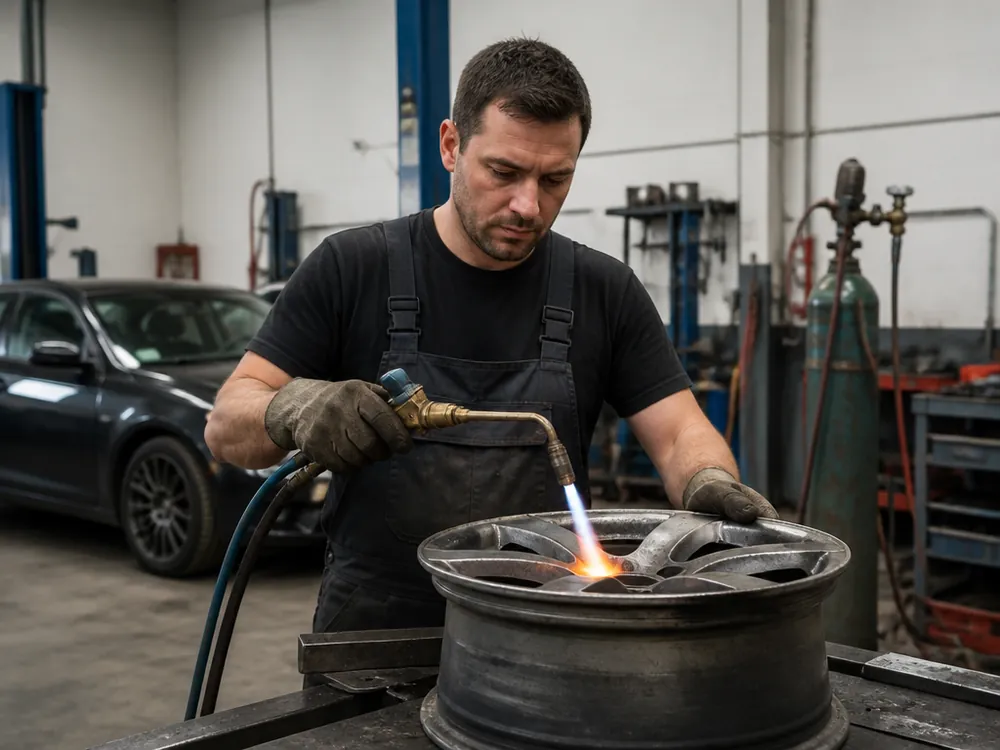
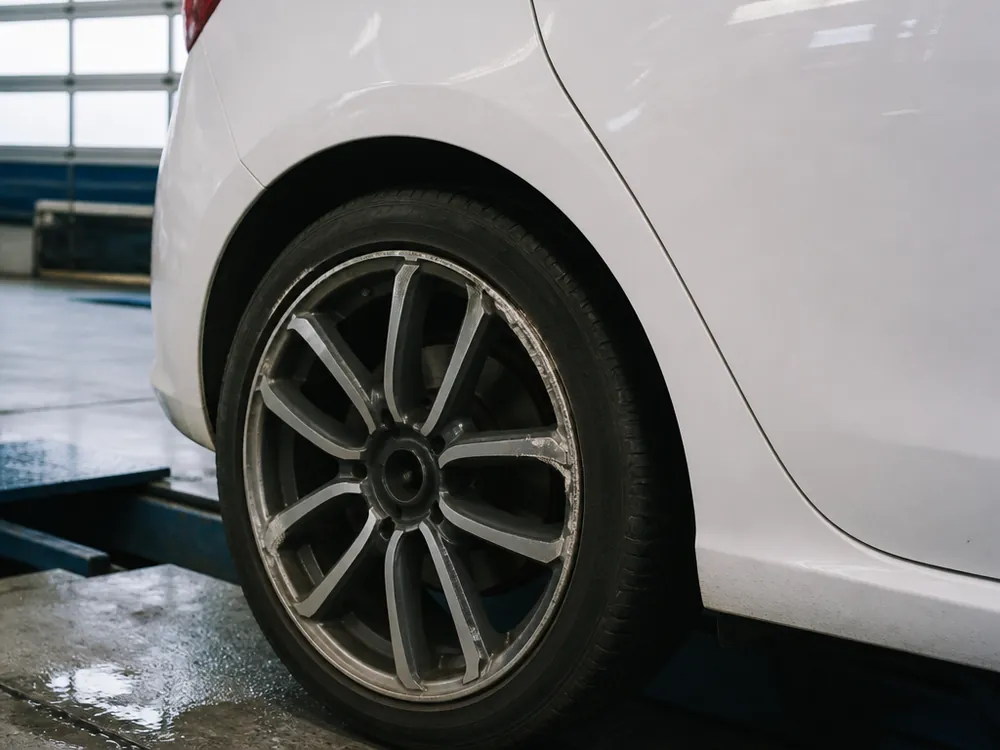
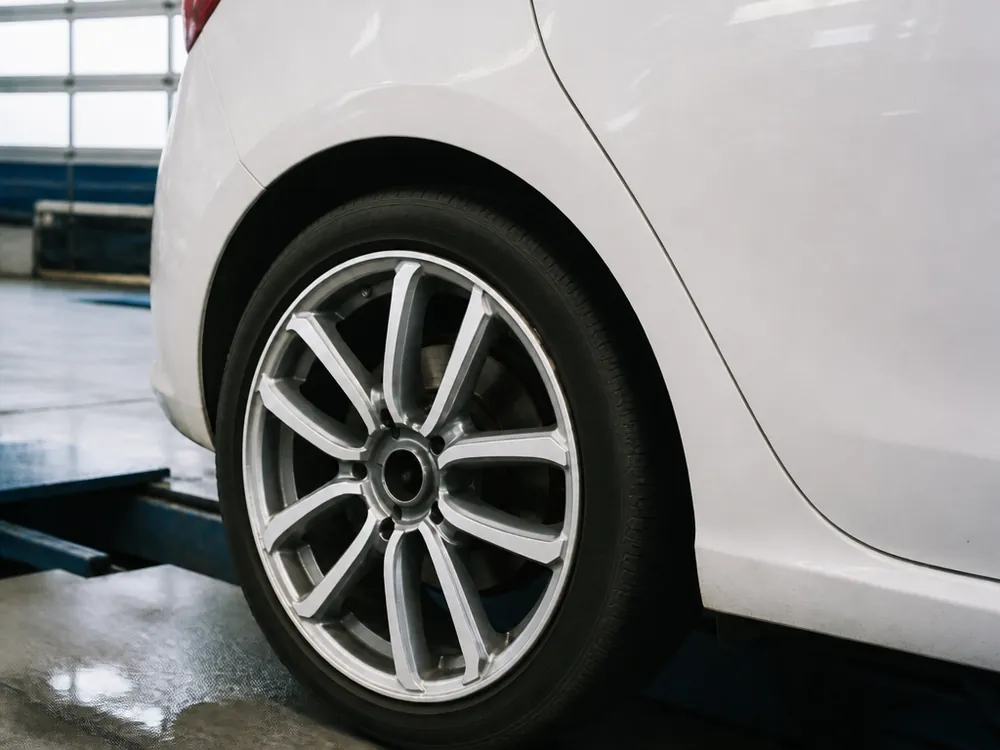
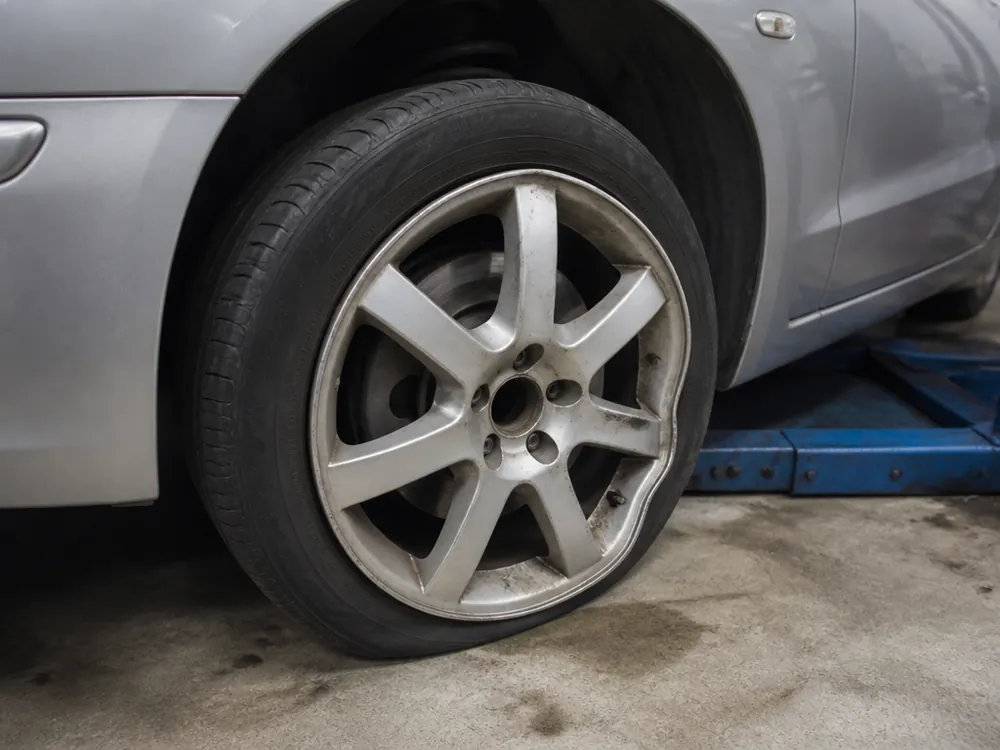
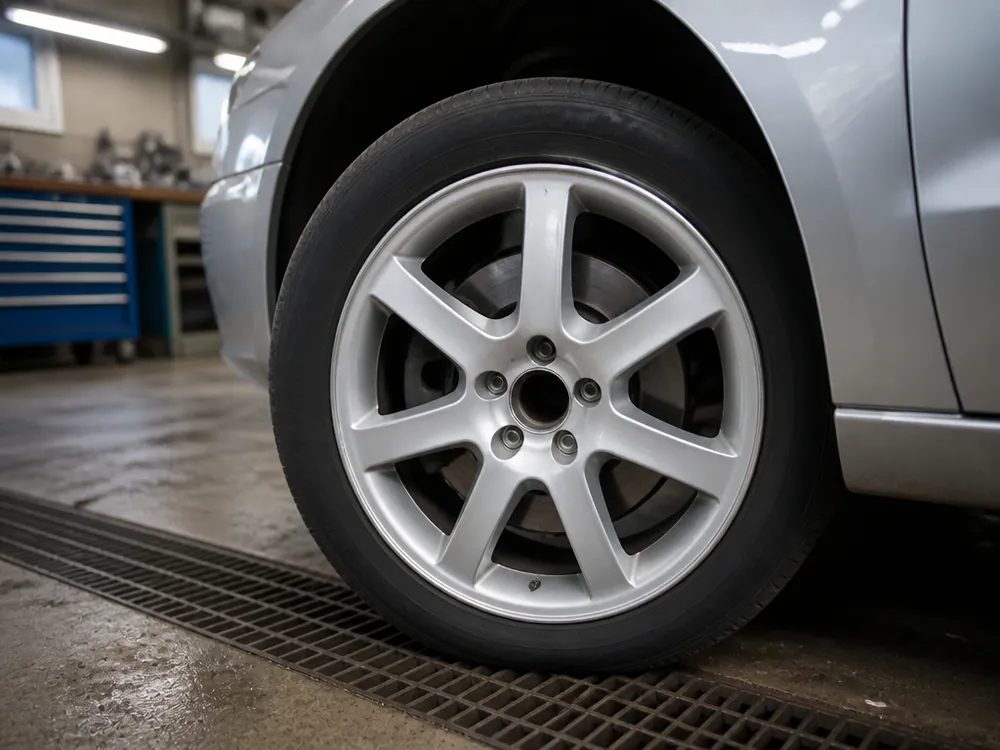
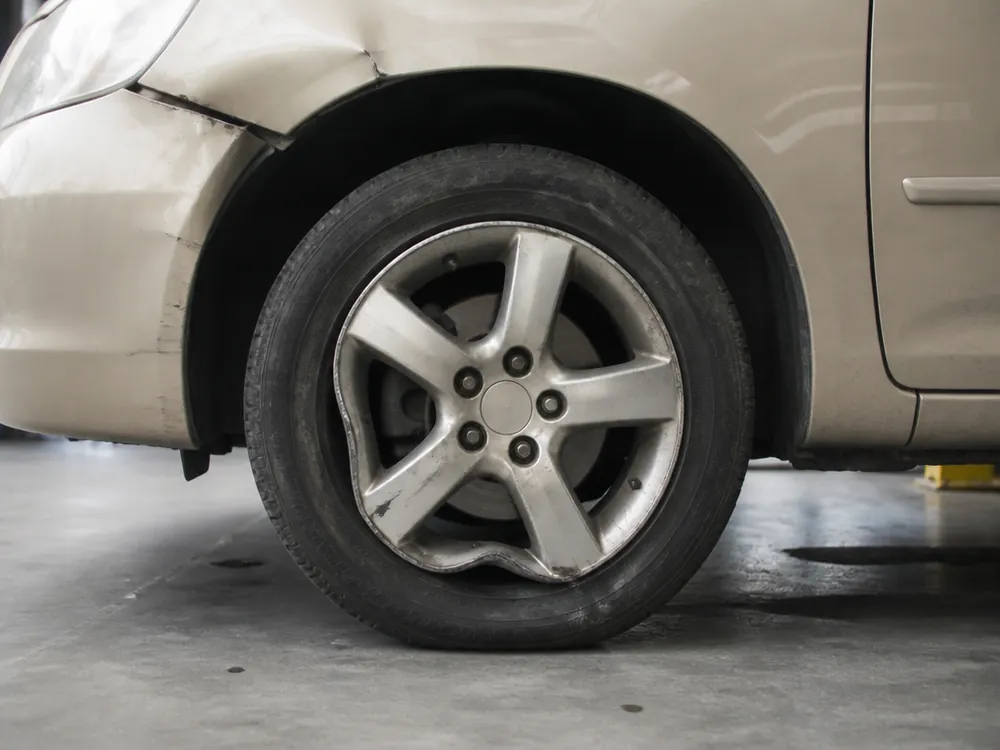
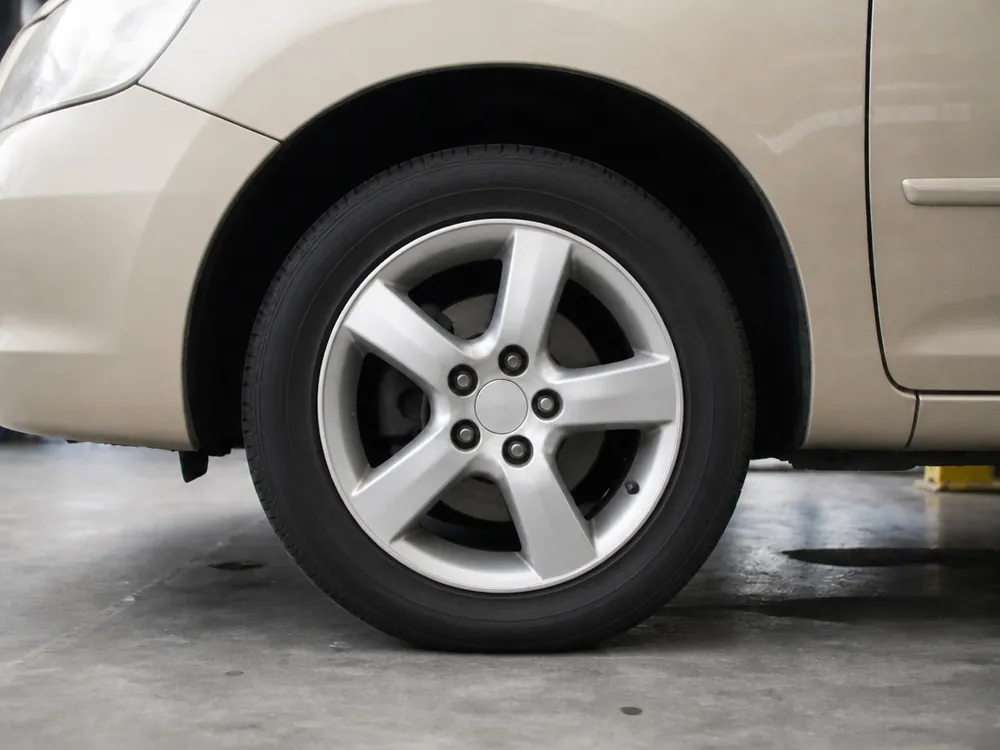
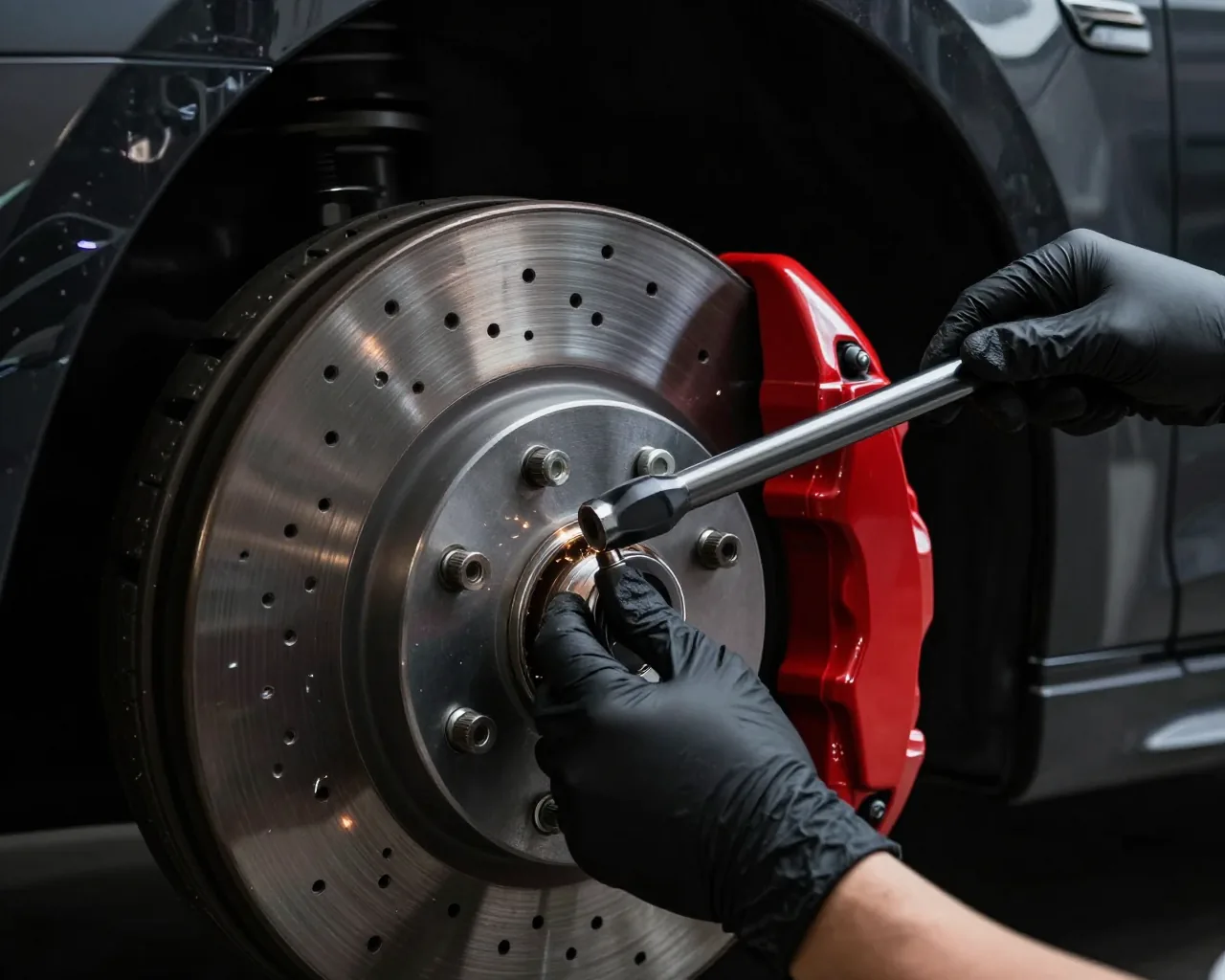
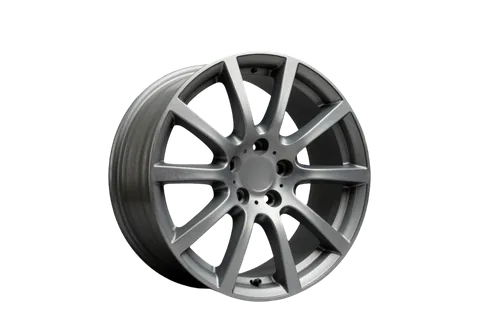
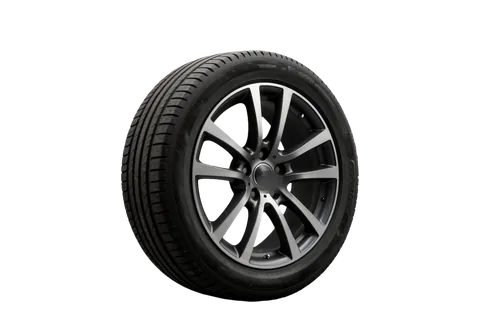
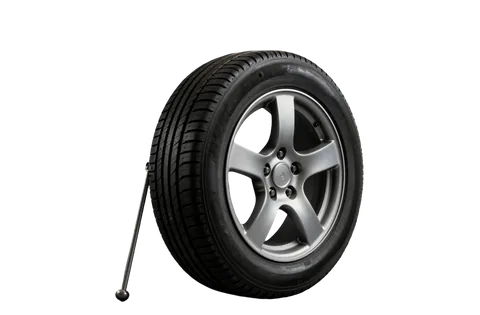
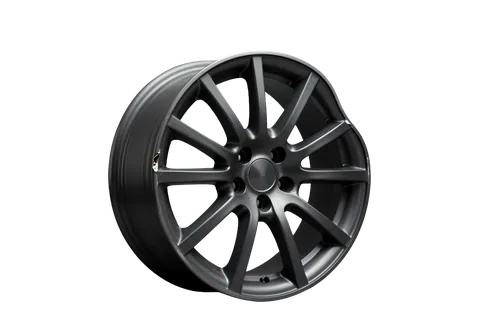
We eliminate cracks and chips on cast and forged wheels using argon welding. We restore geometry and airtightness so the wheel holds pressure again and doesn't vibrate at speed. Warranty on the weld — 6 months.
Repair and restoration of alloy and steel wheels of any complexity at the CARGID car service.
Service
Duration
Warranty
Price
Diagnostics and assessment of wheel damage
30 minutes
6 mo
from 1 500 ₸
Specialist visit for on-site diagnostics
1 hour
6 mo
from 3 000 ₸
Cleaning and surface preparation before welding (1 wheel)
40 minutes
6 mo
from 2 500 ₸
Elimination of a crack on the wheel rim (up to 5 cm)
1 hour
6 mo
from 4 000 ₸
Elimination of a crack in the hub area (up to 7 cm)
1–2 hours
6 mo
from 6 000 ₸
Welding of a medium-complexity crack (length up to 15 cm)
2–3 hours
6 mo
from 8 000 ₸
Repair of a broken fastening element (1 pc)
1 hour
6 mo
from 5 500 ₸
Restoration of the hub mounting seat
2 hours
6 mo
from 7 500 ₸
Elimination of deformation with heating (straightening)
1–2 hours
6 mo
from 5 000 ₸
Welding of a complex rupture (over 15 cm) with a reinforcement plate
3–4 hours
6 mo
from 12 000 ₸
Welding of a wheel with complete replacement of the damaged part
from 4 hours
6 mo
from 15 000 ₸
Welding of wheels as a set (pair) with a discount
4–6 hours
6 mo
from 18 000 ₸
Urgent repair (same day)
2–4 hours
6 mo
from 10 000 ₸
Sealing of welds and testing on a stand
1 hour
6 mo
from 3 500 ₸
Geometry check and balancing after welding
1 hour
6 mo
from 2 000 ₸
Painting of the restored wheel (1 pc)
2–3 hours
6 mo
from 6 000 ₸
Prices are for labor only and do not include the cost of materials (electrodes, argon). The exact cost depends on the condition of the wheel and the complexity of the repair. Warranty for all types of welding work — 6 months. Warranty periods — see the page «Warranty»
06
Why People Choose Wheel Rim Welding at CARGID
Warranty.
Every promise — backed by a number or a document: work order, photos, removed parts.
6MO
warranty on labor — the term is stated in the work order.
6-month warranty
Mobile service
Argon welding
01
Two-Pass Seam
First we weld the root of the seam, then cover it on top. A single pass leaves pores through which the crack will reappear.
02
We Heat up to 350 °C
Before welding, we heat the wheel rim with a torch instead of welding cold. Without preheating, the metal around the seam cracks at the first pothole.
03
We Don't Heat a Cracked Rim Twice
We straighten with heating after welding, using one heating for the entire area. Repeated heating anneals the metal, and the wheel rim warps permanently.
04
We Give 6 Months on the Seam
The warranty covers only the welded seam: if it separates, we'll re-weld it for free. Straightening and other coating are covered separately.
07
How We Weld Wheel Rims: From Request to Finished Wheel
Steps.
We explain how the order for alloy wheel rim repair is processed.
01
Wheel Rim Inspection
You leave a request on the website or by phone — we select a convenient time for your visit. The technician checks the wheel rim: cracks, chips, deformation — and determines whether repair is possible.
request on WhatsApp
02
Cost Calculation
We give you the exact price for the work and the timeline — you make a decision without obligations.
inspection and diagnostics
03
Preparation for Welding
We clean, degrease, and mark the wheel rim's damaged areas for precise repair.
estimate before work starts
04
Welding of Damage
Using argon or semi-automatic welding, we weld cracks and dents, restoring the geometry.
work to factory procedure
05
Geometry Control
We check runout and balancing on a stand — we achieve factory parameters.
result check
06
Painting and Drying
We apply primer, paint, and lacquer — the wheel rim looks like new and is protected from corrosion. We hand over the wheel rim with a warranty on the seam and coating — you check the result in person.
At CARGID we weld wheels with argon, preheating to 350 °C and laying the seam in 2 passes, then straighten with a single heat cycle, check geometry and balance. We work with cast, forged and stamped wheels, cracks on the rim edge and at the hub area. The welding warranty is 6 months; the timeframe and terms are recorded in the work order.
What Wheels and Damage We Work With
An owner shows up with a crack and doesn't know whether anyone will take on their wheel. Here's a breakdown of the wheel types and kinds of damage we work with and what we do in each case.
Which Wheels Can Be Welded
We weld cast, forged and stamped wheels as long as the crack hasn't hit the critical hub zone and the metal hasn't lost its structure from past overheating. Cast aluminum alloy wheels weld the most predictably: a crack on the rim edge or along a spoke is closed in two passes with preheating. Stamped steel wheels weld more easily — steel is more ductile and holds the seam better. Forged wheels need a separate approach: the dense fine-grain metal structure fills the weld pool worse, and the seam comes out more finicky. Wheel welding in Almaty always includes inspecting the area around the crack for microcracks and signs of past repairs — if the metal has already been annealed, welding is pointless. Forged wheels are harder to weld than cast ones because of the dense metal structure — sometimes straightening with heat is more worthwhile than welding, and you only see that after diagnostics.
Types of Damage and What We Do About Them
types of damage and post-weld checks
Damage
What we do
What we check afterward
Crack on the rim edge up to 5 cm
Weld in 2 passes
Edge runout on the stand
Crack at the hub area up to 7 cm
Welding with fit control
Hub mounting seat
Medium-complexity crack up to 15 cm
Welding with 350 °C preheating
Geometry and balance
Tear over 15 cm
Welding with seam reinforcement
Seam strength and runout
Broken fastener
Restoring the fastener element
Thread and bolt fit
How Wheel Welding Works in the Shop
The client is afraid the wheel will warp after the repair or the joint will crack again. Here's what makes for a solid result: preheating the metal, two passes and a strict order of operations.
Why We Heat the Wheel to 350 °C Before Welding
Before welding we heat the workpiece with a gas torch to 350 °C rather than working cold — without preheating, the metal around the joint cracks at the first pothole. Preheating relieves internal stress in the area of the future joint and dries moisture out of the crack so it doesn't turn into porosity. Cold metal expands locally under heat and cools faster than preheated metal — that's exactly the temperature difference that tears the edge. We keep the temperature even across the whole zone, not just along the fracture line: heating one spot is useless if the neighboring areas stay cold. We move the torch slowly and let the heat sink into the metal rather than stay on the surface. A sharp temperature drop when welding a cold wheel creates internal stress that isn't visible right away — the crack shows up a few hundred kilometers later, usually on a rough road.
Why a 2-pass seam is more reliable than a single pass
We make the seam in 2 passes — first we weld the root, then cap it on top: a single pass leaves porosity, and the crack runs again through it. Welding cast wheels requires argon: it shields the weld pool from oxygen, but with a single pass the gas doesn't have time to push the air out of the depth of the fracture. That's why we do the root and the cap separately, with cleaning between them — so each layer goes down on clean metal, not on the slag of the previous one. We match the filler rod to the wheel alloy, otherwise the joint ends up harder than the base metal and cracks next to it. The first pass fills the crack from the inside, the second caps it with a margin along the edges — that margin is what takes the load from the road. Technically you can weld a crack in a wheel quickly, in one motion, but that result lasts until the first serious load.
What We Do After Welding So the Wheel Doesn't Warp
After welding the wheel can warp, and vibration shows up at speed. Here's the order of work: straightening with heat, geometry control, balancing and painting the restored wheel.
Why We Straighten With a Single Heating Cycle After Welding
We do heat straightening after welding, with a single heating cycle over the whole zone — a second heating anneals the metal and the part warps for good. First the joint cools and pulls the edge in, and only then do we heat the entire deformed zone as a whole, not individual spots. This order keeps the metal in one thermal cycle: the torch passes once, the temperature rises evenly, and residual stress is relieved without sharp fluctuations. If you straighten first and weld afterward, the joint goes down on already deformed metal and pulls it along — that's why we never swap the "weld → straighten" sequence, even with heavy runout. In my opinion, it's exactly swapping these steps that causes most comebacks with vibration complaints.
Geometry Control, Balancing and Painting
After straightening we check geometry and runout on the stand, balance the wheel, and if needed paint it in the paint booth with color matching. The stand shows deviation at the mounting plane and the edge, and the balancing machine brings residual weight down to spec — without that, even an even joint causes vibration at 90–120 km/h. We paint in the booth: the technician matches the shade to a sample so the wheel doesn't stand out from the set. Color mismatch comes not from the paint but from an unprepared surface — that's why before painting we seal and prime the joint, otherwise the clear coat goes on in patches over uneven roughness. We paint in the booth, and before handover the technician does a test drive and checks that the wheel sits straight and doesn't vibrate.
When Welding Is Not an Option and It's Better to Replace the Wheel
Not every wheel is worth welding. We tell you honestly when a repair doesn't make sense and a new wheel is safer — so we don't push work that won't deliver a result.
When Repair Doesn't Make Sense
We turn down welding if there are several cracks converging in one area, if the hub is deformed, or if the metal has already been annealed by past overheating — in these cases the repair won't give a reliable result. Multiple cracks running toward each other mean the area has already lost its integrity: weld one and a month later we'll see another right next to it. Deformation of the hub seat can't be fixed by welding — the wheel will shake no matter how neatly the seam lies. Annealing from previous overheating shows in the color and structure: under load such a wheel behaves unpredictably. During diagnostics the service advisor shows the damaged area and explains the reason for refusal — the client sees it for themselves instead of hearing "it can't be done" with no arguments. CARGID prepares a written estimate before work begins, and in disputed cases we honestly state in it that we recommend replacement rather than welding.
Welding, soldering or replacement
Welding holds the load on a cast and forged wheel, soldering is only suitable for cosmetic cracks without load, and replacement is needed where the metal has lost its strength. Soldering with filler fills a surface crack but doesn't restore load-bearing capacity: on a rim edge that takes hits from curbs, such a repair doesn't last long. Welding with preheating and in two passes produces a seam that works like the base metal — it's not a temporary fix. You can drive on a restored wheel for a long time if the seam is done with preheating and in 2 passes, but a repeat hit in the same area will send the crack along the seam, and that's already a reason to fit a new one. A single pass leaves pores, and the crack goes through them again — so saving on a pass turns into a repeat repair. When the metal around the crack is thinned out or has already been welded twice, replacement is cheaper than endless return visits.
Warranty, turnaround times and care after repair
The owner wants to understand what happens if the seam comes apart, how long the car will be in the shop, and how to treat the wheel afterward. Here's what we say about warranty, turnaround times and booking — no vague words.
6-month warranty and what it covers
We give a 6-month warranty on wheel welding, and we record the term and conditions in the work order and the completion certificate when the car is handed over. Coverage applies to the work performed and the parts installed, but doesn't include accidents, third-party interference or normal wear of consumables. That's why if the same wheel takes another hit, diagnostics for the warranty case are free — we make the decision based on the inspection, not over the phone. In my view, an honest wording of the terms matters more than the term itself: the client sees in advance which area the technician is responsible for and which one he isn't. If a part comes in with a crack from someone else's welding, we assess the repair area separately and warn you straight up: coverage doesn't apply to it.
Turnaround times, booking and care after repair
We're open daily from 09:00 to 20:00, by appointment — no waiting in line; urgent repairs are done the same day, and we match the filler rod to the alloy of the specific wheel. It's best to book ahead: that way the car is accepted at the appointed time and the technician isn't spread thin between jobs. In the first few hundred kilometers, avoid hard hits on the same wheel and check your tire pressure — an overinflated tire puts more load on the welded joint than the specified value. An overinflated tire puts more load on the welded joint, so it's best to keep pressure within the specified range. Come in for a check in a couple of weeks — we'll look at the geometry and torque, it doesn't take long. Before handover, the technician takes a test drive and checks the wheel for vibration and unusual noises at speed. If any issues remain, we fix them under warranty at no extra charge.
Wheel Welding Key Considerations
The short version: when restoration makes sense, what goes into a strong joint, and what to check when you pick up the car.
Limits of repair: restoration holds the load on a cast and forged wheel if the crack hasn't reached the hub and the metal hasn't been annealed by past overheating.
A reliable joint: preheating to 350 °C and two passes — root and a cap on top — instead of a single pass with pores.
Straightening: with a single heat cycle after welding, because reheating anneals the metal and warps the wheel for good.
Post-work checks: geometry check, balancing and, if needed, painting with surface prep.
Warranty: 6 months on the seam, with the term and conditions in the work order and certificate; diagnostics for a warranty case are free.
10
Frequently asked questions about wheel welding in Almaty
Questions.
Price, timeframes, warranty, payment — 10 questions asked most often.
10
Didn't find an answer?
Message us on WhatsApp — a service advisor will reply within 5 minutes.
The cost of wheel welding at our service is from 4 000 to 15 000 tenge per wheel. The final price depends on the type of wheel (stamped or alloy), material (steel, aluminum, magnesium), complexity of the damage (crack along the edge, in the plane, through damage) and the need for subsequent balancing or painting. For example, a simple crack on a steel stamped wheel will cost from 4 000 tenge, while a complex damage to an alloy aluminum wheel with geometry restoration will cost 12 000–15 000 tenge. We provide the exact price after a free inspection.
On average, welding one wheel takes 1.5–3 hours. The time depends on the type of wheel and the nature of the damage. If only a crack needs to be welded, we usually finish in 1.5–2 hours. If the damage is serious, with deformation requiring straightening, or if welding is needed in several places, the time may increase to 3–4 hours. In any case, we give the exact time after diagnostics and try to complete the work on the day of contact if there is no queue.
Yes, we provide a warranty on all types of wheel welding work — 6 months. This warranty covers the quality of the weld seam and the integrity of the wheel under proper operating conditions. If during this period the seam separates or defects appear, we will re-weld the wheel free of charge. It is important to understand: the warranty does not apply to severe impacts that may cause new damage unrelated to the quality of our work.
An appointment is not required but recommended. You can come at any time during working hours — we will try to serve you in order of queue. However, to guarantee a spot at the desired time and avoid waiting, it is better to call us and book a convenient slot. This is especially true on weekends and evenings when there are many people. Booking takes a couple of minutes and allows us to prepare the place and a specialist.
You bring your own wheel — welding is performed on it. We use our own argon and filler rod for aluminum welding: this ensures a stable seam. If you have a specific rod for your alloy, coordinate this in advance — the master will assess whether it is suitable in composition.
If after welding you find that the wheel warped (a figure-eight or runout appeared), or cracks appeared on the seam, immediately return to us. Under proper operating conditions, this is a warranty case. We will perform diagnostics free of charge and fix the problem: re-weld the seam, straighten the wheel, and balance it again. Important: do not attempt to use the wheel in this condition, it is unsafe. Come within the warranty period, and we will fix everything.
Welding and brazing are different restoration technologies. Welding is used for steel and aluminum wheels; it creates a strong seam by melting the base metal. It is used for cracks and chips, especially on alloy wheels. Brazing is a connection using a filler that melts at a lower temperature, usually used for minor damage such as scratches or small chips, and is not suitable for serious cracks. In most cases, welding is more reliable and durable, so we use argon or semi-automatic welding.
After welding, let the wheel cool completely before installing. It is not recommended to subject it to sudden temperature changes in the first day (for example, washing with cold water immediately after a hot wash). Try to avoid strong impacts and off-road driving. It is also recommended to check the condition of the seam and bolt tightness 1–2 months after repair. If you notice corrosion on the seam, treat it with an anti-corrosion agent. Following these simple rules will extend the service life of the repaired wheel.
Payment is accepted in cash and by card after inspection and agreement on the work. The cost depends on the number and depth of cracks, the type of damage — crack, chip, or broken fragment — and the need for subsequent machining and balancing. The master gives the exact amount after diagnostics, before welding begins.
We work with all types of wheels: steel stamped, light-alloy (cast) from aluminum and magnesium, as well as forged. Our service specialists have experience welding wheels from various manufacturers — European, Asian, and domestic. We repair cracks, chips, punctures, and also perform geometry straightening. For each type of wheel, the optimal welding technology and materials are selected. If you have doubts about your wheel, come in — we will perform diagnostics and tell you whether welding is possible in your case.
11
What clients say about our wheel welding
Reviews.
We collect ratings on the website and on maps — we hide nothing.
4.8
872 reviews on the website 1 900+ ratings in total
Alexander
Toyota Camry
Came in with a crack in the alloy wheel after hitting a pothole. They fixed it in a day, the seam is completely invisible, the paint job is perfect. Paid 18 000, normal for Almaty. The car is a Toyota Camry. Thank you!
Dmitry
Bent the wheel in a parking lot, thought I'd have to buy a new one. Here they straightened and painted it for 12 000, done in a day. No vibrations at speed, all good.
Aigerim
Көлігімнің дискісінде жарық пайда болды, басқа жерде ақша алғысы келді. Осында аргонмен дәнекерлеп, бояды. 20 000 теңге, екі күн. Нәтижеге өте ризамын, енді тек осында келемін.
Sergey
There was a problem with a crack on the disk, I came here, they quickly welded it with argon. 15,000 tenge, I picked it up in one day. Everything is fine, beautiful. I recommend!
Marina
Tucson
A chip on the rim edge, thought it would need replacement. The guys made an insert, indistinguishable from new. Price 15 000, time 2 days. Hyundai Tucson. All great, thank you.
Ivan
They straightened the rim deformation, the runout is gone. Balancing showed 0. I recommend. Price 12 000, one day.
Vladimir
The old weld seam came apart after a repair at another service. Here they re-welded everything, reinforced it, painted it. The car is an Audi A6. 22,000 tenge, two weeks warranty. I drive with peace of mind.
Olga
Was in an accident, the wheel was a wreck. Here they did a comprehensive repair: welded the crack, removed the chip, and restored the geometry. 35 000, three days. The car is a Mitsubishi Outlander. Now it's like new.
Nikolay
Sportage
Didn't believe a crack could be properly welded, but decided to try. They did an excellent job, the seam is smooth, the paint is indistinguishable. Price 18 000, one day. Kia Sportage. I recommend.