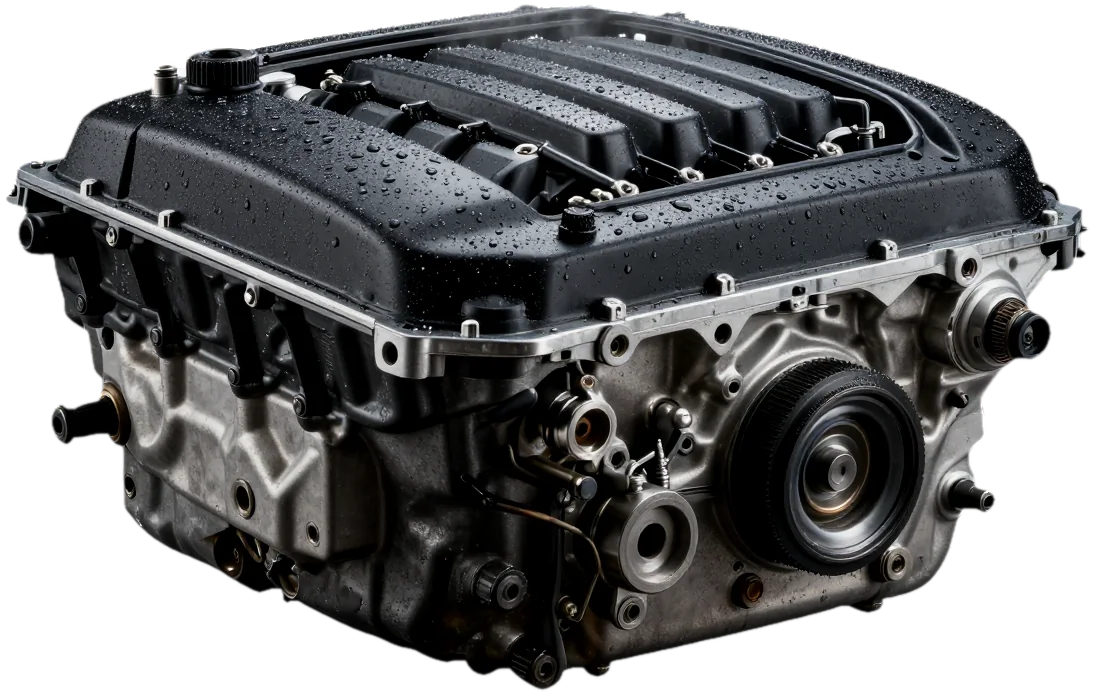
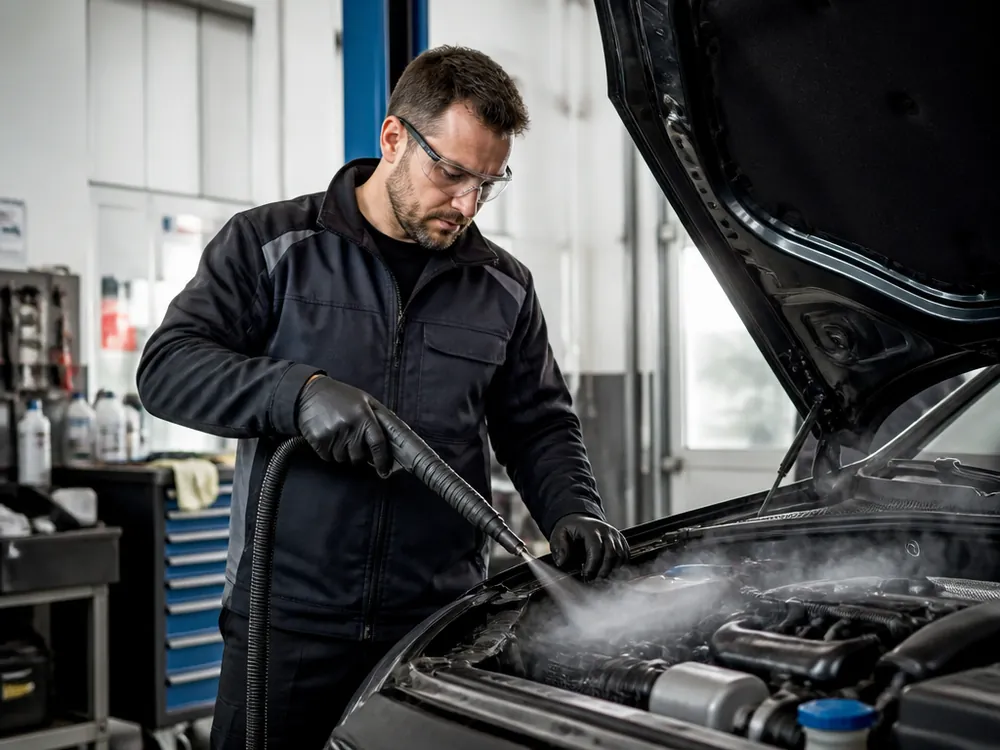
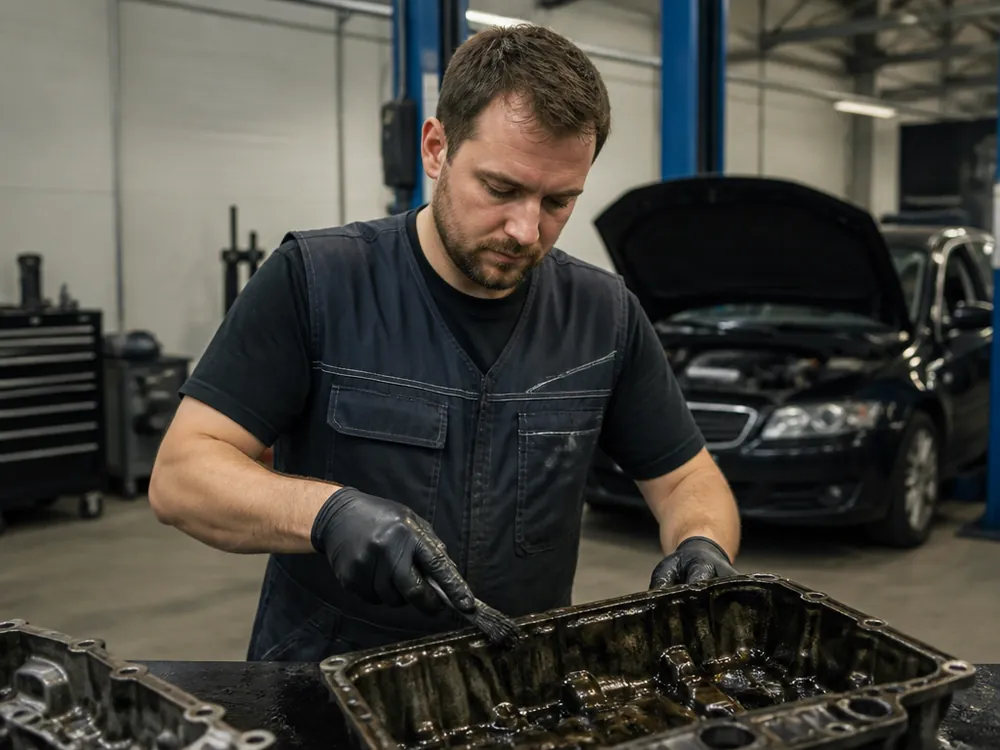
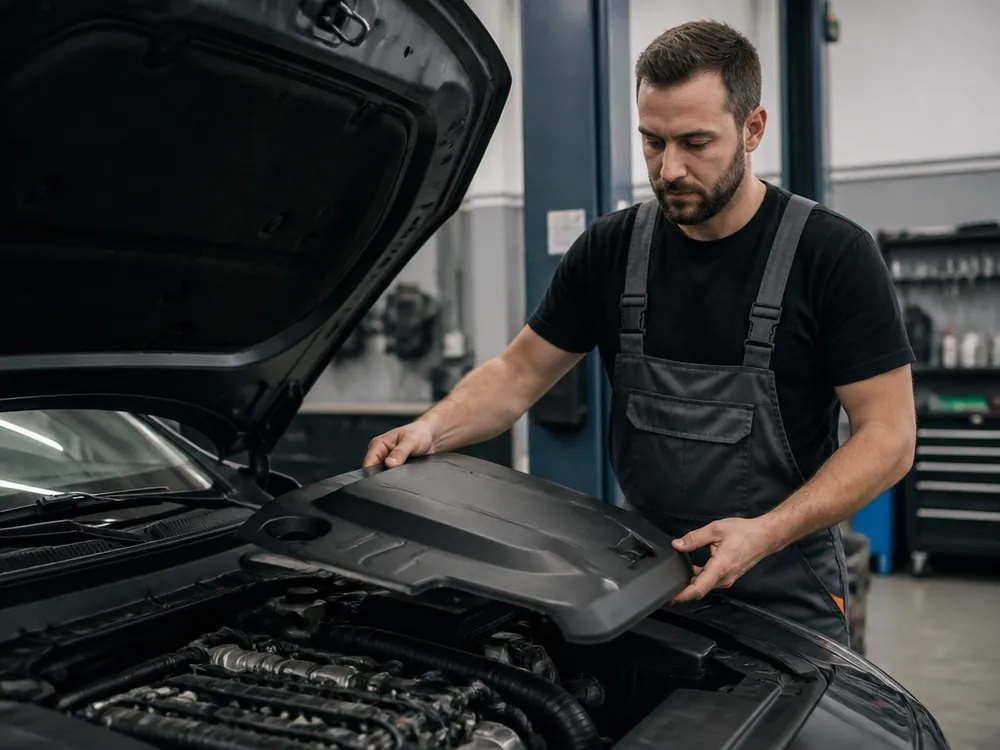
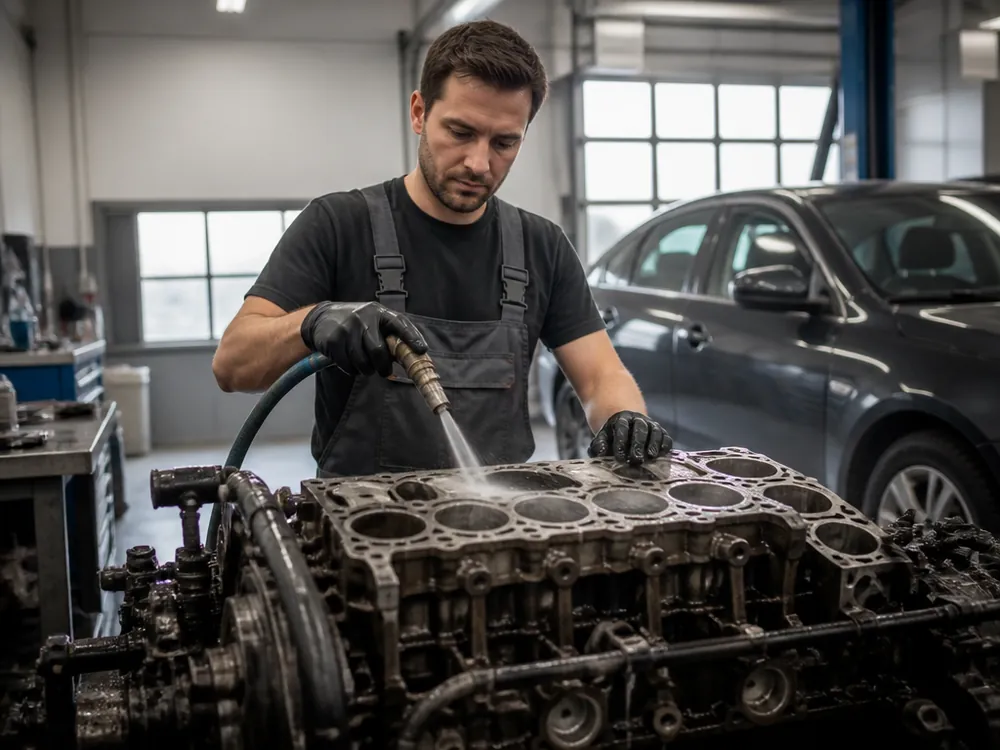
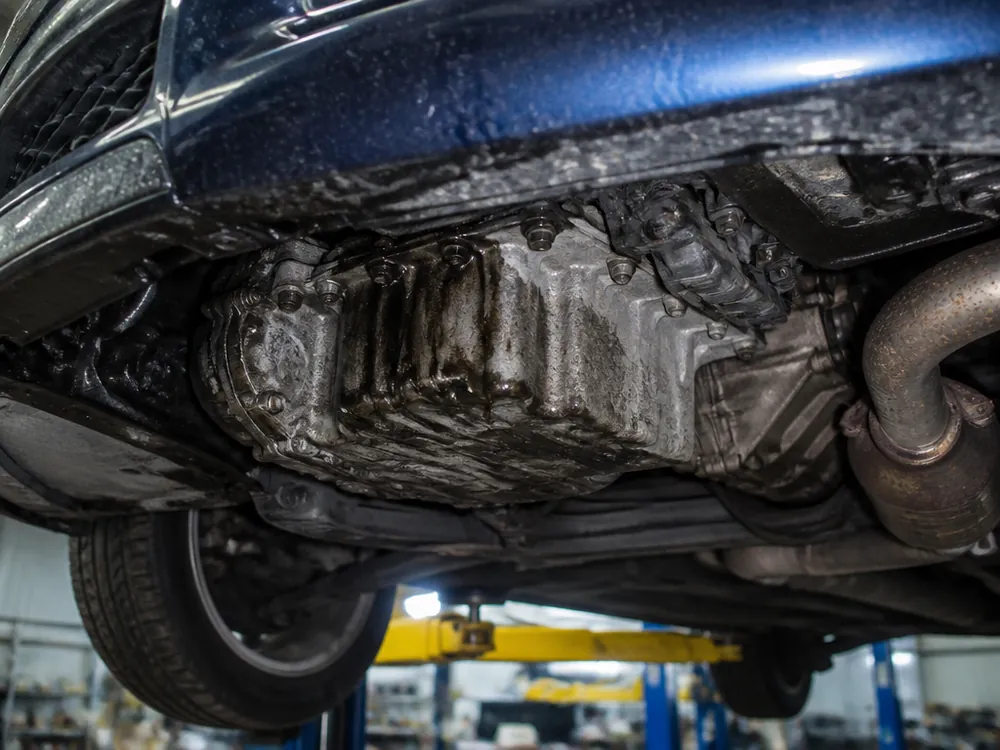
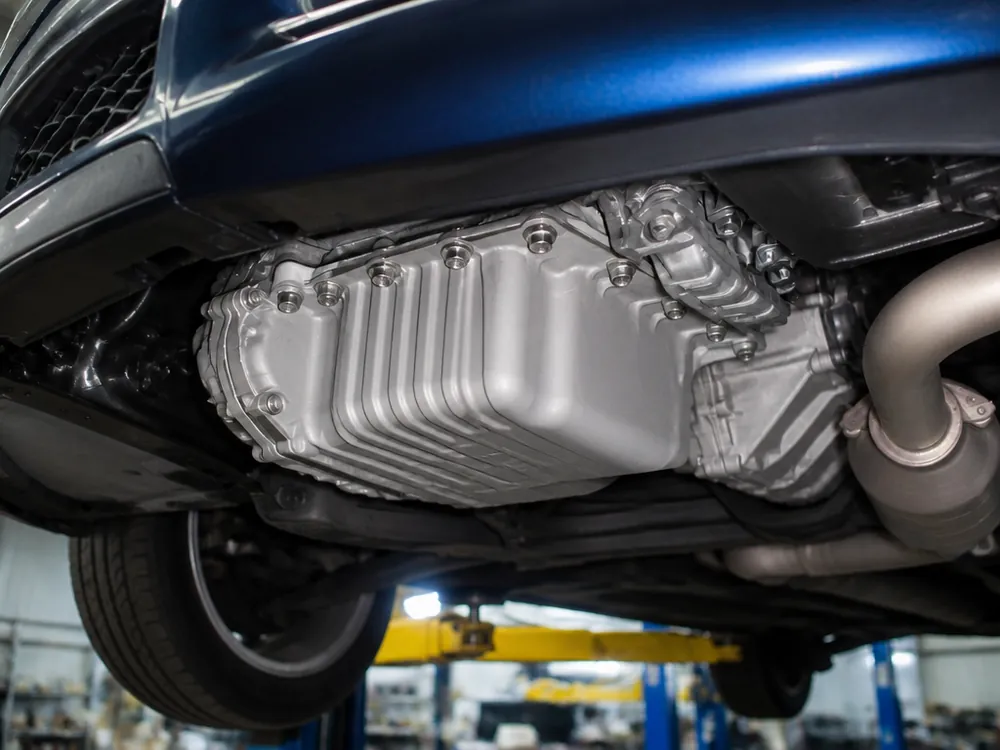
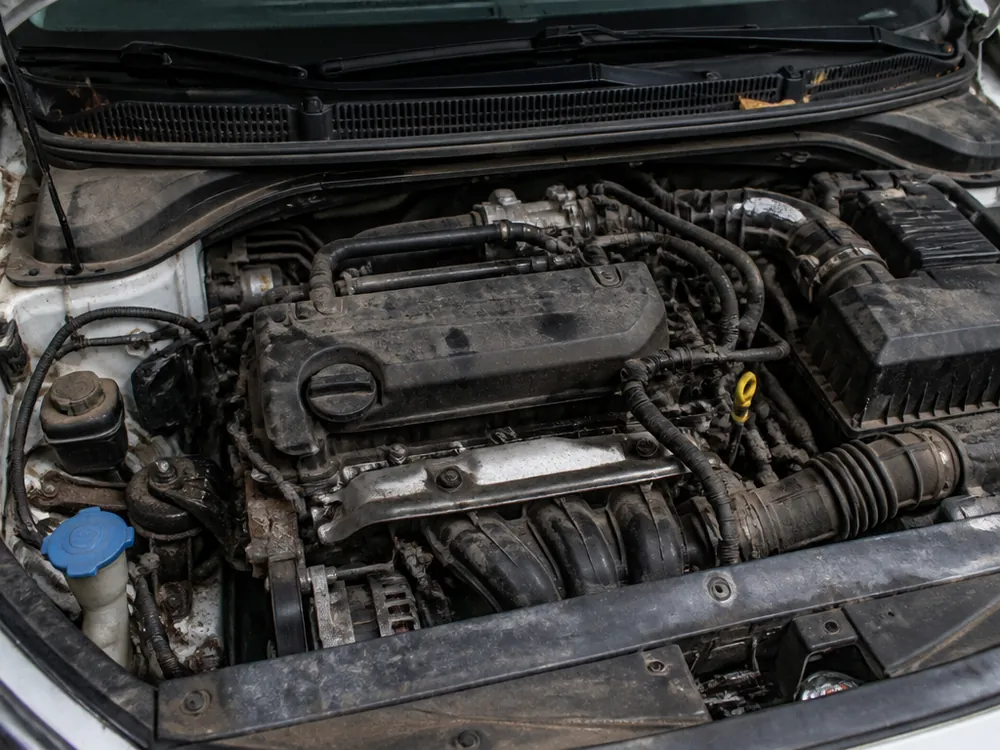
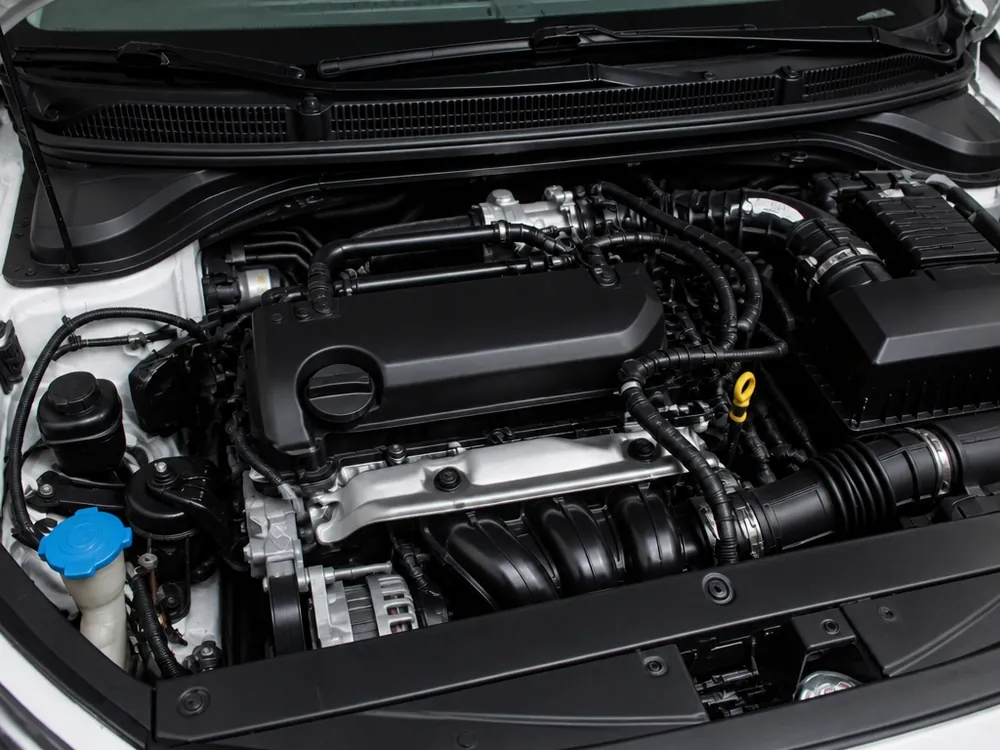
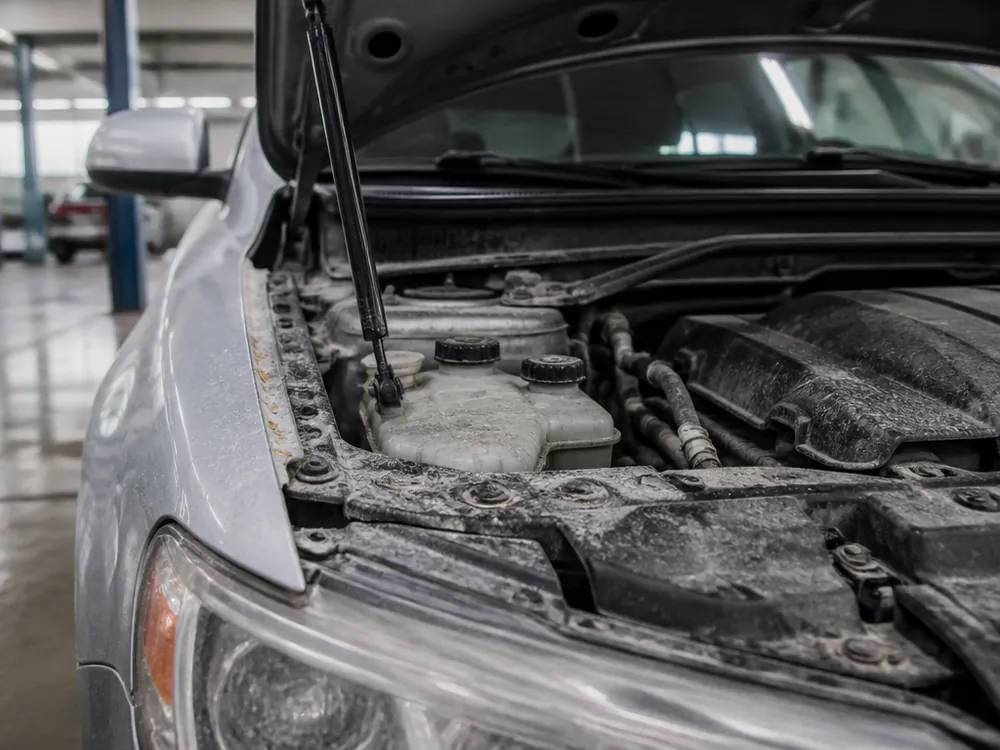
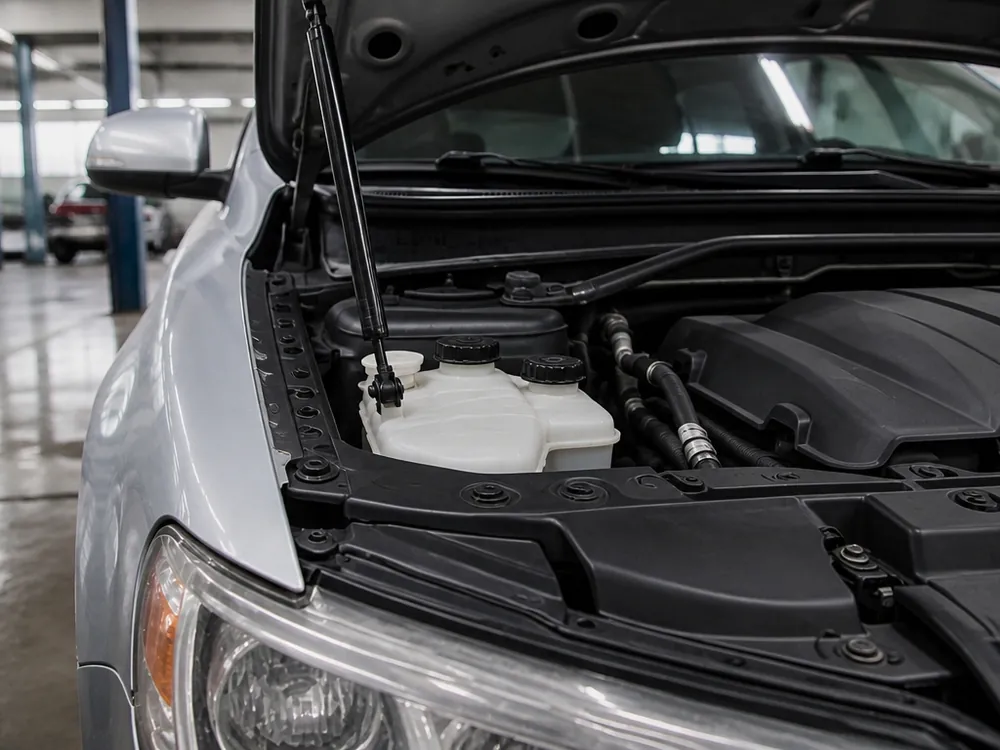
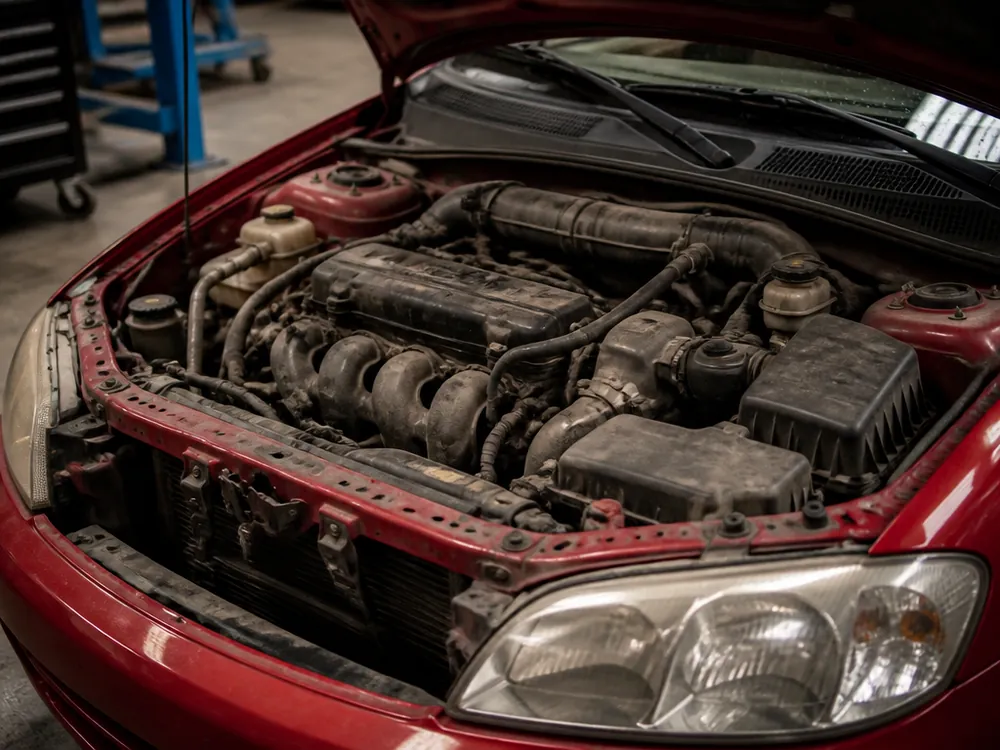
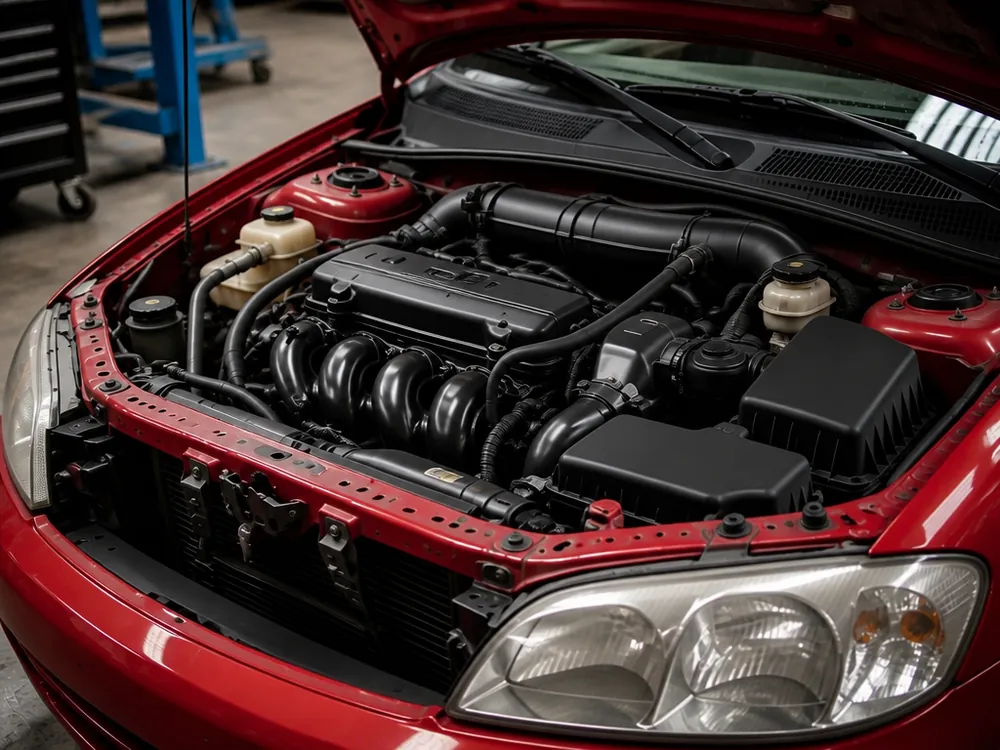
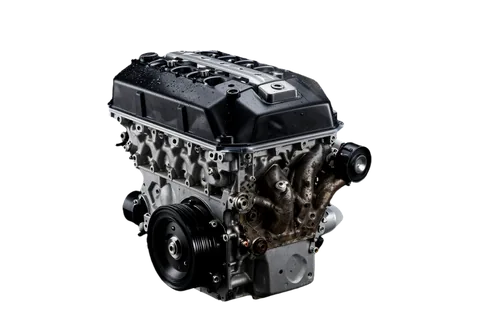
Professional engine washing in Almaty is a safe way to remove dirt, oil, and dust that impair cooling and can cause a fire. We use a steam generator and special compounds that do not damage electronics. On a clean engine, oil and coolant leaks are immediately visible.
Engine washing with cleaning of the sump and visible components
1.5 hours
from 7 000 ₸
Engine washing with partial disassembly (removal of decorative cover, protections)
2–3 hours
from 9 000 ₸
Engine washing with full disassembly of attachments
4–6 hours
from 15 000 ₸
Engine washing with pre-cleaning of heavy contamination
2–3 hours
from 10 000 ₸
Engine washing with odor neutralization (after oil leaks)
2 hours
from 8 000 ₸
Engine washing with protection of electronic units
1–2 hours
from 6 000 ₸
Engine washing with subsequent drying and blowing
2–3 hours
from 7 500 ₸
Urgent engine washing (within 2 hours from booking)
2 hours
from 12 000 ₸
On-site engine washing (at the client's location)
1–2 hours + travel
from 15 000 ₸
Engine washing with cleaning of radiator and condenser
2–3 hours
from 11 000 ₸
Engine washing with treatment of rubber and plastic components
2 hours
from 9 500 ₸
Engine washing with removal of oil and coolant traces
2–3 hours
from 10 000 ₸
Engine washing with restoration of protective coatings (anti-corrosion)
3–4 hours
from 13 000 ₸
Engine washing for trucks
3–5 hours
from 20 000 ₸
Engine washing for vehicles with large displacement (over 3.5 L)
2–4 hours
from 12 000 ₸
Engine washing for SUVs and crossovers (with underbody protection)
2–3 hours
from 11 000 ₸
Engine washing for turbocharged vehicles (special mode)
2–3 hours
from 13 000 ₸
Engine washing with cleaning of battery terminals and oxidation
1–2 hours
from 6 500 ₸
Cleaning agents and protective products are included in the price. The exact cost depends on the make, condition, and how dirty the engine is. Mobile washing — from 15,000 ₸ per the price list; for locations more than 20 km outside the city, there's an extra charge for travel. Warranty periods — see the page «Warranty»
06
Why people choose engine washing at CARGID
Why us.
Every promise — backed by a number or a document: work order, photos, removed parts.
12YRS
in the auto service — 9 000+ cars, technicians with 5–16 years of experience.
Steam instead of a water jet
Electronics protected
We start only when dry
01
We wash with 2 compounds
First a degreaser, then a neutral shampoo. We rinse off the alkaline residue, otherwise it dries out rubber and plastic.
02
We seal connectors and units
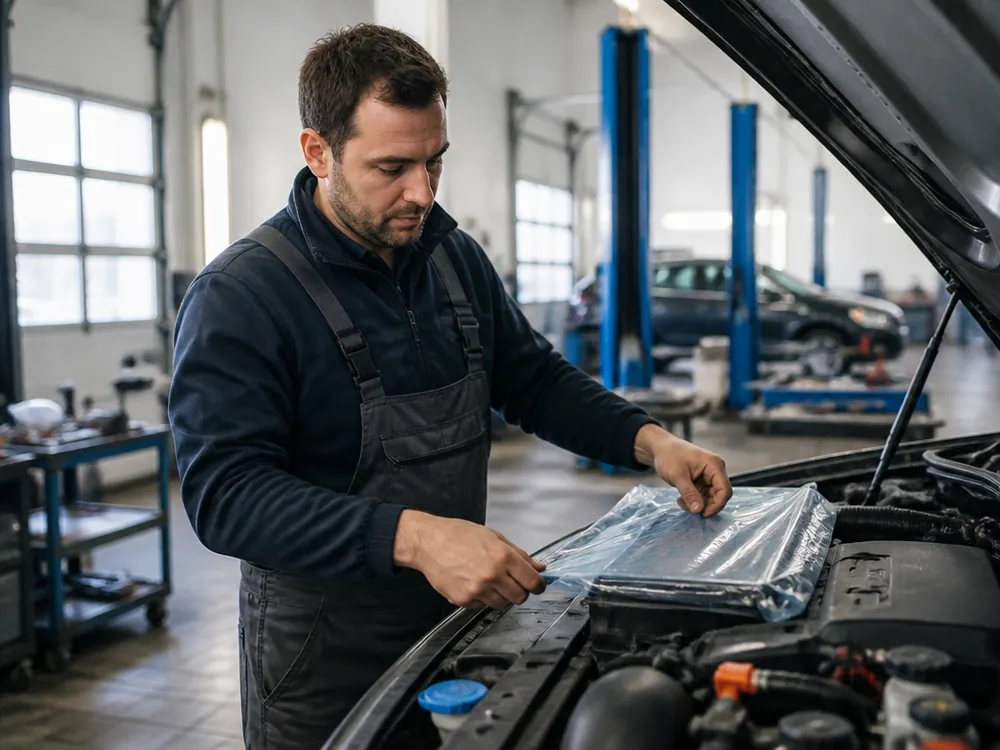
Before washing, we seal the electrics and intake, so water does not get into the units and does not disable the sensors.
03
Drying for 40 minutes
After washing, we blow with compressed air and dry with warm airflow. We start only with a dry engine — no water in the spark plug wells.
04
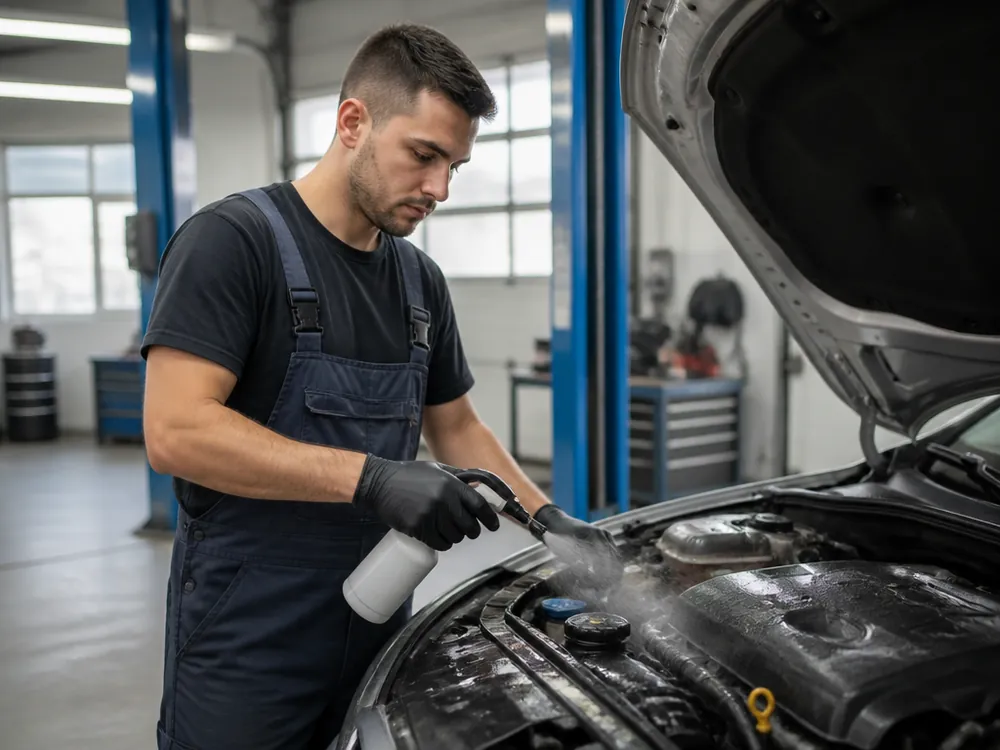
Steam generator up to 150 °C
We wash with steam, not a jet of water: it dissolves oil and dirt but does not flood the wiring and sensors.
07
How Engine Washing Works
Steps.
Step by step — what happens to the engine from request to vehicle handover.
01
Inspection and survey
Call or write to a messenger — we will find a convenient time. We clarify the symptoms and inspect the engine bay for leaks.
leak inspection
02
Car preparation
We turn off the engine, let it cool down, and cover sensitive elements with film.
engine cools down
03
Chemical treatment
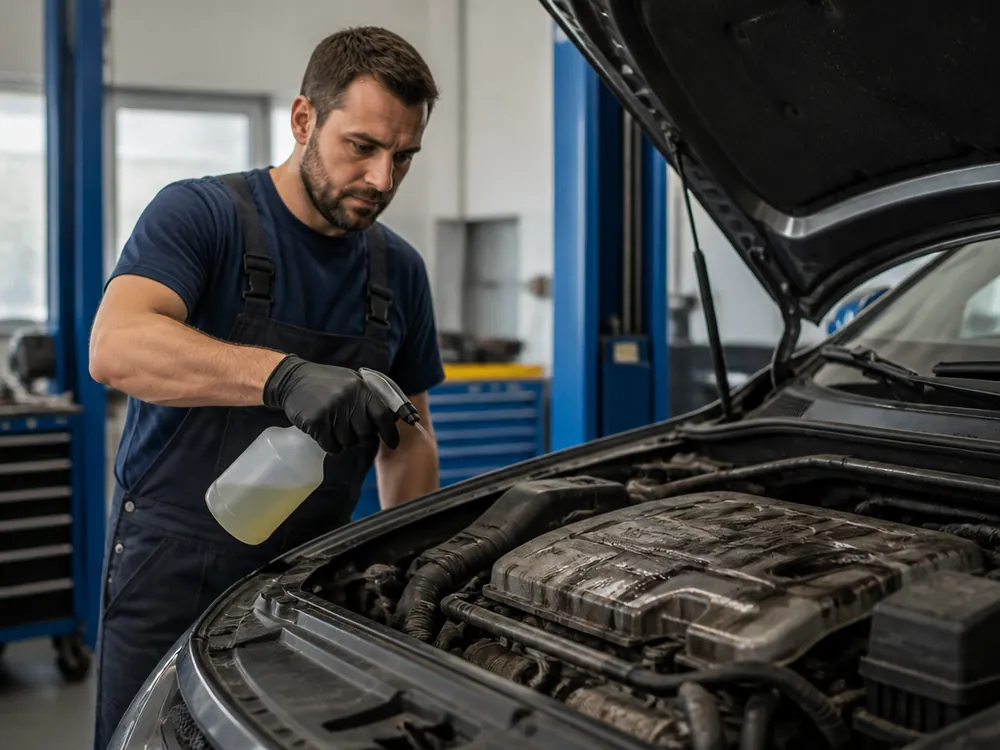
We apply a safe cleaner to the dirty surfaces and let it sit.
cleaner on dirt
04
Manual cleaning
We remove dirt in hard-to-reach places with brushes and rags.
brushes and rags
05
Rinsing and drying
We rinse off the cleaner residues with steam or low-pressure water and blow dry with compressed air.
low pressure and blow-dry
06
Car handover
We check the connectors and apply a protective compound to plastic and rubber. We start the engine, make sure it works properly, and hand over the keys.
Car service in Almaty. We reply on WhatsApp and by phone.
5 000 ₸Engine washing
10 · Useful
What to know about engine washing in Almaty before you book
Author: Роберт Абзалиловnano-ceramic car wash specialist, 5 years of experience
Published Updated
We wash engines in Almaty with steam up to 150 °C and two compounds — a degreaser and a neutral shampoo. Before work, we wait for the engine to cool down, cover electronic units, connectors, and the intake. After washing, we dry and blow the engine for about 40 minutes and start it only when dry.
Why wash the engine if it runs fine
Dirt under the hood seems like a purely cosmetic problem. In fact, it affects how components heat up, the smells in the cabin, and how quickly the owner notices an emerging fault.
What a clean engine bay gives you
An oil film with stuck dust works like a blanket. The thicker the layer, the stronger the effect: the block, head, and accessories dissipate heat worse, and a radiator clogged with dirt on the outside gets less airflow. In summer traffic, this adds load to the cooling system and fan. The second effect is smell. Oil that gets on the exhaust manifold or hot pipes burns, and burnt fumes come into the cabin through the air intake. The third is ease of maintenance: on a clean engine, a mechanic finds the right component faster and doesn't bring dirt inside when removing parts. So washing the engine bay before scheduled maintenance or selling the car is a practical procedure, not cosmetics. This is especially noticeable on cars that have been driven on dusty roads for years and have never had the engine bay cleaned. A buyer who opens the hood sees a tidy engine without suspicious wet spots and asks fewer unnecessary questions.
How a clean engine bay helps find a leak
On a dirty engine, an old stain and a fresh leak look the same — a dark oily spot. After washing, the picture changes: metal and plastic are clean, and a new drop of oil or coolant becomes noticeable within a day or two of driving. During the pre-wash inspection, we specifically check the engine bay for leaks and tell the owner what we found: weeping valve cover gasket, traces at the seals, a wet coolant hose. Sometimes the wash has to be done in two stages — first wash off the dirt to see the source, then after repair remove any remaining fluid and sealant. A useful habit for the owner: a few days after washing, open the hood in good light and check for any wet spots. If the spot is back, the leak location is already clear, and the repair will be targeted.
What kind of dirt accumulates under the hood
It's not just road dust that collects under the hood. Each type of dirt has its own source and its own harm, so different products are needed to remove it.
Types of dirt and why they are dangerous
Typical engine bay dirt and its harm
Contamination
Where it comes from
What harm it does
Dust and sand
Dry roads, construction sites, wind
Clog radiator fins, scratch belts
Oil film
Weeping gaskets, careless topping up
Holds dust, impairs heat dissipation
Reagents and salt
Winter roads
Corrode connectors, fasteners, and terminals
Coolant traces
Leaking hoses, clamps, radiator
Sticky residue, sign of coolant leak
Sealant residue
Cylinder head or cover repair
Masks joints, makes it hard to see a new leak
How often to wash the engine in the city
For most cars, one or two washes a year is enough. A convenient schedule is in spring, after the reagent season, and if needed again in autumn, before frosts. Washing more often makes no sense: an engine with intact gaskets gets dirty slowly, and extra washes only wear off the protective coatings on plastic. Exceptions are leaks that make oil quickly collect dust, frequent driving on dirt roads, and preparation for sale or repair. We recommend planning engine washing in Almaty together with spring maintenance: winter salt and sand are removed right away, and the mechanic gets a clean unit for inspection. If you come for other work, tell the service advisor in advance — the wash can be added to the same work order, and the car won't have to come a second time. We work daily, by appointment, no queue.
Steam, pressure water, or no-rinse cleaner
There are several ways to clean an engine. The result is similar, but the risk to electrics and the amount of water under the hood differ noticeably.
How the cleaning methods differ
Comparing methods by risk and purpose
Method
How it works
Where the risk is
When it fits
Steam
Hot steam dissolves oil and dirt
Minimal with electronics covered
Most engines, oil deposits
High-pressure water
The jet knocks dirt off mechanically
Water in connectors, torn stickers and insulation
Skid plate, wheel arches
No-rinse cleaner
The product dissolves dust, then you wipe it off with a rag
Struggles with old oil
Light dust on a clean engine
Hand cleaning with brushes
Mechanical removal of buildup
Slow, can't reach deep spots
Hard-to-reach areas, as a supplement to steam
Why we wash with steam and two products
We wash the engine with steam up to 150 °C, not with a strong jet of water. Hot steam dissolves oil and dirt, and little water stays in the bay, so it doesn't flood the wiring and sensors. The chemistry itself comes in two stages. First we apply a degreaser, let it sit, and strip the oil film, then we wash the surfaces with a neutral shampoo. The second stage isn't for shine: leftover alkali from the degreaser, if you don't rinse it off, dries out rubber and plastic, and hoses and seals crack over time. In hard-to-reach spots we also work with brushes and rags. This order is slower than going over the engine with a pressure washer, but after the wash there are no whitish streaks or sticky film left, and the rubber parts stay flexible.
Can you handle it at a self-service wash
Technically yes, but the risk here is higher than it seems. A self-service wand gives a strong narrow jet, and steering it past the connectors, alternator, and air filter in a tight bay isn't easy. Usually there's nothing on site to cover the electronics with film, and nothing at all to dry with: there's no compressor or warm air at that kind of wash. Water stays in the spark plug wells and sensor connectors, and the problems don't show up right away but in the morning or after the first rain. If you still decide to wash it yourself, choose low pressure, don't hold the jet close to the parts, cover the control unit and intake with bags in advance, and let the bay dry with the hood open. Oil deposits barely come off this way — without a degreaser the jet just smears them across the surface.
Which parts under the hood are afraid of water
Most trouble from a bad wash comes down to two causes — water in the electrics and a sharp temperature drop. Both are predictable and fixed with preparation.
What we cover before washing
Electronic units: we cover the engine control unit and fuse box with film so moisture doesn't get on the boards.
Connectors and sensors: we cover exposed sensor connectors, otherwise water oxidizes the contacts and triggers errors on the dashboard.
Intake and air filter: we seal the intake tract, because water in a cylinder means hydrolock and expensive repairs.
Alternator and starter: we don't aim steam directly at them and shield them from splashes, since the windings and brushes don't handle moisture well.
Spark plug wells: we make sure no water gets in, otherwise you'll get misfires and rough running after startup.
Why you don't wash a hot engine
We only wash a cooled engine: first we shut off the motor and let it cool. The reason is the metal. The exhaust manifold, cylinder head, and turbo are very hot after a drive, and water or even steam with cleaning product creates a sharp temperature drop on them. That's stress on the aluminum parts and gaskets, and the chemistry dries instantly on a hot surface and leaves spots. After the wash the reverse task is to remove all the moisture. We blow the engine out with compressed air and dry it with warm air for about 40 minutes. We start the engine only when it's dry, with no water in the spark plug wells, then check the connectors and make sure it runs smoothly. If you come straight off the highway, allow time for cooling — don't rush this step.
Turbo, diesel, and high mileage
On some engines the washing rules are stricter than usual. And owners of older cars often fear the consequences more than the real risk requires.
Turbocharged engines and diesels
The turbocharger cools down longer than other parts after a drive: the turbo housing sits next to the exhaust manifold and holds heat. So a boosted car is washed only when fully cooled, and the turbo housing itself and the intake hoses behind it are covered especially carefully — moisture in the intake is unacceptable here. Diesel engines have their own quirk: because of the high pressure in the system and the soot, dense oil buildup collects faster, and the degreaser needs more time. If leaks keep coming back on a diesel, washing only hides the problem temporarily. The source is often the valve cover gasket, seals, injector return line, or breather. It makes sense to find the leak and fix it first, and only then clean up the engine, otherwise in a month the bay will look the same as before.
Can you wash a high-mileage engine
Yes. Many owners go years without daring to wash a high-mileage car's engine, afraid it won't start afterward. The risk comes not from the engine's age but from strong water pressure on old wiring with cracked insulation and oxidized connectors. Before washing we inspect the engine bay, and if we see brittle insulation or signs of past wiring repairs, we tell the owner before starting work. We cover those areas separately and treat them carefully with steam, without direct impact. Once everything is dry, we check the connectors and start the engine, and at handover we apply a protective product to the plastic and rubber. If a warning light comes on or the engine starts to misfire, we have our own engine specialist and a scanner to find the cause fast.
What to Know Before Engine Washing
A clean engine isn't about looks. Here's a quick summary of what helps you wash the engine without harming the electrics and get real benefit from the wash.
Benefit, not shine: without an oil film the engine sheds heat better, and fresh oil and coolant leaks are immediately visible.
Cold engine only: a hot manifold and turbo don't handle water and steam well, so the engine has to cool first.
Electrics protected: units, connectors, intake, and alternator are covered before the wash, not dried out after a failed procedure.
A gentle method: steam and two products strip the oil without strong water pressure and don't leave alkali on the rubber.
Dry start: the engine is started only after blowing out and drying, with no water in the spark plug wells.
11
Questions About Engine Washing
Questions.
Price, timeframes, warranty, payment — 10 questions asked most often.
10
Didn't find an answer?
Message us on WhatsApp — a service advisor will reply within 5 minutes.
Engine washing without removing the protection costs from 5,000 tenge, with cleaning of the oil pan and visible components — from 7,000, with full disassembly of attachments — from 15,000 tenge. The price depends on the degree of contamination, the type of engine (petrol or diesel, V6/V8), the presence of a turbocharger and attachments, and whether the oil pan protection needs to be removed. If preliminary cleaning of oil drips or special compounds for stubborn dirt are required, the technician will adjust the cost after inspection.
A surface wash without removing the protection takes about an hour, with oil pan cleaning — about an hour and a half. Heavy contamination requires more time for degreaser and thorough rinsing, and with partial disassembly the work takes 2–3 hours. Drying and blow-drying after washing — about 40 minutes. We'll give you the exact time when booking.
Yes, we give a 30-day warranty on wash quality. If streaks, drips, or traces of cleaning agents remain after the procedure, we'll fix them free of charge within that period. The warranty does not cover damage from vehicle faults (for example, leaking seals) or the owner starting the engine before it's fully dry if the car was picked up before drying was finished.
We recommend booking in advance to avoid waiting. You can book by phone or through our website. On the booking day we reserve time for you. If you come without an appointment, we can only accept you if there is a free slot, which may take from 30 minutes to several hours during peak hours.
Yes, you can bring your own cleaning products if they are suitable for the engine and do not contain aggressive acids, but we are not responsible for the result with your products. The technician may refuse to use your brushes or equipment if they could damage the engine. Usually there is no need for this: our professional compounds are already included in the price of the wash.
If after washing there are engine operation errors, misfires, starting problems, or other malfunctions, contact us immediately. We will perform diagnostics and fix the problem if it was caused by a violation of the washing technology (e.g., water getting into connectors). If the problem is related to your actions after washing (e.g., starting before complete drying), the warranty does not apply.
The options differ in how deep we clean and how much we take apart. A basic wash without removing any covers starts at 5,000 ₸, with cleaning the pan and visible components — from 7,000 ₸, with partial disassembly (we remove the decorative cover and guards) — from 9,000 ₸. If there is old oil buildup on the engine, we soften and remove it first — that wash starts at 10,000 ₸.
After washing we dry and blow out the engine, so you can start it right away when you pick it up. For the first day, avoid deep puddles so water doesn't get into the connectors. Within a week, check the oil level and look for fresh leaks — on a clean engine they're easy to spot. We already treat plastic and rubber with a protective compound after washing.
Payment is cash, card, or bank transfer for companies after the work is accepted; we agree on the scope and estimate after inspection. The price depends on how dirty the engine is, the engine type, and the wash option you choose. Blowing out and drying, about 40 minutes, are included in any wash; only the extended drying with blowing out all components is charged separately per the price list.
When the process is followed, washing is safe. We use low pressure, protect connectors and electronic units with film or seal them. We don't use aggressive chemicals that can damage plastic and rubber. If you're worried, ask the technician to additionally insulate specific components.
12
Customer Reviews After Washing
Reviews.
We collect ratings on the website and on maps — we hide nothing.
4.8
872 reviews on the website 1 900+ ratings in total
Alexander
I spent a long time looking for a place where they wash the engine properly without flooding the spark plugs. At CARGID everything was done carefully, they even let me watch the drying. Lexus RX350, it became as clean as a showroom. The price was 15 000 tenge — I paid without hesitation. The car started right up. I recommend it.
Dmitry
I took my Touareg for engine washing after winter grime. The guys did great, they washed everything off, even removed the skid plate and washed underneath it. They also found a small oil leak — now I'll be switching my service here. I paid 12 000 tenge, I'm happy. The washing was easy, all the connectors are fine.
Gulnar
I had my car's engine washed, they worked very carefully. Quik car, everything is clean, no smell. It was 15 000 tenge. I recommend it.
Mikhail
Toyota Camry
I hesitated for a long time about whether to wash the engine on a car with 200 thousand mileage. It turned out not to be scary. At CARGID everything was done in an hour, no problems with the electrics. Toyota Camry, the price was 10 000 tenge — inexpensive for such quality. Now I'll wash it every six months.
Sergey
I was preparing the car for sale and needed to get the engine in order urgently. I came without an appointment — they took me right away, washed it in 40 minutes. Nissan Almera started looking much fresher. 12 000 tenge — reasonable. Thank you, the car sold quickly.
Arman
I had my car's engine washed, they did a very good job. The washing was done well. It was 15 000 tenge. Everything is clean, I'll definitely come back in a year. Thanks!
Ekaterina
I booked an engine washing, thought it would take long. It turned out everything was organized perfectly. While I was drinking coffee, it was already done. Honda Civic, they even washed hard-to-reach places, didn't damage anything. 14 000 tenge — fine. My husband will come here now too.
Pavel
I was very worried that after washing there would be problems with the starter or alternator. It was in vain. At CARGID they know their stuff: they covered everything, dried it, blew it out. Skoda Octavia, 15 000 tenge. The car became like new. I recommend it to everyone who takes care of their car.
Ruslan
The check engine light came on, the mechanic said it was due to a dirty engine. I came here, they washed it, and the light went out. It turned out a contact had just oxidized. Mazda 6, only 12 000 tenge and 40 minutes of time. Thanks to the guys, fast and quality work.