










Car AC Diagnostics in Almaty from CARGID in 40–60 minutes

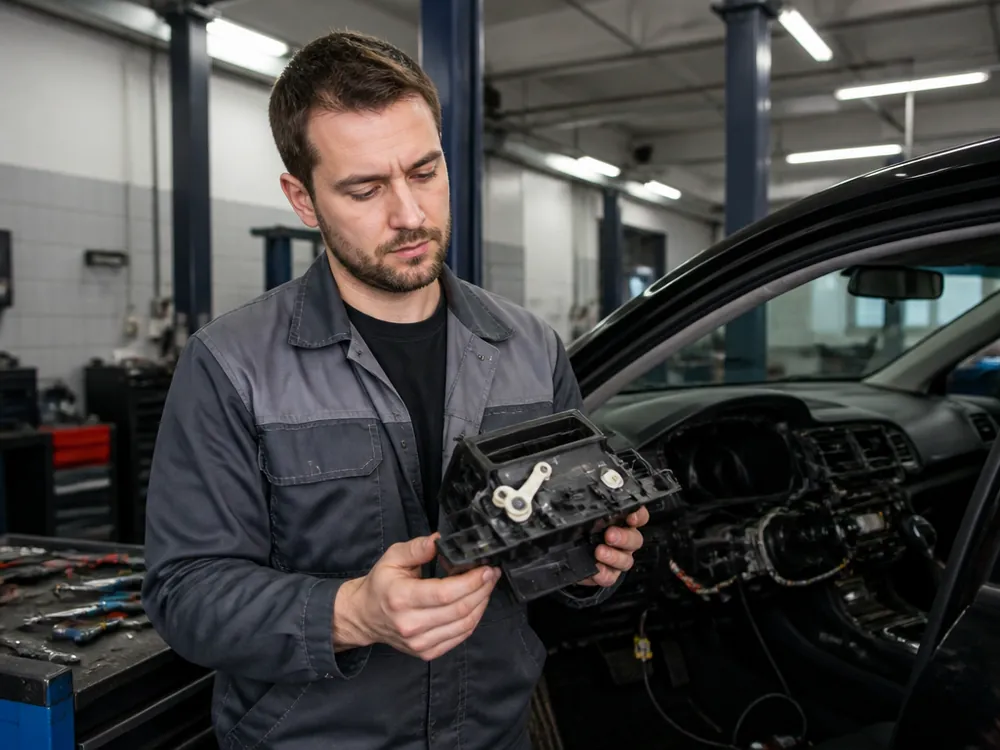
CARGID performs car AC diagnostics in Almaty: visual inspection, pressure check, leak detection with a leak detector and dye, and checks of the compressor, electronics, and blend doors. We find the cause first and give you a written estimate; we start repairs only after you approve. Diagnostics carry a 12-month warranty, and we set the timeline in the work order.
What Diagnostics Includes and How Its Levels Differ
AC diagnostics isn't just "take a look and recharge" — it's a sequence of checks. We split it into three levels, and the task decides which one you need: sometimes a pressure check is enough, and sometimes the cause can't be found without a leak detector.
Three Levels of Checks and What They Cover
| Level | What we check | When it's needed |
|---|---|---|
| Basic | inspection, startup, modes, pressure | routine, "not cooling" with no obvious symptoms |
| Leak detection | leak detector on joints, dye in the circuit | refrigerant keeps escaping |
| Comprehensive | inspection, pressure, leak detector, compressor, electronics | cause isn't obvious, system is dead |
How Long the Check Takes and What We Get Done
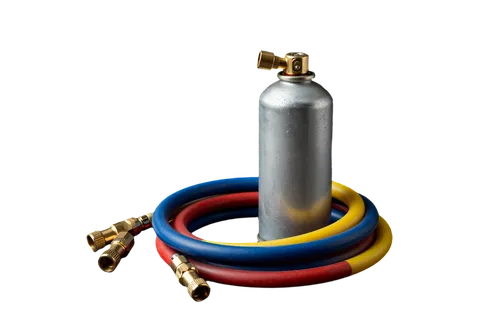
A full AC check at our shop includes a visual assessment of the components, a pressure reading with a manifold gauge set, leak detection with a leak detector on the joints, and a check of the compressor under load. We read climate fault codes with dealer-level scanners for 40+ makes, so we don't guess from symptoms — we see which sensor or actuator has failed. On 3-zone climate systems we measure the temperature at each blend door separately, so it's immediately clear which zone isn't cooling and why. After the check we measure the temperature at the vent outlets at raised RPM and show you a chart: how many degrees it was and how many it is now. The promised "15 minutes" usually means just a quick look and hooking up the gauges — that won't find a leak or an electronics fault, and a month later the refrigerant is gone again. In my view, a proper check saves you a repeat visit and an unnecessary recharge.
Why It's Not Cooling and How We Find the Cause
"Blowing warm" is a symptom, not a diagnosis. There are three groups of causes, and the check goes from simple to complex: pressure and compressor first, then electronics, then blend doors and heat exchange.
Refrigerant, Compressor, or Electrics — How to Tell Them Apart
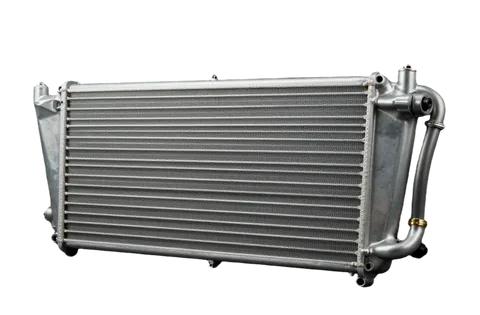
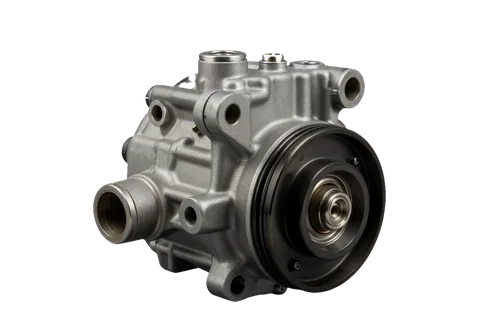
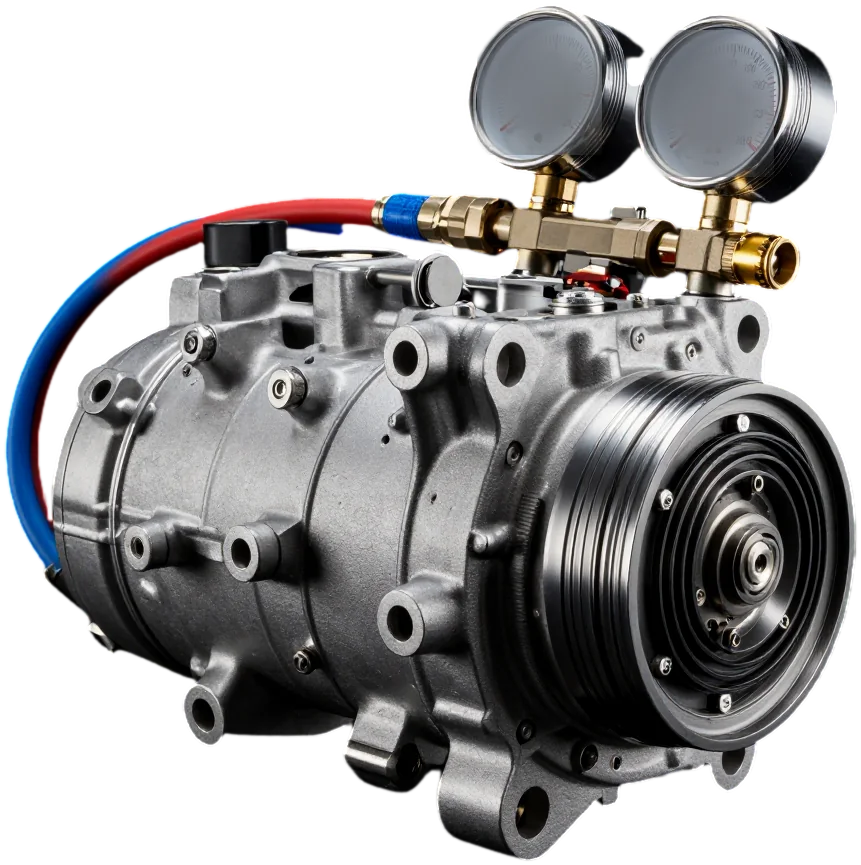
We distinguish three scenarios by pressure and how the unit behaves: low pressure in the circuit points to a refrigerant leak, a silent clutch points to electrics, and a running unit with no cold points to the blend doors or a clogged condenser. We connect a manifold gauge set to the service ports and compare readings at idle and at raised RPM: the difference between the high and low sides shows whether the unit is pumping at all. At the same time we check whether power reaches the clutch and whether the fuses, relay, and wiring are intact. We inspect the condenser for lint blockages and signs of damage — a clogged radiator gives the same warm airflow as low refrigerant. If the unit clicks and engages with a delay, the clutch or relay is usually to blame, not the compressor itself — no need to replace the whole unit.
What a Computer Check of the Climate Control Shows
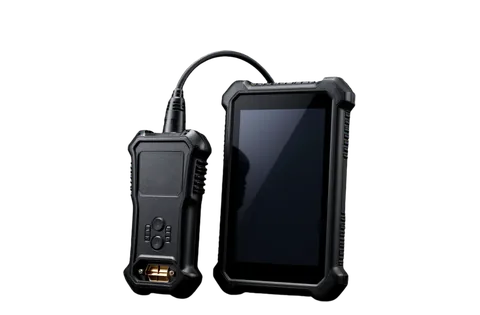
With dealer-level scanners for 40+ makes, we check the car's AC by reading climate control fault codes and see which sensor or actuator has failed. The scanner reads codes for the temperature and pressure sensors, the blend door actuators, and the control module itself — that narrows the search to a specific component in minutes instead of trial and error. Checking the car's AC by codes doesn't replace mechanical measurements: the electronics record the symptom, but not always its cause. A pressure sensor fault often masks a real leak — so we back up the scanner with gauges rather than trusting the code blindly. We also compare sensor readings with the actual vent outlet temperature: a discrepancy means either the sensor is lying or a blend door is sticking.
How We Find Leaks with a Leak Detector and Dye
We look for leaks two ways at once — an electronic leak detector on the joints and dye in the circuit. This approach reveals hidden defects and leaves no doubt about the diagnosis.
Leak Detector on Joints and Dye in the Circuit
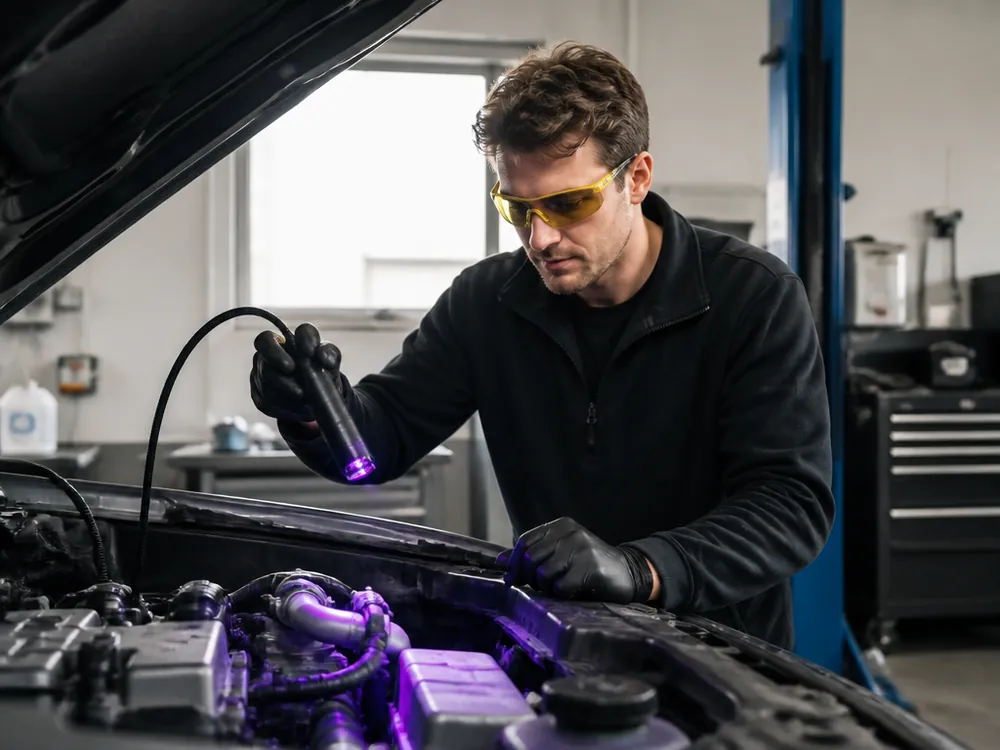
A leak detector hears a leak at joints and connections, while dye highlights microcracks that the eye can't see. The electronic device picks up refrigerant at flanges, lines, and seals where the gas stream is barely noticeable — the technician runs the probe along the entire circuit and listens for the signal. We add UV dye to the system and inspect the refrigerant's path from the compressor to the evaporator with a lamp: microcracks in the radiator and hoses show up as a bright glow. Both methods give a different picture, so we use them together on the same car — the device shows an active leak, and the dye records delayed signs. The dye stays in the circuit and shows the spot again a week later — for a slow leak, that's more reliable than a one-time measurement. This is how car AC diagnostics in Almaty works when you need to pinpoint the leak rather than replace components at random.
What We Do Once the Leak Is Found
- Pinpointing: we record exactly where the leak detector or dye showed the problem — the specific joint, line, or component.
- Fix method: resealing the connection or replacing the component — we choose based on the location and condition of the part.
- Approval: we prepare a written estimate before repairs and start only after your "yes."
- Parts: OEM, aftermarket, or your own — you decide the setup.
- Old parts: we show and hand over what was removed so you can see what was replaced.
- Warranty: the work performed carries a 12-month warranty, and we record the timeline in the work order.
Multi-Zone Climate and Commercial Vehicles
Two situations that are rarely covered in the niche: 3-zone climate where one zone isn't cooling, and commercial vehicles with their own specifics. Here's how we check each.
Why One Zone Isn't Cooling and How We Check It
On 3-zone climate systems, we measure the temperature at each blend door separately — that immediately shows which actuator or sensor is at fault. The tool records readings for the driver, passenger and rear zones at the same blower speed, and we compare the result against the table values for that specific model. Next we check the blend door actuators and temperature sensors: a stuck actuator doesn't turn the door all the way, and warm air mixes into the cabin. A computer check of the climate control module shows whether the electronics can see the door position or are working from averaged data. If the "cold" zone blows 5–7 degrees warmer, it's usually the door, not a leak — refrigerant is shared across all zones, and with a leak the whole system wouldn't cool. In practice, this measurement saves the customer a whole loop of searching: no need to run the leak detector along the lines when the fault is in the actuator. That's exactly how car AC diagnostics goes when the complaint is about one zone.
Checking Trucks and Minivans
We handle trucks and minivans separately — they have more circuits, different pressures and their own leak points. The cab and cargo area are often served by different branches, and minivans add a rear evaporator with its own fan and sensor. We connect the manifold gauge set to the service ports and take readings on the high and low sides with the compressor running, comparing them to the spec for that specific model. On commercial vehicles the lines are longer and there are more connections, so we run the leak detector along the entire line, not just under the hood — from the compressor to the rear unit. On trucks, some of the joints are hidden behind trim, and you can't see a leak without removing the panels. It's best to start with a pressure test and pressure readings: that rules out half the theories before you take the interior apart.
Estimate, Warranty and What Happens After the Check
The check is done — you get a written estimate and a decision: repair now, later, or not at all. Below we explain how the estimate, parts choice and warranty work.
Written Estimate and Your Own Parts
We give you the estimate in writing before any repair, and you choose the parts — OEM, aftermarket or your own. The service advisor handles the work order from intake to handover, so every item from the car AC check goes into one document with a list of work and parts. Bring your own — we'll take them, we just match the part number to the model beforehand so we don't replace a part twice. We show you the removed components and give them back: you can see what was on the car and what went in. We start the repair only after you approve the estimate — no calls saying "we already took it apart, pay more." In my view, a written document saves more money than any discount: it keeps the price from creeping up mid-job. If you bring your own parts, they aren't covered by warranty — that's in the terms, and it's better to know upfront.
Warranty on the Check and What It Covers
We give a 12-month warranty on the check, and the term and conditions are written into the work order and the handover report when you pick up the car. The warranty covers the work performed and the parts we installed — that includes the climate system electrics, the compressor and the blend door actuators. It does not cover an accident after the repair, third-party tampering, normal wear of consumables, or a part the customer supplied. Before handover we do a test drive and measure the temperature at the vents at higher RPM — we show you a "before and after" chart so the result isn't just words. For a warranty case, the check is free — if the problem comes back, you don't pay for a re-check. We put the term and conditions on paper at handover instead of keeping them "in our heads" — if there's a dispute, you have a document with the date and the list of work in your hands.
Car AC diagnostics key points
The short version of how we check a climate control system, in case you're planning a visit and want to follow the technician's logic.
- Step-by-step testing: this is a sequence of measurements and tests, not a quick eyeball check. There are three levels, and the right one depends on what you need.
- A symptom isn't the cause: warm air from the vents doesn't mean the compressor is done for. The cause is pinned down by the pressure in the circuit, how the unit behaves, and the climate control module's fault codes.
- Two ways to find a leak: an electronic leak detector goes over the joints, while dye in the circuit highlights hairline cracks you can't see with the naked eye.
- Special cases: on three-zone climate control, the temperature is measured for each zone separately, and on trucks and vans the entire line is checked end to end.
- End of the check: a written estimate before any work starts, the choice between OEM, aftermarket, and your own parts is yours, and the warranty period is recorded in the work order.