 Author
13years
experience
experience
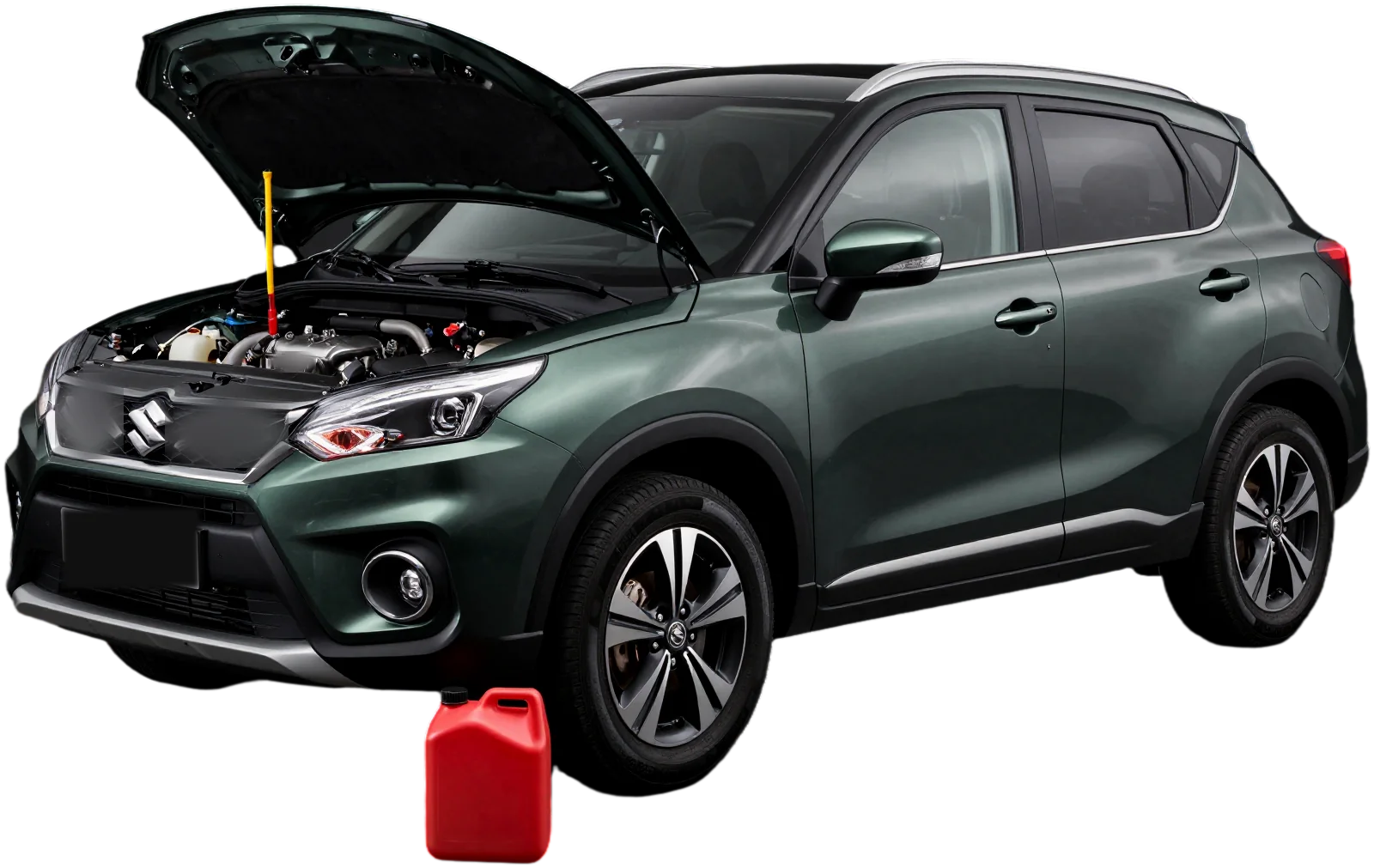
At CARGID, we change the transmission oil in Suzuki SX4, Grand Vitara, and other models. We use original or a verified equivalent of your choice, perform partial and machine replacement. We work with a warranty of 6 months and fix the price before starting work.
Methods of replacement and maintenance of Suzuki transmissions of varying complexity

We drain the old fluid through the plug and fill with fresh. Part of the volume is renewed, the pan is not opened.

We remove the pan, replace the transmission filter and gasket, fill with new fluid. We clean the magnets and internals.

The machine displaces the old fluid with new under pressure. The entire fluid volume in the transmission is renewed.

Draining and filling part of the transmission fluid volume. Suitable for routine maintenance and fluid renewal.

Machine replacement of the entire transmission fluid volume. The transmission receives fresh fluid.

Pan removal, filter and fluid replacement. The pan magnets are cleaned.

Full machine transmission fluid replacement. The entire working fluid of the transmission is renewed.

Choose the parameters — we'll show a price and time estimate. We'll confirm the exact quote after diagnostics and send the result to WhatsApp.
Labor. Parts and materials depend on make and availability, OEM or aftermarket.
Calculation details go into the message · reply in 5 minutes
Complete price list for automatic transmission fluid change for Suzuki: from diagnostics to on-site service.
| Service | Duration | Warranty | Price |
|---|---|---|---|
| Automatic transmission diagnostics before change (inspection, checking fluid level and condition) | 30–40 minutes | 6 mo | from 3 000 ₸ |
| Partial automatic transmission fluid change (drain and fill) without removing the pan | 1 hour | 6 mo | from 7 000 ₸ |
| Automatic transmission fluid change with pan removal and filter replacement | 2–3 hours | 6 mo | from 15 000 ₸ |
| Automatic transmission fluid change using a full exchange machine (on a stand) | 2–3 hours | 6 mo | from 12 000 ₸ |
| Automatic transmission fluid change for Suzuki Swift (1.2/1.4) — partial | 1 hour | 6 mo | from 7 000 ₸ |
| Automatic transmission fluid change for Suzuki Vitara (2.0/2.4) — full using a machine | 2–3 hours | 6 mo | from 14 000 ₸ |
| Automatic transmission fluid change for Suzuki Grand Vitara (3.2/2.0) — with filter | 3–4 hours | 6 mo | from 18 000 ₸ |
| Automatic transmission fluid change for Suzuki SX4 (1.6) — partial | 1 hour | 6 mo | from 7 500 ₸ |
| Automatic transmission fluid change for Suzuki Jimny (1.3) — full | 2 hours | 6 mo | from 10 000 ₸ |
| Urgent automatic transmission fluid change (same day service) | 1–2 hours | 6 mo | from 15 000 ₸ |
| On-site automatic transmission fluid change (at the client's address) | 1–2 hours + travel time | 6 mo | from 20 000 ₸ |
| Automatic transmission fluid change with system flushing (without dismantling) | 3–4 hours | 6 mo | from 16 000 ₸ |
| Automatic transmission fluid change with gear shift linkage adjustment | 2–3 hours | 6 mo | from 17 000 ₸ |
| Automatic transmission fluid change with pan gasket replacement | 2–3 hours | 6 mo | from 12 000 ₸ |
| Automatic transmission fluid change with torque converter seal replacement | 3–4 hours | 6 mo | from 22 000 ₸ |
| Automatic transmission fluid change with oil pump replacement (if necessary) | from 5 hours | 6 mo | from 40 000 ₸ |
Prices are for labor only and do not include the cost of fluids and filters. The exact cost depends on the Suzuki model and the condition of the automatic transmission. On-site service is available within Almaty. Warranty periods — see the page «Warranty»
Every promise — backed by a number or a document: work order, photos, removed parts.
warranty on labor — the term is stated in the work order.
When you order a replacement with filter, we remove the pan, replace the filter and gasket, and clean the magnets. Metal shavings on the magnets are a sign of wear — we will show and explain.
On the machine, we displace the old fluid with new while the engine is running until clean fluid comes out. We monitor color and volume to avoid leaving old fluid in the torque converter.
Engines 1.2 and 1.4 have a compact transmission with a small volume. We fill strictly according to the dipstick, do not overfill: overfilling leads to foaming and jerking.
We set the level at a fluid temperature of 40°C, as required by the manufacturer. Overfilling or underfilling in a Suzuki transmission immediately causes shocks — that's why we check twice.
We explain how the automatic transmission fluid replacement for Suzuki is performed at our service center.

You leave a request on the website or by phone, we select a convenient time for your visit. A mechanic inspects the car, checks the fluid level and condition, and identifies leaks.
request on WhatsApp
We select the recommended fluid and filter for your Suzuki model and confirm with you.
inspection and diagnosticsWe unscrew the drain plug, drain the used fluid, and assess its condition.
estimate before work starts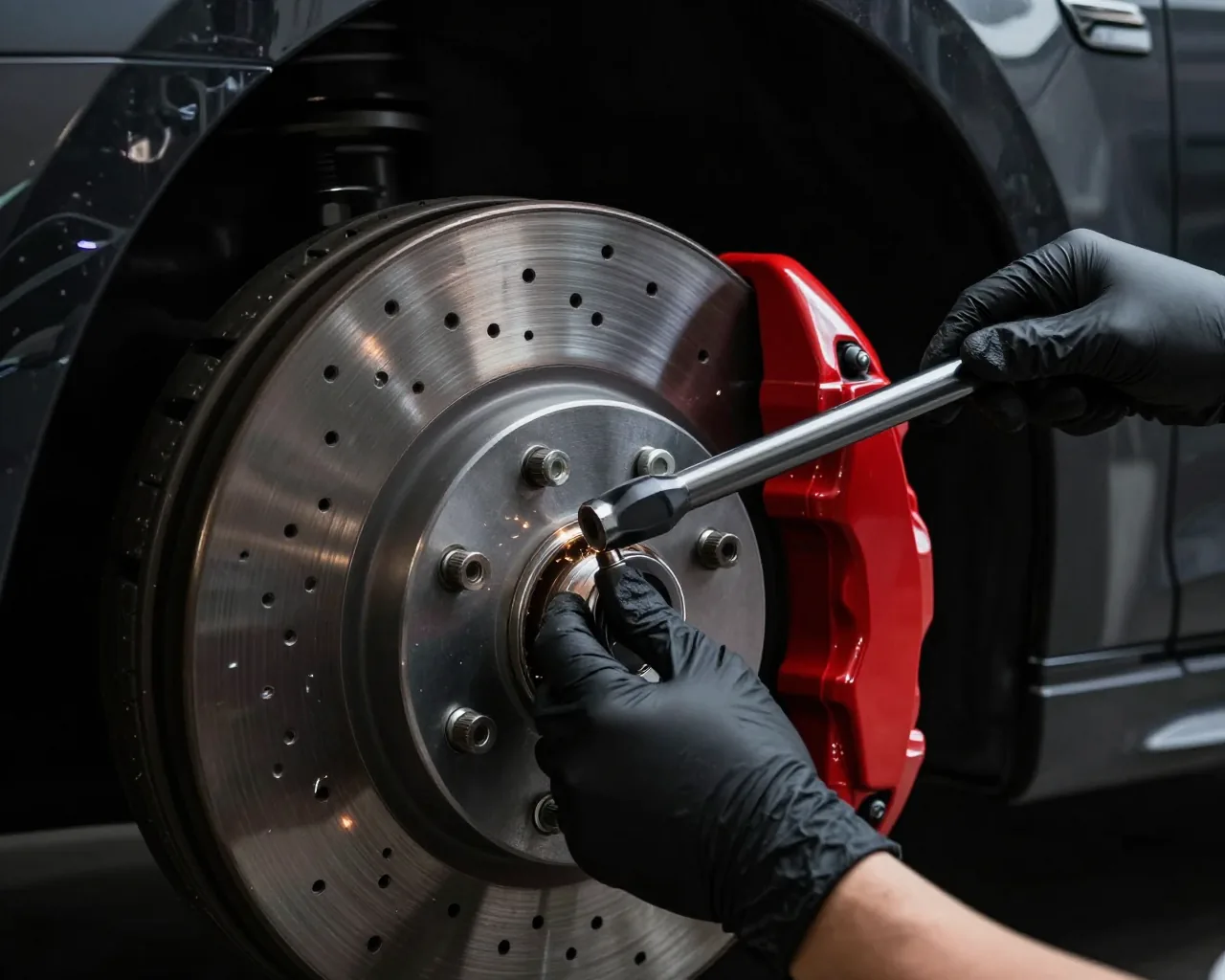
We replace the transmission filter, clean the pan from deposits and metal shavings.
work to factory procedureWe fill fresh fluid through the filler hole, monitoring the level.
result check
We start the engine, warm up the transmission, check the level and absence of leaks. We wash the car, hand you the keys and documents, and give maintenance recommendations.
warranty in the work orderWalk-ins welcome. By appointment — no queue.
CARGID car repair team. 8–17 years of experience.
Author
Mobile auto electrician

Car alarm and car stereo installer

Auto electrician

Roadside assistance technician

Diagnostic technician

Engine mechanic (cylinder head repair)

Auto electrician and diagnostician

Write to WhatsApp with the make, year and what's bothering you. We'll tell you the cause, a price estimate and pick a time for your visit.
 available daily 09:00–20:00
CARGID
Car service in Almaty. We reply on WhatsApp and by phone.
At CARGID, we change Suzuki transmission oil in Almaty after diagnostics and a written estimate: from a partial change without dropping the pan to a full machine change on the stand. We set the level at 40 °C strictly by the dipstick and fix a 6-month warranty on the work in the work order.
The Suzuki transmission oil change interval depends not only on mileage but also on conditions: Almaty traffic jams, summer heat, and short trips overheat the fluid faster than highway driving. Let's break down when it's time for a change and how informative a pan inspection is.
Here at CARGID, for Suzuki in city driving, the guideline is to shorten the scheduled interval because traffic jams and heat overheat the ATF faster than highway driving. A Suzuki transmission oil change in Almaty requires adjusting for real-world use: short city trips, frequent starts at traffic lights, summer stuffiness in courtyards and on avenues. ATF loses viscosity and cleaning properties, varnish deposits settle on the clutches and in the valve body, and a transmission specialist during diagnostics notices this by the color and smell of the fluid before the driver feels a jerk. The myth of "filled for life" is dangerous because by the time the first shocks appear, the fluid has already lost its properties, and you have to change it against a backdrop of wear—it's better to check the condition in advance, before the transmission starts jerking.
Each method has its own purpose—to refresh part of the volume or displace the old fluid completely. The choice depends on mileage, ATF condition, and the symptoms the owner notices while driving.
| Method | What we do | When it fits |
|---|---|---|
| Partial without pan | drain and refill part of the volume | routine refresh, low mileage |
| With pan and filter | remove pan, filter, gasket, clean magnets | shavings present, long overdue |
| Full on the stand | displace old fluid with new | medium mileage, dark ATF |
| With system flush | flush for heavy contamination | neglected ATF condition |
At mileage over 150 thousand and with jerks already appearing, we first check the condition of the lubricant and the pan, and only then decide whether the machine procedure is safe or a staged partial is better. A partial refreshes only part of the volume and leaves old ATF in the torque converter, so it's often done in two or three sessions with an interval. A full machine change displaces the old fluid while the engine is running with color control at the outlet—this removes more contaminants, but the load on the clutches is higher. A sudden flush on a worn transmission sometimes washes away wear products that "held" the clearances, so in controversial cases it's more beneficial to start with a partial and monitor the unit's behavior. In our practice, at the first jerks, a staged approach gives a more predictable result than a one-time machine procedure—and you can also see how the transmission responds to fresh lubricant. A Suzuki transmission oil change in this case goes more smoothly when the condition of the unit is assessed first, and only then the scope of work is chosen.
The fill volume and the procedure itself depend on the engine and transmission type, and the control mark is set by temperature. Let's break down why overfilling is especially dangerous on small engines and how we verify the measurement.
On 1.2 and 1.4 L engines, Suzuki uses a compact transmission with a small volume, so we fill oil strictly by the dipstick and do not overfill. On these engines, the transmission pan is designed for a small amount of ATF, and the margin to the upper limit here is measured in milliliters, not liters: an extra 100–200 ml already takes you beyond the allowable limit. Suzuki SX4 owners with the 1.4 engine often ask how many liters to pour during a partial procedure—there's no universal number; the dipstick gives the guideline, not memory or forum advice. Overfilling leads to fluid foaming, pressure rise, and jerks during shifting—the driver takes this for a transmission fault, although the cause is the amount filled. Therefore, before handing over the car, we check the level on the dipstick twice and show the client where the norm is.
We set the Suzuki transmission oil level at a fluid temperature of about 40 °C because the ATF volume changes with heating, and a "hot" measurement gives an incorrect result. On a transmission warmed to operating temperature, the fluid expands, the dipstick shows an overestimated result, and an inexperienced technician either drains the excess or, conversely, underfills. On the 1.3 L engine with its transmission, we separately check which service method the torque converter can handle: a full machine procedure displaces old fluid from the circuit, and afterward we take the measurement again according to the regulation, not by what's left in the can. Underfilling is just as dangerous as overfilling—the pump grabs air, and the transmission overheats. That's why we check according to the manufacturer's temperature chart, not "by eye after a drive": this way, jerks after service don't appear.
The fluid is selected for the transmission type and specific model, not by color or chat advice. Let's break down how an automatic differs from a CVT and what to do if you want to bring your own consumables.
For the conventional automatic in the Suzuki SX4, the ATF is selected by the unit's specification, while the CVT needs its own CVT fluid, and the two must never be mixed. Both transmissions appear in the SX4 lineup: a hydromechanical automatic with friction clutches and a belt-driven CVT, where the fluid also works as the working medium for the pulleys and belt. The required approval is listed in the service book and on the dipstick or the unit's sticker — that's what we go by, not the "universal" label on the can. Only a fluid with the manufacturer's approval goes into the CVT: it has a different additive package and viscosity properties. The mistake of "topping up with whatever's on hand" leads to incompatible additives and changed friction properties — the unit starts to jerk or slip. During a partial fluid refresh, it's better not to mix two different ATFs but to pick one specification for the whole volume.
You can bring your own oil and filter — we work with OEM, aftermarket, or customer-supplied parts, the choice is yours. Before work begins, the service advisor checks the fluid specification against the transmission type and model, and we take a photo report of the key stages. First comes diagnostics and a written estimate; we start the repair only after you agree, and we show you the old parts and hand them over. The warranty on an automatic transmission oil change is 6 months; the term and conditions are recorded in the work order and the handover report when the car is returned, and diagnostics for a warranty case are free. The warranty does not cover a part brought in by the customer, so with your own oil it's worth checking the specification against the unit type in advance — otherwise the risk falls on the owner.
Which components the service touches along with the fluid, how we check the result, and what the warranty covers — these details most often decide whether to trust a shop.
When servicing with a filter, we drop the pan, install a new filter and a fresh gasket, and clean the magnets — that way you see the real condition of the gearbox, not just the color of the drained fluid. Metal shavings collect on the magnets: fine dust on the mesh is normal for the mileage, while large flakes indicate friction wear, and we honestly warn you about that before reassembly. We install a new pan O-ring and never reuse the old one — the rubber loses its elasticity and starts to seep. If there's no dipstick, the level is set via the check plug with the engine running at the required temperature — the procedure takes longer, but it's exactly what protects against underfilling and overfilling. The service advisor manages the work order through handover, and we take a photo report of the key stages.
Five factors decide how Suzuki automatic transmission service goes: the real interval, the method chosen, the exact volume, the correct level measurement, and the recorded warranty terms. We've put them in a short list.
Price, timeframes, warranty, payment — 10 questions asked most often.
Message us on WhatsApp — a service advisor will reply within 5 minutes.
Ask a questionThe price depends on the Suzuki model, transmission type (torque converter or CVT), oil volume, and replacement method (partial or machine). At our service, the base price starts from 7 000 tenge for labor with partial replacement and from 18 000 tenge for machine replacement. The cost of oil and filters is added. Exact prices are in the price list on this page.
A partial oil change takes about 1–1.5 hours. A machine (flushing) replacement — 2–3 hours, as it requires warming up the transmission and circulating the oil through several cycles. If the filter and pan gasket are also replaced, add another 40–60 minutes. The total time depends on the vehicle's condition and model.
The warranty for a Suzuki transmission oil change depends on the chosen method — partial or full — and the condition of the unit at the time of work. We provide a warranty on the work performed and the oil used; its term is fixed in the work order. If a malfunction appears after the change that is not related to transmission wear, we will diagnose and fix it.
We recommend booking in advance, especially on weekends, so you are seen without waiting. If you come without an appointment, we will try to serve you within 1–2 hours depending on workload. You can book by phone or via WhatsApp — specify the Suzuki make, model, and year.
Yes, you can bring your own materials, but we are responsible only for the work, not for the quality of the parts. If your oil or filter turns out to be faulty, the warranty on the result does not apply. We recommend using original Suzuki materials or proven equivalents that we have. When purchasing yourself, check the ATF specifications and filter number for your model.
If you notice jolts, jerks, unusual noises, or oil leaks, contact us immediately. We will perform diagnostics free of charge and fix issues caused by our fault. Do not delay, as this can worsen the transmission's condition. The warranty is valid if operating rules are followed.
A partial change involves draining old oil through the drain plug and filling new oil. Up to 30–50% of the volume is renewed. A machine replacement using a flushing unit displaces up to 90–95% of the old oil, which is more effective and recommended for heavy contamination. Machine replacement is more expensive but gives better results. Partial is a more budget option but does not fully solve the problem.
Immediately after the change, for the first 100–200 km, avoid sudden starts and aggressive driving so the oil distributes evenly. Check the oil level after 2–3 days on a cold transmission. If you notice leaks — come to us immediately. Plan the next change after 50 000–60 000 km (Suzuki's regulation for most models). Don't forget regular transmission diagnostics.
You can pay for a Suzuki transmission oil change in cash at the service, by bank card, or by transfer. On request, we arrange cashless payment with closing documents for legal entities. The final amount depends on the oil volume, Suzuki transmission type, and chosen replacement method.
The cost includes labor for draining, filling, level control, resetting the oil aging counter (if such function exists), and checking for leaks. A diagnostic sheet is provided. Oil, filter, pan gasket, and flushing fluid (if required) are paid separately. For machine replacement, the flushing unit rental is included.
We collect ratings on the website and on maps — we hide nothing.
872 reviews on the website
1 900+ ratings in total
Had the transmission oil changed on a Suzuki Escudo. The guys did it quickly and with quality, replaced the filter, explained everything. Price was 45 thousand tenge, finished in a day. The car started driving smoother, the jerks disappeared. I recommend this service!
Came in for a transmission oil change on a Kia Sportage. They did everything precisely, replaced the oil and filter. The price is a bit higher than elsewhere, but everything was transparent, they showed the old oil and the new filter. A month later, all good, no complaints.
Had the transmission oil changed on a Nissan X-Trail. The technician warned that the filter was very clogged, installed a new one, washed the pan. The work took about 4 hours, cost 42 thousand. Now the shifts are smooth, no jerks. Thanks for the quality!
Came for a transmission oil change on a Toyota Camry. They did it quickly, but the price turned out higher than quoted over the phone; they said the gasket had to be replaced. Good thing they warned me and showed the leak. Overall, I'm satisfied, the transmission works great.
Had the transmission oil changed on a Subaru Forester. Everything was done with quality, replaced the oil and filter, performed diagnostics. Very convenient that they scheduled by time, no waiting. Costs 38 000 tenge, took 3 hours. I recommend!
Transmission oil change on a Mitsubishi Outlander. They did everything carefully, replaced the oil and filter, washed the pan. The technician showed the old metal shavings on the magnets. Price 50 thousand, finished in a day. The car became noticeably more responsive.
Without wasting time, had the transmission oil changed on a Toyota Land Cruiser Prado. Everything was done quickly and with quality, replaced the oil and filter, checked for faults. I was satisfied with the service, the car runs well. I recommend!
Transmission oil change on a Hyundai Santa Fe. Everything was excellent, the technician explained what was done, showed the old oil, very dark. Installed a new filter and oil. Shifts became better, smoother operation. Costs 44 000 tenge, I recommend.
Had the transmission oil changed on a Chevrolet Captiva. The guys are great, did everything in 3 hours, price 46 thousand. Replaced the oil and filter, checked the level. After the change, the car drove much smoother, no jolts. Thanks!
Tap the heart if the review helped.
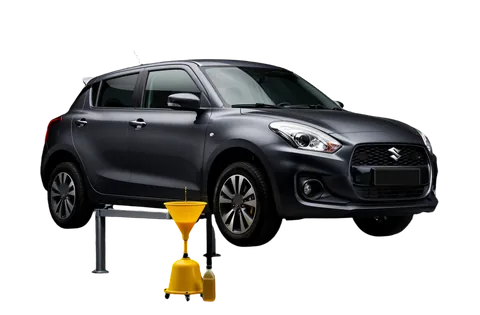
Oil in a manual transmission performs several key tasks: it reduces friction between gears and synchronizers, dissipates heat, protects parts from wear and corrosion, and also removes wear products.

The Suzuki SX4 engine, especially the M16A and S60A gasoline units popular in Almaty, is sensitive to oil quality and viscosity.
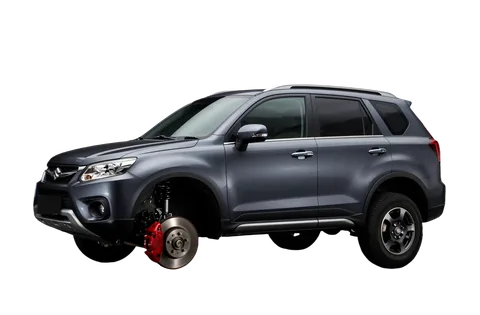
Replacing Suzuki brake pads is a scheduled procedure that restores braking efficiency and vehicle safety.
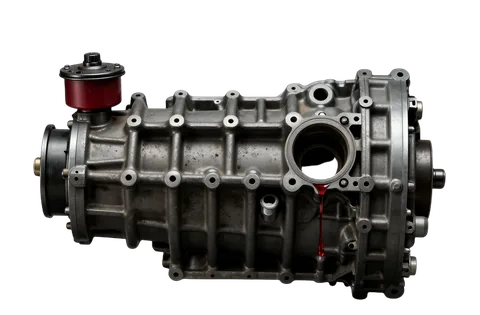
The automatic transmission is one of the most complex and expensive components of a car.
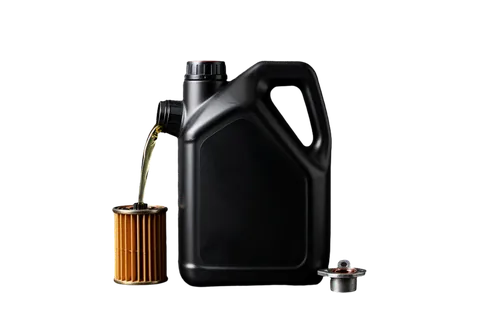
Transmission oil change is a key procedure for maintaining the operability of the gearbox.

Oil in the S tronic robotic gearbox is not just a lubricant, but a working fluid on which the operation of the mechatronics, clutches, and gears depends.

Changing the engine oil in a BMW is a scheduled procedure that directly affects the engine's service life and its stable operation.
Almaty. daily 09:00–20:00. By appointment — no queue.
Choose a platform — your review will be seen by everyone looking for a car service in Almaty. Mention the work order number in the text.
